

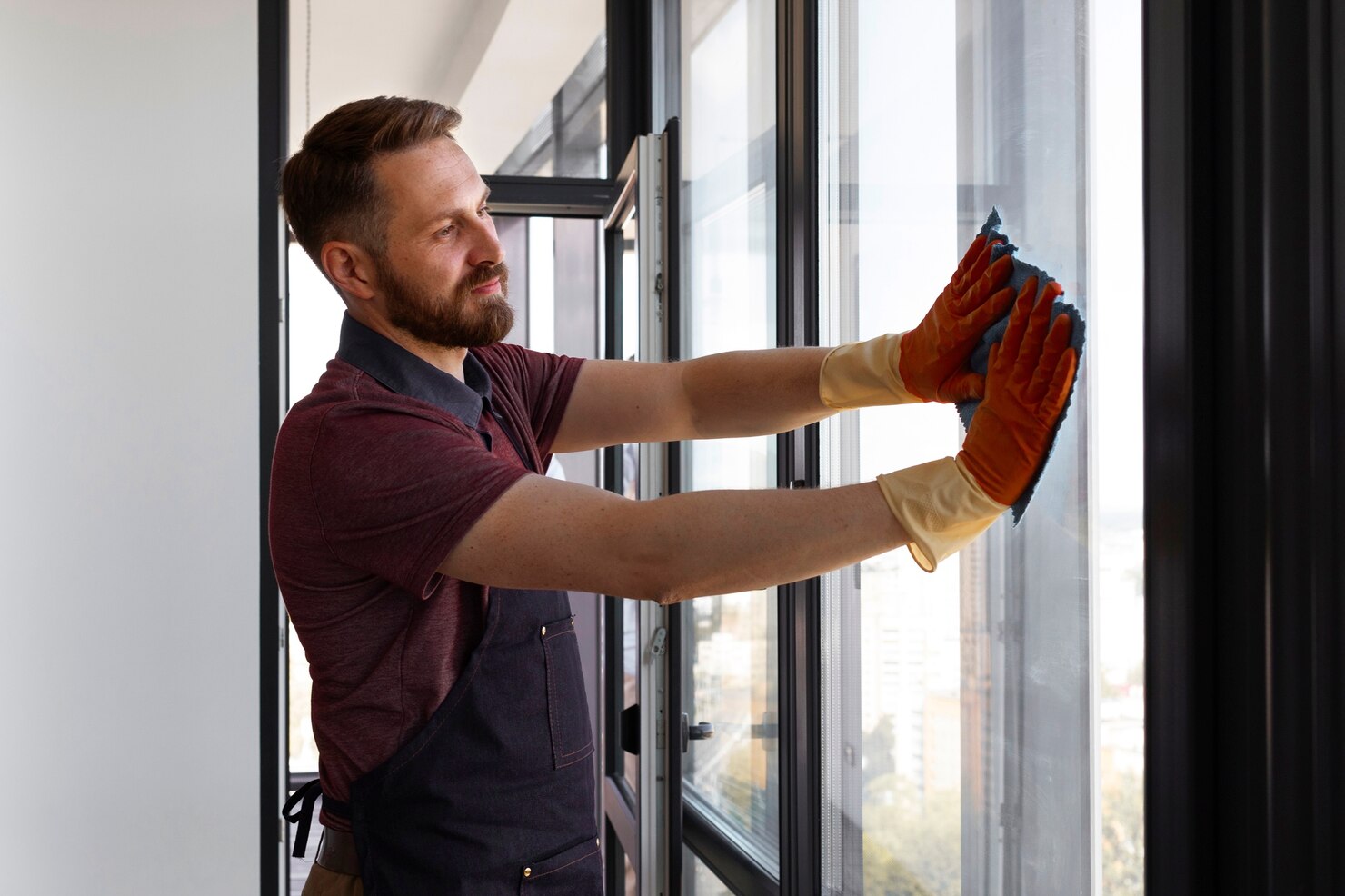



Commercial windows play an important role in building performance.
Natural light enters through them.
Energy efficiency depends on them.
Property appearance is influenced by them.

Over time, damage, wear, and environmental exposure can affect how those systems perform.
Commercial window repair helps restore functionality, improve appearance, and extend the life of existing glazing systems without requiring full replacement.
For many properties, timely repairs help prevent larger building envelope issues from developing.

The General Contractor (GC) Perspective
- How They Perceive It:The GC views commercial window repair as a potential warranty trap, a critical-path liability, and a scope-creep minefield. Repair work rarely comes with clean, pristine architectural drawings; it involves dealing with legacy installations, degraded substrate conditions, unknown framing extrusions, and concealed water intrusion. To the GC, repairing existing glass units is a delicate balance between saving time/budget and risking future callbacks for leaks, draft complaints, or structural deflection failures.
- Decisions They Normally Make:
- Attempts a quick surface fix: Solves failed hermetic seals (fogged IGUs) or water intrusion by applying exterior wet-glaze caulk beads directly over old, degraded backer rods and failing gaskets rather than dismantling the stops and replacing internal seals.
- Substitutes monolithic tempered glass for damaged IGUs or laminated units: Treats glass replacement as a simple dimension-matching job to cut cost and lead time, unintentionally violating building envelope energy codes (Title 24 / ASHRAE) or safety glazing mandates.
- Delegates hardware fixes to general punch-list laborers: Has non-glazing crew members adjust heavy commercial pivots, concealed overhead closers, and panic devices, leading to misaligned doors that bind, stress the glass, or fail ADA opening force inspections.
- Decisions They SHOULD Make:
- Perform a root-cause forensic teardown: Pull setting blocks, check weep-hole drainage paths, and inspect the structural framing anchor points to ensure moisture intrusion hasn’t rotted the perimeter substrates or corroded internal steel stiffeners.
- Match manufacturer system specs precisely: Source matching gaskets, setting blocks, and thermal isolators directly from the original extrusion manufacturer (e.g., Kawneer, Oldcastle, Tubelite) to maintain structural integrity and air/water infiltration ratings.
- Establish a hard threshold for repair vs. full framing replacement: Advise the property owner when cumulative repairs (warped framing, severe thermal-bridge failures, discontinued hardware) will cost more over a 3-year window than replacing the rough opening with modern, thermally broken storefront systems.

- Retail Tenant Improvement Contractor
- Restaurant Tenant Improvement Contractor
- Medical Office Tenant Improvements
- Industrial Tenant Improvement Contractor
- Warehouse Tenant Improvements
- Tenant Improvement Allowance Guide
- Tenant Improvement Glass & Storefront Systems
- Tenant Improvement Project Planning
The Commercial Tenant Perspective
- How They Perceive It:The commercial tenant (office user, retail boutique, medical clinic, or service branch) perceives damaged or failing commercial windows as an immediate threat to security, daily comfort, and brand credibility. Fogged double panes make the business look neglected; whistling drafts and rattles distract employees; and a cracked pane or stuck door is an active security vulnerability and liability risk. They want fast turnaround with zero disruption to foot traffic or daily operations.
- Decisions They Normally Make:
- Defers seal failure and water leaks: Ignores condensation, cloudy glass between panes, or minor sill pooling until water ruins drywall, carpets, or electronic equipment, forcing an emergency shut-down.
- Attempts DIY/facility maintenance patches on high-traffic entry hardware: Tightens set screws or sprays generic lubricant into failing hydraulic closers, ignoring the internal valve failure until the door slams, shattering the glass or injuring a visitor.
- Focuses only on the cosmetic glass and ignores the frame/sill performance: Demands quick pane replacement after vandalism or thermal stress cracks without addressing old single-pane framing that hemorrhages money on monthly HVAC heating/cooling bills.
- Decisions They SHOULD Make:
- Hold the landlord accountable immediately based on lease boundaries: Review the commercial lease envelope clauses on day one of a failure to establish whether the base building or tenant TI budget is responsible for framing, glass, and structural seals.
- Upgrade to security-laminated or low-E glass during repair cycles: Instead of simply replacing like-for-like broken monolithic glass, invest the marginal difference to install laminated security glass or modern spectrally selective low-E IGUs to cut noise, reduce solar heat, and prevent future break-in downtime.
- Schedule certified commercial glazing preventative maintenance: Establish scheduled inspections for door alignment, concealed closer fluid pressure, weather-stripping, and weep-hole clearing to prevent expensive emergency after-hours board-up and repair calls.
The absolute highest demand markets. These feature massive inventories of older commercial buildings, extreme weather shifts or severe smash-and-grab/vandalism exposure, and high resistance to capital expenditure from landlords.
1. New York, NY – Massive volume of legacy commercial real estate (CRE). Relentless institutional repair needs: hardware exhaustion on heavy pivots, glass-etching vandalism, and failed insulated glass unit (IGU) seals.
2. San Francisco, CA – High repair intent. Driven by severe retail storefront security conditions, neighborhood commercial property damage, and an intense preference to repair over full storefront replacement.
3. Chicago, IL – Massive commercial inventory combined with extreme seasonal thermal shifts (sub-zero winters to humid summers), causing heavy structural shifting, frame deflection, and thermal shock fractures.
4. Los Angeles, CA – A massive sprawling market of street-facing retail and mid-rise offices—high frequency of forced-entry damage, vehicle-into-storefront impacts, and strict local codes that are cost-effective to repair.
5. Oakland, CA – Exceptionally high localized demand. Leading the country in property crime rates per capita, driving a non-stop need for emergency board-ups and immediate commercial storefront glass repair.

6. Seattle, WA – High property crime (burglary/vandalism) in the urban core combined with a damp, coastal environment that rapidly degrades perimeter window seals and mechanical hardware.
7. Philadelphia, PA – One of the oldest commercial building stocks in the Northeast. High volume of aged framing failures, structural settling, and persistent property crime in commercial corridors.
8. Boston, MA – High concentration of historic and aging commercial envelopes. Tight urban footprints make window replacement logistically nightmarish and expensive, heavily favoring restorative repair.
9. Memphis, TN – Consistently logs among the highest commercial property crime, burglary, and larceny rates for a major city, creating a massive reactive market for storefront glass restoration.
10. Portland, OR – Persistent retail storefront vandalism, glass-etching, and forced-entry damage across downtown and commercial corridors, forcing property managers to execute patch-and-repair constantly.


Commercial windows are continuously exposed to weather, temperature fluctuations, and daily building operations.
As a result, several issues frequently emerge over time.
Common repair situations include:
- Cracked glass
- Broken window panes
- Seal failures
- Fogged insulated glass units
- Water infiltration
- Air leaks
- Damaged glazing components
- Frame-related issues
- Impact damage
- Hardware failures
Many of these problems begin gradually before becoming visible, building performance concerns.

Markets with aging, weather-beaten infrastructure, where property managers are under tight budget constraints to preserve capital.
-
11. Detroit, MI – Large volumes of older industrial and commercial assets combined with freezing winter temperatures that accelerate IGU seal blowouts.
-
12. Cleveland, OH – High commercial burglary rates and a cold Lake Erie climate that subjects aging storefronts and office parks to high wind loads and rapid thermal cycles.
-
13. St. Louis, MO – High property crime rates coupled with a legacy commercial building stock that experiences high vacancy, prioritizing low-cost repair over capital expenditure replacement.
-
14. Baltimore, MD – Older coastal urban architecture with high localized retail property crime and structural wear from humid, salty air.
-
15. Milwaukee, WI – Intense Upper-Midwest winters cause severe thermal stress on older commercial properties across the metro area.
-
16. Pittsburgh, PA – One of the oldest median property ages in the country. High structural settling and hardware exhaustion across hilly terrains and legacy brick-and-timber commercial zones.
-
17. Buffalo, NY – Severe lake-effect winter weather, high wind loads, and an exceptionally old commercial building stock that experiences rampant thermal seal failures.
-
18. Newark, NJ – Dense, older urban industrial and commercial inventory facing high daily wear-and-tear, coastal air exposure, and localized property crime.
-
19. Cincinnati, OH – Historic commercial districts with older storefront framing and heavy mechanical wear on entryways.
-
20. Minneapolis, MN – Subjected to some of the most violent seasonal temperature swings in the U.S., leading to spontaneous glass breakage and rapid perimeter caulking/seal failure.

Not all window failures are obvious.
Property owners often notice performance changes before visible damage appears.

Common warning signs include:
- Condensation between panes
- Drafts near windows
- Increased energy costs
- Water intrusion
- Visible cracks or chips
- Discoloration around glazing systems
- Difficulty operating windows
- Deteriorating seals
Early intervention often helps reduce long-term repair expenses.

Markets driven heavily by rapid commercial wear-and-tear, high-volume retail traffic, or punishing coastal elements (humidity, salt corrosion, and windstorms).

-
21. Las Vegas, NV – Hyper-accelerated 24/7 commercial environments. High-volume mechanical failures (automatic entries, heavy glass pivots) and accidental pedestrian impacts on strip mall and resort properties.
-
22. Miami, FL – Punishing salt-air corrosion that destroys commercial window hardware, tracks, and weather-stripping. Extreme windstorm exposure requires rapid, certified envelope repairs.
-
23. Houston, TX – Sprawling commercial strip centers and decentralized office parks suffering from intense heat, humidity-induced seal degradation, and frequent severe storm events.
-
24. Atlanta, GA – A massive regional commercial footprint. High volume of suburban office parks executing programmatic facilities maintenance, fixing fogged IGUs, and addressing localized property damage.
-
25. Washington, D.C. – High volume of institutional, corporate, and retail real estate demanding high-end programmatic repairs, acoustic glazing adjustments, and strict code compliance.
-
26. New Orleans, LA – Extreme humidity, sub-tropical storms, and older architecture combine to rot out commercial window sealants and corrode operating hardware rapidly.
-
27. San Diego, CA – Coastal commercial properties facing steady salt-air degradation of hardware, offset slightly by milder interior weather conditions.
-
28. Tampa, FL – High storm frequency and coastal humidity that accelerate the failure of commercial dual-pane seals and trigger wind-borne debris damage.
-
29. Denver, CO – High elevation means extreme UV exposure that bakes and cracks perimeter sealants, combined with sudden seasonal hail damage that fractures commercial panes.
-
30. Dallas, TX – A massive corporate juggernaut, but ranked slightly lower due to a newer, master-planned commercial building stock that requires less day-to-day structural repair per square foot.

How municipalities shifted window repair from a cosmetic choice to a legal and defensive necessity.

Insulated glass units depend on perimeter seals to maintain performance.
When those seals fail, moisture can enter between panes.
The result is often:
- Fogged glass
- Reduced visibility
- Lower energy efficiency
- Diminished appearance
Seal-related repairs remain among the most common commercial window service requests.

Commercial windows contribute to the overall building envelope.
Even minor issues can influence efficiency and occupant comfort.
Common impacts include:
| Issue | Potential Effect |
|---|---|
| Cracked Glass | Safety concerns |
| Seal Failure | Energy loss |
| Water Intrusion | Interior damage |
| Air Leaks | Reduced comfort |
| Fogged Glass | Poor appearance and visibility |
Repairing windows promptly helps preserve overall building performance.

Window systems are found in nearly every type of commercial property.
Repair needs vary based on building age, occupancy, and environmental conditions.
Common property types include:
- Office buildings
- Retail centers
- Restaurants
- Hotels
- Healthcare facilities
- Educational campuses
- Government buildings
- Mixed-use developments
- Corporate headquarters
- Industrial office spaces

Older buildings often generate consistent repair activity as glazing systems age.
Growing cities where expanding commercial footprints create a steady secondary baseline of reactive repair and maintenance calls.

-
31. Kansas City, MO – Mid-continent thermal shifts and steady property crime rates are driving standard commercial glass and entry door maintenance.
-
32. Indianapolis, IN – Expansive logistics and downtown commercial footprint experiencing standard Midwest weather wear and tenant turnover repair needs.
-
33. Columbus, OH – Rapidly growing commercial market with a mix of historic downtown retail and new suburban centers requiring ongoing facilities maintenance.
-
34. Nashville, TN – A booming tourism and retail economy creating high physical traffic and subsequent mechanical entryway/storefront glass wear.
-
35. Sacramento, CA – Central Valley heat waves are causing high thermal expansion in commercial frames, coupled with urban property crime trends.
-
36. San Antonio, TX – Heavy horizontal commercial footprint experiencing intense summer heat stress and standard glass repair needs.
-
37. Austin, TX – Tech-driven commercial expansion. While a large portion of the inventory is new, the sheer volume of retail and dining spaces drives steady accidental breakage and tenant-improvement repair.
-
38. Charlotte, NC – Major banking and commercial hub with a vast inventory of mid-rise office towers needing programmatic glass and seal maintenance.
-
39. Jacksonville, FL – Large geographical footprint with coastal exposure that drives consistent hardware and storm-related storefront maintenance.
-
40. Orlando, FL – Massive high-traffic retail, hospitality, and entertainment commercial corridors experiencing continuous wear on entryway hardware and glass.
Not every damaged commercial window requires complete replacement.
Many issues can be corrected through targeted repairs.

Repair is often appropriate when:
- Damage remains localized
- Frames remain structurally sound
- Seal-related issues are isolated
- Existing systems continue meeting operational needs
Replacement may become more practical when deterioration affects overall performance across multiple windows or building elevations.
The age and condition of the glazing system often influence the decision.
Steady, localized volume driven by local economic pressure, aging secondary downtowns, or regional weather profiles.

-
41. Salt Lake City, UT – High-amplitude temperature shifts between mountain winters and dry summers, accelerating commercial seal blowouts.
-
42. Albuquerque, NM – Elevated commercial property crime and burglary rates that drive steady emergency glass replacement and board-up requests.
-
43. Rochester, NY – Older upstate commercial infrastructure dealing with severe winter weather and limited maintenance budgets.
-
44. Richmond, VA – Historic commercial corridors with old wood and steel storefront frames requiring specialized component repair and hardware retrofitting.
-
45. Providence, RI – High age of commercial properties combined with New England coastal winter storms.
-
46. Hartford, CT – An older, dense institutional and insurance-sector commercial hub with aging window systems requiring structural maintenance.
-
47. Louisville, KY – Regional logistics and commercial hub facing standard mid-continent weather cycles and retail property wear.
-
48. Birmingham, AL – Aging commercial assets in a highly humid climate that triggers rapid structural seal breakdown and hardware oxidation.
-
49. Oklahoma City, OK – High exposure to severe convective storms, high wind speeds, and hail impacts that damage commercial glazing.
-
50. Phoenix, AZ – Lowest core alignment for reactive repair due to modern, horizontal concrete tilt-up structures with deeply recessed, shaded glass pockets that protect against accidents and crime, though extreme desert heat does cause steady, programmatic sealant failure.

Commercial buildings experience continuous wear.

Environmental conditions create additional stress.
Glazing systems eventually require maintenance and repair.
Commercial window repair helps property owners restore performance, improve efficiency, and protect the building’s overall condition.
For many properties, repairing existing window systems remains a cost-effective strategy for maintaining appearance, functionality, and long-term asset value.