

Storm Rankings
Ranking America's Commercial Glass Markets Based on Weather Exposure, Environmental Stress, and Storefront Performance Challenges
Why Storm Exposure Matters
Commercial storefront systems are expected to perform under a wide range of conditions.
Buildings must remain functional during normal operations while also maintaining resilience during severe weather events.
Environmental exposure can influence:
- Glass durability
- Framing performance
- Maintenance requirements
- Replacement cycles
- Building efficiency
- Water intrusion risks
- Structural movement
- Long-term ownership costs
Some regions face challenges year-round.
Others encounter seasonal threats that significantly impact commercial properties.
Understanding those risks helps explain why storefront systems vary from city to city.

America's Commercial Glass Weather Zones
Environmental conditions differ dramatically across the country.
Each region presents unique demands on commercial buildings.
Hurricane Corridor
Coastal markets facing high wind and storm pressures.
Key Metros: Miami, Tampa, Jacksonville, New Orleans
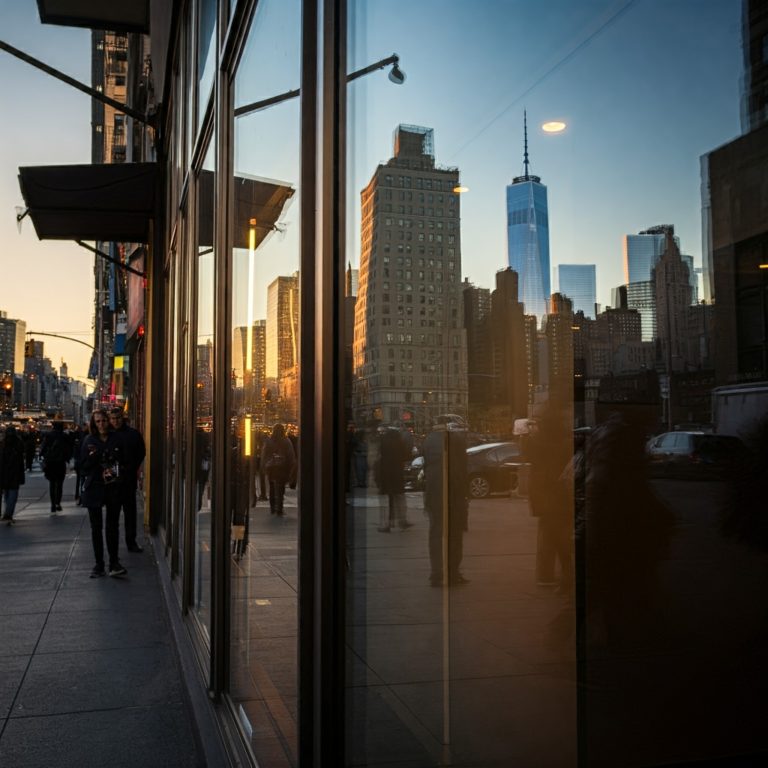
Hail Corridor
Central markets affected by large and repeated hail events.
Key Metros: Denver, Oklahoma City, Minneapolis
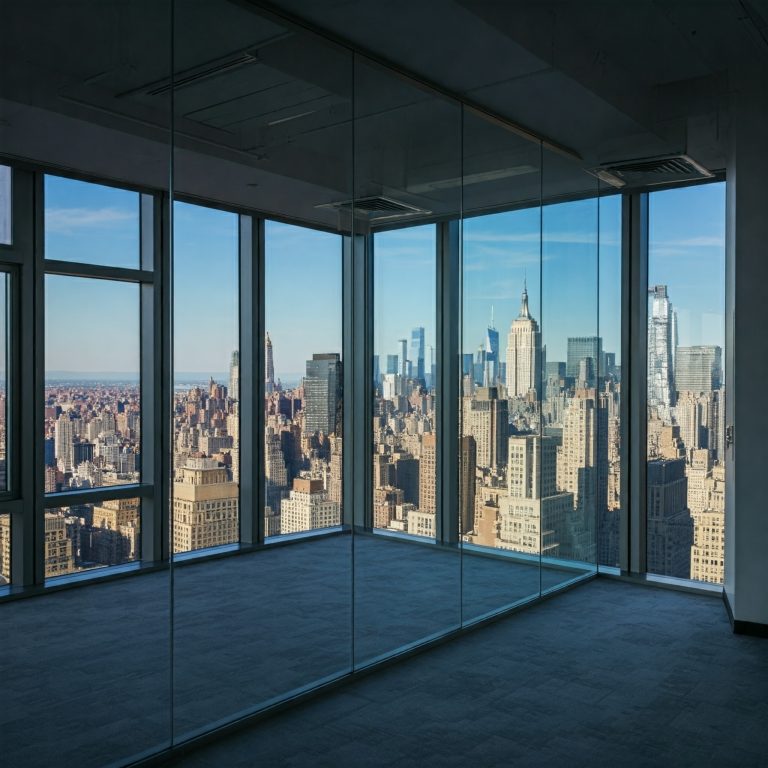
High Wind Markets
Urban hubs experiencing strong, year-round structural wind loads.
Key Metros: Chicago, Boston, New York City, Seattle, San Francisco
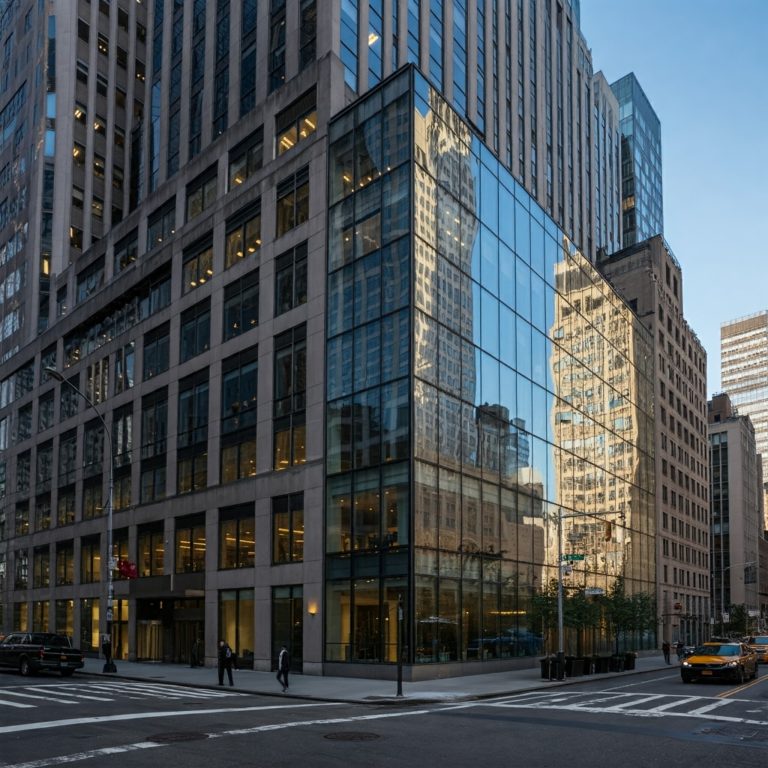
Freeze-Thaw Markets
Regions with intense thermal expansion and contraction cycles.
Key Metros: Minneapolis, Denver, Chicago, Salt Lake City, Detroit
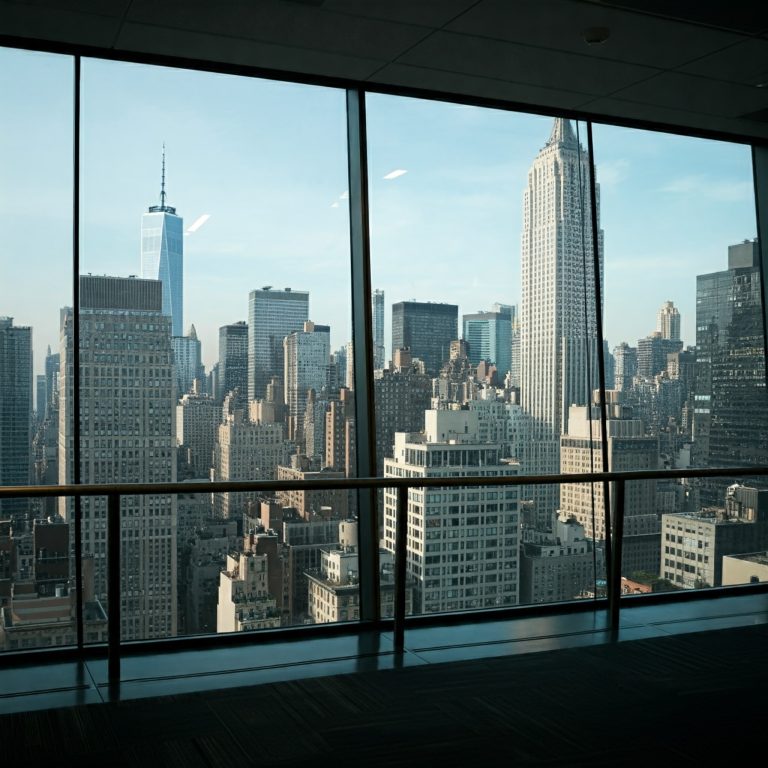
Heat Exposure Markets
Markets with high UV and solar heat gain requiring advanced glazing.
Key Metros: Phoenix, Las Vegas, Austin
Hurricane & Hail Rankings
Comparing top-tier metropolitan markets based on their historical vulnerability and structural exposure to extreme coastal storms and severe hail events.
Hurricane Rankings
Hurricanes represent one of the most demanding tests for commercial storefront systems. Extreme winds, flying debris, and driving rain require advanced engineering.
Tier One Hurricane Markets
- Miami
- Tampa
- New Orleans
- Jacksonville
Tier Two Hurricane Markets
- Charleston
- Mobile
- Orlando
- Fort Lauderdale
System Priorities: Impact-resistant glass, reinforced framing, advanced anchoring systems, and enhanced weather resistance.
Hail Rankings
Hail damage affects thousands of commercial properties every year. The following markets consistently experience significant hail activity, necessitating robust facade protection.
Tier One Hail Markets
- Denver
- Oklahoma City
- Kansas City
- Minneapolis
Tier Two Hail Markets
- Omaha
- Wichita
- Colorado Springs
- Tulsa
Ownership Impact: Repeated storm exposure often influences replacement schedules, maintenance planning, and modernization strategies.
Wind & Thermal Stress Rankings
Analyzing urban markets exposed to severe wind forces and intense thermal fluctuations that place persistent physical demands on storefront systems.
Wind Rankings
Persistent wind loads can place constant pressure on commercial structures. This is especially true for buildings in high-density downtown districts and high-altitude areas.
Tier One Wind Markets
- Chicago
- Boston
- New York City
- Seattle
- San Francisco
Tier Two Wind Markets
- Philadelphia
- Portland
- Baltimore
- Washington DC
- Cleveland
System Priorities: Heavy-duty framing profiles, high-load structural silicone glazing (SSG), and robust perimeter sealants.
Thermal Stress Rankings
Extreme temperature swings and intense UV exposure create significant expansion, contraction, and energy challenges for commercial building envelopes.
Top Freeze-Thaw Markets
Tier One: Minneapolis, Denver, Chicago, Buffalo, Milwaukee
Tier Two: Salt Lake City, Detroit, Cleveland, Pittsburgh, Green Bay
Top Heat Exposure Markets
Tier One: Phoenix, Las Vegas, Dallas, Houston, Austin
Tier Two: San Antonio, Orlando, Tampa, Riverside, Fresno
System Priorities: Thermally broken framing, dual-pane IGUs, advanced Low-E coatings, and high-movement expansion joints.
Commercial Glass Stress Markets
Some cities face multiple environmental challenges simultaneously. These locations experience overlapping conditions that increase overall stress on storefront glass and building envelope performance.
America’s Highest Commercial Glass Stress Markets
1. Miami • 2. Houston • 3. Denver • 4. Dallas • 5. Chicago
6. Minneapolis • 7. New Orleans • 8. Phoenix • 9. Tampa • 10. New York City
These markets combine various levels of wind exposure, hail activity, hurricane risk, temperature extremes, environmental wear, and building performance demands.