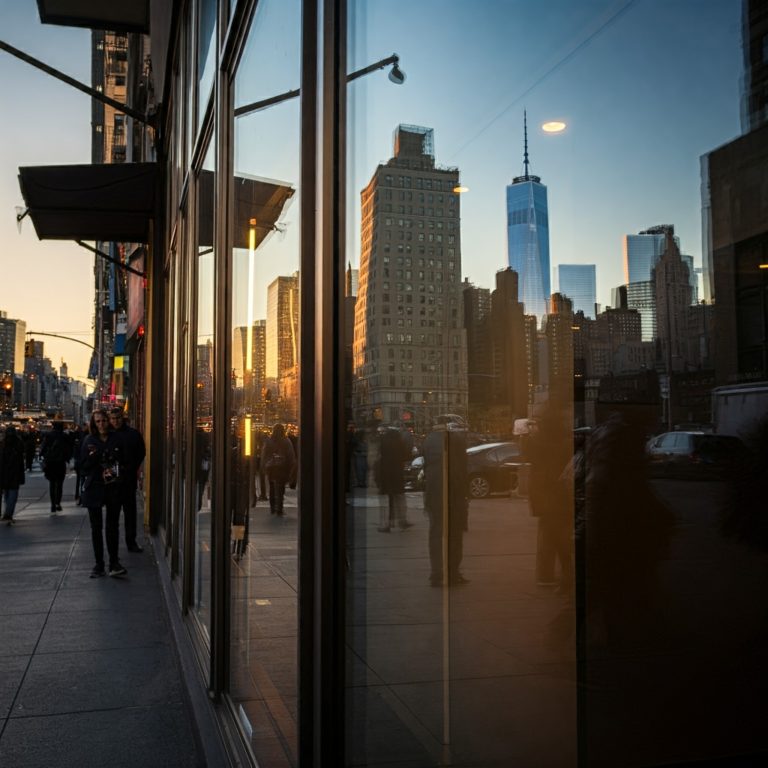
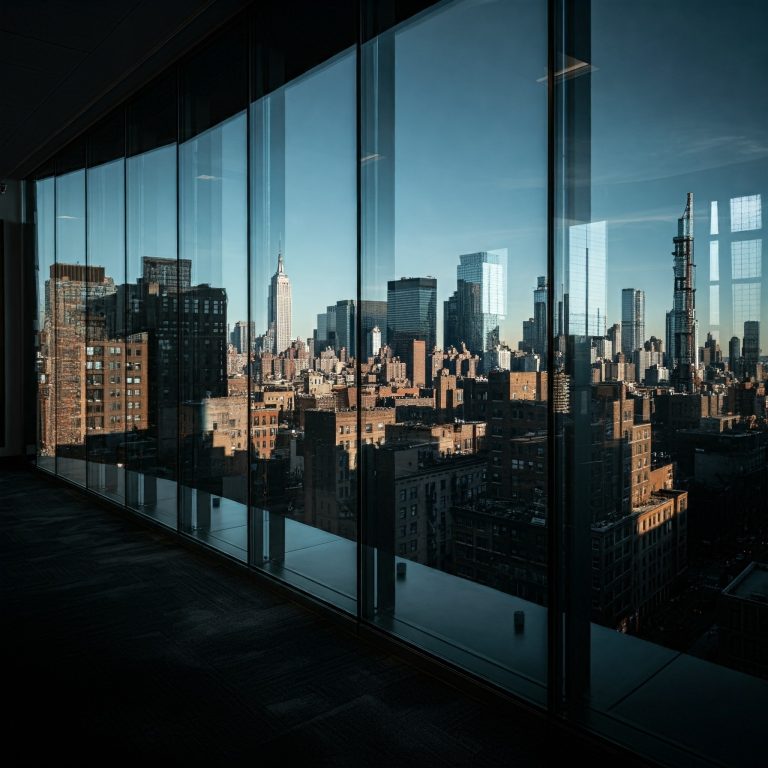
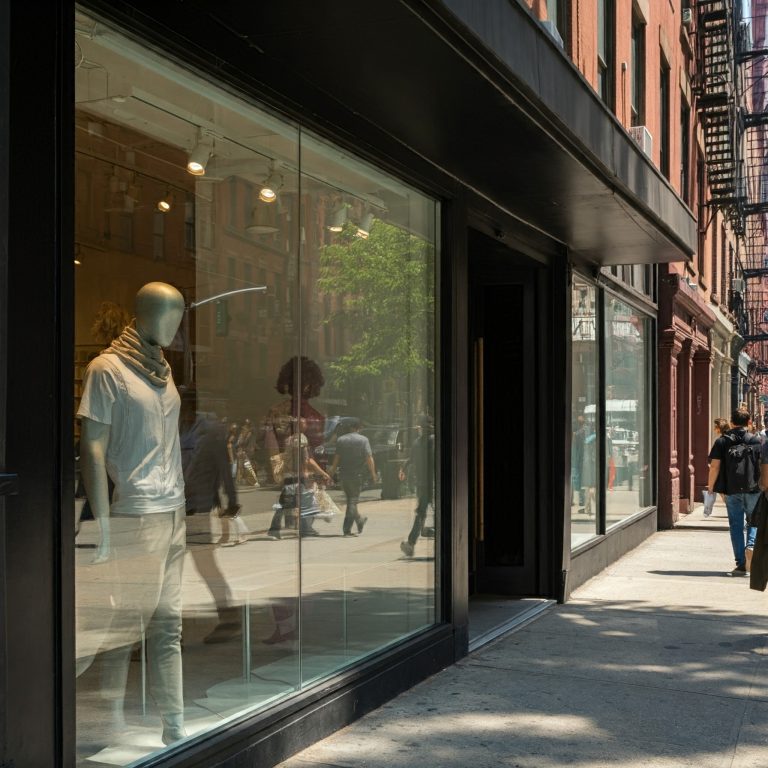
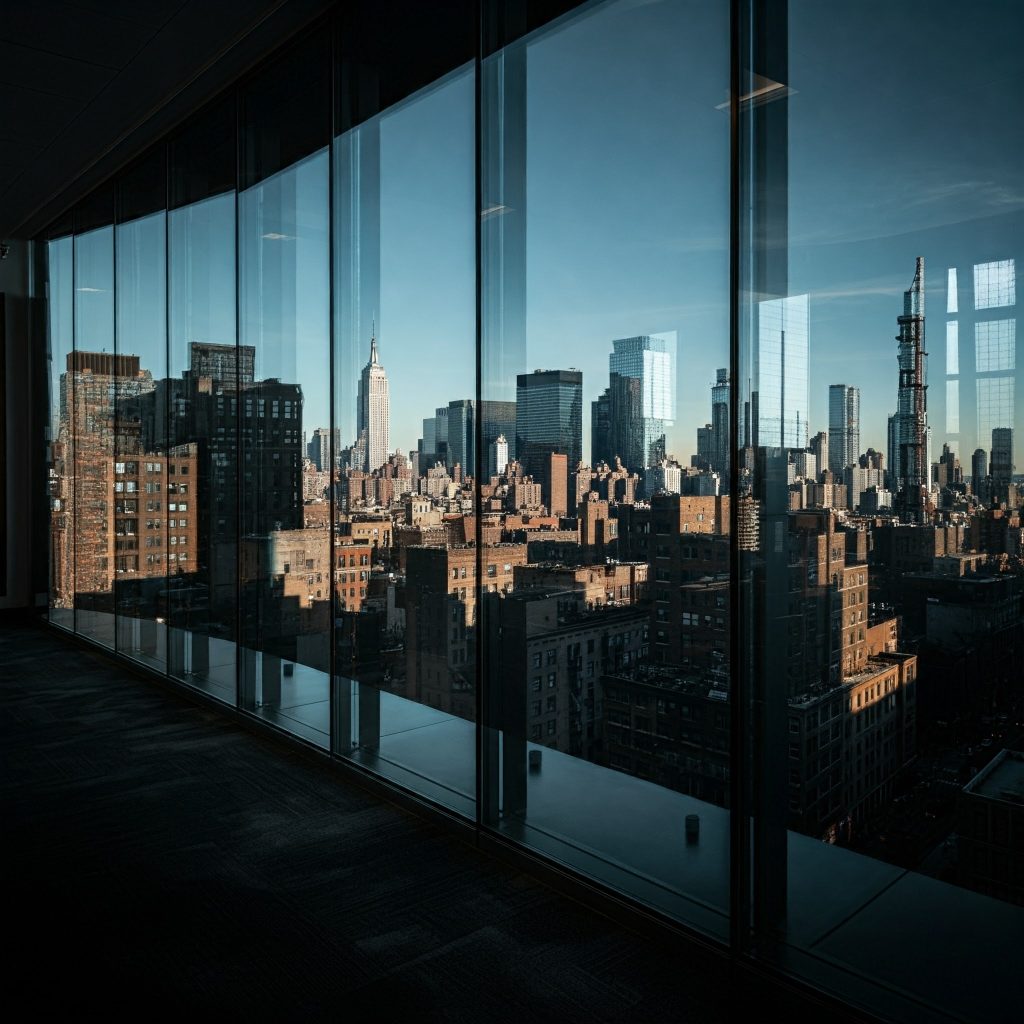
Commercial storefront glass is shaped by more than architecture alone. Population growth influences development activity. Economic expansion drives construction. Climate affects building performance. Local design preferences impact material selection. Urban density creates different challenges than suburban growth corridors.
Commercial storefront glass exists within larger economic ecosystems. Construction activity, redevelopment projects, tenant demand, property values, and urban growth all influence how buildings are designed and maintained. Major markets often establish trends that spread throughout the rest of the country.
Those trends can affect:
Storefront design and branding
Building modernization and retrofits
Material selection and glazing types
Energy efficiency and thermal priorities
Tenant attraction and curb appeal
Commercial development patterns
Property positioning and asset valuation
Long-term capital investment decisions
Studying leading markets provides valuable insight into the future direction of commercial architecture and storefront systems.
Top Tier Commercial Glass Markets
Exploring the five most influential and dense commercial development markets in the United States, driving architectural trends and storefront design standards.
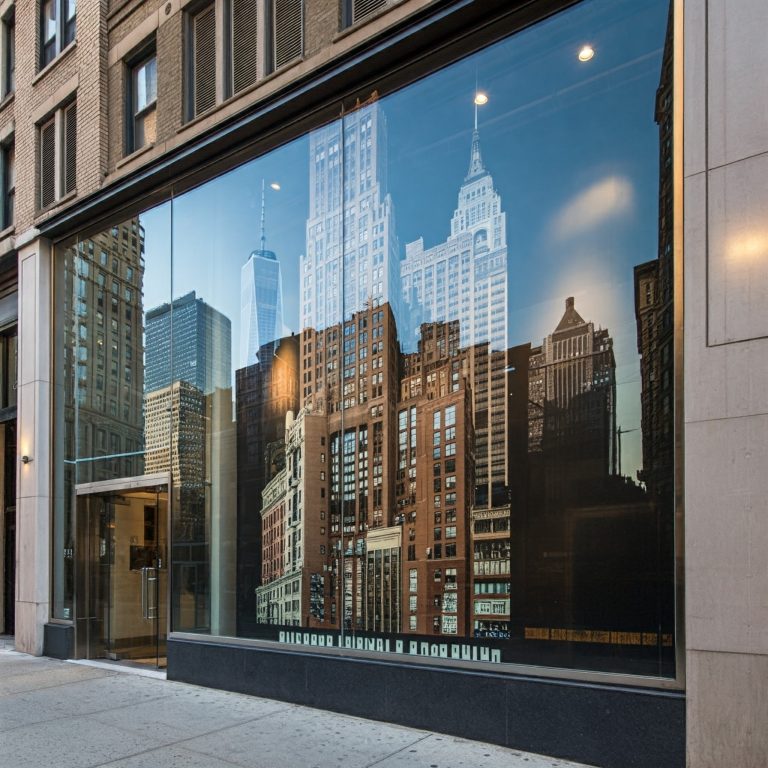
New York City
America’s Most Influential Market High-density retail, finance, corporate HQ, and mixed-use prestiges.
Key Areas: Manhattan, Brooklyn, Queens
Chicago
Architecture and Wind Exposure Integrating historic building structures with modern high-rise density and high wind loads.
Key Areas: The Loop, West Loop, River North
Los Angeles
Visibility, Lifestyle, and Branding Open design layouts emphasizing natural light, customer experience, and retail branding.
Key Areas: Downtown LA, Century City, Santa Monica
San Francisco
Tech, Innovation, and Urban Redevelopment Integrating energy-efficient glazing in dense transit-oriented developments.
Key Areas: Financial District, SoMa, Mission Bay
Mid & Coastal Markets
Analyzing five rapidly expanding metropolitan hubs facing unique environmental demands and commercial growth curves.
Denver
Hail and Mountain Climates Balancing mountain aesthetics with severe hail exposure and freeze-thaw cycles.
Key Areas: Cherry Creek, DTC, RiNo, LoDo
Phoenix
Heat and Desert Growth Extreme sun and temperature exposure driving thermal performance and Low-E glazing.
Key Areas: Downtown Phoenix, Scottsdale, Tempe
Las Vegas
Hospitality and Visual Branding Highly competitive environment prioritizing high-impact visibility and customer experiences.
Commercial storefront glass reflects the character, economics, and climates of the cities where it is installed. Financial centers prioritize architectural prestige, hospitality corridors emphasize visual experience, growth markets focus on rapid modernization, and coastal/mountain regions adapt to severe environmental extremes.
Emerging Commercial Markets to Watch
Atlanta • Charlotte • Nashville • Tampa Orlando • Raleigh • Salt Lake City • Jacksonville • Columbus
As commercial development continues to expand, storefront systems remain critical components in defining local business districts, retail environments, and modern architectural landscapes.