


Energy Efficient Commercial Glass
Understanding Energy Efficient Commercial Glass
Building owners continue searching for ways to improve long-term property performance.
Operating costs influence investment decisions.
Occupant comfort remains important.
Modernization projects often focus on the building envelope.
Because glass occupies a significant portion of many commercial facades, glazing systems frequently become part of broader efficiency strategies.
Energy efficient commercial glass helps support those objectives while maintaining visibility, architectural appeal, and occupant experience.
Across office buildings, retail centers, healthcare facilities, hospitality properties, universities, and mixed-use developments, modern glazing systems play an increasingly important role in commercial property planning.
What Is Energy Efficient Commercial Glass?
Energy efficient commercial glass refers to glazing systems designed to help manage heat transfer, daylight, and interior comfort.
Traditional glazing primarily focuses on visibility.
Modern systems often balance multiple objectives simultaneously.
Building performance becomes a consideration.
Occupant experience influences design decisions.
Architectural goals remain important.
As a result, many commercial projects incorporate advanced glazing technologies as part of larger building envelope strategies.
The Relationship Between Glass And Building Performance
Few exterior building components are as visible as glass.
Large facades create architectural impact.
Natural light enters occupied spaces through glazing systems.
Exterior transparency contributes to customer and tenant experience.
Because of this unique position within the building envelope, glazing frequently influences overall property performance.
Owners often evaluate glass systems as part of broader modernization initiatives focused on long-term value.
Daylighting And Interior Environments
Access to natural light remains a priority in many commercial projects.
Brighter spaces often improve workplace quality.
Retail environments benefit from enhanced visibility.
Public spaces feel more open and inviting.
Healthcare facilities frequently emphasize daylight as part of occupant-focused design strategies.
Modern glazing systems help support these objectives while maintaining architectural flexibility.
Office Building Applications
Workplace expectations continue evolving.
Employee experience influences leasing decisions.
Contemporary office environments often prioritize natural light and exterior views.
Architectural glazing helps create brighter workspaces while contributing to the overall identity of the building.
Many corporate campuses and office developments view modern glass systems as an important part of long-term property improvement strategies.
Retail Property Considerations
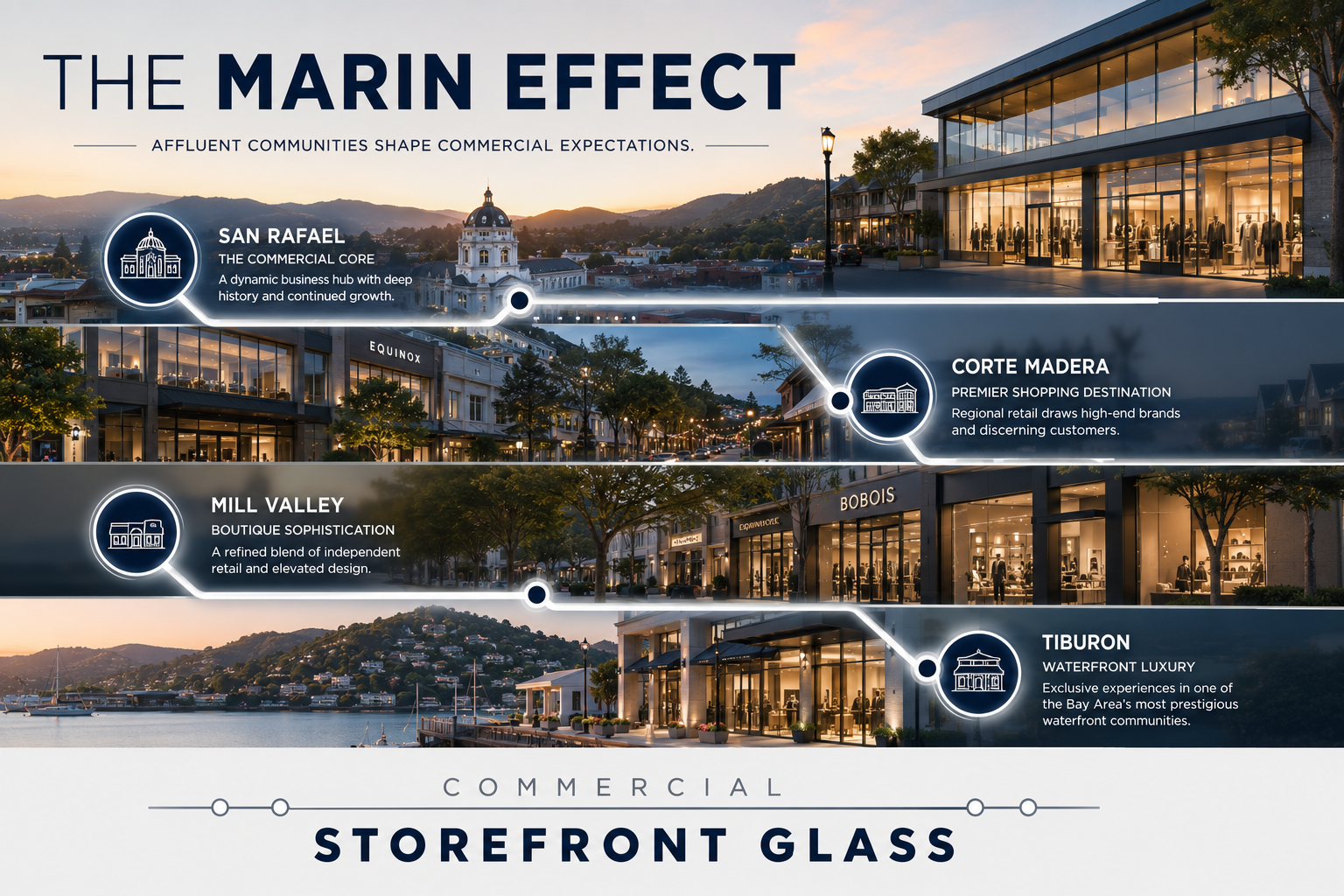
Customer engagement often begins at the storefront.
Visibility remains critical.
Exterior presentation influences perception.
Retail environments depend on inviting public-facing spaces.
Energy efficient glazing allows businesses to maintain transparency while supporting broader building performance goals.
Many shopping centers incorporate upgraded glass systems during renovation and modernization projects.
Healthcare Facility Design
Patient experience continues shaping healthcare architecture.
Comfort matters.
Waiting areas frequently utilize extensive glazing.
Medical office buildings often emphasize welcoming public spaces.
Modern glass systems help support contemporary healthcare environments while contributing to broader facility improvement efforts.
Hospitality And Guest Experience
Hotels compete heavily on presentation and comfort.
Architectural design influences guest perception.
Natural light contributes to public spaces.
Exterior views often enhance the overall experience.
Hospitality properties regularly incorporate advanced glazing systems as part of renovation and redevelopment initiatives designed to remain competitive.
Building Envelope Modernization
Commercial properties rarely remain static.
Ownership groups invest in upgrades.
Tenant expectations continue changing.
Market competition drives improvement efforts.
Because glazing occupies such a prominent position within the building envelope, many modernization projects include updates to existing glass systems.
Exterior improvements often provide immediate visual impact while supporting broader property objectives.
Mixed-Use And Urban Development
Modern mixed-use projects frequently rely on extensive glazing.
Ground-floor retail benefits from transparency.
Office environments prioritize daylight.
Hospitality components emphasize guest experience.
Architectural consistency becomes important across the entire development.
Energy efficient glass systems help support those goals while contributing to a cohesive building design.
Long-Term Property Value
Commercial real estate decisions are rarely made with short-term thinking.
Asset performance influences ownership strategies.
Tenant attraction supports leasing activity.
Modernization helps properties remain competitive.
Because glazing affects both appearance and functionality, energy efficient commercial glass often becomes part of long-term investment planning.
Many owners view envelope improvements as a way to strengthen market positioning while supporting future property performance.
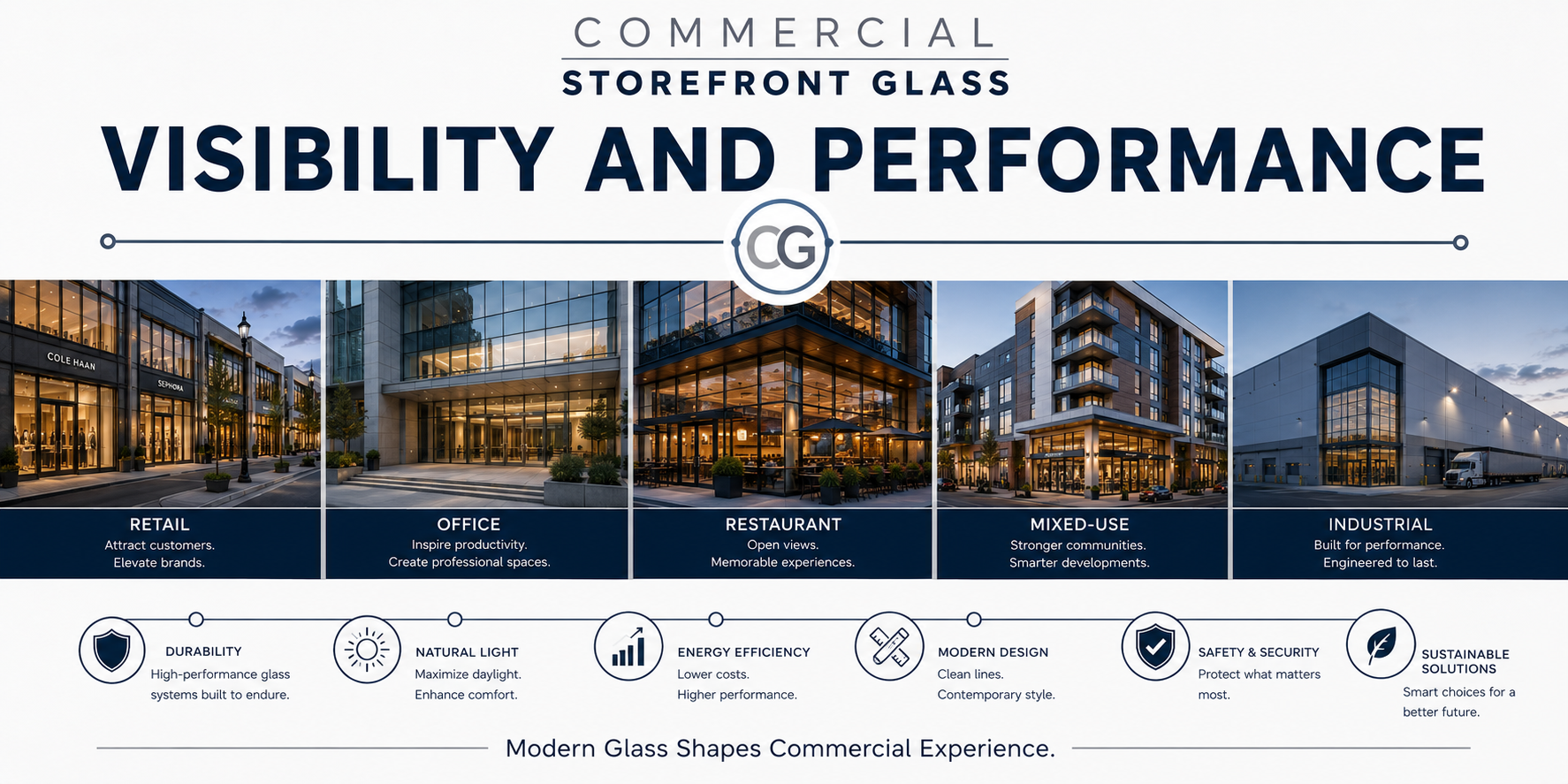
Commercial Properties That Commonly Utilize Energy Efficient Glass
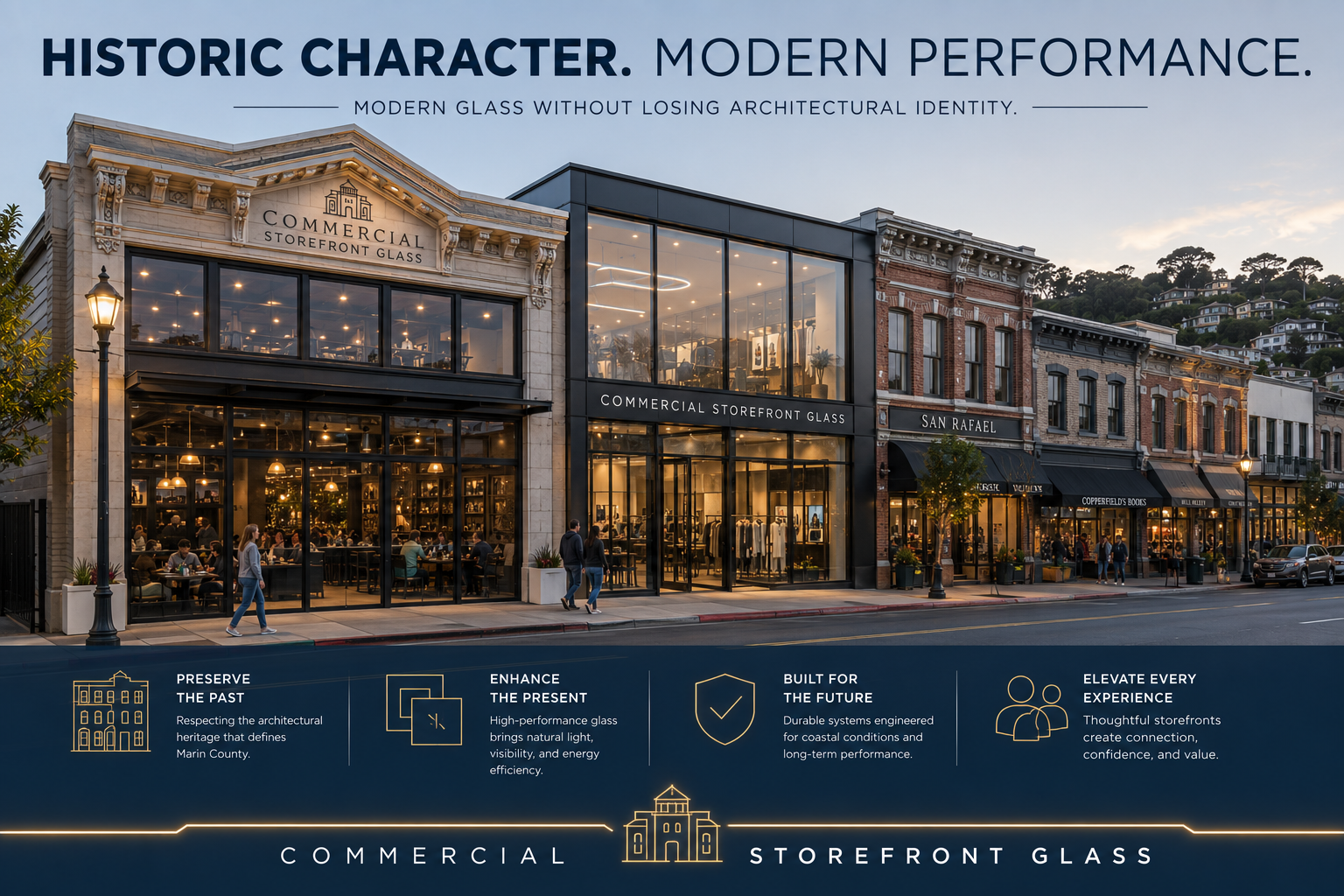
Modern glazing systems appear throughout a wide variety of commercial environments:
- Office Buildings
- Corporate Campuses
- Retail Centers
- Healthcare Facilities
- Hospitality Properties
- Universities
- Airports & Transportation Facilities
- Mixed-Use Developments
- Government Buildings
- Redevelopment Projects
Although each property type has unique objectives, building performance remains a common consideration across all of them.
The Future Of Energy Efficient Commercial Glass
Commercial construction continues evolving.
Architectural expectations remain high.
Occupant experience influences design decisions.
Property owners pursue modernization to remain competitive.
Within that environment, energy efficient commercial glass continues gaining importance throughout the commercial real estate industry.
Whether supporting office environments, enhancing retail visibility, modernizing healthcare facilities, improving hospitality properties, or strengthening mixed-use developments, advanced glazing systems remain a valuable part of the modern commercial building envelope.