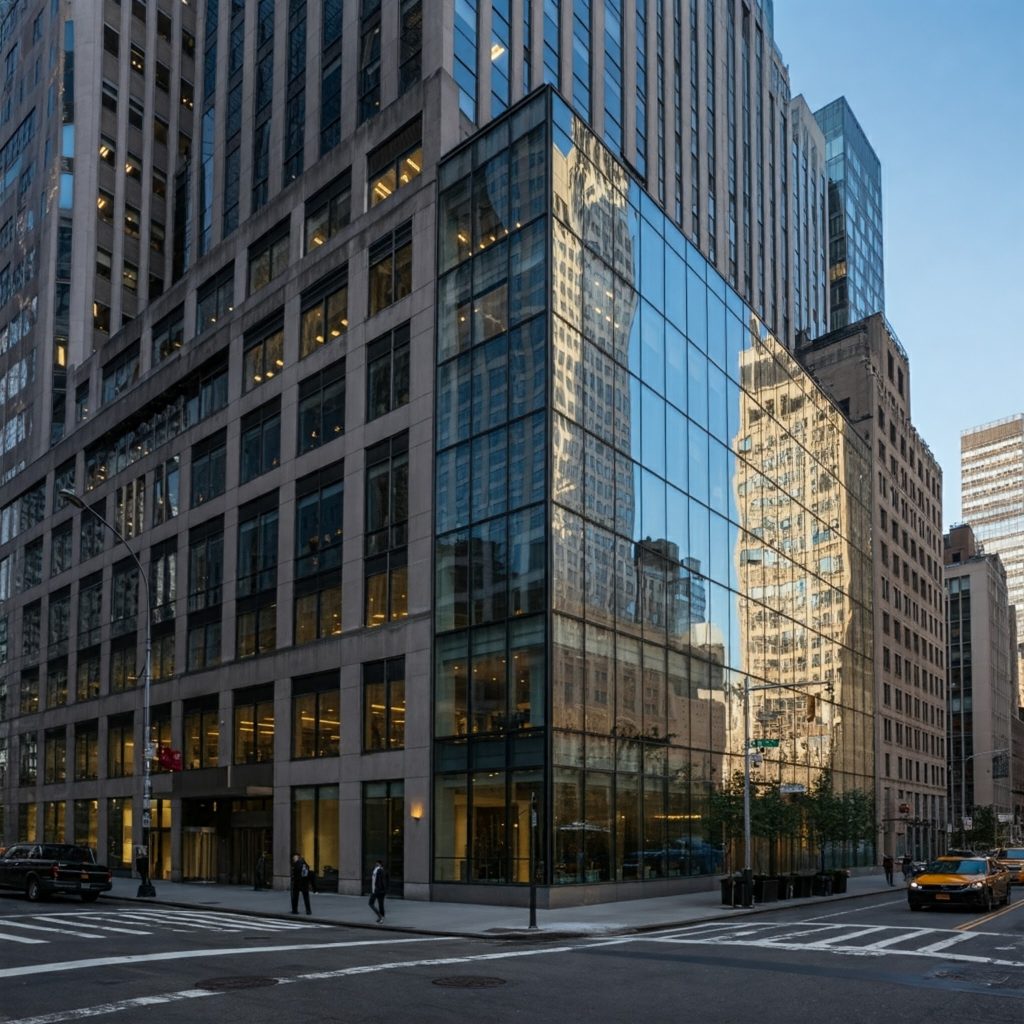



Commercial vs Residential Glass
Understanding Key Differences in Design, Security, Engineering, and Framing Systems
Commercial vs Residential Glass Systems
Glazing systems serve fundamentally different purposes in commercial and residential buildings. While residential windows are primarily designed for occupant comfort, ventilation, and localized views in homes, commercial storefront systems must accommodate massive building openings, structural loads, daily operational wear, and strict local codes.
Understanding the differences in framing, security, glass types, and environment is crucial for architects, developers, and homeowners alike.
Commercial properties rely on heavy-duty extruded aluminum systems that wrap around entire ground levels to handle high traffic and severe weather. Residential installations typically focus on single-pane or double-hung vinyl, wood, or light aluminum frames suited for lower occupant loads and standard environmental conditions.
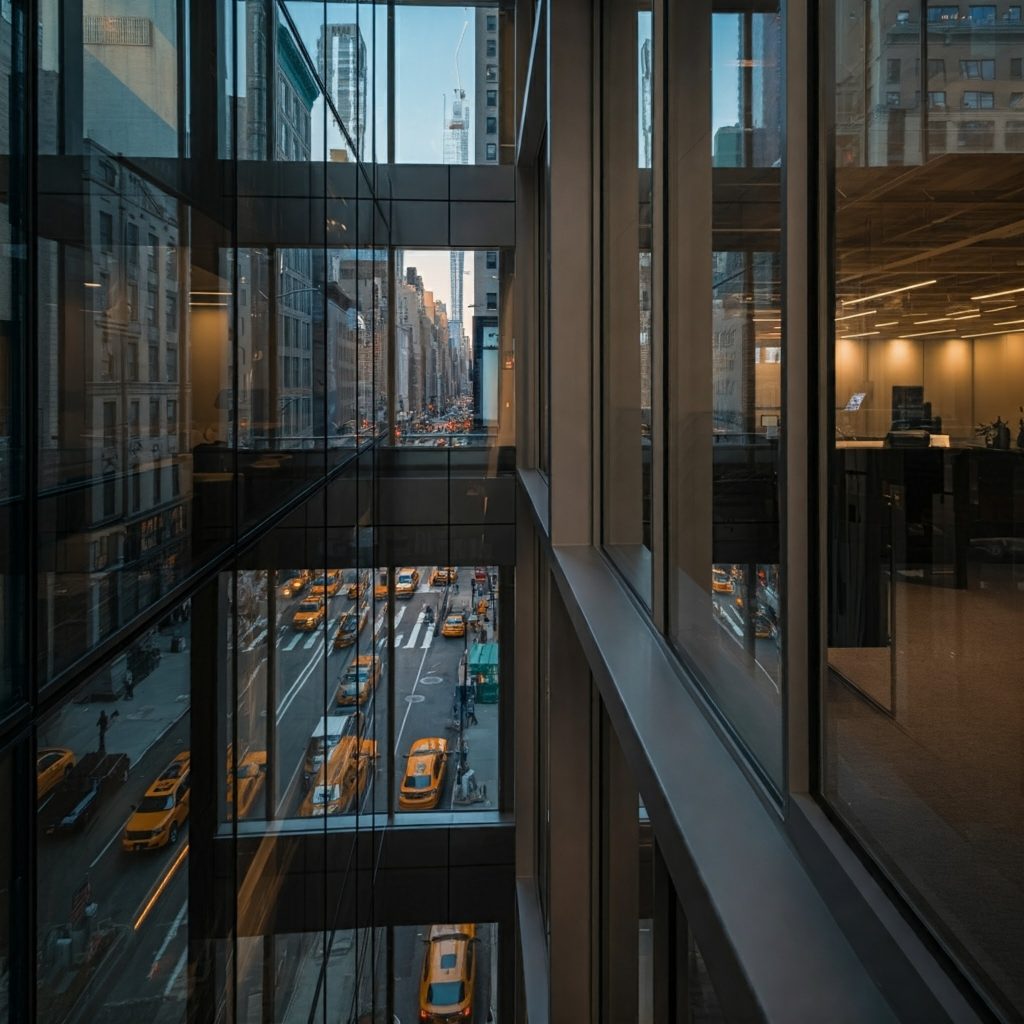
Key Sector Comparisons
Storefront vs Windows
Commercial storefronts are integrated structural systems supporting massive floor-to-ceiling glass spans, whereas residential windows are individual units punctured into small wall openings.
Security Requirements
Commercial spaces require heavy laminated glass and secure multipoint locks to resist break-ins. Residential security typically relies on standard double-pane glass and simple latches.
Retail vs Residential
Retail frontages prioritize transparency and branding to attract walk-in traffic, while residential designs focus on privacy, light controls, and insulation.
Office vs Residential
Office glass installations prioritize glare reduction, safety-glazing codes, and corporate aesthetics, while homes focus on wood/vinyl styles and natural ventilation.
Framing Systems
Commercial framing uses structural, thick extruded aluminum with thermal breaks to handle building movement. Residential framing uses vinyl, wood, or fiberglass.
Practical Decision Making
Choosing between commercial and residential glass architectures depends entirely on your property’s structural type, traffic volume, local zoning rules, and environmental exposure.
Whether you are planning a ground-up commercial build, a retail storefront replacement, or a premium architectural home project, selecting the correct structural glass class is key to longevity and security. Speak with licensed glass contractors to review engineering requirements in your city.