Major Markets
Exploring America’s Leading Commercial Storefront Glass Markets, Development Trends, and Urban Building Environments
Commercial storefront glass is shaped by more than architecture alone.
Population growth influences development activity.
Economic expansion drives construction.
Climate affects building performance.
Local design preferences impact material selection.
Urban density creates different challenges than suburban growth corridors.
Major Markets examines the commercial environments where storefront systems play a significant role in shaping business districts, retail corridors, mixed-use developments, hospitality projects, healthcare facilities, and office buildings throughout the United States.
Every city tells a different story.
Some markets prioritize skyscrapers and financial districts.
Others focus on mixed-use communities and lifestyle centers.
Several regions emphasize modernization, while rapidly growing metros continue to expand into new commercial corridors.
Understanding these differences helps reveal why commercial storefront systems vary from one market to another.
Why Major Markets Matter
Commercial storefront glass exists within larger economic ecosystems.
Construction activity, redevelopment projects, tenant demand, property values, and urban growth all influence how buildings are designed and maintained.
Major markets often establish trends that spread throughout the rest of the country.
Those trends can affect:
- Storefront design
- Building modernization
- Material selection
- Energy efficiency priorities
- Tenant attraction strategies
- Commercial development patterns
- Property positioning
- Long-term investment decisions
Studying leading markets provides valuable insight into the future direction of commercial architecture and storefront systems.
New York City
America’s Most Influential Commercial Glass Market
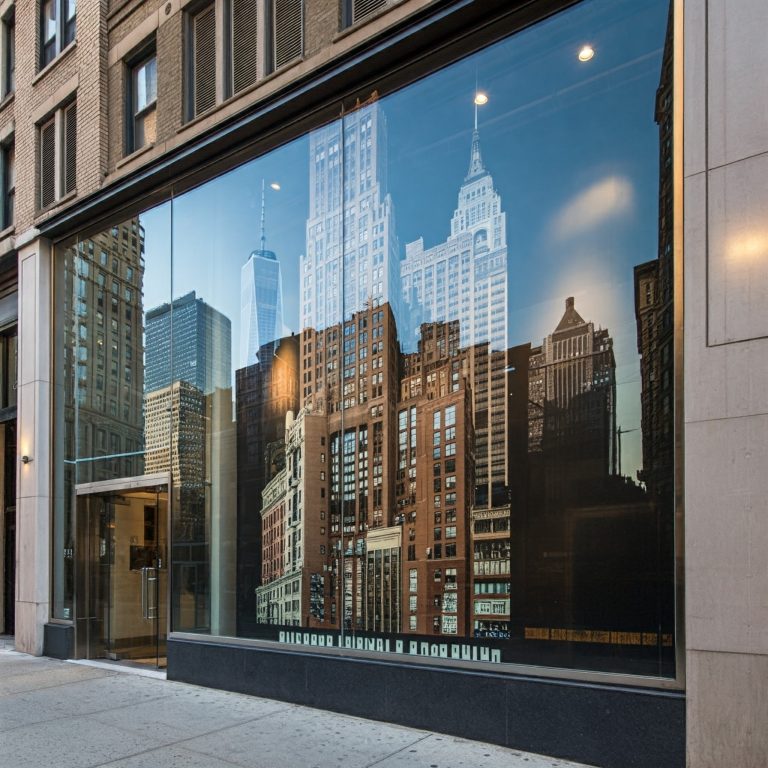
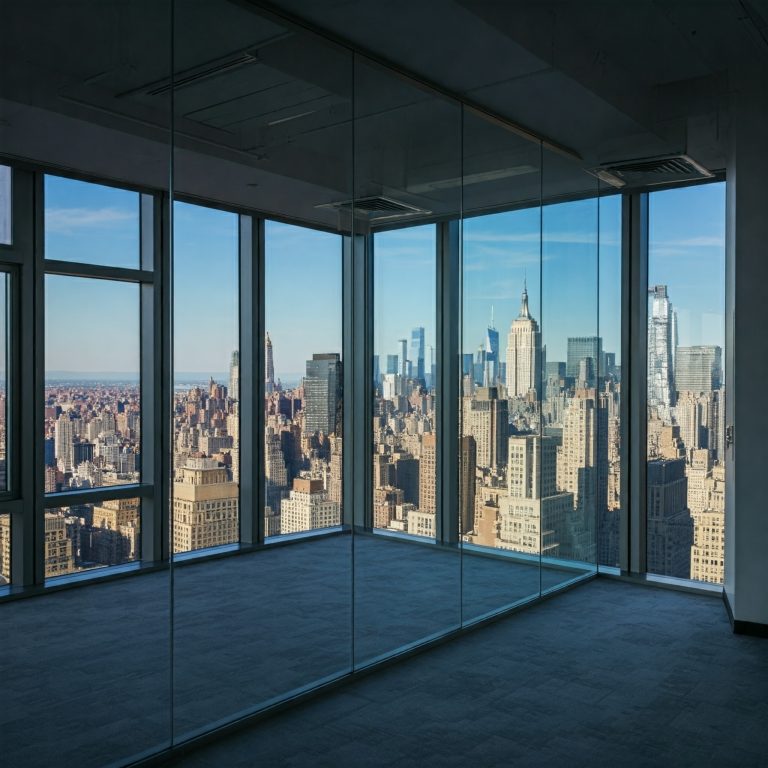
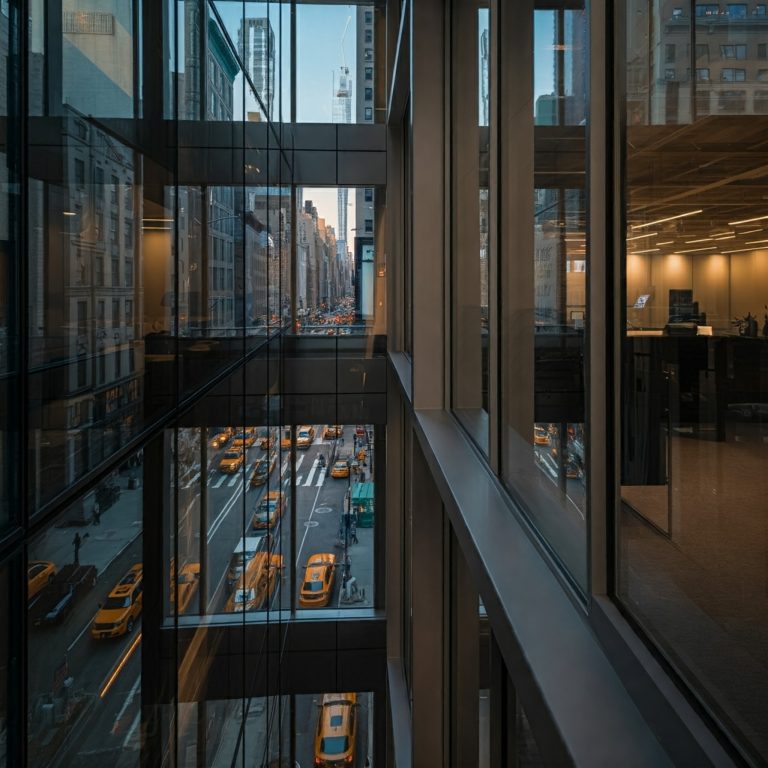
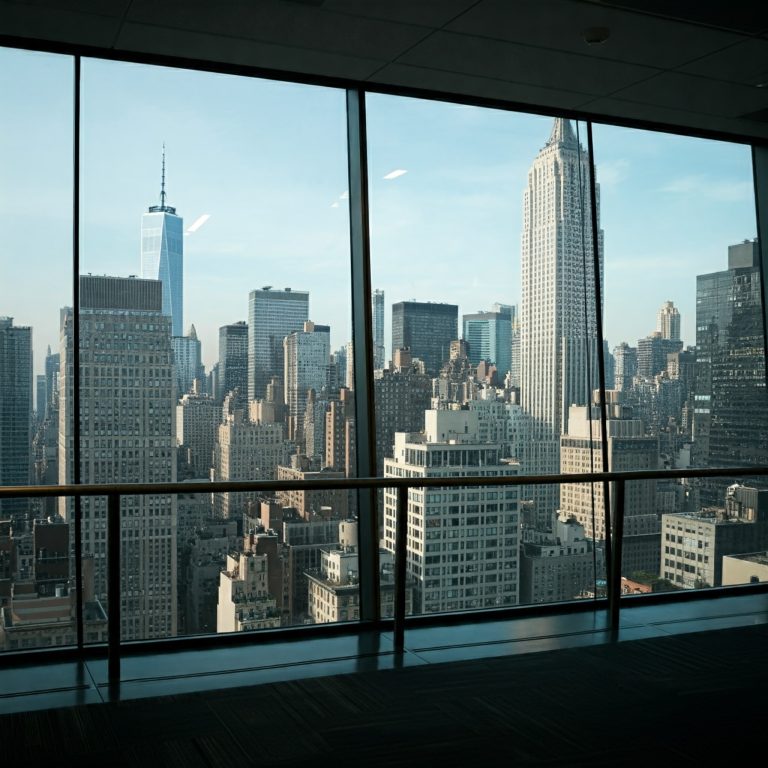
New York City remains one of the most important commercial building environments in the world.
The city combines:
- Financial districts
- Luxury retail corridors
- Hospitality destinations
- Corporate headquarters
- Mixed-use developments
- Healthcare campuses
Storefront systems throughout New York often emphasize:
- Visibility
- Density
- Pedestrian engagement
- Architectural prestige
- Long-term durability
Major districts include:
- Manhattan
- Brooklyn
- Queens
- The Bronx
- Staten Island
Commercial glass trends emerging in New York frequently influence development patterns throughout other major metropolitan markets.
Chicago
Architecture, Density, and Wind Exposure
Chicago has long been recognized as one of America’s premier architectural cities.
Commercial storefront systems face unique challenges due to:
- High-rise development
- Urban density
- Strong wind exposure
- Seasonal temperature changes
- Historic building integration
Key commercial districts include:
- The Loop
- River North
- West Loop
- Magnificent Mile
- Fulton Market
Chicago continues to serve as an important testing ground for commercial design innovation and building modernization.
Los Angeles
Visibility, Lifestyle, and Commercial Branding
Los Angeles presents a very different commercial environment.
Lifestyle-oriented development influences many storefront decisions throughout the region.
Commercial properties often emphasize:
- Open design
- Natural light
- Street visibility
- Hospitality experiences
- Retail engagement
Major commercial districts include:
- Downtown Los Angeles
- Century City
- Santa Monica
- Beverly Hills
- Hollywood
Brand presentation frequently becomes a major factor influencing storefront design throughout Southern California.
San Francisco
Technology, Innovation, and Urban Redevelopment
San Francisco combines historic architecture with modern development.
Commercial storefront systems often support:
- Technology companies
- Mixed-use projects
- Urban redevelopment
- High-density environments
- Transit-oriented districts
Notable areas include:
- Financial District
- South of Market
- Mission Bay
- Union Square
- Embarcadero
Innovation and modernization continue to drive storefront trends throughout the Bay Area.
Dallas
Growth, Development, and Commercial Expansion
Dallas remains one of America’s fastest-growing commercial markets.
Ongoing development activity fuels demand for:
- Office buildings
- Retail centers
- Healthcare facilities
- Mixed-use communities
- Hospitality projects
Important commercial districts include:
- Downtown Dallas
- Uptown
- Legacy West
- Las Colinas
- University Park
Commercial storefront systems throughout Dallas often reflect growth, investment, and modernization.
Houston
Energy, Industry, and Environmental Exposure
Houston combines commercial growth with significant environmental challenges.
Properties frequently navigate:
- Hurricane exposure
- Heat
- Humidity
- Rapid development
- Large-scale commercial construction
Major districts include:
- Downtown Houston
- Energy Corridor
- The Woodlands
- Galleria
- Texas Medical Center
Building performance often becomes a major consideration within this demanding environment.
Denver
Hail Exposure and Mountain Market Dynamics
Denver offers a unique combination of commercial growth and environmental pressure.
Businesses frequently face:
- Hail exposure
- Freeze-thaw cycles
- Intense sunlight
- Rapid population growth
Key commercial areas include:
- Downtown Denver
- Cherry Creek
- Denver Tech Center
- RiNo
- LoDo
Storefront systems in Denver often balance aesthetics, durability, and environmental resilience.
Phoenix
Heat, Growth, and Modern Development
Phoenix continues to experience substantial commercial expansion.
Environmental conditions influence nearly every aspect of building design.
Challenges include:
- Extreme heat
- Intense sunlight
- Energy efficiency demands
- Rapid suburban development
Commercial districts include:
- Downtown Phoenix
- Scottsdale
- Tempe
- Chandler
- Mesa
Thermal performance frequently becomes a central consideration throughout the region.
Las Vegas
Hospitality, Entertainment, and Commercial Visibility
Las Vegas operates within a highly competitive visual environment.
Businesses often prioritize:
- Customer attraction
- Brand visibility
- Modernization
- Hospitality experiences
- High-impact presentation
Important commercial areas include:
- The Strip
- Summerlin
- Downtown Las Vegas
- Henderson
- The Resort Corridor
Storefront systems often play a significant role in creating memorable customer experiences.
Miami
Coastal Development and Hurricane Resilience
Miami combines luxury development with challenging environmental conditions.
Commercial projects often emphasize:
- Hurricane resistance
- Coastal durability
- Luxury presentation
- Hospitality design
- Mixed-use development
Major commercial districts include:
- Brickell
- Downtown Miami
- Wynwood
- Miami Beach
- Coral Gables
Environmental resilience and visual appeal frequently work together throughout South Florida.
Emerging Commercial Markets
Several cities continue to gain importance in the commercial development landscape.
Growing markets include:
- Atlanta
- Charlotte
- Nashville
- Austin
- Tampa
- Orlando
- Raleigh
- Salt Lake City
- Jacksonville
- Columbus
These cities continue attracting investment, population growth, and commercial construction activity.
As development expands, storefront systems become increasingly important components of modern commercial environments.
What Major Markets Reveal
Commercial storefront glass reflects the character of the cities where it is installed.
Financial centers often prioritize prestige.
Hospitality destinations emphasize experience.
Growth markets focus on modernization.
Coastal regions prepare for storms.
Mountain cities adapt to environmental extremes.
Every market faces different challenges and opportunities.
Major Markets explores those differences while examining the trends shaping commercial storefront systems throughout the United States.
Study the cities. Compare the districts. Explore the development patterns. Discover how America’s leading commercial markets continue influencing the future of commercial storefront glass.