







Why Commercial Glass Buyers Research Differently
Understanding The Decision-Making Process Behind Commercial Storefront Glass Projects
Commercial storefront glass occupies a unique position within the construction industry.
A new roof is often evaluated based on protection. Mechanical systems are typically measured by performance. Plumbing infrastructure tends to remain hidden once installation is complete.
Glass operates differently.
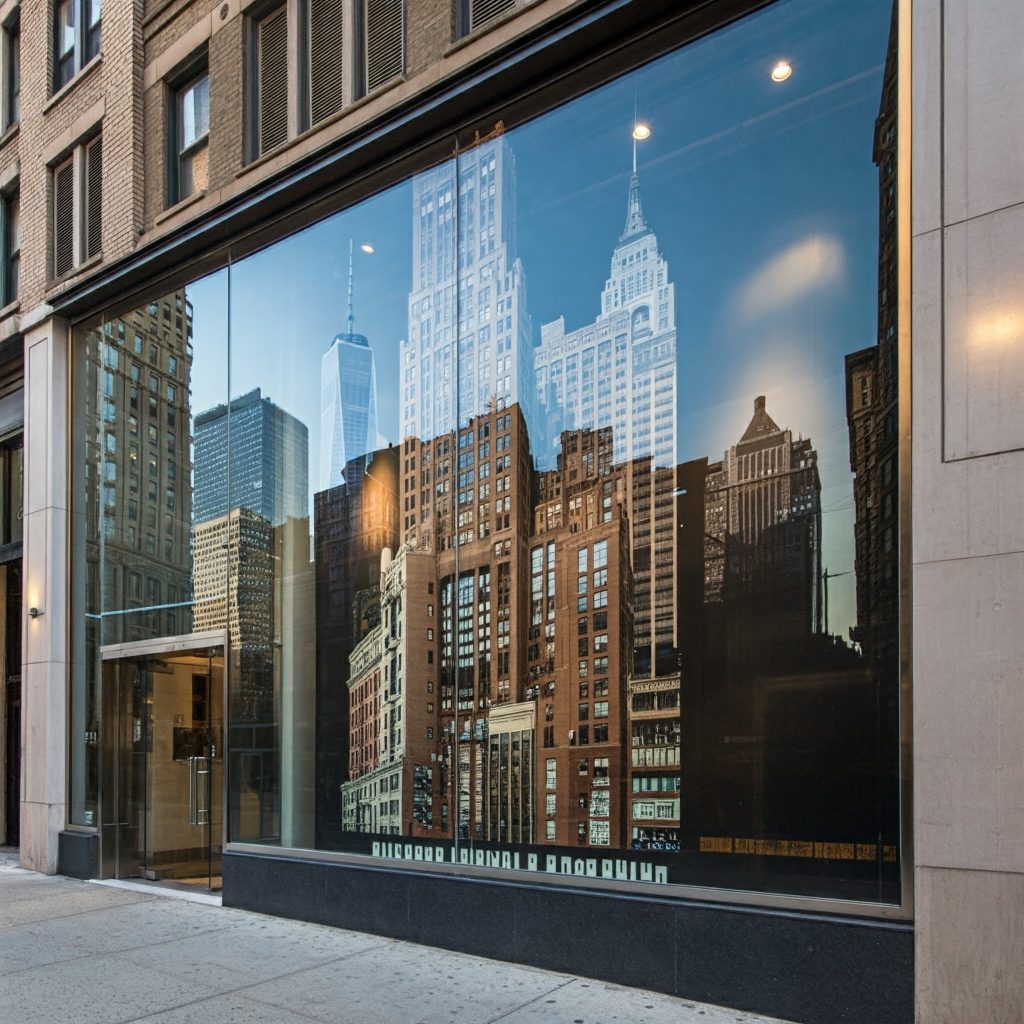
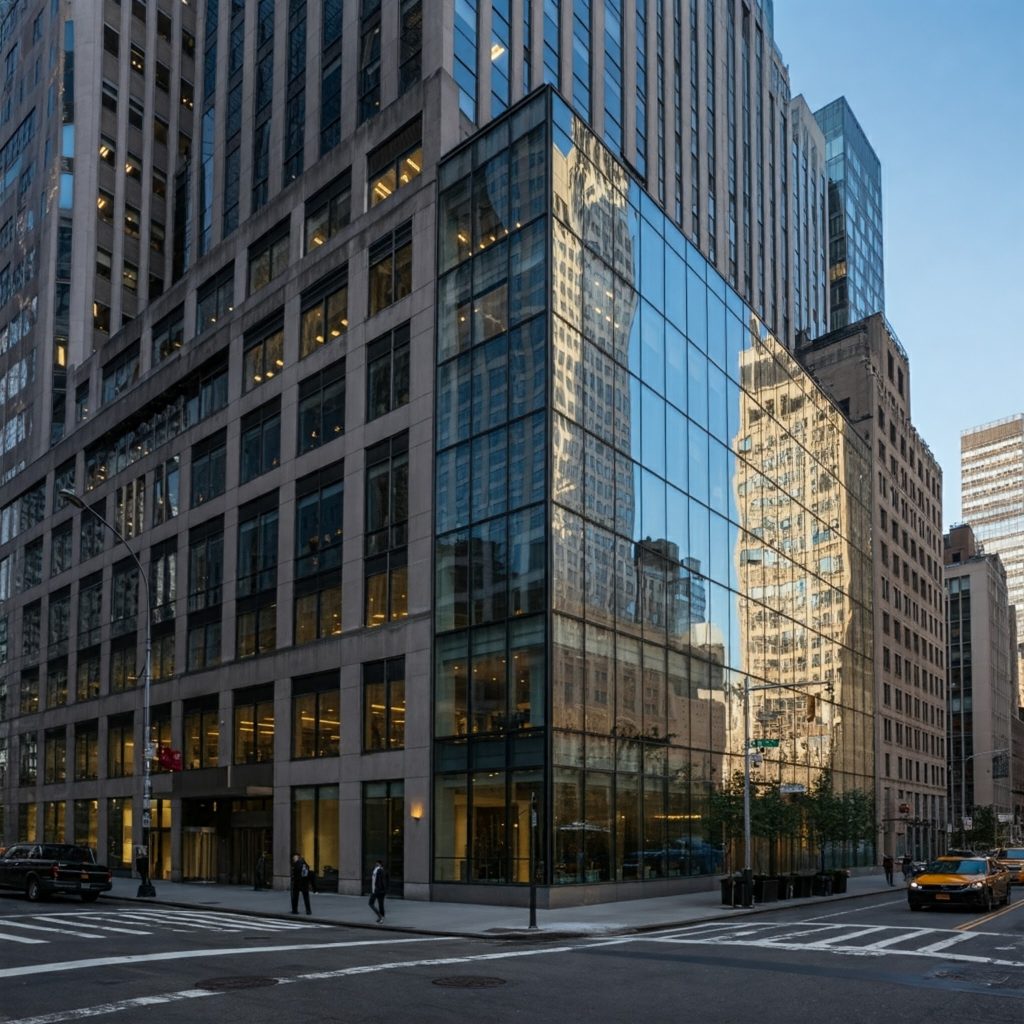
Storefront systems influence how buildings look, how businesses are perceived, how tenants experience a property, and how customers interact with a space. Visibility, security, energy performance, architectural design, and long-term asset value frequently converge in a single decision.
That combination changes how buyers approach research.
Projects involving commercial glass rarely follow the same path as many other contractor services.
A Storefront System Affects More Than The Building Envelope
Few property upgrades are as visible as commercial glass.
Visitors notice storefronts before they experience interiors. Prospective tenants often form opinions before entering a building. Retail customers make judgments from sidewalks, parking lots, and streets.
Appearance becomes part of the business case.
An aging storefront may signal neglect. Updated glazing can contribute to a perception of modernization and investment. Leasing teams, asset managers, and developers understand those dynamics, which helps explain why commercial glass decisions often receive significant scrutiny.
Research naturally expands when a purchase affects both performance and perception.
Multiple Stakeholders Frequently Influence The Outcome
Residential decisions are often made by one household.
Commercial projects rarely operate that way.
A storefront replacement may involve ownership groups, property managers, architects, facility directors, leasing teams, general contractors, and financial decision-makers. Each participant evaluates the project through a different lens.
An architect may prioritize aesthetics and system compatibility. Property management often focuses on maintenance requirements. Ownership groups frequently examine long-term value and capital planning. Leasing teams may be concerned with tenant attraction and occupancy performance.
Consensus requires information.
The presence of multiple stakeholders naturally extends the research process.
Seven buyers, seven ways of researching
A storefront decision rarely belongs to one person. Pick a role to see what that person cares about, the questions they ask and where to start reading.
How a property owner researches commercial glass
- Long-term cost, not just today’s price
- How the storefront affects rent and tenant appeal
- Liability, security and insurance
- Is it cheaper to repair or replace?
- How long will a new storefront last?
- Will this help me lease the space?
How a architect researches commercial glass
- System depth, sightlines and finishes
- Thermal performance and energy code
- Wind loads, safety glazing and accessibility
- Which system meets the energy code here?
- Center-set or front-set?
- What are the lead times for this glass?
How a facility manager researches commercial glass
- Fast response when something breaks
- Doors that keep working under heavy traffic
- Maintenance that prevents surprises
- Who can secure this opening tonight?
- Why does this door keep failing?
- What should we inspect every year?
How a property manager researches commercial glass
- Keeping tenants open during the work
- Approvals, scheduling and clear pricing
- A consistent look across the property
- Can the work be done after hours?
- What does the landlord pay versus the tenant?
- How do we phase a multi-tenant facade?
How a general contractor researches commercial glass
- Reliable lead times and shop drawings
- Coordination with framing, electrical and finishes
- Clean installation and closeout
- When do we need to release glass?
- What openings need to be ready?
- Who handles the storefront permit drawings?
How a developer researches commercial glass
- Facade image that supports leasing and sale
- Cost per square foot and schedule risk
- Systems that meet current and future codes
- Storefront or curtain wall for this building?
- Where can we save without hurting the look?
- Which glass lowers operating costs?
How a insurance and risk researches commercial glass
- Safe, documented emergency response
- Like-for-like or code-required replacement
- Upgrades that reduce repeat claims
- Was the opening secured promptly?
- Does the replacement meet current code?
- Would laminated glass prevent a repeat loss?
Researching a storefront decision? Start with these
The pages buyers use most when comparing options.
Answer three questions and get a recommended path.
Commercial Buyers Are Managing Risk
Every significant construction decision involves uncertainty.
Budget overruns create risk. Installation mistakes create risk. Material failures create risk. Poor vendor selection creates risk.
Commercial glass projects frequently involve high-visibility assets where problems become difficult to ignore. A failed storefront system can simultaneously affect operations, tenant satisfaction, building appearance, and future maintenance costs.
Because the consequences are larger, research tends to become more thorough.
Buyers often spend substantial time evaluating experience, project history, technical capabilities, and system recommendations before moving forward.
The Lowest Price Rarely Ends The Conversation
Many contractor categories become highly price-driven.
Commercial storefront glass often behaves differently.
Large projects frequently require balancing cost against performance, aesthetics, durability, environmental exposure, energy efficiency, and expected lifespan. Decision-makers understand that the least expensive option may not represent the lowest long-term cost.
A property owner evaluating a retail center may focus on tenant retention. Another stakeholder could be more concerned with future maintenance obligations. Somewhere else, a developer may be evaluating how a facade contributes to property positioning in the market.
Price matters.
Context often matters more.
Building Type Changes Research Priorities
A storefront serving a luxury retail district operates under different expectations than one installed at a suburban office building.
Healthcare facilities introduce additional considerations. Hospitality projects create unique demands. Mixed-use developments often require balancing multiple user experiences within the same environment.
Research patterns reflect those differences.
Questions surrounding patient experience rarely appear in retail projects. Tenant attraction may become a major factor in office environments. Visibility and branding often dominate discussions within commercial retail corridors.
Commercial glass buyers research differently because the buildings themselves function differently.
Environmental Conditions Influence Decision-Making
Location plays a larger role than many outsiders realize.
A property manager in Miami may spend considerable time evaluating hurricane resistance. Building owners in Denver often pay close attention to hail exposure. Developers operating in Chicago may focus on wind performance and seasonal temperature fluctuations.
Climate introduces variables that can significantly influence system selection.
Research expands when environmental risks increase. Performance data becomes more important. Long-term durability receives greater attention.
Geography shapes priorities long before construction begins.
Commercial Buyers Are Often Thinking Years Ahead
Consumer purchases frequently focus on immediate needs.
Commercial real estate tends to operate on longer timelines.
A storefront renovation completed today may influence leasing efforts for the next decade. Material choices can affect maintenance budgets for years. Building upgrades often become part of larger asset management strategies that extend well beyond a single project cycle.
Future consequences become part of the evaluation process.
Research reflects that reality.
Questions surrounding lifespan, modernization potential, operational performance, and long-term value often receive as much attention as installation costs.
Information Has Become Easier To Access
Twenty years ago, many buyers relied heavily on direct conversations with vendors.
Today’s decision-makers arrive with significantly more information.
Industry publications, architectural resources, commercial real estate reports, manufacturer documentation, project case studies, and educational websites all contribute to the research process. Valuable insights can be gathered long before a proposal request is submitted.
That shift has changed buyer behavior.
Contractors increasingly enter conversations with prospects who have already formed preliminary opinions about systems, materials, and project approaches.
Expertise Matters More In Complex Industries
Commercial storefront glass involves engineering, design, architecture, building science, energy performance, structural considerations, and environmental exposure.
Complex industries reward expertise.
Decision-makers often look for evidence that a contractor understands more than installation alone. Technical knowledge, project experience, and market understanding frequently influence credibility.
Educational content has become valuable partly because buyers want access to expertise before committing to major investments.
Information reduces uncertainty.
Understanding increases confidence.
Both contribute to better decisions.
Research Reflects The Importance Of The Asset
Commercial storefront systems occupy a highly visible position within the built environment.
Customers interact with them daily. Tenants experience them constantly. Building owners rely on them for performance, appearance, and functionality.
Significant assets tend to generate significant research.
That pattern helps explain why commercial glass buyers behave differently from many other consumers of contractor services. Decisions involve larger budgets, longer timelines, multiple stakeholders, greater visibility, and more complex consequences.
Understanding that reality offers an important lesson for commercial glass companies.
The research process is not an obstacle.
Careful evaluation is simply a reflection of how important the decision has become.