


CA Retail Corridors
Retail Corridors Shape Commercial Activity Across California
Some commercial properties attract customers because of what happens inside.
Retail corridors attract customers because of what happens around them.
Location matters.
Visibility influences performance.
Foot traffic creates opportunity.
Customer behavior often determines success.
Because of these factors, retail corridors remain one of the most important segments of California commercial real estate.
From urban shopping streets and lifestyle centers to suburban commercial districts and mixed-use destinations, retail corridors continue shaping how businesses connect with customers throughout the state.

Visibility Drives Customer Engagement
Retail businesses compete for attention every day.
Customers notice storefronts before entering.
Exterior presentation influences perception.
Street-level exposure supports brand awareness.
As a result, visibility remains one of the most valuable assets within any retail corridor.
Well-positioned businesses often benefit from stronger customer engagement, increased foot traffic, and greater exposure to surrounding activity.
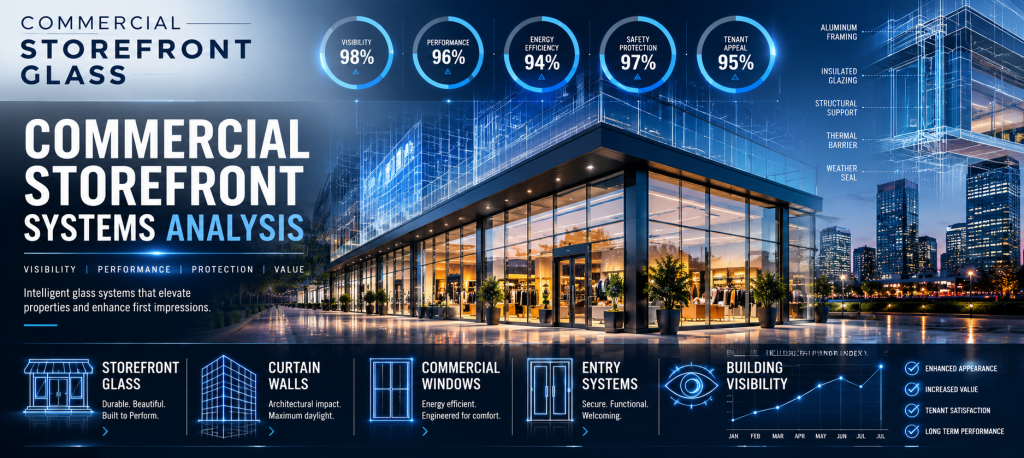
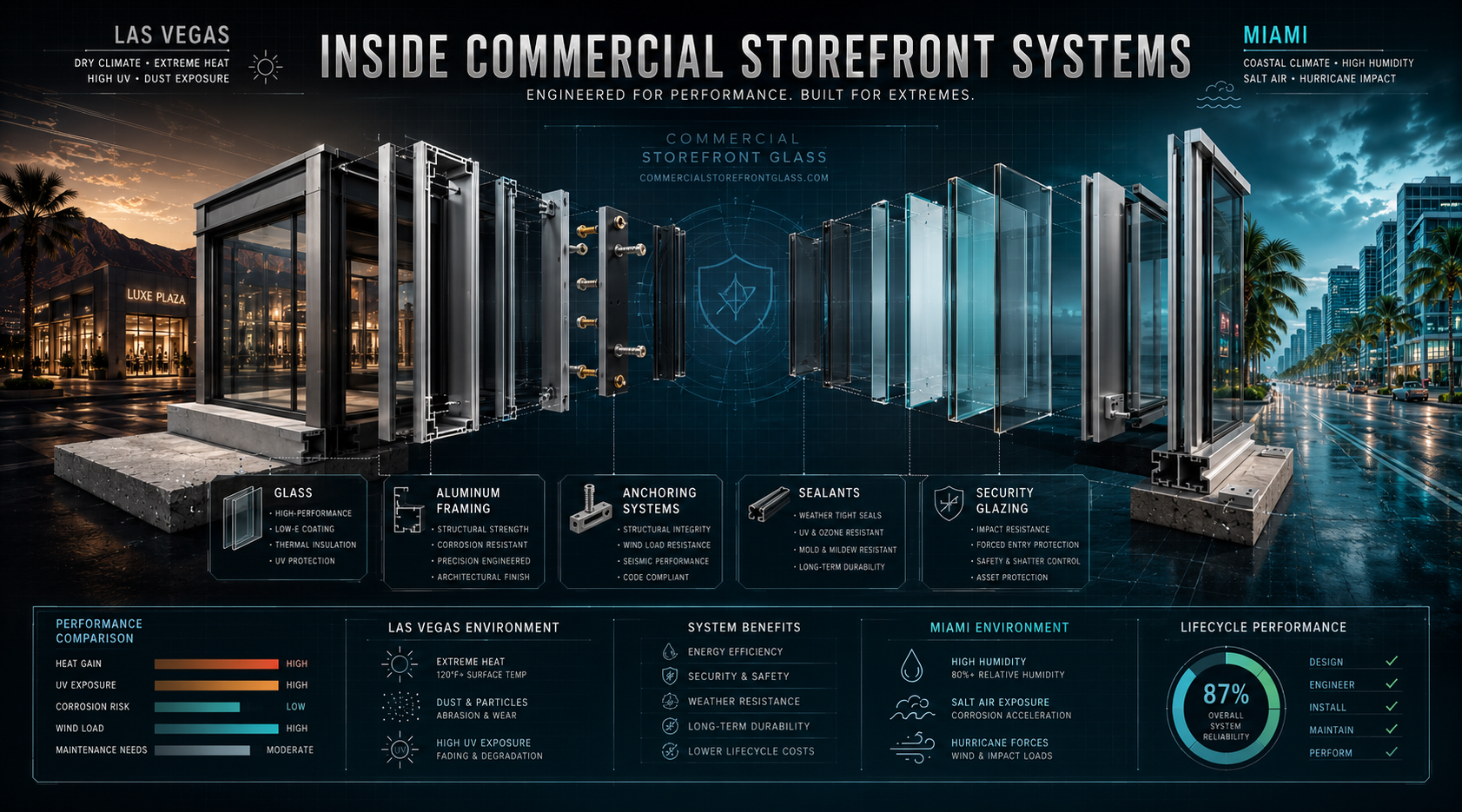
Storefront Systems Influence Performance
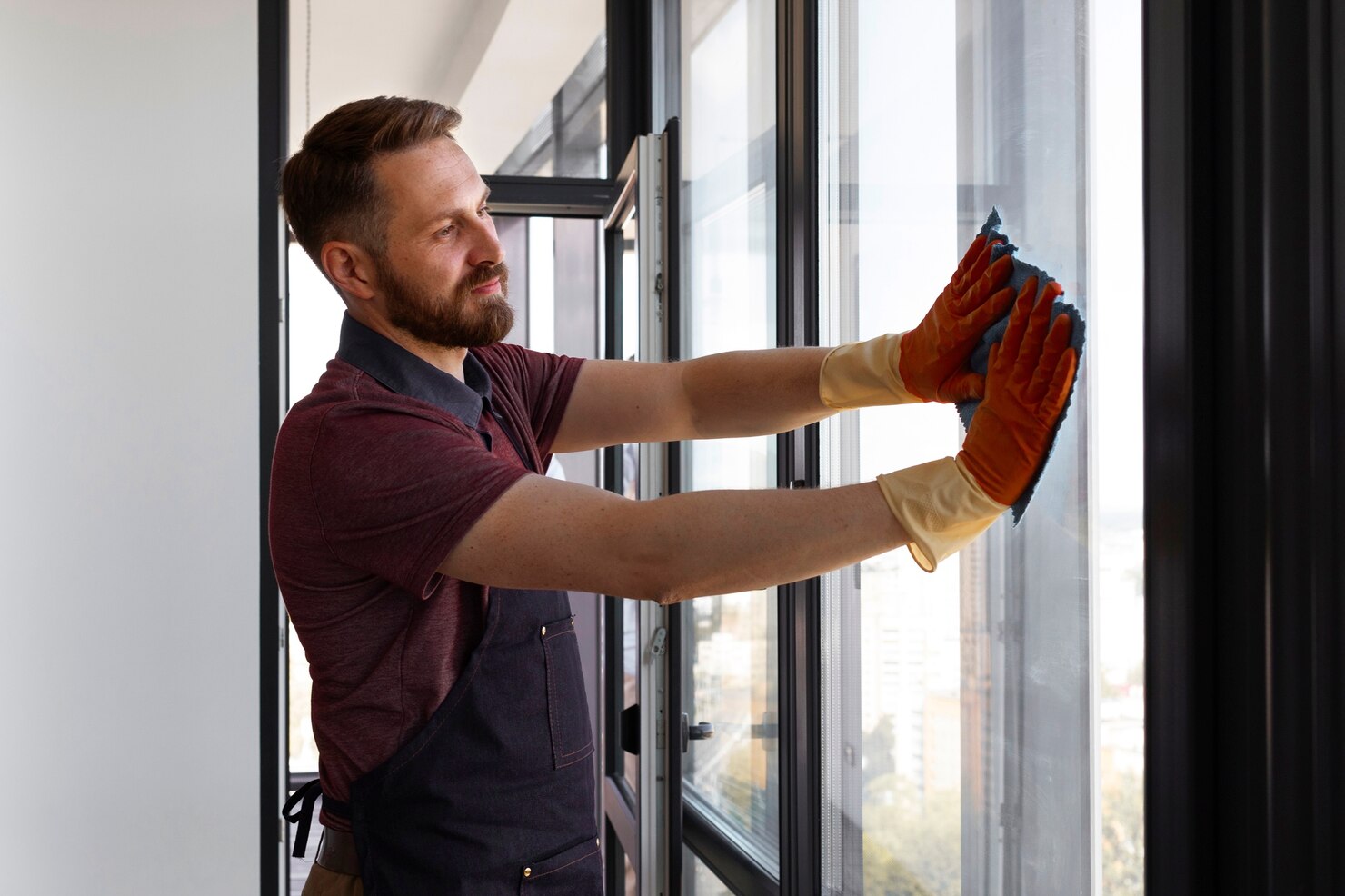
The storefront serves as the public face of the business.
Customers interact with it immediately.
Natural light improves the shopping environment.
Open sightlines help create connections between businesses and the street.
Because storefront systems influence customer experience, they often become one of the most important components of retail property performance.
Many retail improvement projects begin at the storefront.
Retail Corridors Continue Evolving
Consumer expectations change.
Shopping habits shift.
Commercial districts adapt.
Older retail centers frequently pursue modernization efforts designed to remain competitive.
Mixed-use development continues transforming traditional retail environments.
Restaurants, offices, entertainment venues, and residential uses increasingly coexist within the same commercial districts.
This evolution continues reshaping retail real estate throughout California.
Customer Experience Starts Before Entry
Successful retail environments create engagement before customers reach the front door.
Architecture influences perception.
Visibility encourages exploration.
Storefront design shapes first impressions.
Because customer experience begins outside the business, retail corridors often prioritize pedestrian-friendly environments that encourage activity and interaction.
These factors contribute to the long-term success of both individual businesses and the district as a whole.
Shopping Centers Depend On Tenant Visibility
Multi-tenant retail properties operate as interconnected ecosystems.
One successful tenant can benefit neighboring businesses.
Customer traffic influences leasing performance.
Property presentation affects overall perception.
As a result, shopping center owners frequently invest in storefront upgrades, facade improvements, and modernization projects designed to strengthen the performance of the entire property.
Common Retail Property Types
- Shopping Centers
- Lifestyle Centers
- Mixed-Use Developments
- Urban Retail Districts
- Entertainment Corridors
- Neighborhood Retail Centers
- Destination Retail Properties
- Restaurant Districts
- Commercial Main Streets
- Redevelopment Projects
Each environment relies on visibility and customer engagement in different ways.
Restaurants Play A Major Role
Dining establishments often help activate retail environments.
Outdoor seating increases activity.
Visible customer traffic creates energy.
Restaurant storefronts contribute to the overall character of the corridor.
Many successful retail districts rely on restaurants as key components of their tenant mix because they help drive both daytime and evening activity.
This relationship often benefits surrounding businesses as well.
Property Modernization Supports Competitiveness
Retail properties rarely remain unchanged.
Customer expectations evolve.
Tenants seek modern environments.
Competing developments create pressure.
Because of this, modernization remains a common theme throughout California retail real estate.
Common Modernization Objectives
- Improve storefront visibility
- Enhance customer experience
- Support tenant attraction
- Increase leasing competitiveness
- Modernize exterior appearance
- Strengthen long-term value
These goals frequently influence investment decisions across retail properties.
Mixed-Use Development Continues Expanding
Many of California’s most successful retail corridors now incorporate multiple property uses.
Retail activates the ground level.
Restaurants increase pedestrian activity.
Office space creates daytime demand.
Residential units support long-term foot traffic.
This combination often creates more resilient commercial environments while supporting broader community development goals.
Mixed-use projects continue shaping retail corridors throughout the state.
Different Regions Create Different Retail Environments
Retail development varies across California.
Population density influences customer behavior.
Tourism affects certain markets.
Local economies create different opportunities.
Southern California
- Lifestyle centers
- Restaurant districts
- Entertainment corridors
- Tourism-driven retail
- Mixed-use destinations
Bay Area
- Urban retail districts
- Neighborhood commercial corridors
- Mixed-use development
- Technology-driven markets
- Downtown retail environments
Central California
- Community shopping centers
- Regional retail hubs
- Service-oriented commercial districts
- Growing suburban corridors
- Redevelopment projects
Each region contributes unique characteristics to California’s retail landscape.
Long-Term Success Depends On Adaptability
Retail continues changing.
Consumer behavior evolves.
Commercial districts respond.
Properties that adapt often remain competitive longer.
Modern storefront systems, property improvements, and thoughtful redevelopment strategies help support future performance while maintaining relevance within changing markets.
Many ownership groups view retail modernization as a long-term investment rather than a short-term project.
California’s Retail Corridors Continue Driving Commercial Growth
Retail corridors remain among the most visible and dynamic parts of California commercial real estate.
Visibility supports customer engagement.
Storefronts influence perception.
Restaurants create activity.
Mixed-use development drives transformation.
Meanwhile, property owners continue investing in modernization efforts designed to improve competitiveness and strengthen long-term value.
Understanding how customer behavior, retail visibility, property performance, and commercial development intersect helps explain why retail corridors remain such an important part of California’s economy and built environment.