



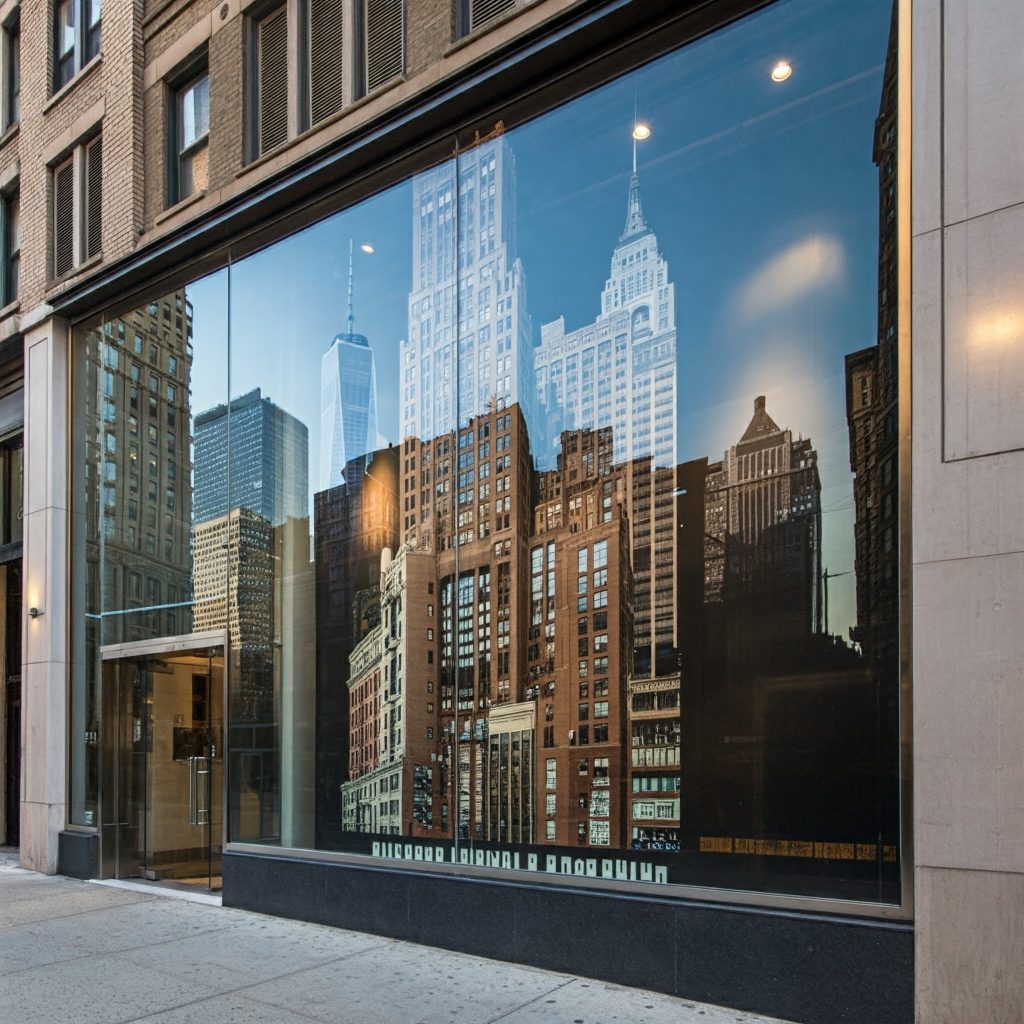


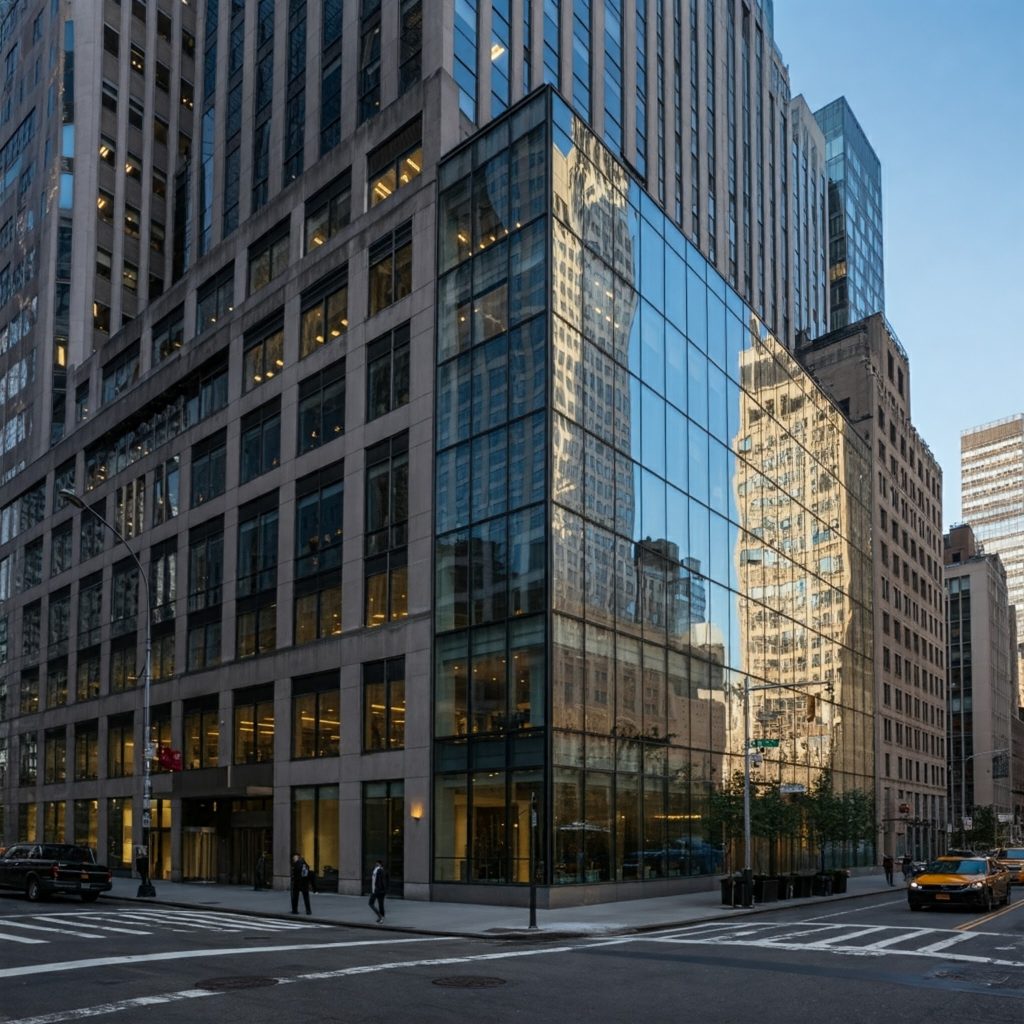

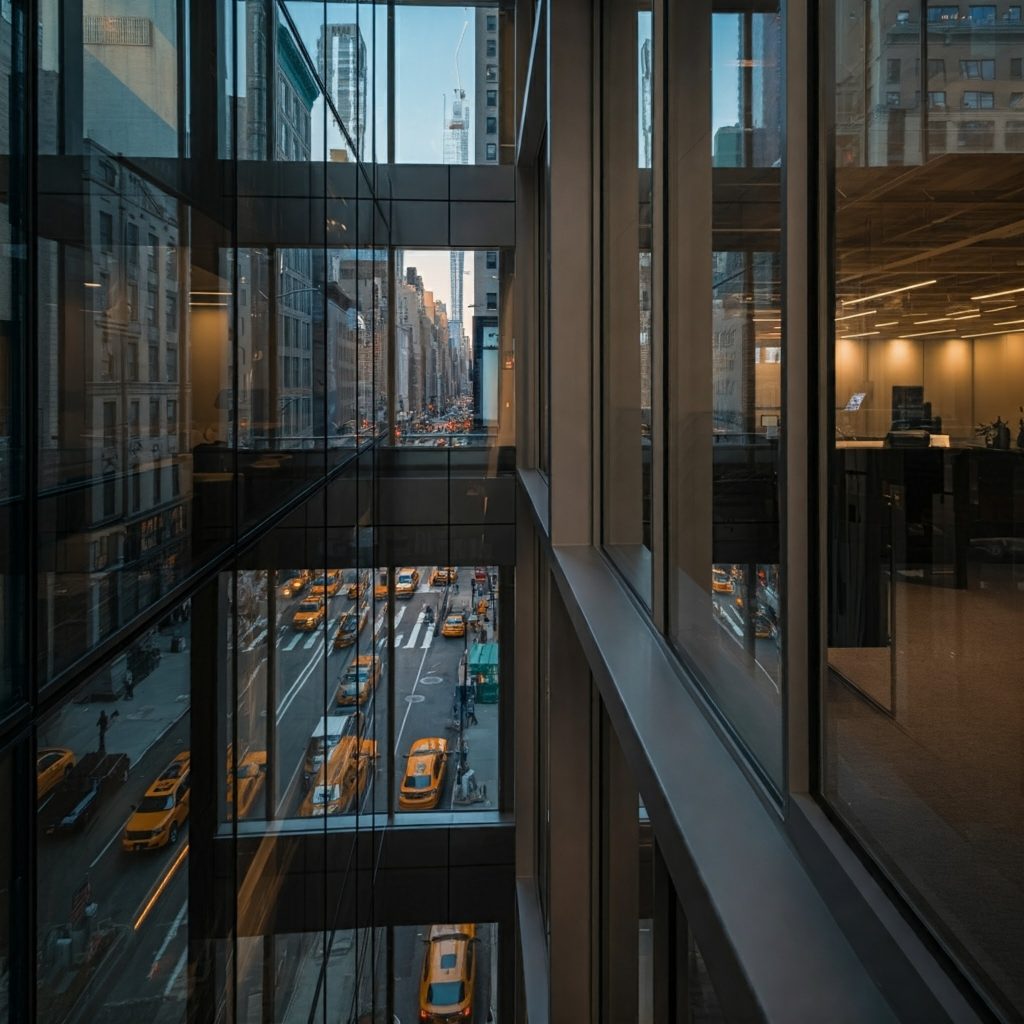


Chicago vs NYC Commercial Glass Marketing
What Two Of America's Most Influential Cities Reveal About Commercial Glass Visibility
New York City and Chicago occupy similar positions in the commercial real estate world.
Both contain iconic skylines. Each market supports massive office inventories. Major developers operate throughout both regions, while architects, property managers, and institutional owners influence billions of dollars in construction activity every year.
Beneath those similarities, however, are meaningful differences that shape how commercial glass companies build visibility and attract attention.
A marketing strategy that performs well in Manhattan may struggle to gain traction in Chicago. Likewise, content designed around Chicago’s development patterns may feel disconnected from the priorities driving projects in New York.
Understanding those distinctions offers valuable insight into how commercial glass marketing changes from one market to another.
Density Changes The Conversation
Few cities in America rival New York in concentration.
Office towers, retail corridors, mixed-use developments, healthcare facilities, hospitality projects, and transportation infrastructure exist within an environment where competition for attention never stops. Property owners are surrounded by alternatives, creating a marketplace where visibility becomes extraordinarily difficult to earn.
Chicago operates at a different scale.
Large developments certainly influence the city, yet the market often feels more approachable than New York’s relentless intensity. Local relationships continue to carry significant weight, while regional reputation can influence opportunities across multiple sectors of the commercial construction industry.
As a result, companies in New York frequently compete for visibility within a global business environment. Firms in Chicago often benefit from a stronger connection between local expertise and regional recognition.
Architecture Shapes Market Identity
Glass marketing rarely exists independently from architecture.
New York’s skyline reflects continuous reinvention. New developments compete alongside historic structures, creating an environment where modernization, prestige, and design innovation remain constant themes. Conversations surrounding commercial glass often intersect with luxury retail, mixed-use development, hospitality, and Class A office construction.
Chicago’s architectural identity follows a different path.
Engineering, structural performance, and design legacy occupy a more prominent role in public perception. Discussions surrounding storefront systems frequently focus on building performance, environmental exposure, and long-term durability rather than on image alone.
Those distinctions influence the type of content likely to resonate within each market.
Environmental Factors Create Different Narratives
Weather influences commercial storefront systems in every city.
Chicago experiences some of the most demanding seasonal conditions in the country. Wind loads, freeze-thaw cycles, temperature fluctuations, and winter exposure pose challenges that property owners must consider when evaluating building systems.
Conditions in New York are less defined by winter extremes and more influenced by density, age, modernization pressure, and urban complexity. Hurricane exposure occasionally enters the conversation, particularly after major coastal events, yet discussions of building performance often focus on modernization, tenant expectations, and long-term asset value.
A company publishing content in Chicago may naturally discuss durability and environmental resilience.
Meanwhile, organizations operating in New York often benefit from covering redevelopment trends, urban modernization, and evolving expectations in commercial property.
Buyer Behavior Is Not Identical
Commercial glass marketing often assumes all buyers think the same way.
Reality suggests otherwise.
Decision-makers in New York frequently navigate layers of consultants, ownership groups, development teams, architects, and project stakeholders. Complex approval processes can extend timelines and increase the amount of research conducted before vendor selection occurs.
Chicago projects may involve similar participants, yet many opportunities remain influenced by established relationships, regional expertise, and reputation within the local construction ecosystem.
Neither approach is better.
Each simply reflects the business culture surrounding the market.
Successful marketing aligns with those realities rather than assuming every city follows the same path.
Visibility Means Different Things In Different Cities
A commercial glass company can become highly visible in Chicago without becoming nationally recognized.
Strong relationships, local authority, and consistent project execution often create significant market influence. Industry reputation may travel quickly within a concentrated network of developers, architects, contractors, and property managers.
New York presents a different challenge.
Thousands of businesses compete for attention across virtually every commercial category. Visibility often requires broader industry participation, larger content footprints, and greater differentiation simply to stand out from surrounding noise.
For that reason, marketing success may look entirely different depending on the market being evaluated.
Content Opportunities Reflect Local Conditions
Commercial glass companies frequently overlook one of the most valuable aspects of content creation: local relevance.
Chicago provides opportunities to discuss:
- Wind exposure
- Building performance
- Historic renovations
- Urban redevelopment
- Freeze-thaw impacts
- Architectural preservation
New York naturally lends itself to topics such as:
- Mixed-use development
- Retail modernization
- Tenant attraction
- Urban density
- Hospitality growth
- High-profile redevelopment projects
Neither city requires generic content about commercial storefront glass.
Each market generates its own collection of stories, challenges, and trends that can support years of industry-focused publishing.
Market Maturity Influences Competition
Commercial glass companies entering New York often encounter a crowded environment where established firms have spent decades building relationships and brand recognition.
Breaking through that landscape requires more than visibility alone. Market participants frequently evaluate reputation, experience, project history, and perceived expertise before considering new vendors.
Chicago presents competition as well, yet opportunities for differentiation can emerge through specialization, regional authority, and thought leadership tied to local market conditions.
Businesses that understand the maturity of their market tend to make better decisions regarding content, positioning, and long-term visibility strategies.
The Same Industry, Two Different Stories
At first glance, New York City and Chicago appear remarkably similar.
Both support major commercial developments. Each contains world-class architecture. Large property owners operate throughout both regions, while storefront systems remain a visible component of the urban environment.
Closer examination reveals important differences.
Density influences buyer behavior. Environmental conditions shape project priorities. Development patterns create unique content opportunities. Local business culture affects how companies establish authority and build recognition.
Commercial glass marketing becomes far more effective when those distinctions are acknowledged.
Cities may share industries.
Markets rarely share identical stories.
Companies willing to understand the differences often discover opportunities that competitors overlook.