

Commercial Storefront Glass

Tempered Glass vs Laminated Glass — Storefront Security And Building Performance

Two Materials. Two Different Priorities.

Tempered glass and laminated glass are among the most common materials used in commercial storefront systems.

Both are considered safety glazing.

Both appear throughout retail centers, office buildings, mixed-use developments, hospitality properties, and commercial corridors.

Despite those similarities, the two materials are designed to perform differently.

One prioritizes strength and controlled breakage.

The other emphasizes retention and security.

As a result, commercial property owners, architects, developers, and facility managers often evaluate each option through the lens of building performance, storefront security, maintenance, and long-term property goals.

Understanding those differences is an important part of selecting the right system for a commercial environment.

Commercial Storefront Glass

Understanding Tempered Glass

Tempered glass undergoes a heat-treatment process that increases strength compared to standard glass.

The result is a product designed to withstand greater impact and stress during normal use.

When breakage occurs, tempered glass typically fractures into small pieces rather than large sharp shards.

Because of this characteristic, tempered glass is commonly used throughout commercial environments where occupant safety remains a priority.

Common Characteristics

  • Increased strength
  • Safety glazing classification
  • Breaks into smaller fragments
  • Widely used in commercial applications
  • Strong visual clarity
  • Popular for entrances and storefronts

Its popularity often stems from balancing performance, appearance, and practicality.
Commercial Storefront Glass

Understanding Laminated Glass

Laminated glass uses multiple layers bonded together by an interlayer.

When damaged, the glass may crack while remaining attached to that inner layer.

Instead of falling away from the opening, the material often remains in place.

That difference significantly influences security considerations.

Because the glazing remains connected after impact, laminated glass is frequently associated with storefront security, risk management, and building protection strategies.

The ability to remain intact after breakage often becomes a key consideration in commercial environments.

Tempered glass focuses on how it breaks. Laminated glass focuses on what happens after it breaks.
Commercial Storefront Glass

Security Considerations

Security requirements vary significantly from property to property.

Retail environments may prioritize protection against forced entry.

Urban storefronts often consider vandalism risks.

High-traffic commercial districts frequently evaluate asset protection strategies.

Under those circumstances, laminated glass often receives attention because it may remain in place after impact.

Tempered glass still provides strength and durability, but once shattered, the opening itself may become exposed.

Security Comparison

Consideration

Tempered Glass

Laminated Glass

Impact strength

Strong

Strong

Break resistance

High

High

Glass retention

Limited

Significant

Security planning

Moderate

Enhanced

Visibility

Excellent

Excellent

Commercial applications

Common

Common

The best choice often depends on the property’s objectives rather than a universal standard.
Commercial Storefront Glass

Building Performance Extends Beyond Security

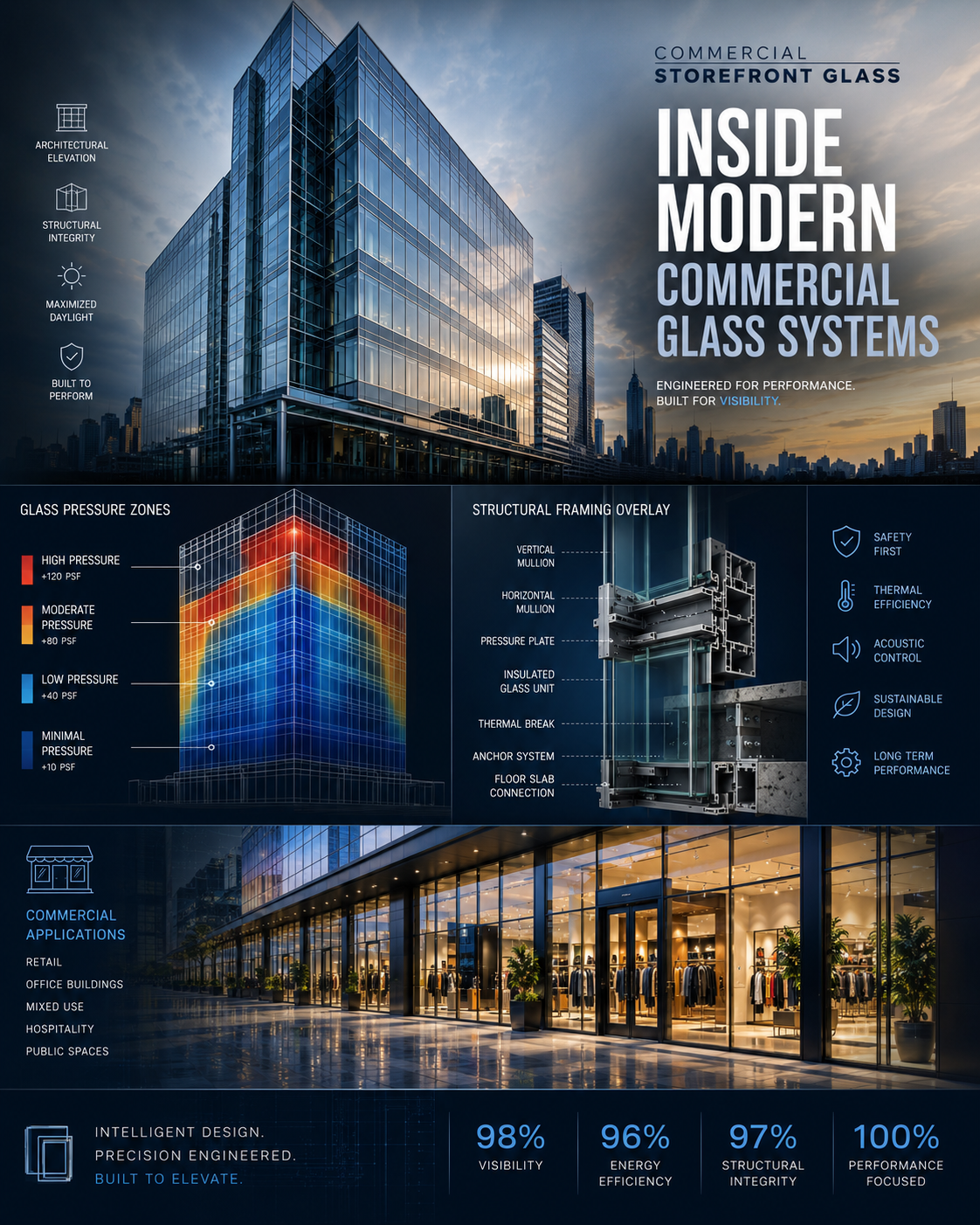
Commercial glazing affects more than protection.

Natural light enters through storefront systems.

Customer experience begins at the facade.

Building appearance influences perception.

Tenant expectations continue evolving.

As a result, material selection frequently becomes part of a broader building performance discussion.

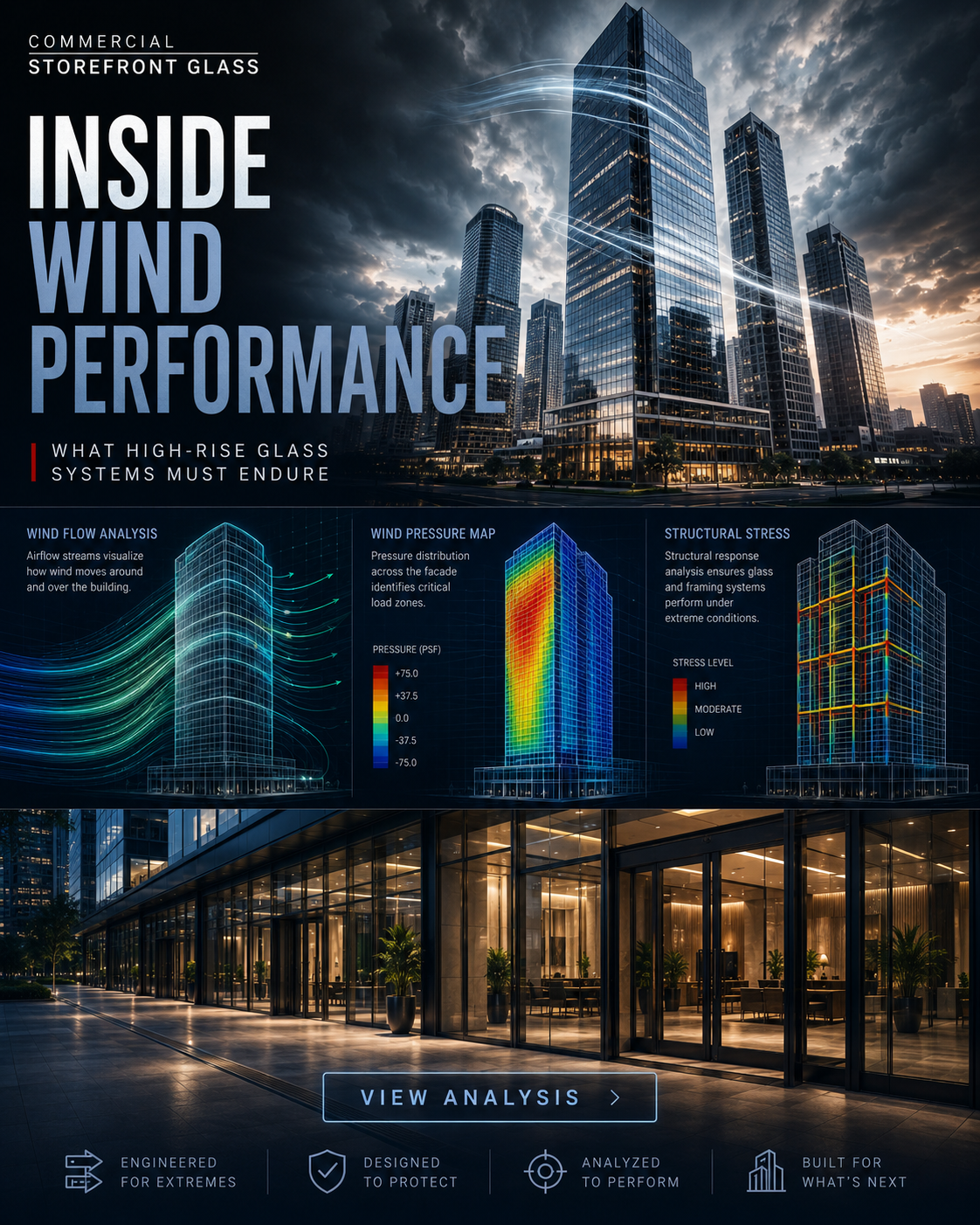
Architectural glazing contributes to how commercial properties function, how they are perceived, and how effectively they support long-term ownership goals.

Consequently, security represents only one part of the evaluation process.

Different Properties Have Different Priorities

Not every commercial building faces the same challenges.

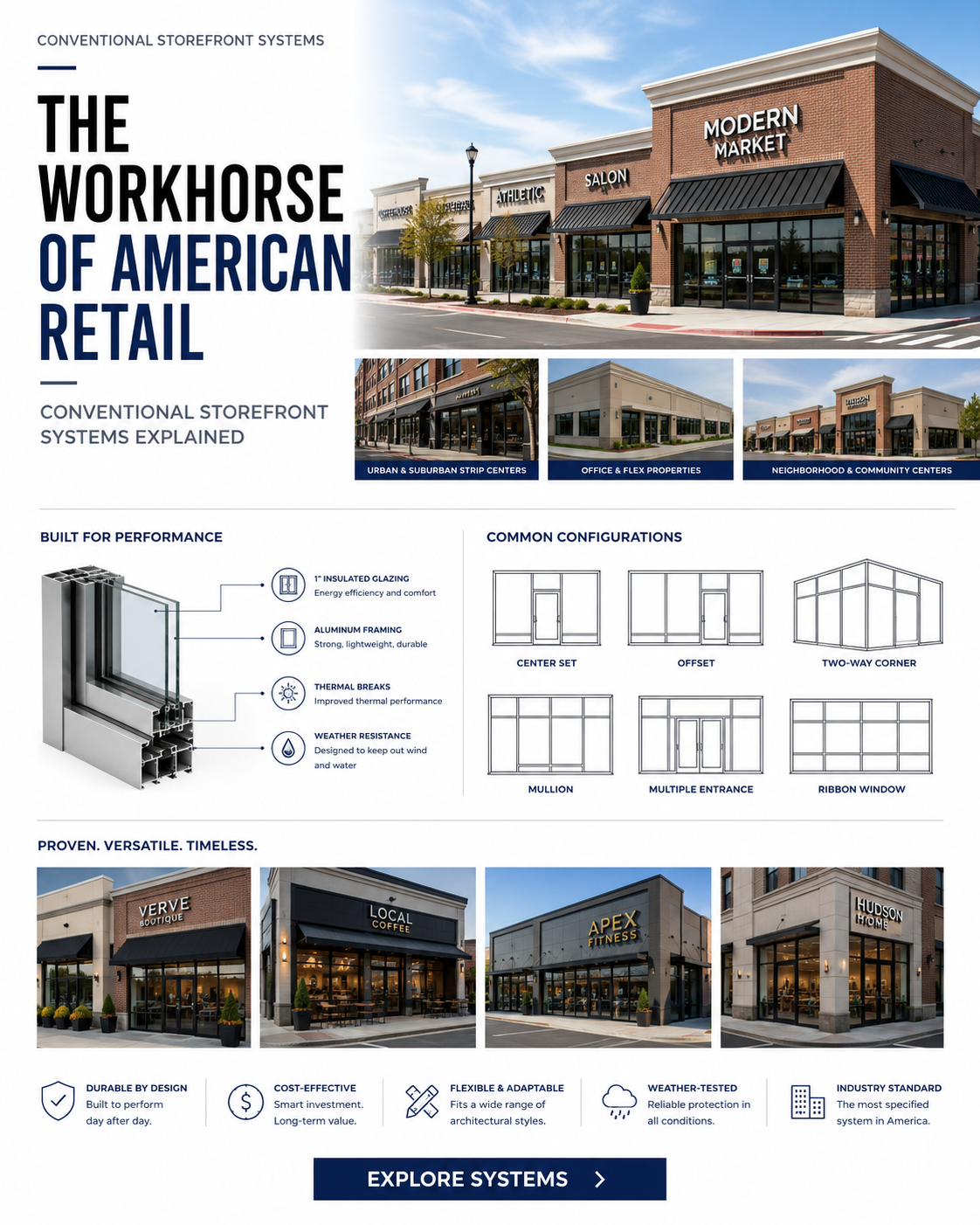
Retail storefronts often emphasize visibility and customer engagement.

Financial institutions may place greater focus on security.

Mixed-use developments frequently balance appearance and performance.

Office environments often prioritize tenant experience and natural light.

Because priorities vary, glazing decisions frequently reflect the unique goals of the property.

The strongest solution for one building may not be ideal for another.

Property Image Matters Too

Commercial properties compete for attention.

Customers notice appearance.

Tenants evaluate quality.

Investors consider presentation.

Fortunately, both tempered and laminated glass support contemporary storefront design. Each material can contribute to clean sightlines, modern aesthetics, and strong visual connections between interior and exterior environments.

As a result, appearance alone rarely determines the decision.

Performance requirements typically drive the conversation.
Commercial Storefront Glass

Maintenance And Lifecycle Planning

Commercial ownership involves long-term planning.

Maintenance costs matter.

Replacement cycles matter.

Operational disruptions matter.

Because storefront systems remain visible and highly used, durability often becomes an important consideration.

Property owners frequently evaluate how glazing choices influence long-term maintenance strategies. Modernization efforts may also influence decision-making as older systems are upgraded or repositioned for new commercial uses.

These factors help explain why material selection often extends beyond initial installation considerations.

Modern Commercial Properties Demand Flexibility

Today’s commercial buildings serve multiple functions.

Retail spaces support customer interaction.

Office environments prioritize employee experience.

Hospitality properties focus on guest impressions.

Mixed-use developments combine multiple objectives simultaneously.

Under those conditions, glazing systems must support a variety of performance expectations.

Security, visibility, aesthetics, durability, and building performance often intersect within a single project.

That complexity helps explain why tempered and laminated glass continue serving important roles across commercial real estate.

Comparing Tempered And Laminated Glass

Tempered Glass

  • High strength
  • Safety glazing
  • Strong visual clarity
  • Common commercial use
  • Breaks into small fragments
  • Widely available

Laminated Glass

  • Multi-layer construction
  • Glass retention after impact
  • Enhanced security applications
  • Risk management benefits
  • Strong visibility
  • Building protection advantages

Both materials provide value.

The difference lies in how each responds when exposed to stress, damage, or security concerns.

Storefront Security Depends On Project Goals

Commercial properties rarely select materials based on a single factor.

Security requirements influence decisions.

Building performance matters.

Property image affects perception.

Long-term ownership goals shape priorities.

Tempered glass and laminated glass each address those objectives differently.

Viewed through that perspective, the comparison becomes less about determining a winner and more about understanding which material aligns best with the needs of the property.

For many commercial buildings, the right answer depends on how security, performance, visibility, maintenance, and long-term value intersect within the project itself.