







The Hidden Cost Of Generic Glass Websites
Why Many Commercial Glass Companies Look Interchangeable Online
Walk through enough commercial glass websites, and a pattern begins to emerge.
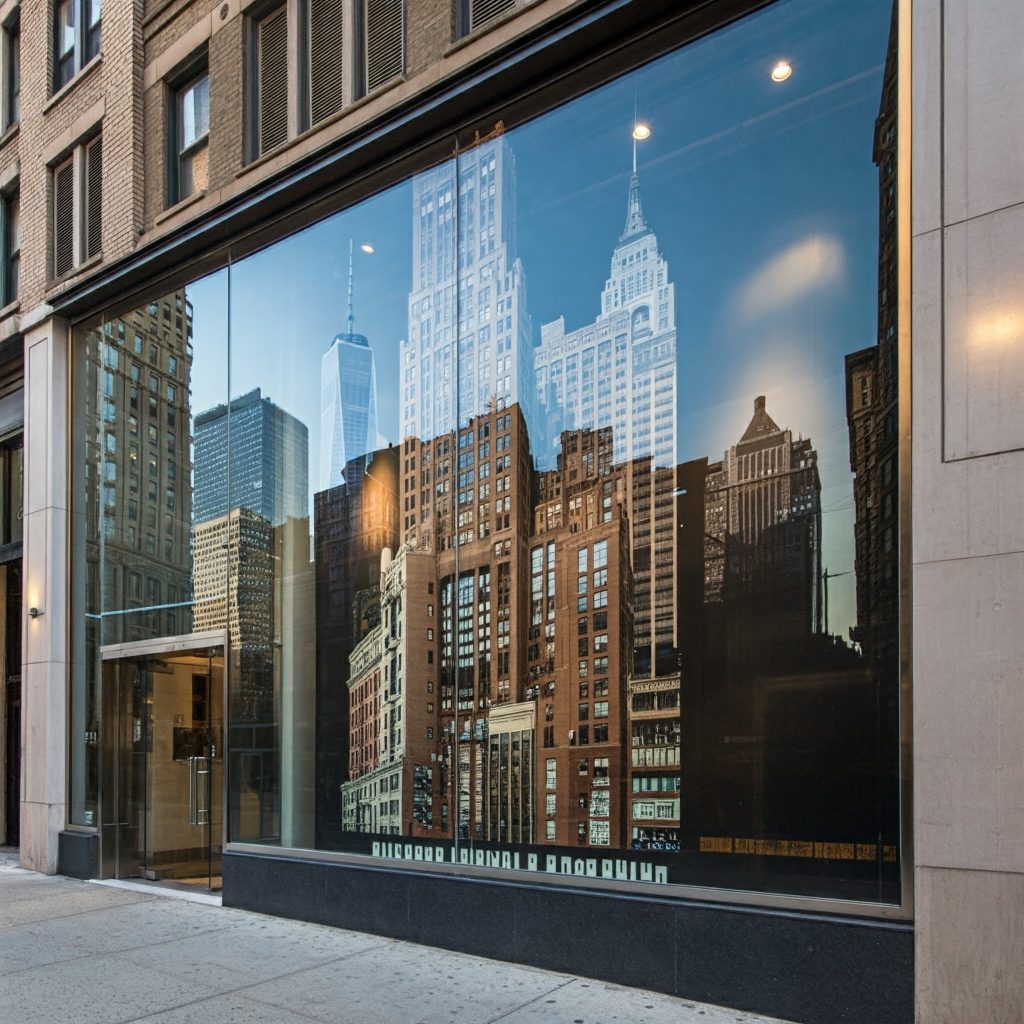
A skyline photograph appears near the top of the page. Service descriptions promise quality workmanship. Project galleries display completed installations. An about section references years of experience, while a contact form waits at the bottom for inquiries.
Nothing is technically wrong with that formula.
The problem is that hundreds of competitors are using the same one.
When every company presents itself in a nearly identical manner, differentiation becomes difficult. Buyers may struggle to understand why one contractor deserves attention over another, even when meaningful differences exist beneath the surface.
That disconnect creates costs that rarely appear on marketing reports.
Similar Websites Create Similar Perceptions
Commercial glass companies invest years in developing expertise.
Some specialize in high-rise construction. Others focus on healthcare facilities, mixed-use developments, hospitality projects, retail environments, or complex modernization efforts. Distinct project histories often shape unique perspectives that competitors cannot easily replicate.
Generic websites hide those differences.
Visitors frequently encounter broad claims rather than specific insights. Valuable experience becomes compressed into a handful of predictable statements. Technical knowledge that could establish credibility remains largely invisible.
As a result, businesses with dramatically different capabilities can appear surprisingly similar online.
Commercial Buyers Look For Signals Of Expertise
Large projects rarely move forward based solely on service descriptions.
Developers evaluate experience. Architects review technical capabilities. Property managers assess long-term reliability. Ownership groups often seek evidence that a contractor understands the challenges associated with a particular asset type.
Generic websites provide limited opportunities to communicate that understanding.
A page listing “commercial storefront glass” reveals very little about how a company approaches modernization, environmental exposure, tenant improvement projects, or building performance. Buyers researching complex decisions often want context, not just services.
Depth creates confidence.
Surface-level information rarely does.
Every Market Has Different Questions
A commercial property in Manhattan faces different realities than a retail center in Phoenix.
Chicago owners may spend considerable time thinking about wind exposure and seasonal temperature swings. South Florida developers often prioritize hurricane resilience. Rapidly growing markets throughout Texas frequently focus on modernization, expansion, and long-term scalability.
Generic websites flatten those distinctions.
Content written to appeal to everyone often connects with no one in particular. Market-specific knowledge disappears in favor of broad language that could apply almost anywhere.
Commercial real estate remains highly local.
Websites that ignore that fact often miss opportunities to demonstrate relevance.
The Industry Contains More Stories Than Most Websites Reflect
Commercial storefront glass intersects with architecture, development, leasing, construction, energy performance, environmental exposure, urban planning, and building operations.
Those connections create a rich collection of subjects worth exploring.
A curtain wall project tells a different story than a retail renovation. Healthcare facilities create different requirements than hospitality properties. Historic preservation efforts raise questions that rarely appear in new construction.
Generic websites rarely capture that complexity.
Visitors see services.
Decision-makers often want perspective.
Credibility Is Built Through Specificity
Broad claims are easy to make.
Detailed observations require experience.
A company that discusses the challenges of renovating aging downtown office buildings demonstrates something different than a company that simply claims expertise. Analysis of storefront performance in hail-prone regions communicates a practical understanding. Commentary on mixed-use development trends reflects familiarity with broader market forces.
Specific information provides evidence.
Generic language asks readers to accept conclusions without seeing how they were reached.
Commercial buyers tend to prefer evidence.
Search Visibility Is Often A Secondary Casualty
Search performance is frequently discussed as a technical issue.
Content quality plays a larger role than many businesses realize.
A website containing ten generic pages provides limited coverage of the subjects buyers research. Meaningful visibility becomes difficult when competitors publish resources on market trends, building modernization, environmental conditions, material selection, and commercial development activities.
Depth expands relevance.
Coverage creates opportunities to appear in more conversations.
Generic content tends to limit both.
Project Galleries Cannot Carry the Entire Burden
Completed work remains important.
Prospective clients want to see examples of past projects. Visual evidence helps establish credibility and demonstrates capability.
Images alone rarely communicate the full story.
A photograph may show a finished storefront system. Still, it cannot explain the challenges that shaped the project, the environmental conditions that affected material selection, or the operational goals that influenced design decisions.
Context transforms projects into case studies.
Without explanation, valuable experience often remains underutilized.
The Cost Is Often Invisible
Few companies lose business because a visitor explicitly complains about a generic website.
Missed opportunities tend to occur quietly.
A developer spends more time researching another firm. An architect finds stronger technical resources elsewhere. Property managers encounter competitors who appear more knowledgeable simply because their expertise is easier to discover.
Those moments rarely generate feedback.
Nevertheless, they influence outcomes.
Visibility, credibility, and differentiation are often won or lost long before a formal conversation takes place.
Commercial Buyers Compare More Than Services
Contractors often evaluate competitors based on capabilities.
Decision-makers frequently compare understanding.
Knowledge of building types, environmental conditions, modernization strategies, and market dynamics can influence perception just as much as a list of services. Companies that contribute useful insights often appear more engaged with the industry than organizations relying exclusively on traditional website content.
Perception matters because expertise is difficult to measure directly.
Buyers frequently rely on signals.
A Website Can Be More Than A Brochure
Many commercial glass websites were built to explain what their companies do.
Modern buyers often expect more.
Educational resources help answer questions before meetings occur. Market analysis provides context for complex decisions. Technical discussions reveal how a company thinks about the challenges facing commercial properties.
Those elements transform a website from a static brochure into a useful industry resource.
Businesses that make that transition often discover a meaningful advantage.
Knowledge becomes visible.
Experience becomes accessible.
Differentiation becomes easier to understand.
In an industry where many firms look similar online, clarity can be more valuable than another marketing claim.