

San Rafael vs Redwood City — New Development vs Storefront Modernization
Two Markets Investing In Commercial Real Estate Differently
Commercial glass demand can emerge from multiple sources.
New construction creates one type of opportunity.
Property modernization creates another.
Redevelopment frequently combines both.
San Rafael and Redwood City highlight how different Bay Area markets generate commercial glazing activity through entirely different investment cycles.
One continues upgrading established commercial districts.
The other benefits from ongoing development tied to Peninsula growth and technology expansion.
Both remain active.
The reasons behind that activity often differ.
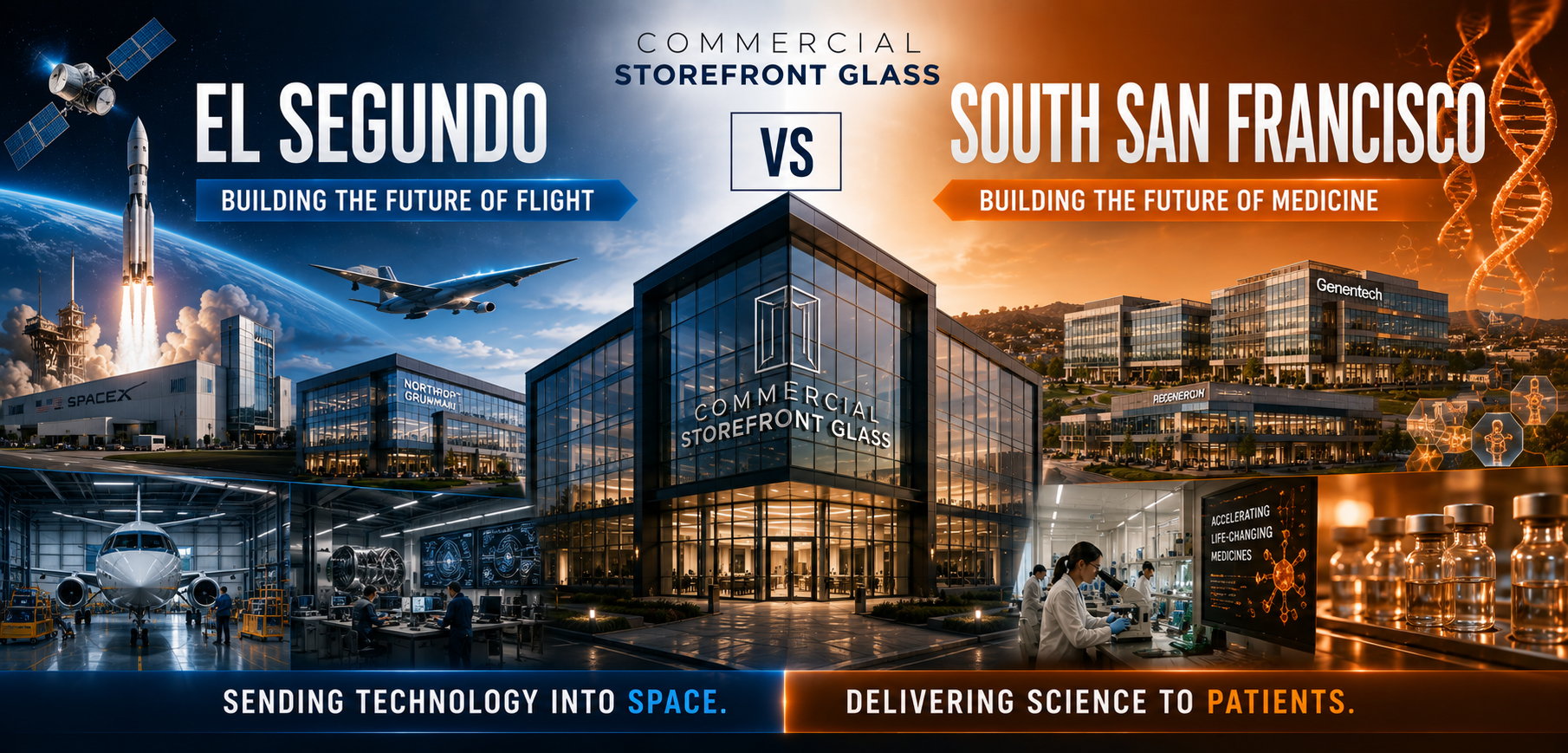
Market Snapshot
Category | San Rafael | Redwood City |
Primary Driver | Storefront Modernization | New Development |
Commercial Focus | Retail, Medical, Mixed-Use | Office, Technology, Mixed-Use |
Common Project Type | Renovation & Upgrades | New Construction & Redevelopment |
Upgrade Objective | Visibility & Property Image | Growth & Expansion |
Long-Term Trend | Commercial Reinvestment | Urban Development |
Commercial glass projects remain common in both markets.
However, the source of demand often follows different paths.
Why San Rafael Continues Modernizing Storefronts
Downtown San Rafael remains an important commercial destination within Marin County.
Retail businesses continue competing for visibility.
Restaurants invest in customer experience.
Property owners frequently improve aging buildings to remain competitive.
Many projects focus on:
- Storefront replacement
- Entry system upgrades
- Tenant improvements
- Facade modernization
- Mixed-use property improvements
Exterior presentation often becomes one of the most visible signs of reinvestment.
Updated glazing can help strengthen curb appeal while supporting leasing activity.
Why Redwood City Generates Development Activity
Redwood City has experienced significant commercial evolution over the past decade.
Technology growth continues influencing investment decisions.
Mixed-use projects have reshaped portions of downtown.
Office development remains an important component of the local economy.
Development-driven demand often includes:
Project Category | Typical Glass Applications |
Office Construction | Curtain walls and entrances |
Mixed-Use Projects | Storefront systems |
Technology Campuses | High-performance glazing |
Urban Redevelopment | Building envelope systems |
Commercial Expansion | New facade construction |
Many projects involve creating entirely new commercial environments rather than upgrading existing storefronts.
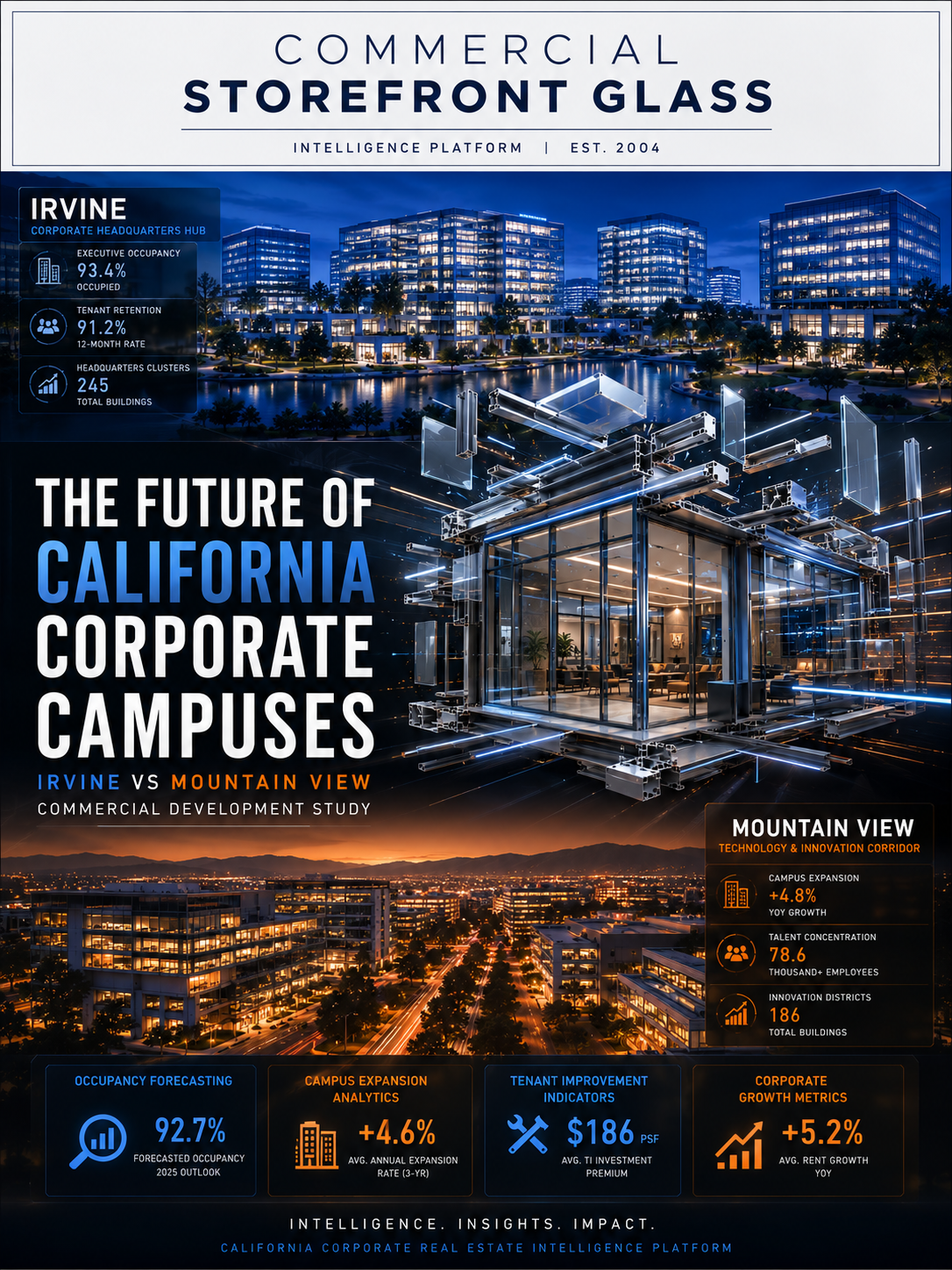
Established Districts vs Emerging Development
The difference between these markets becomes apparent when examining where projects originate.
San Rafael
Commercial activity often stems from:
- Existing retail corridors
- Downtown revitalization
- Property repositioning
- Medical office improvements
- Mixed-use modernization
Redwood City
Investment frequently comes from:
- New development
- Technology-related growth
- Office construction
- Urban redevelopment
- Commercial expansion
Both support commercial glass contractors.
The project lifecycle simply differs.
Glass Plays A Role In Every Stage
Commercial glazing contributes to more than aesthetics.
Modern systems support:
- Building performance
- Tenant attraction
- Customer experience
- Energy efficiency
- Property modernization
Whether a project involves a new building or an existing storefront, glass frequently becomes one of the most visible components of the investment.
Which Market Creates More Commercial Glass Opportunity?
Redwood City likely generates greater overall commercial glass demand.
New development continues creating opportunities across multiple property types.
Technology-driven growth supports office construction.
Mixed-use redevelopment contributes additional project volume.
Large-scale developments frequently require extensive glazing systems, curtain walls, entrances, and facade installations.
San Rafael remains highly active.
Storefront modernization continues throughout commercial districts.
Retail properties regularly pursue upgrades.
Medical offices and mixed-use projects create steady renovation demand.
However, Redwood City’s combination of development activity, commercial expansion, and ongoing urban transformation likely produces a larger overall volume of commercial glass work.
San Rafael often creates opportunity through modernization.
Redwood City frequently creates opportunity through growth.

Key Takeaways
San Rafael Leads In:
- Storefront modernization
- Commercial reinvestment
- Property repositioning
- Retail facade upgrades
- Downtown revitalization
Redwood City Leads In:
- New commercial development
- Mixed-use construction
- Technology-related expansion
- Office building growth
- Large-scale glazing projects
Commercial glass demand remains strong in both communities.
San Rafael demonstrates the value of upgrading existing properties.
Redwood City illustrates how development growth can create entirely new opportunities for commercial glass systems.
Together, they show how modernization and expansion continue shaping Bay Area commercial real estate.