


Bay Area vs Los Angeles: The Commercial Glass Lifecycle—Repair vs Replacement vs Installation
Every commercial glass system follows a lifecycle. Whether installed on an office tower in San Francisco, a biotechnology campus in South San Francisco, a logistics facility in Oakland, a hotel in Santa Monica, or a mixed-use development in Irvine, commercial glazing gradually progresses from new construction to routine maintenance, targeted repairs, modernization, replacement, and eventually complete redevelopment. Understanding this lifecycle helps building owners, property managers, facility managers, developers, and investors make better long-term decisions while protecting property value and controlling operating costs. Throughout the Bay Area and Los Angeles, successful commercial real estate strategies recognize that commercial glass is not a one-time investment but an evolving building asset.
The Bay Area includes diverse commercial markets throughout San Francisco, Oakland, San Jose, Palo Alto, Mountain View, Sunnyvale, Santa Clara, Berkeley, Fremont, Redwood City, South San Francisco, Walnut Creek, San Mateo, San Rafael, Emeryville, Concord, and neighboring business districts. Technology headquarters, life science campuses, healthcare facilities, universities, industrial buildings, and office towers continually cycle through renovation and modernization as business needs evolve.
The Los Angeles region includes Los Angeles, Long Beach, Santa Monica, Century City, Beverly Hills, Pasadena, Glendale, Burbank, Culver City, El Segundo, Anaheim, Irvine, Costa Mesa, Orange, Torrance, and surrounding commercial centers. Hotels, entertainment campuses, shopping centers, airports, logistics facilities, healthcare campuses, manufacturing plants, and corporate offices all move through similarbuilding lifecycles, although project timing often varies by industry and ownership strategy.
Recognizing where a building sits within itslifecycleoften leads to better investment decisions than reacting only after problems become visible.
Phase One: New Installation
Every commercial glass system begins with thoughtful design and installation.
New construction commonly includes:
- Curtain walls
- Aluminum storefront systems
- Commercial windows
- Glass entrances
- Automatic doors
- High-performance insulated glass
- Integrated building envelope systems
A quality installation establishes the foundation for decades of building performance.
Phase Two: Preventive Maintenance
Routine maintenance extends the useful life of commercial glazing.
Preventive maintenance often includes:
- Glass inspections
- Sealant evaluations
- Hardware adjustments
- Door servicing
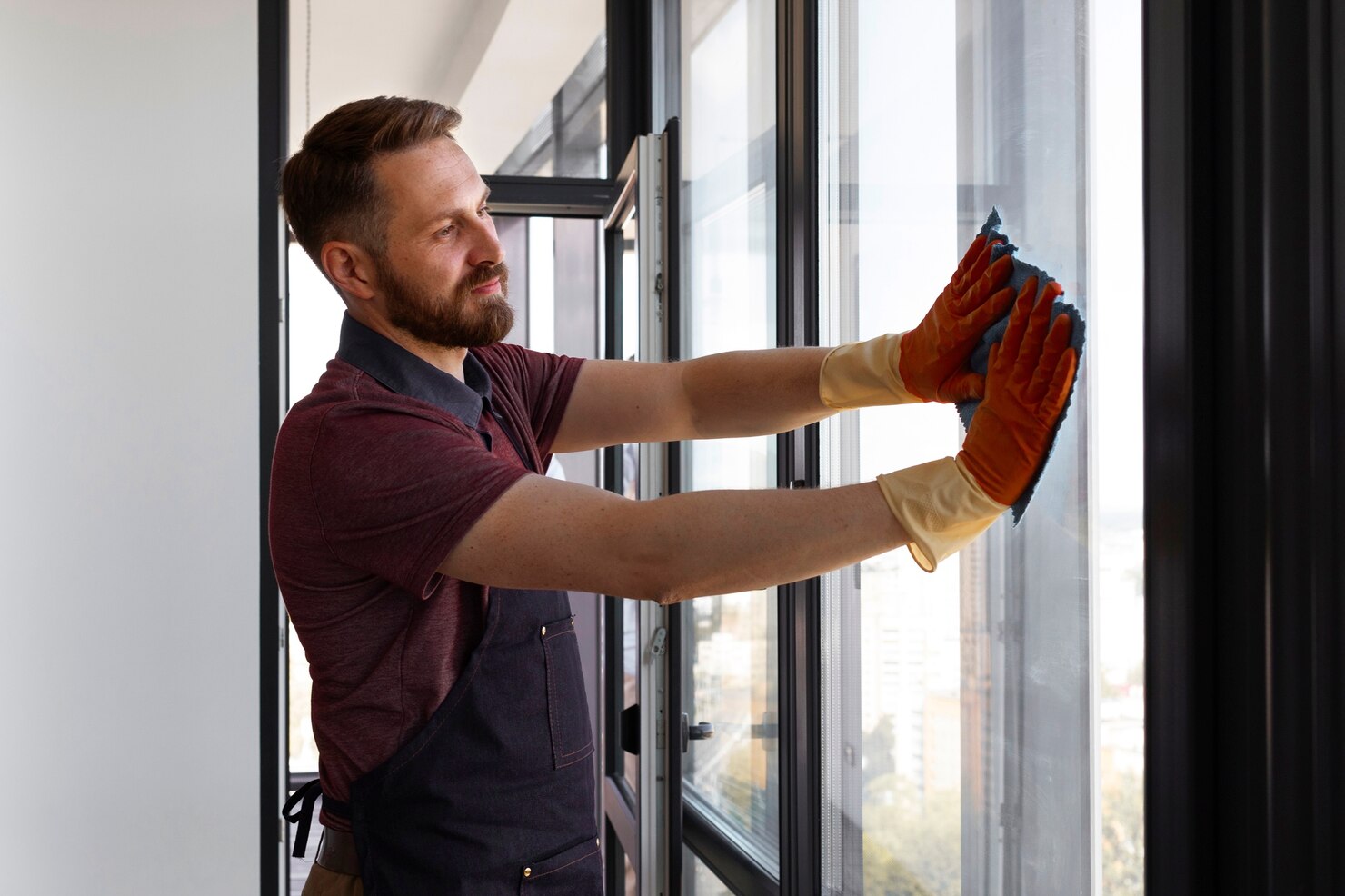
- Cleaning programs
- Water management inspections
- Building envelope reviews
Small maintenance investments frequently prevent larger capital expenses later.
Phase Three: Targeted Repairs
As buildings age, isolated issues begin to appear.
Repair is often appropriate when:
- Individual glass panels break
- Insulated glass units fail
- Door hardware wears
- Sealants deteriorate
- Minor water intrusion develops
- Framing remains structurally sound
- Overall system performance remains strong
Strategic repairs preserve the building while delaying unnecessary replacement.
Phase Four: System Replacement
Eventually, repeated maintenance becomes less cost-effective than modernization.
Replacement is commonly considered when:
- Multiple glazing systems fail
- Energy performance declines
- Water intrusion becomes recurring
- Maintenance costs continue increasing
- Building appearance becomes outdated
- Tenant expectations change
- Capital improvement projects begin
Replacing aging glazing often restores performance while extending the building’s competitive lifespan.
Phase Five: Redevelopment and New Installation
Some buildings eventually undergo major repositioning or complete redevelopment.
These projects may include:
- Complete façade replacement
- New curtain wall systems
- Expanded storefronts
- Modern entrances
- Smart building integration
- Sustainability improvements
- High-performance building envelopes
Redevelopment prepares commercial properties for decades of future occupancy and changing market demands.
Every Stage Supports Long-Term Asset Value
The lifecycle is continuous rather than linear.
Property owners regularly evaluate:
- Building age
- Maintenance history
- Energy performance
- Occupancy goals
- Tenant expectations
- Capital budgets
- Long-term investment strategy
Choosing the appropriate stage at the right time helps maximize return on investment while minimizing unexpected disruptions.
Regional Markets Progress Through Different Lifecycles
Although both regions experience similar building lifecycles, market drivers differ.
Throughout the Bay Area, lifecycle planning often focuses on:
- Technology campus expansion
- Laboratory modernization
- Adaptive reuse
- Seismic upgrades
- Sustainability improvements
- Office repositioning
Throughout Los Angeles and Southern California, lifecycle planning frequently emphasizes:
- Hospitality renovations
- Entertainment facilities
- Airport modernization
- Retail repositioning
- Logistics expansion
- Mixed-use redevelopment
These regional priorities influence when buildings move from repair to replacement and ultimately to redevelopment.
Bay Area vs Los Angeles: Where Commercial Glass Lifecycle Planning Applies
Bay Area lifecycle markets include:
San Francisco
Oakland
San Jose
Palo Alto
Mountain View
Sunnyvale
Santa Clara
Berkeley
Fremont
Redwood City
South San Francisco
Walnut Creek
San Mateo
San Rafael
Emeryville
Concord
Los Angeles regional lifecycle markets include:
- Los Angeles
- Long Beach
- Santa Monica
- Century City
- Beverly Hills
- Pasadena
- Glendale
- Burbank
- Culver City
- El Segundo
- Anaheim
- Irvine
- Costa Mesa
- Orange
- Torrance
Across both regions, successful lifecycle planning emphasizes preventive maintenance, timely repairs, strategic replacement, modernization, operational efficiency, sustainability, and long-term building value.
Managing the Entire Lifecycle of Commercial Glass
Commercial glass repair, replacement, and new installation are not competing solutions—they are successive stages in the lifecycle of a commercial building. Repairs preserve existing assets, replacements renew aging systems when they reach the end of their useful life, and new installations prepare buildings for the next generation of tenants, technologies, and performance expectations.
Whether maintaining a technology campus in Palo Alto, upgrading a healthcare facility in Oakland, modernizing an office tower in San Francisco, renovating a beachfront hotel in Santa Monica, expanding a logistics center in Long Beach, or developing a new mixed-use campus in Irvine, understanding the complete commercial glass lifecycle helps owners make informed decisions that strengthen the building envelope, improve operational performance, reduce long-term ownership costs, and maximize the value of commercial real estate throughout California’s two largest metropolitan regions.