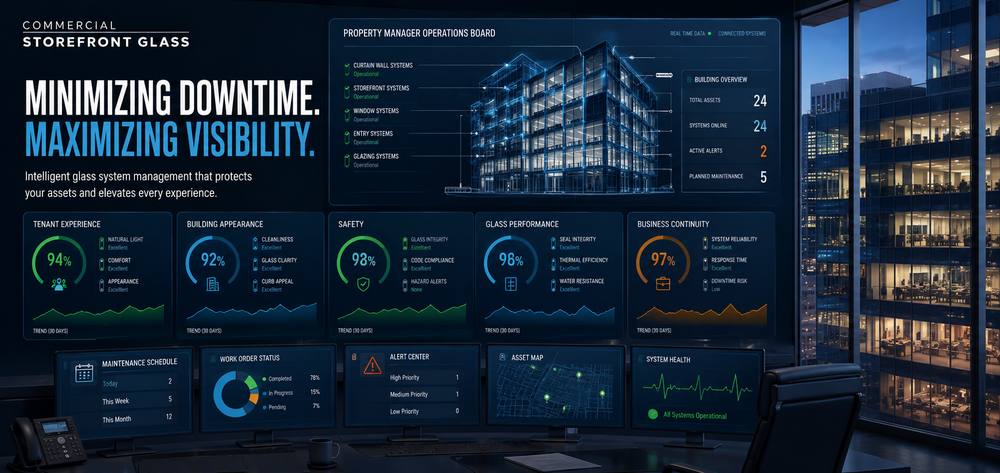
Commercial Storefront Glass

Repair

Fast, reliable repairs for all types of commercial glass and storefronts.

Replacement

High-quality glass replacement for safety, security, and efficiency.

Installation

Professional installation for new construction and renovation projects.

Commercial Property Modernization

Commercial property modernization is the process of upgrading existing buildings to meet the changing needs of tenants, employees, customers, and investors. Whether renovating an aging office tower, repositioning a shopping center, updating a medical facility, transforming a warehouse, or revitalizing a mixed-use development, modernization helps commercial properties remain competitive in an evolving marketplace.

Today’s tenants expect more than functional space. They look for buildings that offer energy efficiency, flexible layouts, modern technology, attractive common areas, improved security, and environments that support productivity and customer experience. Property owners and developers increasingly invest in modernization projects to reduce vacancy, increase rental rates, extend the life of their assets, and strengthen long-term returns.

For developers, commercial property owners, asset managers, facility managers, property managers, architects, engineers, commercial brokers, business owners, and general contractors, commercial property modernization is both a construction initiative and a long-term investment strategy.

What Is Commercial Property Modernization?

Commercial property modernization involves upgrading the physical infrastructure, interior spaces, exterior appearance, and building systems of an existing commercial property. The goal is to improve performance, attract tenants, and adapt the building to modern operational requirements.

Modernization projects may include:

  • Office renovations
  • Retail repositioning
  • Restaurant upgrades
  • Medical office improvements
  • Warehouse conversions
  • Lobby renovations
  • Common area enhancements
  • Tenant improvements
  • Energy-efficiency upgrades
  • Building system replacements

Unlike simple cosmetic updates, modernization focuses on improving the overall functionality and long-term value of the property.
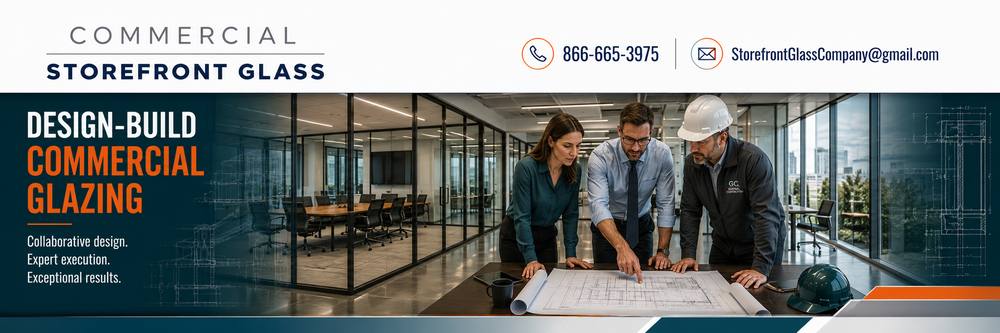


Why Commercial Properties Need Modernization

Commercial real estate markets constantly evolve, and buildings must evolve with them.

Common reasons for modernization include:

Reducing vacancy

Attracting higher-quality tenants

Increasing lease rates

Extending building life

Improving energy efficiency

Supporting new technologies

Modernizing outdated interiors

Improving employee productivity

Enhancing customer experiences

Increasing property value

Without ongoing investment, commercial buildings can quickly become less competitive compared to newer developments.

Office Building Modernization

Office buildings are among the most frequently modernized commercial assets.

Common office improvements include:

  • Reception areas
  • Executive offices
  • Conference rooms
  • Open workspaces
  • Employee lounges
  • Collaboration spaces
  • Wellness rooms
  • Flexible workstations
  • Training facilities
  • Common areas

Modern office environments prioritize flexibility, technology integration, and employee well-being.

Retail and Hospitality Modernization

Retail centers, restaurants, and hospitality properties must adapt to changing customer expectations.

Popular upgrades include:

  • Storefront renovations
  • Dining area remodels
  • Customer seating improvements
  • Decorative lighting
  • Outdoor gathering spaces
  • Digital infrastructure
  • Wayfinding systems
  • Brand-focused interiors
  • Food service improvements
  • Shared amenity spaces

These investments help properties remain attractive to both tenants and customers.

Healthcare and Medical Property Upgrades

Healthcare facilities require modernization strategies that balance patient experience with operational efficiency.

Common improvements include:

  • Waiting-room renovations
  • Exam-room upgrades
  • Administrative offices
  • Reception areas
  • Treatment spaces
  • Medical infrastructure
  • Accessibility improvements
  • Security enhancements
  • Energy-efficient systems
  • Staff support spaces

Healthcare modernization projects often focus on patient comfort, workflow efficiency, and regulatory compliance.
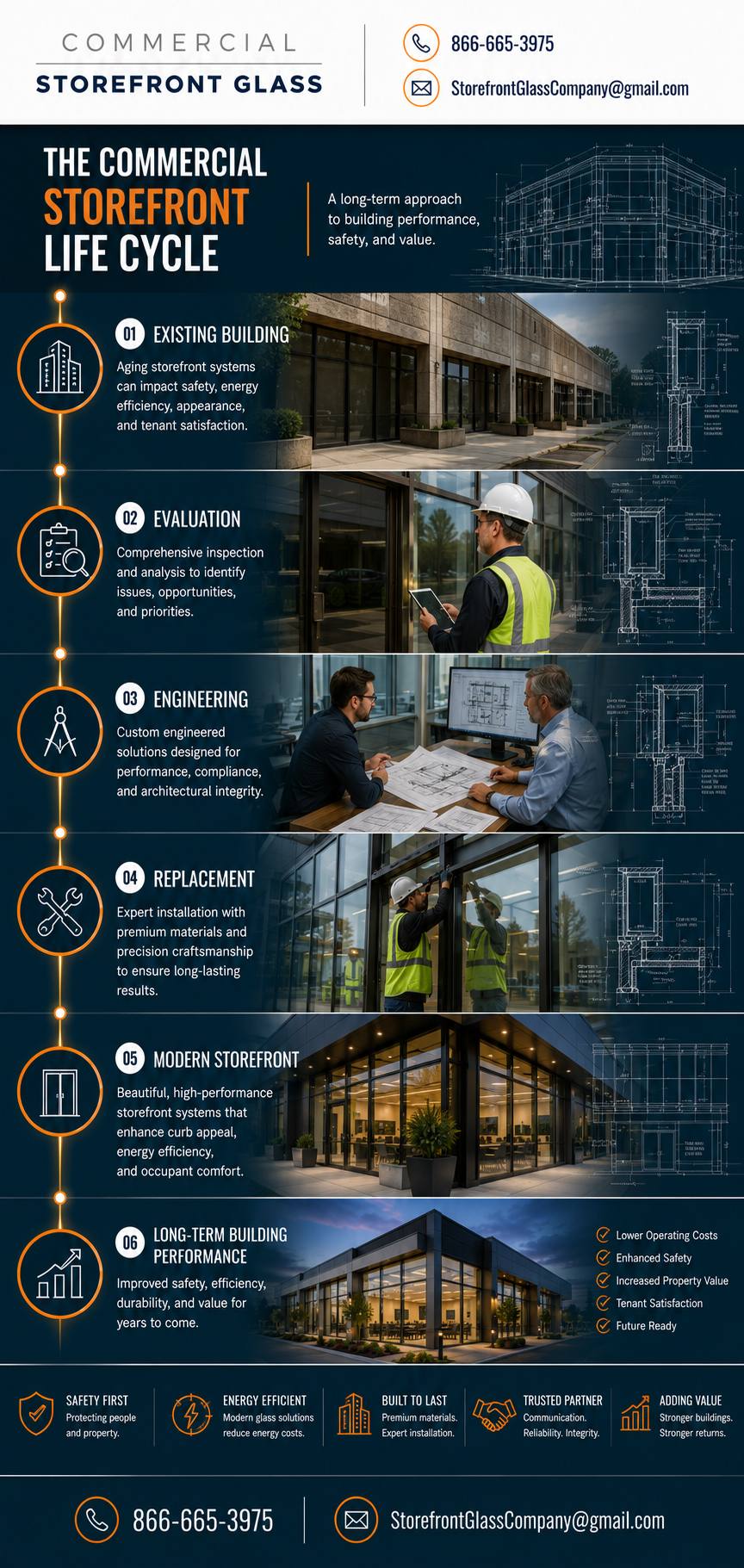


Industrial and Warehouse Modernization

Industrial properties increasingly require modernization to support advanced logistics, manufacturing, and distribution operations.

Warehouse and industrial upgrades often include:

  • Administrative offices
  • Dispatch centers
  • Employee break rooms
  • Conference facilities
  • Security offices
  • Loading dock improvements
  • Energy-efficient lighting
  • Technology infrastructure
  • Training spaces
  • Customer reception areas

These improvements help industrial buildings adapt to changing operational requirements.

Commercial Storefront Glass and Exterior Modernization

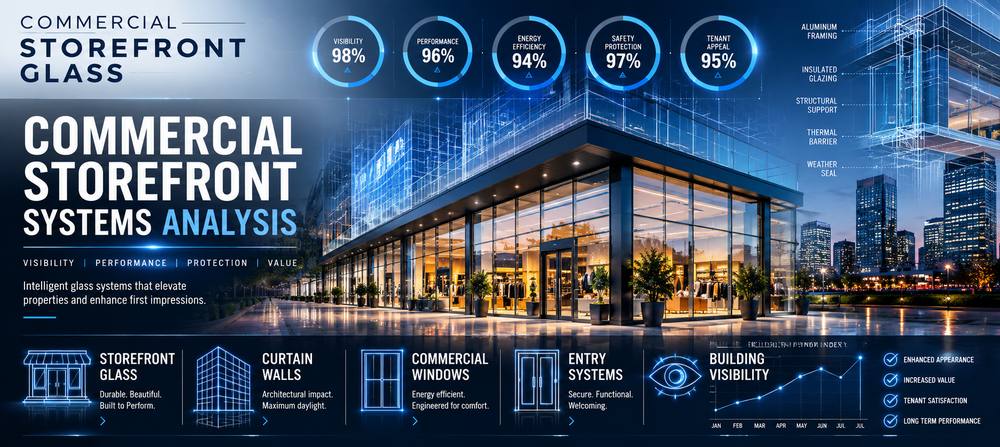
Commercial storefront glass is one of the most visible components of any modernization project. Updated glazing systems influence building appearance, energy efficiency, security, and tenant perception.

Common storefront and glazing upgrades include:

  • Aluminum storefront systems
  • Commercial entrance systems
  • Curtain walls
  • Automatic doors
  • Interior glass partitions
  • Reception-area glazing
  • Insulated glass units
  • Security glazing
  • Safety glass
  • Architectural glass systems

Modern storefront systems improve natural daylight, strengthen the building envelope, and create a more welcoming appearance for tenants and visitors.

For many commercial properties, storefront modernization becomes a defining feature that signals investment and long-term commitment to the asset.

Building Systems and Infrastructure Improvements

Commercial modernization projects frequently involve replacing or upgrading critical infrastructure.

Common building improvements include:

  • HVAC modernization
  • Electrical upgrades
  • Plumbing modifications
  • Fire protection systems
  • Building automation
  • Security systems
  • Access-control systems
  • Data infrastructure
  • Energy-efficient lighting
  • Indoor air-quality improvements

These systems improve building performance while supporting future technologies and operational needs.
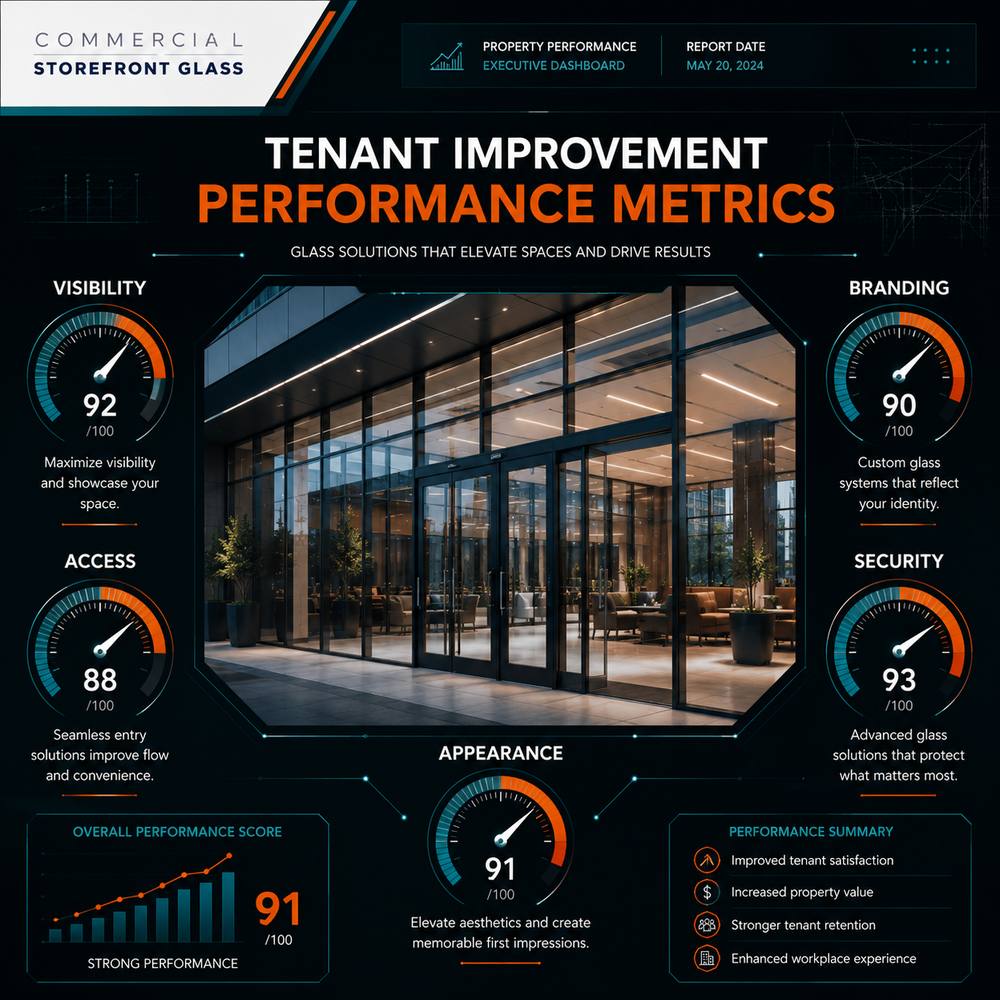


Energy Efficiency and Sustainability

Energy efficiency has become a major driver of commercial modernization.

Common sustainability improvements include:

High-performance glass

LED lighting systems

Smart building controls

Water-saving fixtures

Improved insulation

Efficient HVAC systems

Occupancy sensors

Renewable energy integration

Indoor air-quality enhancements

Building-performance monitoring

Energy-efficient upgrades help reduce operating costs and improve the long-term value of commercial assets.

Renovating Occupied Commercial Buildings

Many modernization projects occur while tenants remain in the building.

Successful renovation strategies often include:

  • Phased construction schedules
  • Night and weekend work
  • Temporary entrances
  • Dust containment systems
  • Noise management
  • Occupant communication
  • Safety barriers
  • Temporary relocations
  • Detailed project sequencing
  • Emergency access planning

Proper coordination minimizes disruptions and helps maintain tenant satisfaction throughout the renovation process.

Stakeholders in Commercial Modernization Projects

Commercial modernization projects require collaboration among numerous stakeholders.

Project teams often include:

  • Property owners
  • Developers
  • Asset managers
  • Facility managers
  • Property managers
  • Architects
  • Engineers
  • Commercial brokers
  • Business owners
  • General contractors
  • Specialty subcontractors
  • Investors

Every stakeholder brings unique priorities related to budgets, operations, tenant retention, and long-term value.

Important Planning Considerations

Before beginning a modernization project, stakeholders should evaluate several critical factors.

Key considerations include:

  • Capital budgets
  • Construction timelines
  • Tenant requirements
  • Energy goals
  • Infrastructure limitations
  • Accessibility standards
  • Operational disruptions
  • Maintenance planning
  • Security requirements
  • Future expansion opportunities

Early planning helps reduce risk and maximize return on investment.

Building for the Future

Commercial property modernization is ultimately about preparing existing buildings for the next generation of tenants, technologies, and business models. Office towers, shopping centers, healthcare facilities, warehouses, and mixed-use developments that invest in modernization are better positioned to compete in the years ahead.

For developers, commercial property owners, facility managers, architects, engineers, commercial brokers, business owners, and general contractors, modernization represents an opportunity to improve performance, increase value, and extend the life of commercial assets.

Through strategic renovations, commercial storefront glass, infrastructure upgrades, and thoughtful planning, commercial property modernization continues shaping the future of commercial real estate throughout the United States.