


Bay Area vs Los Angeles: Seismic Glass Repair vs Replacement vs Installation Across California’s Earthquake Zones
Earthquake resilience is one of the most important considerations in California commercial construction. Unlike many parts of the country, buildings throughout the Bay Area and Los Angeles must be designed, maintained, and modernized with seismic performance in mind. Commercial glass systems—including curtain walls, storefronts, commercial windows, aluminum framing, entrances, and building envelopes—must accommodate structural movement while continuing to provide safety, weather protection, energy efficiency, and long-term durability. Throughout both regions, developers, architects, engineers, property owners, facility managers, and public agencies regularly evaluate whether glazing systems should be repaired, replaced, or upgraded to improve seismic performance during building modernization.
The Bay Area sits near several active fault systems and includes major commercial markets such as San Francisco, Oakland, Berkeley, Hayward, San Jose, Santa Clara, Sunnyvale, Mountain View, Palo Alto, Fremont, Redwood City, South San Francisco, Walnut Creek, Concord, San Mateo, San Rafael, and neighboring communities. Much of the region contains older commercial buildings alongside newly engineered technology campuses and mixed-use developments designed under modern seismic standards.
The Los Angeles region includes Los Angeles, Long Beach, Pasadena, Glendale, Burbank, Santa Monica, Culver City, Torrance, El Segundo, Anaheim, Irvine, Costa Mesa, Orange, Ontario, Commerce, and surrounding commercial corridors. Southern California continues investing heavily in seismic retrofits, civic improvements, healthcare expansion, transportation infrastructure, and new commercial construction.
Although both regions face earthquake risk, building age, soil conditions, occupancy type, and structural systems all influence commercial glass decisions.
Commercial Glass Must Move with the Building
Unlike conventional walls, glazing systems must accommodate structural movement without compromising safety.
Modern seismic glazing systems help provide:
- Controlled structural movement
- Weather resistance
- Occupant safety
- Energy efficiency
- Water intrusion protection
- Long-term façade performance
- Building envelope integrity
Properly designed glazing works together with the building rather than resisting every movement.
When Seismic Glass Repair Is Appropriate
Not every glazing issue requires a complete façade replacement.
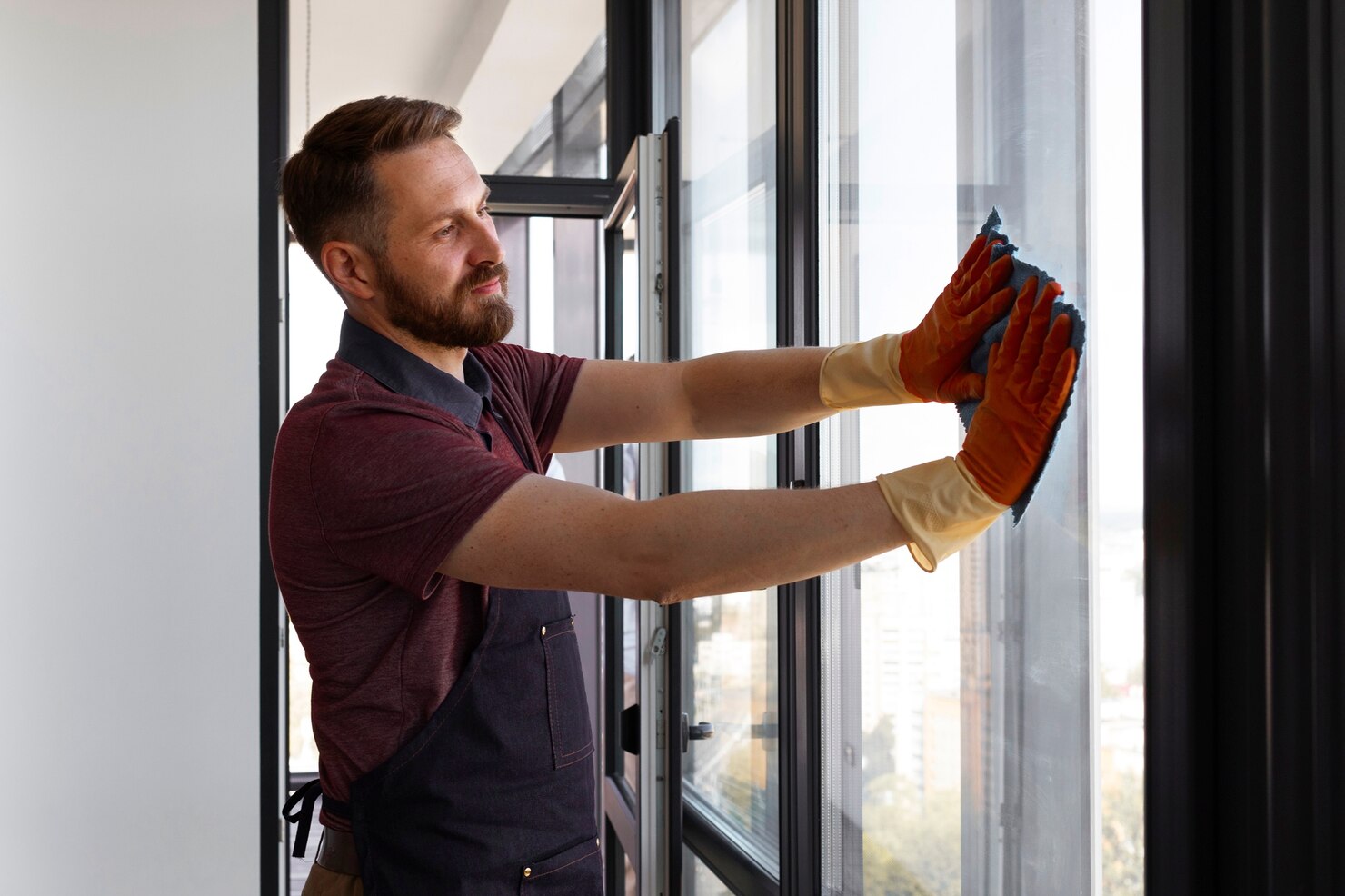
Repair is often appropriate when:
- Glass damage is localized
- Sealants require replacement
- Hardware requires servicing
- Individual insulated glass units fail
- Water intrusion is isolated
- Framing remains structurally sound
- Existing seismic performance remains adequate
Repairs help restore functionality while preserving otherwise well-performing glazing systems.
Replacement Supports Seismic Modernization
Older buildings often contain glazing systems installed before today’s performance expectations.
Replacement is commonly recommended when:
- Major façade renovations begin
- Curtain wall systems reach the end of their service life
- Water intrusion becomes recurring
- Energy performance declines
- Seismic retrofit projects are underway
- Maintenance costs continue increasing
- Building modernization is planned
Replacing older glazing systems during seismic improvements helps owners improve multiple aspects of building performance simultaneously.
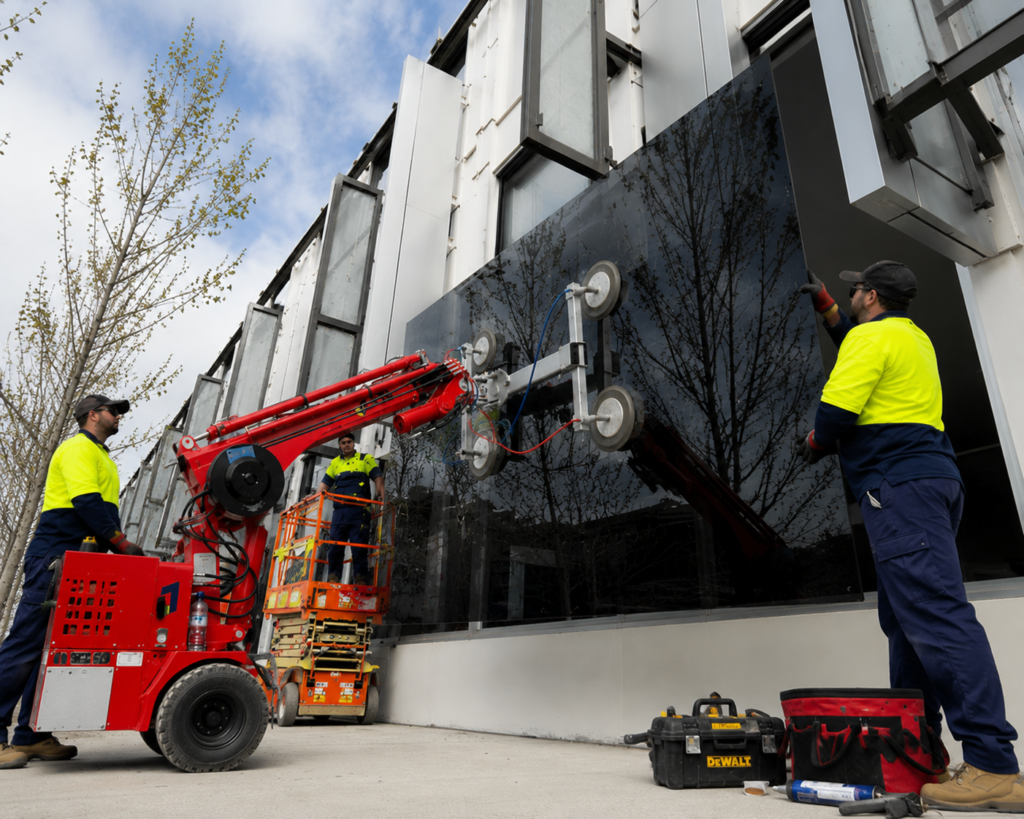
New Installation Meets Modern Engineering Standards
New commercial construction incorporates lessons learned from decades of earthquake engineering.
Modern installations frequently include:
- High-performance curtain wall systems
- Flexible glazing connections
- Thermally improved aluminum framing
- High-performance insulated glass
- Engineered storefront systems
- Modern sealant assemblies
- Integrated building envelope systems
These systems are designed to work with engineered building movement while supporting energy efficiency and occupant comfort.
Seismic Planning Extends Beyond the Glass
Successful projects coordinate glazing with the entire building envelope.
Project teams commonly evaluate:
- Structural engineering
- Building movement
- Anchoring systems
- Expansion joints
- Waterproofing
- Accessibility
- Long-term maintenance planning
Considering the entire building system helps improve resilience while reducing future maintenance challenges.
Regional Construction Priorities Continue to Evolve
Although earthquake preparedness is important statewide, each region presents different construction challenges.
Throughout the Bay Area, projects frequently emphasize:
- Older downtown buildings
- Technology campus expansion
- Historic building modernization
- Waterfront redevelopment
- Seismic retrofits
- Adaptive reuse
Throughout Los Angeles and Southern California, projects commonly focus on:
- High-rise development
- Healthcare expansion
- Entertainment campuses
- Transportation infrastructure
- Hospitality modernization
- Large mixed-use redevelopment
These regional priorities influence glazing design, engineering coordination, and long-term building investment strategies.
Bay Area vs Los Angeles: Where Seismic Glass Strategies Apply
Bay Area seismic markets include:
San Francisco
Oakland
Berkeley
Hayward
San Jose
Santa Clara
Sunnyvale
Mountain View
Palo Alto
Fremont
Redwood City
South San Francisco
Walnut Creek
Concord
San Mateo
San Rafael
Los Angeles regional seismic markets include:
- Los Angeles
- Long Beach
- Pasadena
- Glendale
- Burbank
- Santa Monica
- Culver City
- Torrance
- El Segundo
- Anaheim
- Irvine
- Costa Mesa
- Orange
- Ontario
- Commerce
Across both regions, successful seismic glazing projects prioritize life safety, engineered movement, building envelope durability, energy efficiency, weather protection, and long-term resilience.
Building Stronger Commercial Properties for California’s Future
Commercial glass repair, replacement, and new installation all contribute to stronger, more resilient commercial buildings. Repairs restore localized performance, replacements modernize aging façade systems, and new installations provide engineered glazing designed to support today’s structural and energy performance expectations.
Whether modernizing an office tower in San Francisco, completing a seismic retrofit in Oakland, expanding a technology campus in San Jose, renovating a civic building in Pasadena, improving a mixed-use development in Long Beach, or constructing a new commercial campus in Irvine, thoughtfully engineered commercial glazing strengthens the building envelope, supports seismic resilience, improves operational efficiency, and helps commercial properties remain prepared for decades of service across California’s two largest metropolitan regions.