

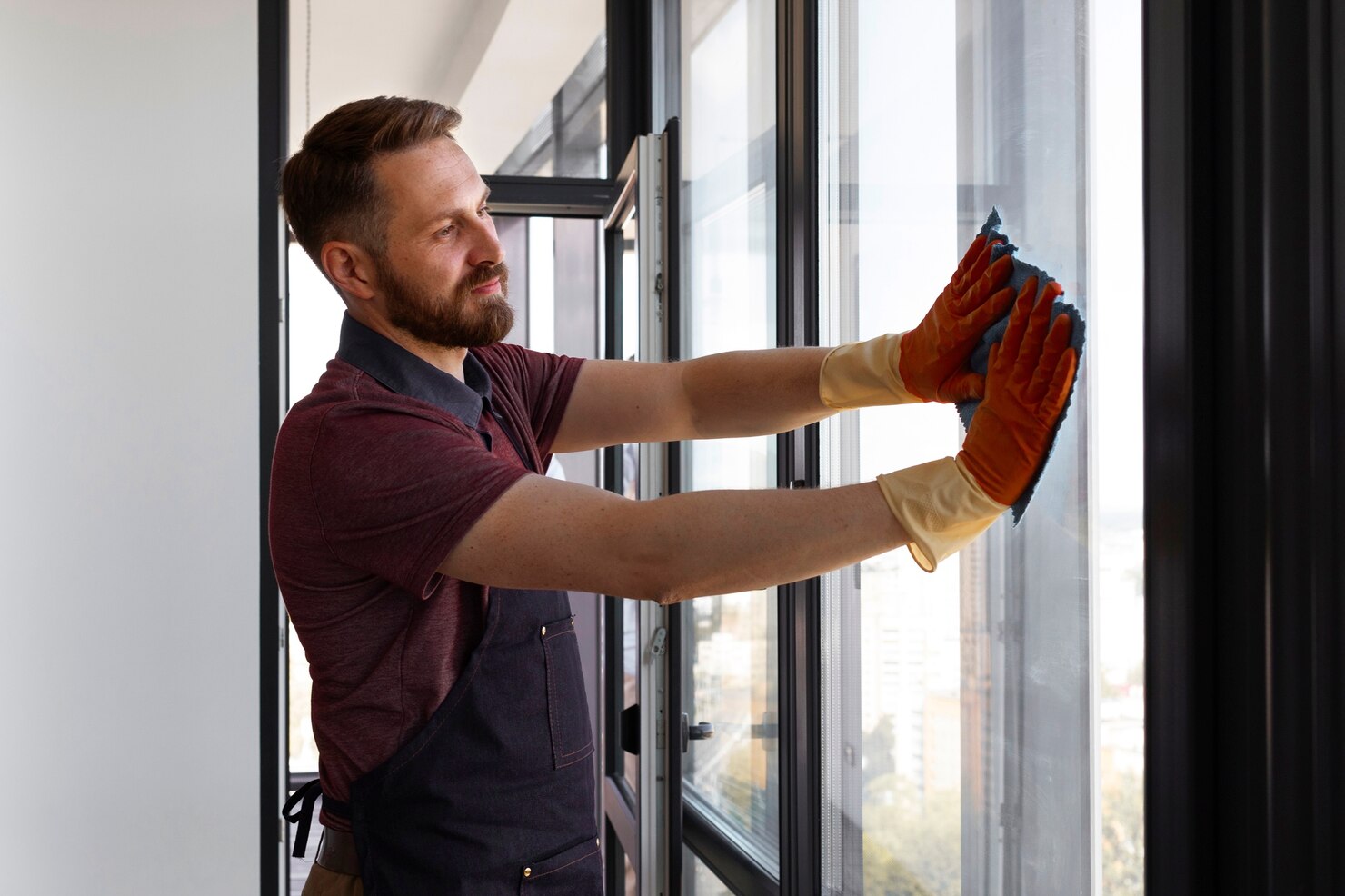

Bay Area vs Los Angeles: Sustainable Commercial Glass Repair vs Replacement vs Installation
Sustainability has become a major priority in California commercial real estate. Building owners, developers, facility managers, architects, tenants, and investors increasingly evaluate commercial glass systems not only by appearance or immediate cost, but by long-term energy performance, durability, maintenance reduction, occupant comfort, and lifecycle value. Throughout the Bay Area and Los Angeles, sustainable glazing strategies help commercial buildings reduce waste, improve efficiency, extend system life, and support stronger environmental performance over decades of use.
The Bay Area includes sustainability-focused commercial markets across San Francisco, Oakland, Berkeley, San Jose, Palo Alto, Mountain View, Sunnyvale, Santa Clara, Redwood City, South San Francisco, Fremont, Walnut Creek, San Mateo, San Rafael, Emeryville, and neighboring communities. Technology campuses, biotechnology facilities, universities, healthcare buildings, mixed-use developments, and office towers often prioritize efficiency, daylight, building envelope performance, and long-term carbon reduction.
The Los Angeles region includes Los Angeles, Santa Monica, Pasadena, Glendale, Burbank, Culver City, El Segundo, Long Beach, Anaheim, Irvine, Costa Mesa, Orange, Beverly Hills, Century City, Torrance, and surrounding commercial districts. Hospitality properties, entertainment campuses, healthcare facilities, shopping centers, logistics buildings, mixed-use developments, and corporate offices increasingly rely on sustainable building improvements to reduce operating costs and improve property performance.
Sustainable commercial glass strategy is not simply about installing new products. It begins with choosing the right level of intervention: repair, replacement, or new installation.
Sustainability Begins with Smart Lifecycle Decisions
The most sustainable choice is not always complete replacement.
Owners often evaluate:
- Existing system condition
- Remaining service life
- Energy performance
- Maintenance history
- Material availability
- Tenant needs
- Long-term ownership goals
Repairing a functional system may reduce waste, while replacing an inefficient or failing system may produce better long-term environmental and financial results.
When Repair Supports Sustainability
Repair can be a strong sustainability strategy when the existing system still performs well.
Repair is often appropriate when:
- Damage is localized
- Aluminum framing remains sound
- Sealants need targeted restoration
- Door hardware can be serviced
- Individual insulated glass units fail
- Water intrusion is limited
- Building envelope performance remains acceptable
Targeted repairs reduce unnecessary demolition while extending the useful life of existing materials.
Replacement Can Improve Long-Term Efficiency
Replacement becomes more sustainable when aging systems create energy loss, recurring repairs, or moisture problems.
Replacement is commonly recommended when:
- Energy performance declines
- Multiple insulated glass units fail
- Air leakage increases
- Water intrusion becomes recurring
- Maintenance costs continue rising
- Building modernization is planned
- Occupant comfort decreases
Modern commercial glazing can reduce heat gain, improve insulation, increase daylight comfort, and lower the burden on mechanical systems.
New Installation Supports High-Performance Buildings
New construction and major redevelopment allow sustainability to be planned from the beginning.
Modern sustainable installations frequently include:
- Low-E insulated glass
- Thermally improved aluminum framing
- High-performance curtain walls
- Energy-efficient storefront systems
- Durable sealant assemblies
- Daylighting strategies
- Integrated building envelope systems
These systems help reduce operating costs while supporting healthier, more comfortable commercial interiors.
Sustainable Glass Projects Reduce More Than Energy Use
Commercial glazing sustainability includes multiple performance factors.
Project teams often evaluate:
- Material durability
- Maintenance frequency
- Occupant comfort
- Natural daylight
- HVAC load reduction
- Waste reduction
- Long-term lifecycle value
A sustainable glazing project should improve both environmental performance and building operations.
Regional Priorities Shape Sustainability Strategy
The Bay Area and Los Angeles both prioritize sustainability, but their building challenges differ.
Throughout the Bay Area, sustainable glazing projects often focus on:
- Energy-conscious technology campuses
- Laboratory and healthcare efficiency
- Adaptive reuse
- Transit-oriented development
- Seismic modernization
- Moisture management
Throughout Los Angeles and Southern California, projects frequently emphasize:
- Solar heat control
- Cooling load reduction
- Hospitality modernization
- Mixed-use redevelopment
- Coastal durability
- Large campus efficiency
These regional priorities influence product selection, glazing specifications, maintenance planning, and long-term capital investment.
Bay Area vs Los Angeles: Where Sustainable Glass Strategies Apply
Bay Area sustainability markets include:
San Francisco
Oakland
Berkeley
San Jose
Palo Alto
Mountain View
Sunnyvale
Santa Clara
Redwood City
South San Francisco
Fremont
Walnut Creek
San Mateo
San Rafael
Emeryville
Los Angeles regional sustainability markets include:
- Los Angeles
- Santa Monica
- Pasadena
- Glendale
- Burbank
- Culver City
- El Segundo
- Long Beach
- Anaheim
- Irvine
- Costa Mesa
- Orange
- Beverly Hills
- Century City
- Torrance
Across both regions, successful sustainable glazingprojectsprioritize energy efficiency, lifecycle planning, durability,wastereduction, occupant comfort, and long-term building performance.
Building More Sustainable Commercial Properties Across California
Commercial glass repair, replacement, and new installation each contribute to sustainable building performance in different ways. Repairs preserve existing resources, replacements improve inefficient or failing systems, and new installations create high-performance envelopes designed for decades of efficient operation.
Whether upgrading a technology campus in Mountain View, improving a laboratory building in South San Francisco, modernizing an office tower in San Francisco, renovating a hospitality property in Santa Monica, repositioning a mixed-use development in Long Beach, or constructing a new corporate campus in Irvine, thoughtfully planned commercial glazing strengthens the building envelope, reduces operating waste, improves energy performance, enhances occupant comfort, and supports the long-term value of California’s largest commercial regions.