


Bay Area vs Los Angeles: The Commercial Glass Decision Guide—Repair vs Replacement vs Installation
Every commercial building eventually reaches a decision point. A cracked storefront, aging curtain wall, recurring water intrusion, outdated entrances, rising maintenance costs, or declining energy performance all raise the same question: should the system be repaired, replaced, or completely modernized through a new installation? The answer depends on far more than the immediate problem. Successful decisions consider the condition of the building envelope, lifecycle costs, tenant expectations, operational requirements, long-term ownership goals, and future redevelopment plans. Throughout the Bay Area and Los Angeles, commercial property owners, facility managers, developers, investors, and architects use these factors to determine the most appropriate path forward.
The Bay Area includes major commercial markets throughout San Francisco, Oakland, San Jose, Palo Alto, Mountain View, Sunnyvale, Santa Clara, Berkeley, Fremont, Redwood City, South San Francisco, Walnut Creek, San Mateo, San Rafael, Emeryville, Concord, and neighboring business districts. Technology campuses, healthcare facilities, biotechnology laboratories, universities, industrial parks, office towers, and mixed-use developments all require glazing decisions that balance performance with long-term investment strategies.
The Los Angeles region includes Los Angeles, Long Beach, Santa Monica, Century City, Beverly Hills, Pasadena, Glendale, Burbank, Culver City, El Segundo, Anaheim, Irvine, Costa Mesa, Orange, Torrance, and surrounding commercial centers. Hospitality properties, airports, shopping centers, entertainment campuses, logistics facilities, healthcare buildings, manufacturing plants, and corporate headquarters each face unique challenges as glazing systems age.
Rather than asking which option is universally best, experienced building owners ask which solution best fits the building’s current stage and future objectives.
When Repair Is the Right Decision
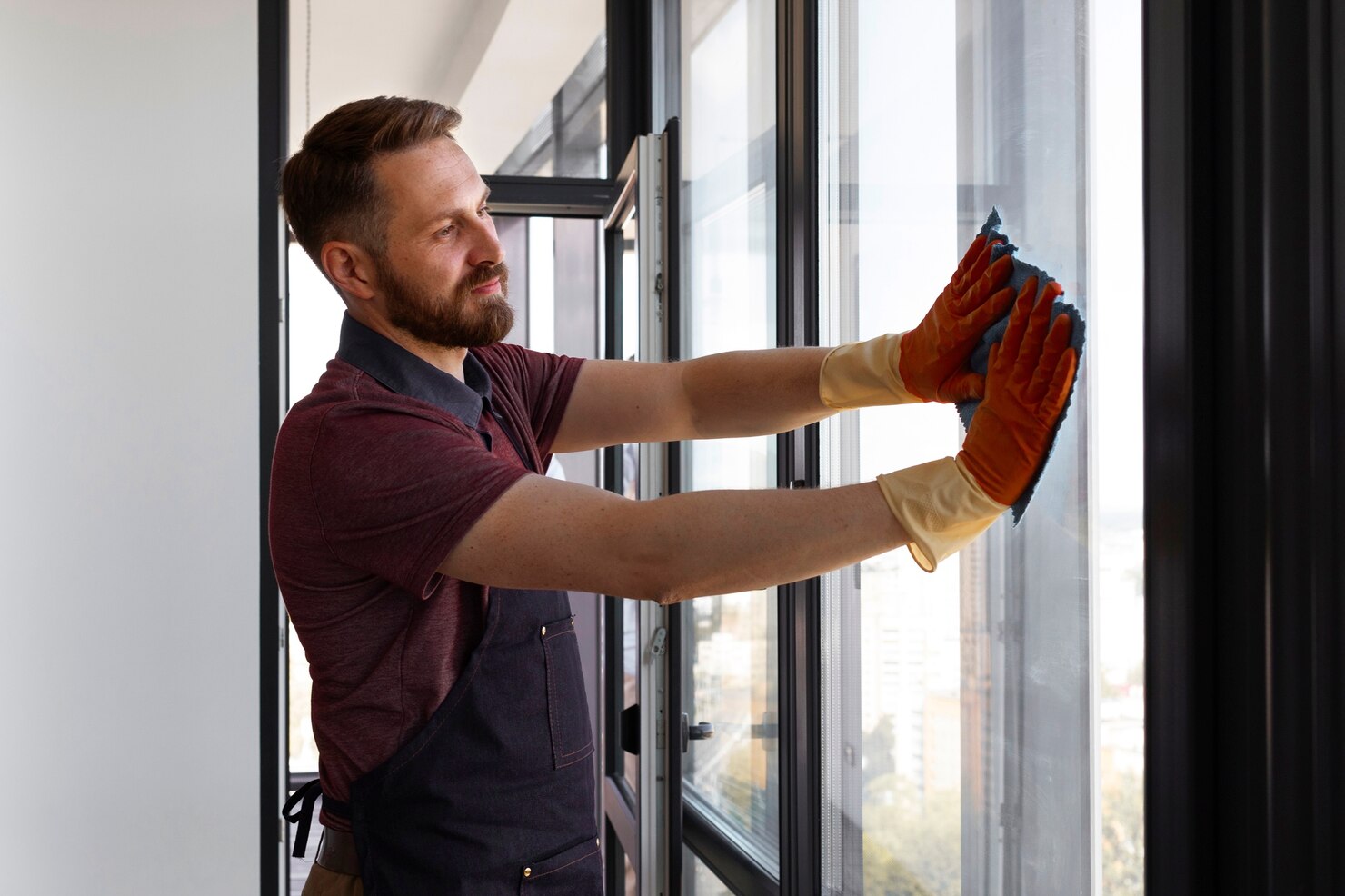
Repair is often the most practical choice when the overall glazing system remains in good condition.
Repair is commonly appropriate when:
- Damage is isolated
- Individual glass panels require replacement
- Door hardware needs servicing
- Sealants require maintenance
- Insulated glass units fail
- Water intrusion is limited
- Structural framing remains sound
Timely repairs restore performance while preserving capital for future improvements.
When Replacement Creates Greater Long-Term Value
Replacement becomes increasingly attractive when building systems begin reaching the end of their useful life.
Replacement is often recommended when:
- Multiple glazing components deteriorate
- Energy performance declines
- Maintenance costs continue increasing
- Water intrusion becomes recurring
- Tenant expectations evolve
- Building appearance becomes outdated
- Major modernization projects begin
Replacing aging systems frequently improves operational efficiency while reducing future maintenance demands.
When New Installation Supports Future Growth
New installation is appropriate during major redevelopment or new construction.
Modern installations frequently include:
- High-performance curtain walls
- Energy-efficient storefront systems
- Low-E insulated glass
- Thermally improved aluminum framing
- Automatic entrance systems
- Sustainable building envelope assemblies
- Integrated smart building technologies
These systems position commercial properties for decades of reliable performance and changing tenant expectations.
The Best Decision Looks Beyond Today’s Problem
Commercial glass decisions should support the entire building rather than a single repair.
Owners commonly evaluate:
- Building age
- Lifecycle stage
- Maintenance history
- Energy performance
- Occupancy requirements
- Capital improvement plans
- Long-term ownership strategy
Evaluating the complete building often produces better outcomes than focusing only on immediate repair costs.
Property Type Influences Every Decision
Different commercial buildings require different glazing strategies.
Decision-making commonly varies for:
- Office buildings
- Retail centers
- Healthcare facilities
- Hotels
- Universities
- Industrial properties
- Mixed-use developments
- Government buildings
The appropriate solution depends on building use, occupant needs, operating schedules, and future redevelopment plans.
Regional Priorities Influence Commercial Glass Decisions
Although the decision process remains similar statewide, regional markets create different priorities.
Throughout the Bay Area, decision-making often emphasizes:
- Technology campus modernization
- Laboratory expansion
- Sustainability initiatives
- Adaptive reuse
- Seismic resilience
- Office repositioning
Throughout Los Angeles and Southern California, priorities frequently include:
- Hospitality renovations
- Entertainment facilities
- Airport modernization
- Retail redevelopment
- Logistics expansion
- Mixed-use investment
These regional factors influence project timing, budgeting, glazing specifications, and long-term investment planning.
Bay Area vs Los Angeles: Where This Decision Guide Applies
Bay Area commercial decision markets include:
San Francisco
Oakland
San Jose
Palo Alto
Mountain View
Sunnyvale
Santa Clara
Berkeley
Fremont
Redwood City
South San Francisco
Walnut Creek
San Mateo
San Rafael
Emeryville
Concord
Los Angeles regional commercial decision markets include:
- Los Angeles
- Long Beach
- Santa Monica
- Century City
- Beverly Hills
- Pasadena
- Glendale
- Burbank
- Culver City
- El Segundo
- Anaheim
- Irvine
- Costa Mesa
- Orange
- Torrance
Across both regions, successful commercial glass decisions prioritize lifecycle planning, operational reliability, energy efficiency, occupant comfort, building envelope integrity, preventive maintenance, and long-term property value rather than focusing only on immediate project costs.
Making Better Commercial Glass Decisions
Commercial glass repair, replacement, and new installation are complementary strategies rather than competing solutions. Repairs preserve well-performing systems, replacements renew aging assets when modernization creates greater value, and new installations prepare commercial properties for the next generation of tenants, technology, and operational demands.
Whether maintaining a biotechnology campus in South San Francisco, upgrading a healthcare facility in Oakland, modernizing an office tower in San Jose, renovating a beachfront hotel in Santa Monica, improving a logistics center in Long Beach, or developing a corporate headquarters in Irvine, a thoughtful decision-making process helps strengthen the building envelope, improve operational performance, reduce lifecycle costs, enhance tenant satisfaction, and maximize the long-term value of commercial real estate throughout California’s two largest metropolitan regions.