

Commercial Storefront Glass

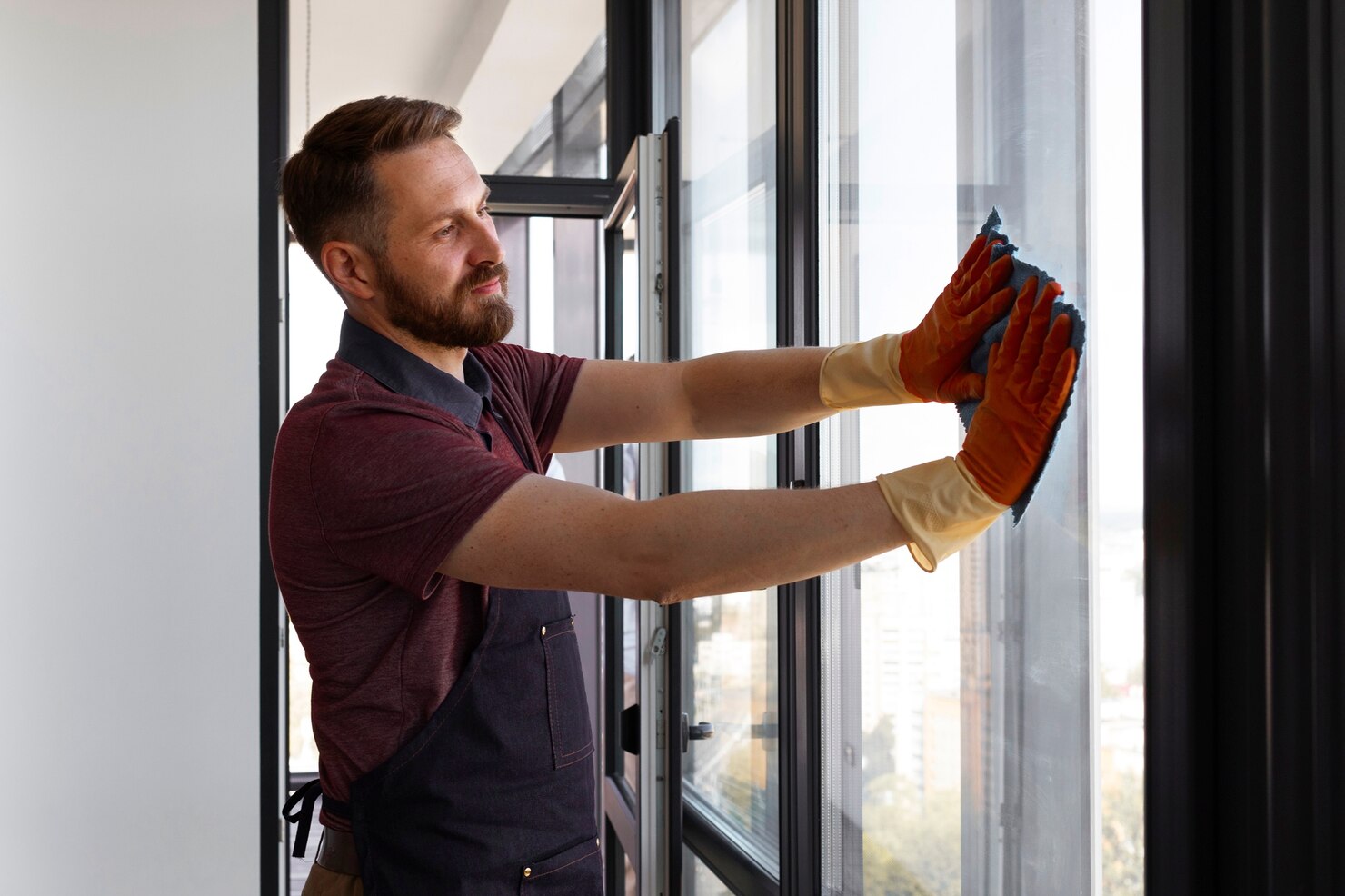
Repair

Fast, reliable repairs for all types of commercial glass and storefronts.

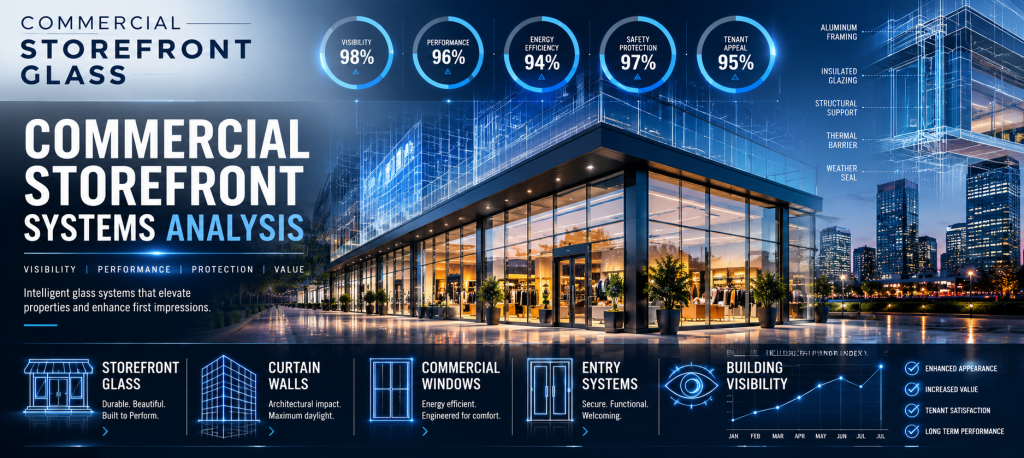
Replacement

High-quality glass replacement for safety, security, and efficiency.

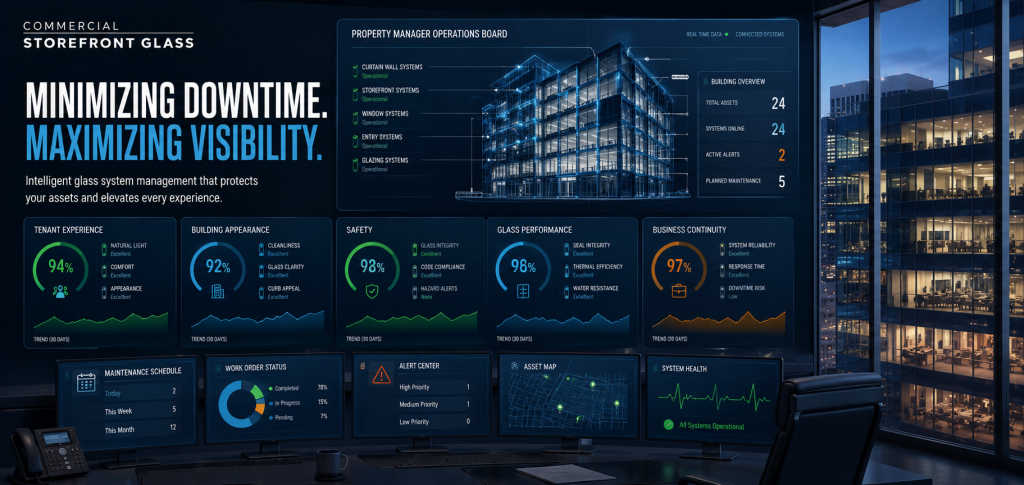
Installation

Professional installation for new construction and renovation projects.

Durham vs Chapel Hill: Commercial Glass Repair, Replacement & Installation

Durham and Chapel Hill are neighboring communities with distinct commercial identities that together form one of the nation’s most dynamic innovation corridors. Anchored by world-class universities, healthcare systems, biotechnology companies, pharmaceutical research, and technology firms, these two markets continue attracting investment in laboratories, medical facilities, office buildings, mixed-use developments, educational campuses, and life science infrastructure. Throughout both communities, commercial property owners, developers, facility managers, architects, and general contractors regularly evaluate whether commercial glass systems should be repaired, replaced, or upgraded to improve building performance, operational efficiency, and long-term property value.

Durham has become a major center for biotechnology, pharmaceutical manufacturing, healthcare, startup companies, and commercial redevelopment. Growth extends throughout Downtown Durham, Research Triangle Park (RTP), South Durham, North Durham, and surrounding business districts where laboratory construction, corporate campuses, industrial development, and mixed-use projects continue expanding.

Chapel Hill maintains a strong focus on higher education, healthcare, research, professional services, and community-centered commercial development. The University of North Carolina, UNC Health facilities, research buildings, medical offices, retail centers, hospitality properties, and institutional buildings create steady demand for high-performance commercial glazing throughout Chapel Hill and neighboring Orange County.

Although separated by only a few miles, Durham and Chapel Hill often prioritize different building types, creating unique opportunities for commercial glass repair, replacement, and new installation.



Two Innovation Markets with Different Commercial Strengths

Both communities continue investing in high-quality commercial development.

Durham commercial growth includes:

  • Biotechnology laboratories
  • Pharmaceutical facilities
  • Technology companies
  • Corporate offices
  • Industrial development
  • Healthcare expansion
  • Mixed-use redevelopment
  • Research campuses

Chapel Hill commercial growth includes:

  • University facilities
  • Medical campuses
  • Research buildings
  • Professional offices
  • Hospitality properties
  • Student-oriented mixed-use projects
  • Community retail
  • Institutional development

Commercial glazing supports each of these specialized environments.

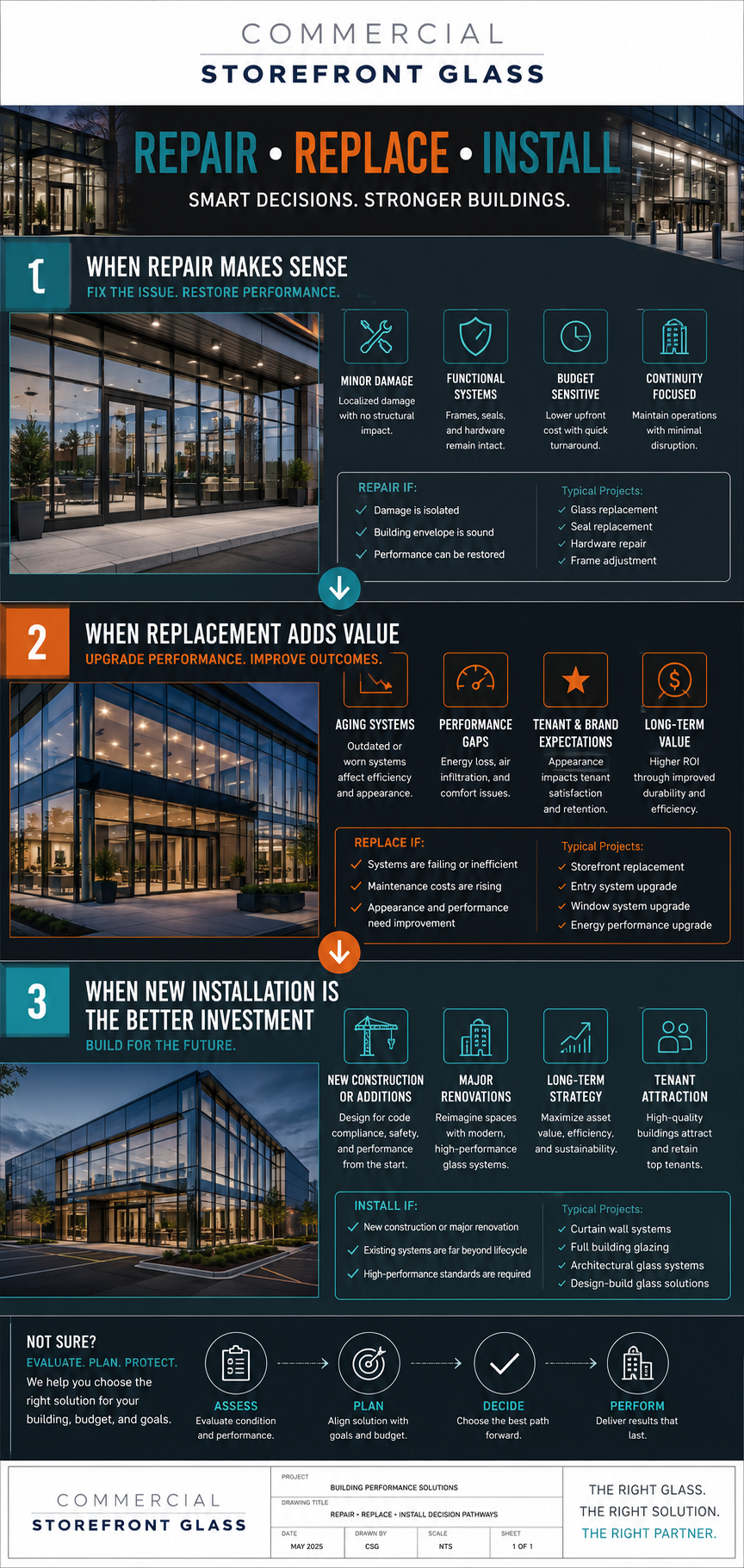
When Commercial Glass Repair Is the Best Solution

Many glazing issues can be addressed without replacing the complete system.

Repair is often appropriate when:

  • Individual glass panels are damaged
  • Insulated glass units fail
  • Door hardware requires servicing
  • Automatic entrances need adjustment
  • Sealants deteriorate
  • Water intrusion remains localized
  • Aluminum framing remains structurally sound

Timely repairs restore building performance while minimizing disruptions to business, healthcare, education, and research activities.


When Replacement Creates Better Long-Term Value

As commercial buildings mature, replacement often provides greater long-term value than repeated repairs.

Replacement is commonly recommended when:

  • Multiple glazing systems begin failing
  • Energy performance declines
  • Building appearance becomes outdated
  • Water intrusion becomes recurring
  • Maintenance costs continue increasing
  • Laboratory or office renovations begin
  • Capital improvement projects are planned

Modern glazing systems improve efficiency while supporting evolving tenant and institutional needs.

New Installation Supports Research and Commercial Growth

Both Durham and Chapel Hill continue expanding through new commercial construction.

Modern installations commonly include:

  • Curtain wall systems
  • Aluminum storefront systems
  • Commercial windows
  • Glass entrances
  • Automatic doors
  • High-performance insulated glass
  • Security glazing
  • Laboratory-compatible building envelope systems

These systems help create efficient, comfortable environments that support research, healthcare, education, and business operations.

Climate Influences Building Performance

Both communities experience similar environmental conditions that affect commercial glazing.

Owners commonly plan for:

  • Summer heat and humidity
  • Heavy seasonal rainfall
  • Thunderstorms
  • Moisture management
  • Wind exposure
  • Mild winters
  • Energy efficiency throughout changing seasons

These conditions influence glazing selection, maintenance planning, weather resistance, and long-term building envelope performance.


Commercial Property Types Continue Expanding

Commercial glass supports nearly every major property sector.

Common projects include:

  • Research laboratories
  • Medical office buildings
  • Hospitals
  • University facilities
  • Corporate offices
  • Biotechnology campuses
  • Retail centers
  • Hotels
  • Mixed-use developments
  • Government buildings
  • Industrial facilities
  • Professional office parks

Each building type requires glazing systems designed for its operational and performance goals.

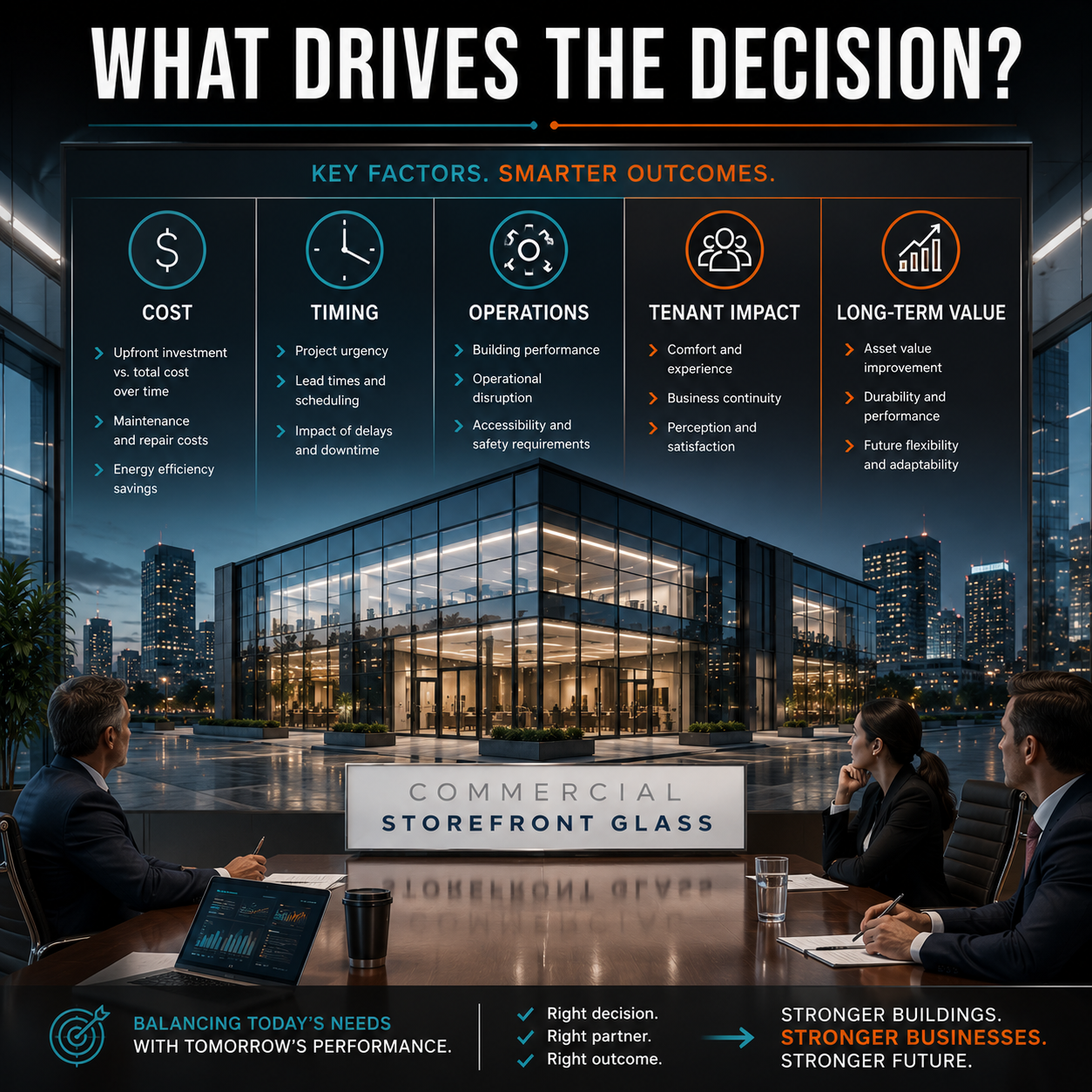
Long-Term Building Performance Drives Investment

Commercial glass contributes to much more than building appearance.

Owners commonly prioritize:

  • Energy efficiency
  • Occupant comfort
  • Natural daylight
  • Security
  • Preventive maintenance
  • Building envelope performance
  • Lifecycle planning
  • Long-term property value

Evaluating glazing as part of the overall building strategy helps reduce operating costs while improving long-term asset performance.

Durham vs Chapel Hill: Where These Strategies Apply

Durham regional markets include:

  • Downtown Durham
  • Research Triangle Park
  • South Durham
  • North Durham
  • Hope Valley
  • Brightleaf District
  • American Tobacco Campus
  • Duke University area

Chapel Hill regional markets include:

  • Downtown Chapel Hill
  • UNC Campus
  • Meadowmont
  • Southern Village
  • Eastowne
  • Chapel Hill North
  • University Place
  • NC 54 Corridor

Across both communities, commercial property owners benefit from proactive maintenance, strategic modernization, thoughtful capital planning, and high-performance glazing systems designed for long-term reliability.

Supporting the Research Triangle’s Commercial Future

Commercial glass repair, replacement, and new installation each contribute to stronger commercial properties throughout Durham and Chapel Hill. Repairs preserve valuable building assets, replacements modernize aging facilities, and new installations create efficient buildings designed for the next generation of research, healthcare, education, and business.

Whether upgrading a biotechnology laboratory in Research Triangle Park, modernizing a healthcare facility near Duke University, improving a corporate office in Downtown Durham, renovating a medical building near UNC, expanding a mixed-use development in Chapel Hill, or constructing a new research campus, thoughtfully engineered commercial glazing strengthens the building envelope, improves energy efficiency, enhances occupant comfort, supports operational reliability, and increases the long-term value of commercial real estate across one of America’s leading innovation regions.