



Manhattan vs The Loop — Financial Capital vs Corporate Capital
America's Two Most Influential Business Districts
Manhattan and Chicago’s Loop represent two of the most recognizable commercial centers in the United States. Manhattan serves as the nation’s financial capital, while The Loop functions as the corporate heart of the Midwest. Both districts are defined by iconic skylines, world-class office buildings, luxury hotels, major retailers, and millions of square feet of commercial real estate that depend on durable, high-performing storefront systems.
From the perspective of commercial storefront glass, these business districts face many of the same challenges. Buildings must accommodate heavy pedestrian traffic, create impressive first impressions, support energy efficiency, and provide reliable performance for decades. Although the industries differ, the importance of attractive, durable storefront entrances remains the same.
Manhattan: Where Global Finance Meets Commercial Real Estate
Manhattan is home to some of the most valuable commercial property in the world. Wall Street, Midtown, Hudson Yards, and Fifth Avenue attract financial institutions, Fortune 500 companies, luxury retailers, and international businesses that demand premium commercial spaces.
Commercial properties commonly include:
- Office towers
- Financial institutions
- Luxury retail
- Hotels
- Mixed-use developments
- Corporate headquarters
For many owners, storefront renovations are part of maintaining Class A office space and attracting high-value tenants.
The Loop: The Midwest's Corporate Headquarters
Chicago’s Loop has long served as the business center of the Midwest. Surrounded by landmark architecture, commuter rail lines, government offices, and corporate headquarters, the district supports one of America’s largest concentrations of office space.
Businesses throughout The Loop include:
- Corporate headquarters
- Law firms
- Financial services
- Hotels
- Government offices
- Convention facilities
As office buildings evolve, storefront modernization remains an important part of keeping properties competitive.
Commercial Glass Priorities
Although both districts support different industries, building owners often pursue similar improvements.
Manhattan often emphasizes:
Premium street presence
Executive lobby renovations
Luxury architectural finishes
Modern tenant amenities
The Loop frequently focuses on:
Long-term building performance
High-traffic entrance systems
Office modernization
Tenant retention
Both markets rely on storefront systems that improve appearance while supporting everyday operations.
Architecture That Defines Each City
The character of each district is reflected in its buildings.
Manhattan is recognized for:
- Dense urban development
- Landmark skyscrapers
- Historic financial buildings
- Luxury commercial corridors
The Loop is known for:
- Classic Chicago architecture
- Corporate office towers
- Riverfront development
- Historic commercial landmarks
Storefront glass helps bridge historic architecture with modern commercial expectations.
Typical Commercial Storefront Projects
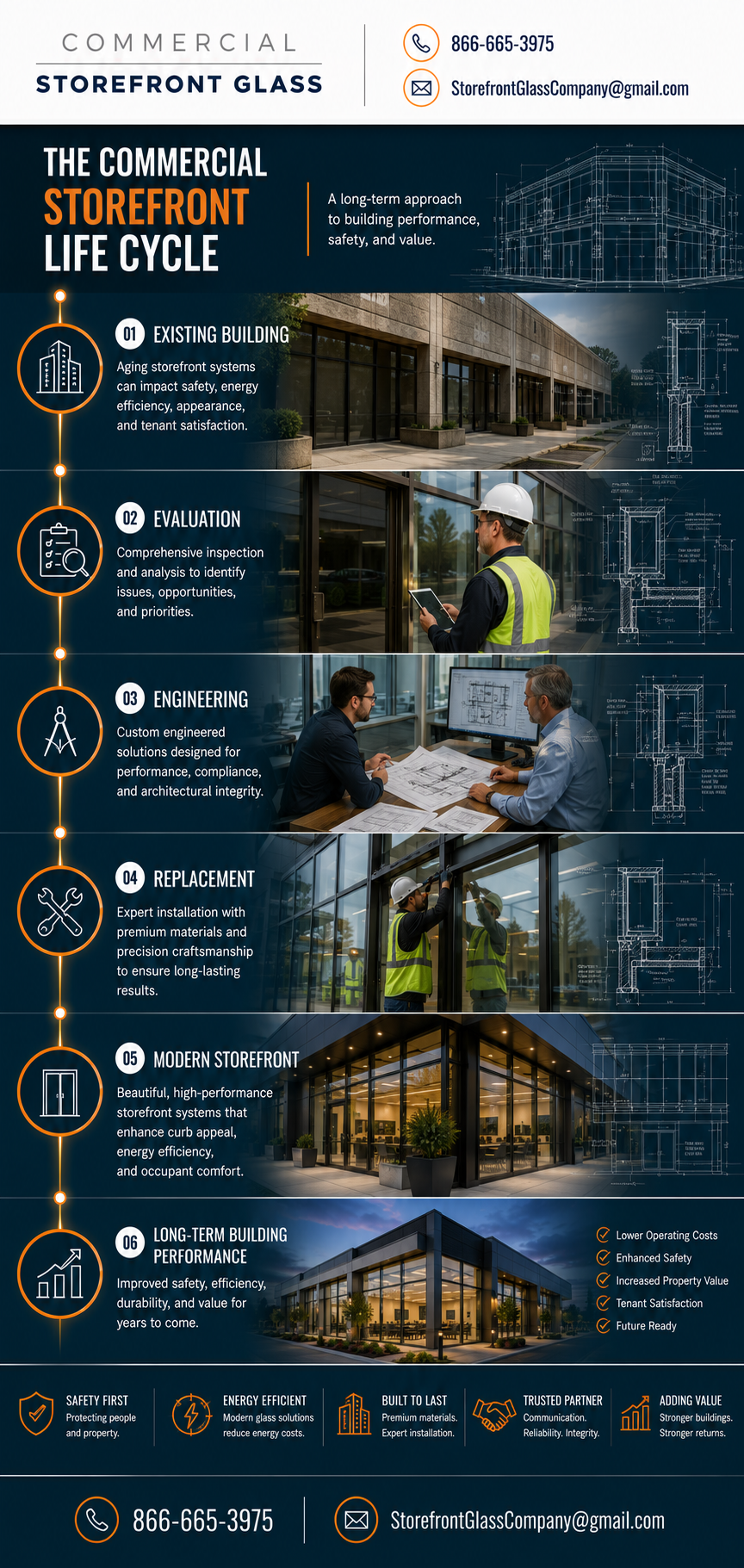
Commercial glazing contractors perform many of the same projects in both business districts.
Projects regularly include:
- Storefront replacement
- Commercial glass repair
- Office lobby renovations
- Glass entrance systems
- Tenant improvement projects
- Restaurant storefront upgrades
Whether renovating a century-old building or constructing a new tower, professionally installed storefront systems remain a critical part of commercial development.
Business Activity Never Stops
Every day, thousands of people move through these business districts.
In Manhattan you’ll find:
- Financial professionals
- Corporate executives
- International visitors
- Luxury shoppers
- Office workers
In The Loop you’ll find:
- Corporate employees
- Government workers
- Convention attendees
- Business travelers
- Downtown residents
Heavy daily activity places constant demands on commercial entrances, making durability and reliability essential.
What Both Markets Have in Common
Regardless of location, successful storefront systems help commercial buildings achieve the same long-term objectives.
They help create stronger first impressions, improve business visibility, increase natural daylight, support energy efficiency, simplify accessibility, reduce maintenance requirements, and reinforce long-term property value. These goals remain consistent whether the building overlooks Wall Street or Chicago’s financial district.
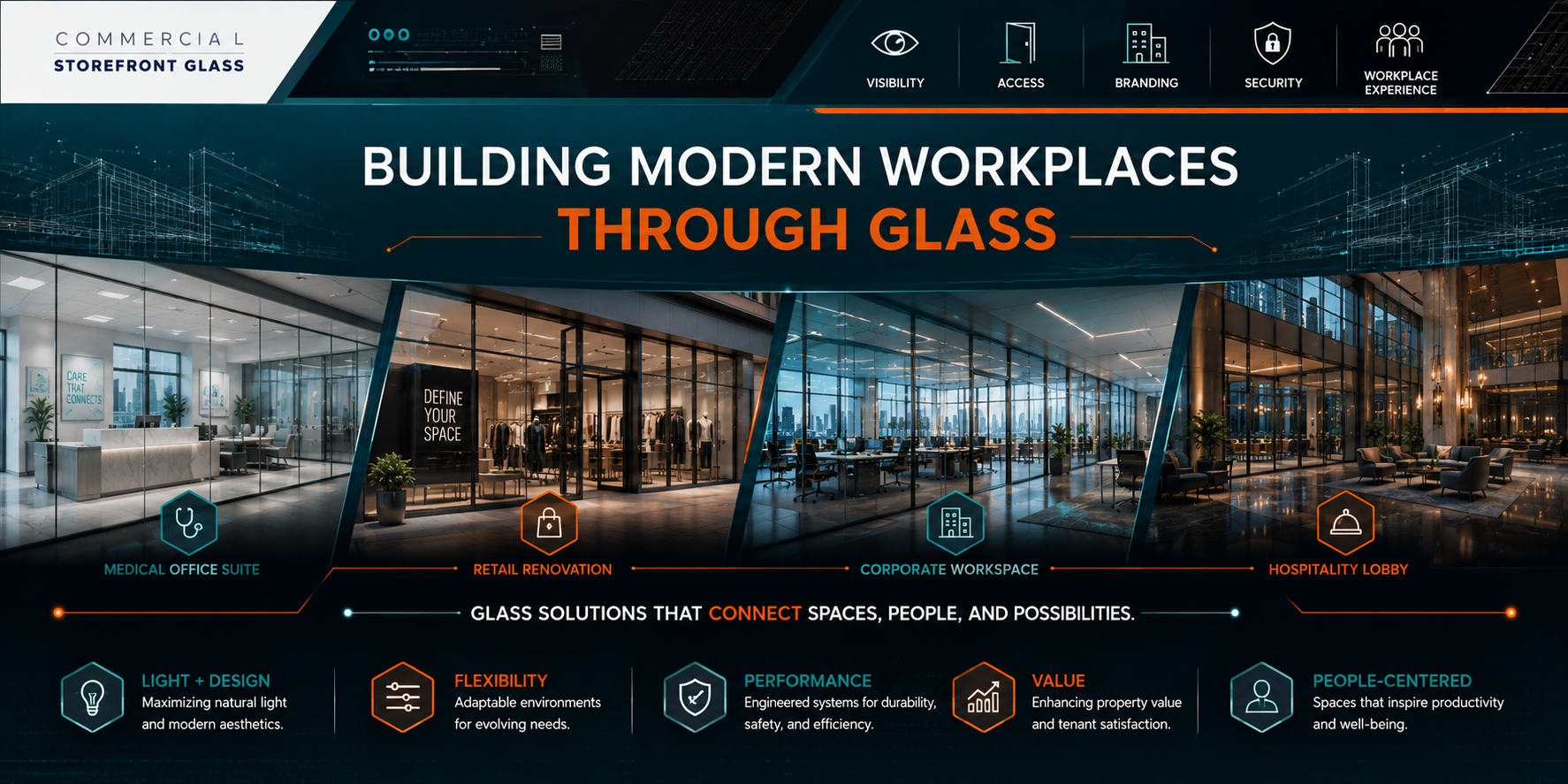
Financial Capital vs Corporate Capital
Manhattan and The Loop represent two different models of commercial leadership. One drives global finance while the other anchors the corporate economy of the American Midwest. Despite their different identities, both depend on commercial storefront glass to create welcoming entrances, modern office buildings, attractive retail spaces, and durable commercial environments.
For developers, architects, property owners, facility managers, leasing professionals, and general contractors, professionally installed commercial storefront glass continues to play a central role in protecting building performance, enhancing tenant experience, and strengthening the long-term value of two of America’s most important business districts.


