
Commercial Storefront Glass

Repair

Fast, reliable repairs for all types of commercial glass and storefronts.

Replacement

High-quality glass replacement for safety, security, and efficiency.

Installation

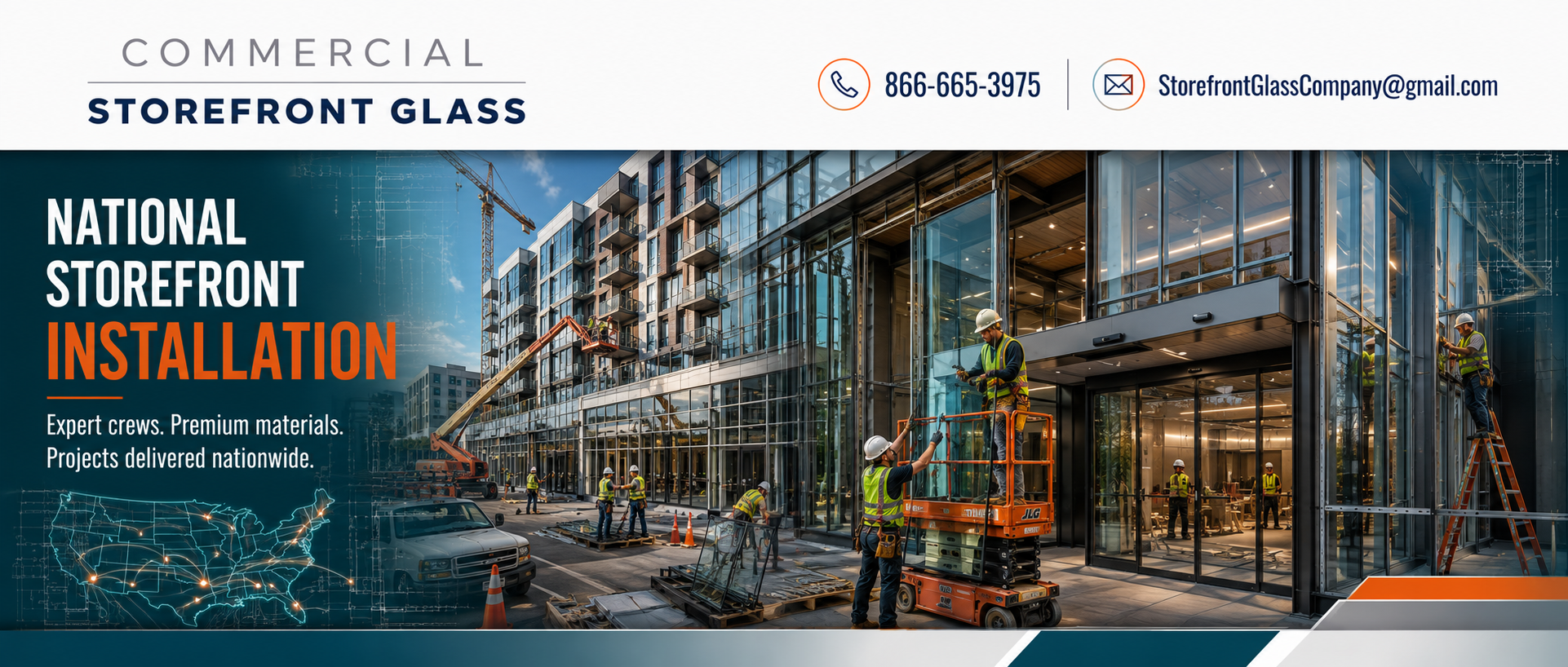
Professional installation for new construction and renovation projects.

Hudson Yards vs Fulton Market — New Construction District vs Adaptive Reuse District

Two Models of Urban Development. One Goal: Modern Commercial Space.

Hudson Yards in Manhattan and Fulton Market in Chicago showcase two of the most ambitious commercial transformations in the United States. Hudson Yards represents large-scale, ground-up development built around modern office towers, luxury retail, hotels, and public spaces. Fulton Market has followed a different path, transforming historic warehouses and industrial buildings into one of Chicago’s most desirable business districts through adaptive reuse and selective new construction.

From the perspective of commercial storefront glass, both neighborhoods demonstrate how modern glazing systems shape successful commercial environments. Whether installed in a brand-new high-rise or integrated into a century-old brick building, storefront systems help create welcoming entrances, improve energy efficiency, strengthen tenant appeal, and support long-term property performance.

Hudson Yards: Building a New Business District

Hudson Yards is one of the largest private real estate developments in North America. The district was planned as a completely new commercial neighborhood featuring Class A office towers, luxury hotels, premium retail, and public gathering spaces.

Commercial property types include:

  • Office towers
  • Corporate headquarters
  • Luxury retail
  • Hotels
  • Restaurants
  • Mixed-use developments

Every building was designed with modern building systems and contemporary architectural glazing from the very beginning.


Fulton Market: Reinventing an Industrial Neighborhood

Rather than replacing its past, Fulton Market has evolved by modernizing it.

Businesses throughout the district include:

  • Technology companies
  • Creative office space
  • Restaurants
  • Boutique hotels
  • Retail storefronts
  • Corporate headquarters

Historic warehouses have been converted into highly desirable commercial properties while preserving much of the neighborhood’s industrial character.

Two Different Construction Approaches

Although both districts attract similar tenants, the development process looks very different.

Hudson Yards focuses on:

✓ Ground-up construction

✓ Large commercial towers

✓ Integrated master planning

✓ Modern building systems

Fulton Market emphasizes:

✓ Adaptive reuse

✓ Historic preservation

✓ Building modernization

✓ Flexible tenant improvements

Each approach creates opportunities for commercial storefront glass while solving different architectural challenges.

Commercial Storefront Priorities

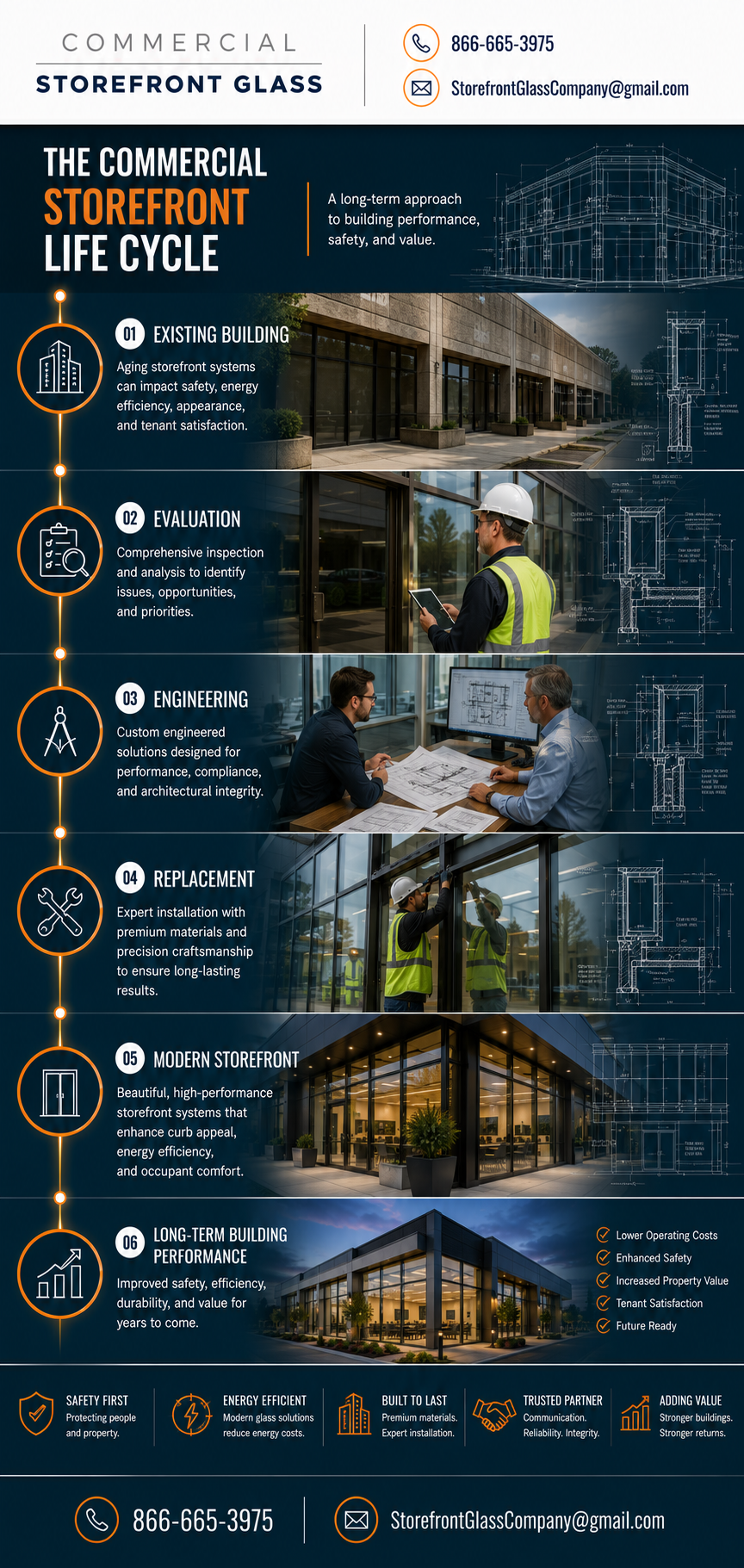
Property owners in both markets invest in storefront systems that improve both appearance and building performance.

Common priorities include:

  • Strong first impressions
  • Premium tenant experience
  • Energy-efficient entrances
  • Durable aluminum storefronts
  • Long-term reliability
  • Modern architectural design

Regardless of building age, the storefront remains one of the property’s most visible investments.


How Storefront Glass Supports Each District

Commercial glazing contractors frequently perform similar projects despite the different construction styles.

Typical work includes:

  • Storefront replacement
  • Commercial glass repair
  • Office lobby renovations
  • Restaurant storefront installation
  • Glass entrance systems
  • Tenant improvement projects

The installation methods may differ, but the objectives remain remarkably similar.

Designed for Modern Business

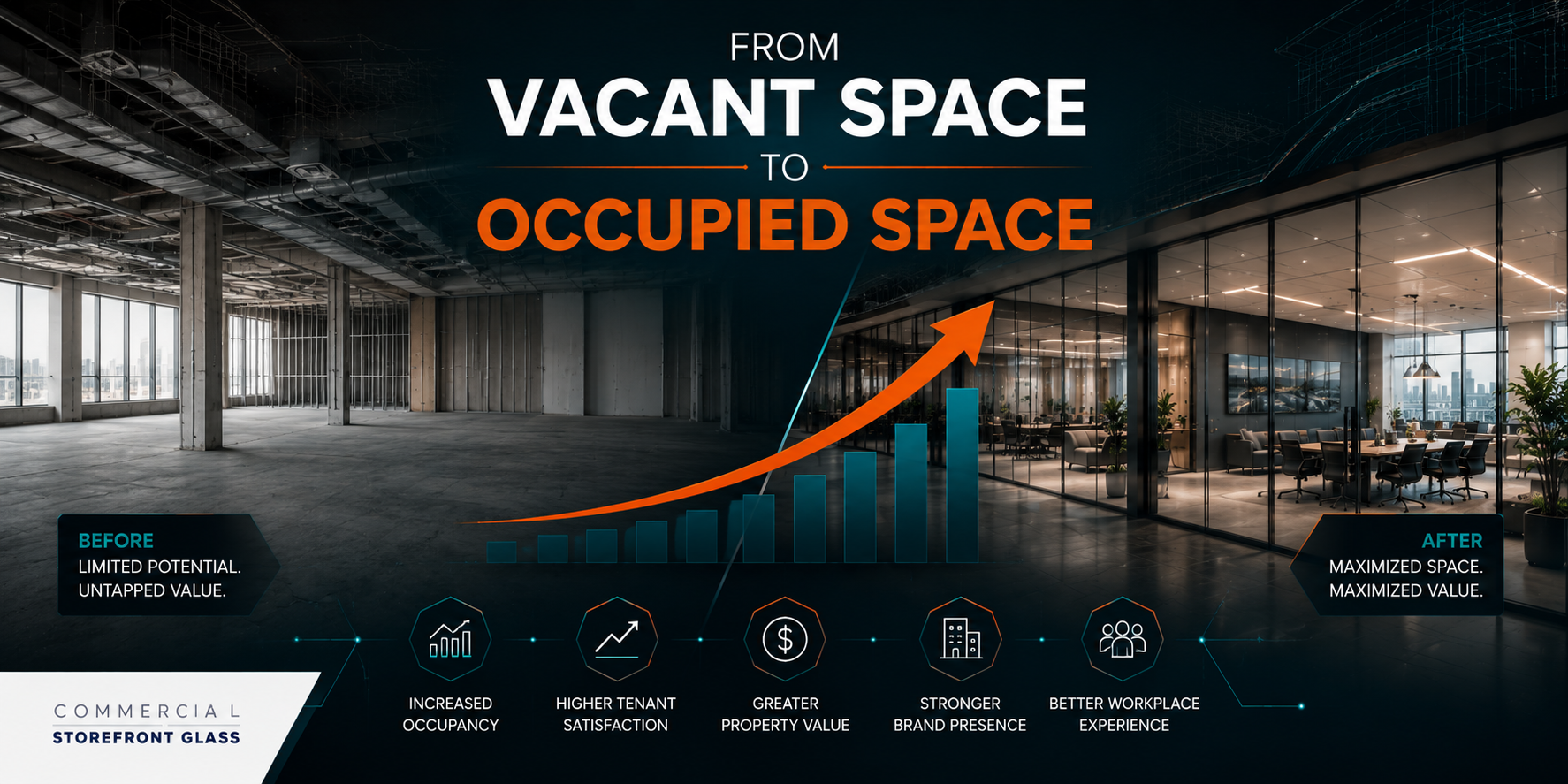
Today’s commercial tenants expect buildings that are attractive, efficient, and easy to maintain.

Hudson Yards delivers those expectations through newly constructed towers, while Fulton Market achieves them by modernizing existing structures.

Both districts rely on storefront systems that support:

  • Natural daylight
  • Accessibility
  • Energy efficiency
  • Professional appearance
  • Reliable daily operation

These qualities help attract tenants while protecting long-term property value.


A Destination for Business and Visitors

Each neighborhood has become more than a workplace.

Hudson Yards attracts:

  • Office employees
  • Luxury shoppers
  • Hotel guests
  • International visitors
  • Restaurant patrons

Fulton Market welcomes:

  • Technology professionals
  • Corporate employees
  • Local residents
  • Restaurant guests
  • Visitors exploring Chicago’s West Loop

Active streets require storefront systems that perform under continuous pedestrian traffic while maintaining a polished appearance.

New Construction vs Adaptive Reuse

Hudson Yards and Fulton Market represent two successful approaches to commercial development. One was built almost entirely from the ground up, while the other demonstrates how historic industrial buildings can be transformed into a thriving modern business district. Despite their different histories, both neighborhoods depend on commercial storefront glass to create inviting entrances, strengthen tenant appeal, improve building performance, and support long-term commercial investment.

For developers, architects, property owners, facility managers, leasing professionals, and general contractors, these districts illustrate that outstanding commercial environments are created not only through impressive architecture, but also through durable, high-performance storefront systems that connect buildings to the people who use them every day.