
Commercial Storefront Glass

Repair

Fast, reliable repairs for all types of commercial glass and storefronts.

Replacement

High-quality glass replacement for safety, security, and efficiency.

Installation

Professional installation for new construction and renovation projects.

Tenant Improvement Remodeling

Tenant improvement remodeling is one of the most effective ways for commercial property owners and businesses to modernize existing space without constructing an entirely new building. Across office parks, retail centers, medical campuses, industrial facilities, restaurants, hotels, and mixed-use developments, remodeling projects help transform outdated interiors into environments that better support today’s operational, technological, and workforce demands.

Whether a company is relocating to a new office suite, expanding into additional warehouse space, renovating a retail storefront, or repositioning an aging commercial property, tenant improvement remodeling allows owners and tenants to adapt existing spaces to changing business needs. These projects not only improve day-to-day functionality but also increase property value, strengthen tenant retention, and extend the life of commercial assets.

For developers, commercial property owners, facility managers, property managers, asset managers, architects, engineers, commercial brokers, business owners, and general contractors, tenant improvement remodeling remains one of the most important components of modern commercial real estate strategy.
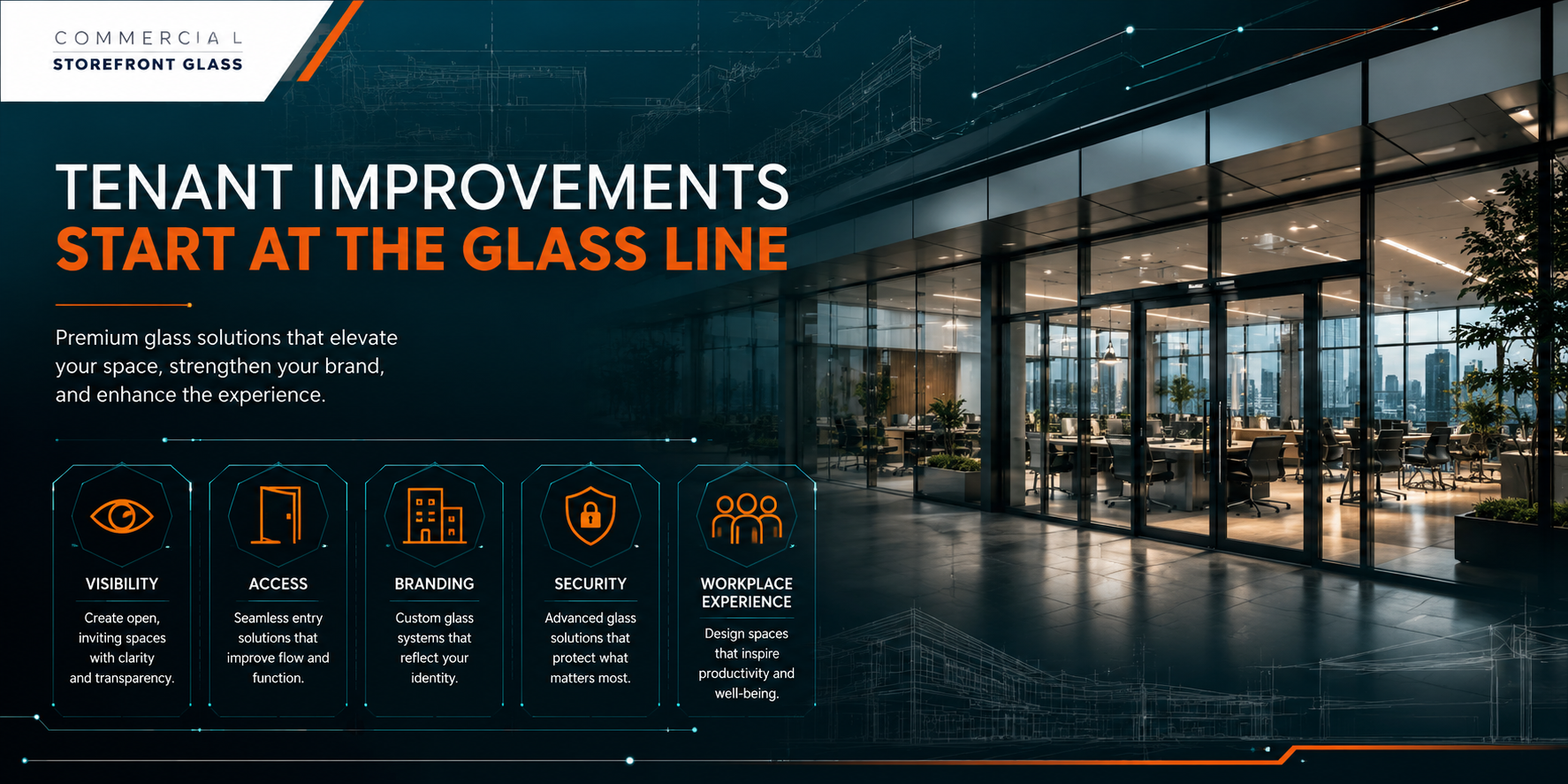


What Is Tenant Improvement Remodeling?

Tenant improvement remodeling refers to the renovation or modification of an existing commercial space to accommodate the requirements of a tenant. Remodeling projects can range from simple cosmetic upgrades to complete interior reconstruction involving structural changes and major infrastructure improvements.

Common remodeling projects include:

  • Office renovations
  • Retail remodels
  • Restaurant improvements
  • Medical office remodeling
  • Warehouse office build-outs
  • Hospitality renovations
  • Industrial office upgrades
  • Corporate headquarters expansions
  • Mixed-use developments
  • Common-area improvements

The objective is to create a space that aligns with the tenant’s operational goals while improving the overall performance of the property.

Why Businesses Invest in Remodeling

Commercial tenants remodel for many different reasons.

Common motivations include:

Accommodating company growth

Improving employee productivity

Updating outdated interiors

Enhancing customer experience

Supporting new technologies

Improving energy efficiency

Meeting accessibility requirements

Modernizing building systems

Strengthening company branding

Increasing property value

Tenant improvement remodeling often delivers a lower-cost alternative to relocating while allowing businesses to remain in established markets.

Office Remodeling and Workplace Modernization

Office renovations continue to represent one of the largest segments of tenant improvement remodeling.

Typical office improvements include:

  • Executive offices
  • Reception areas
  • Conference rooms
  • Open workspaces
  • Employee lounges
  • Collaboration zones
  • Wellness rooms
  • Break rooms
  • Training facilities
  • Technology infrastructure

Modern offices emphasize flexibility, natural light, employee well-being, and efficient use of space.

Retail Remodeling and Customer Experience

Retail properties regularly undergo renovations as consumer expectations evolve and businesses refresh their brands.

Common retail remodeling projects include:

  • Storefront upgrades
  • Interior finish improvements
  • Display systems
  • Customer service counters
  • Lighting enhancements
  • Flooring replacement
  • Accessibility improvements
  • Exterior renovations
  • Storage areas
  • Point-of-sale modernization

Retail remodeling focuses on improving both customer experience and operational performance.
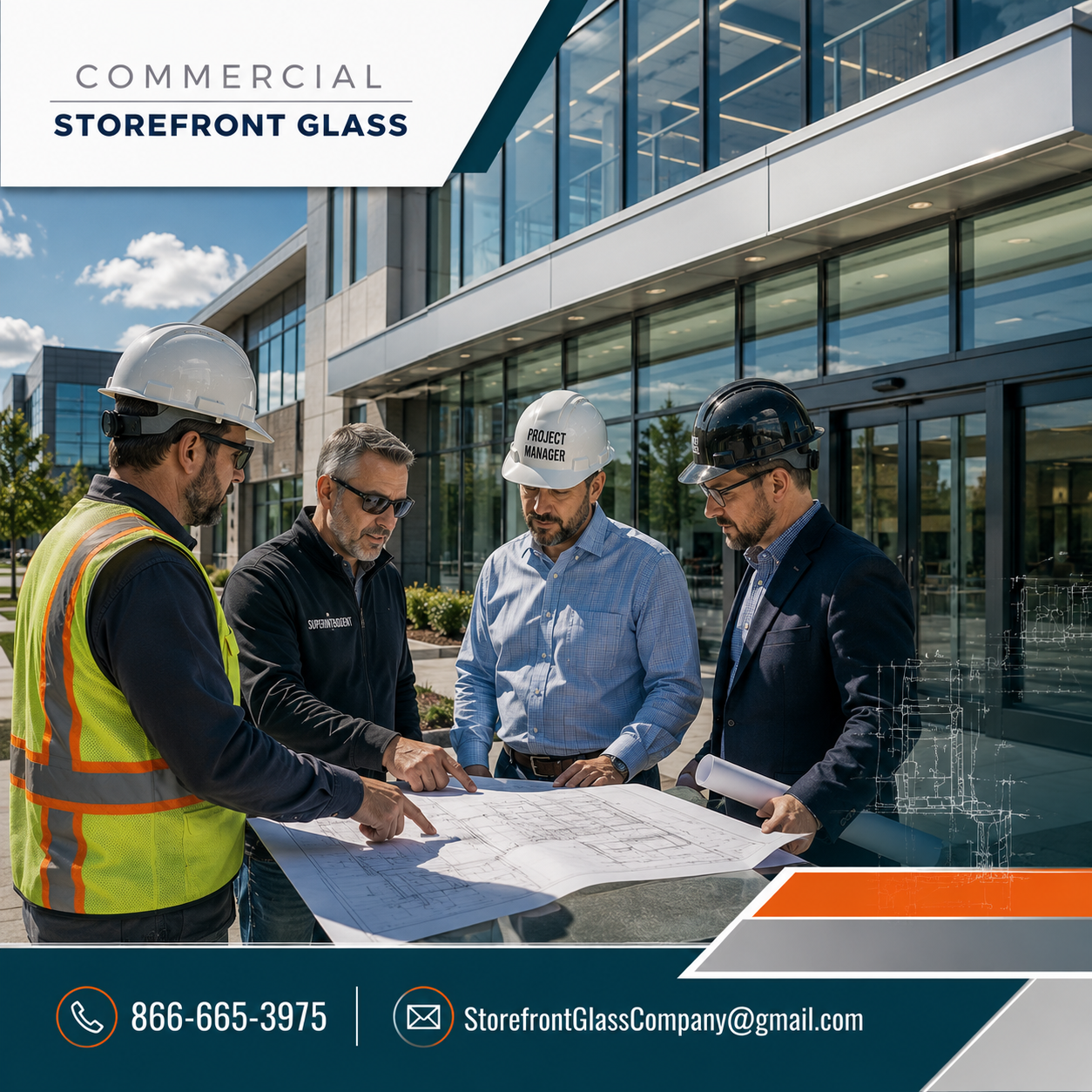


Industrial and Warehouse Remodeling

Industrial facilities increasingly require office and support spaces that integrate seamlessly with warehouse and manufacturing operations.

Industrial remodeling projects often include:

  • Administrative offices
  • Dispatch centers
  • Shipping departments
  • Human resources offices
  • Training rooms
  • Security offices
  • Conference facilities
  • Quality-control departments
  • Employee break areas
  • Executive suites

These improvements help industrial businesses improve communication, efficiency, and employee satisfaction.

Healthcare and Medical Remodeling

Healthcare facilities present unique remodeling challenges due to operational requirements and regulatory standards.

Medical remodeling projects commonly involve:

  • Reception areas
  • Patient waiting rooms
  • Exam rooms
  • Administrative offices
  • Treatment spaces
  • Laboratory support areas
  • Billing departments
  • Staff lounges
  • Conference rooms
  • Training facilities

Many healthcare projects occur in occupied environments, requiring careful phasing and extensive coordination.

Commercial Storefront Glass and Exterior Remodeling

Commercial storefront glass remains one of the most visible aspects of tenant improvement remodeling.

Common glazing improvements include:

  • Aluminum storefront systems
  • Commercial entrance systems
  • Automatic doors
  • Curtain walls
  • Interior glass partitions
  • Reception-area glazing
  • Conference-room glass
  • Insulated glass units
  • Safety glazing
  • Security glazing

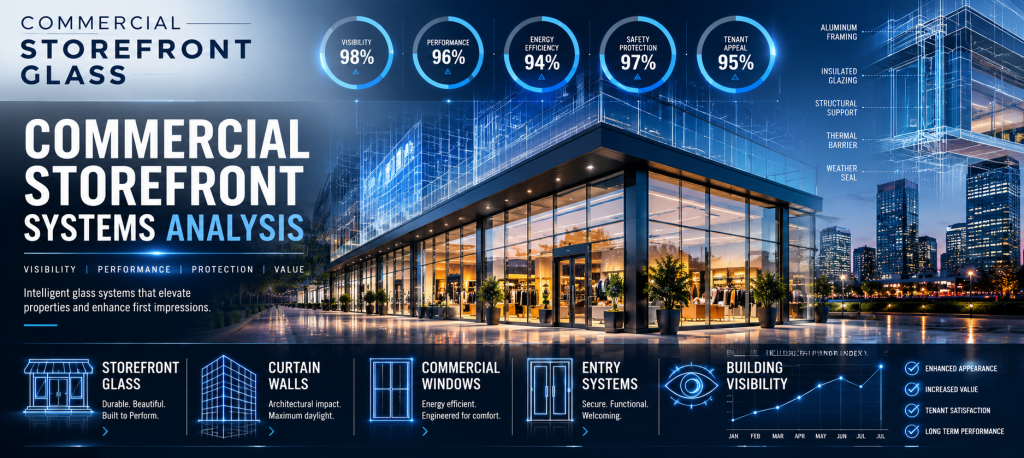
Modern storefront systems improve curb appeal, maximize natural daylight, increase energy efficiency, and strengthen the building envelope. Interior architectural glass creates open and collaborative workspaces while maintaining privacy and enhancing the overall appearance of commercial interiors.

For retail centers, office buildings, and healthcare campuses, storefront remodeling can dramatically improve both tenant perception and long-term property value.

Remodeling Building Systems

Tenant improvement remodeling frequently involves substantial infrastructure upgrades.

Common improvements include:

  • HVAC replacement
  • Electrical modernization
  • Plumbing upgrades
  • Fire protection systems
  • Building automation
  • Security systems
  • Access-control systems
  • Energy-efficient lighting
  • Data infrastructure
  • Indoor air-quality improvements

These systems support the long-term performance of commercial spaces and help reduce future operating costs.
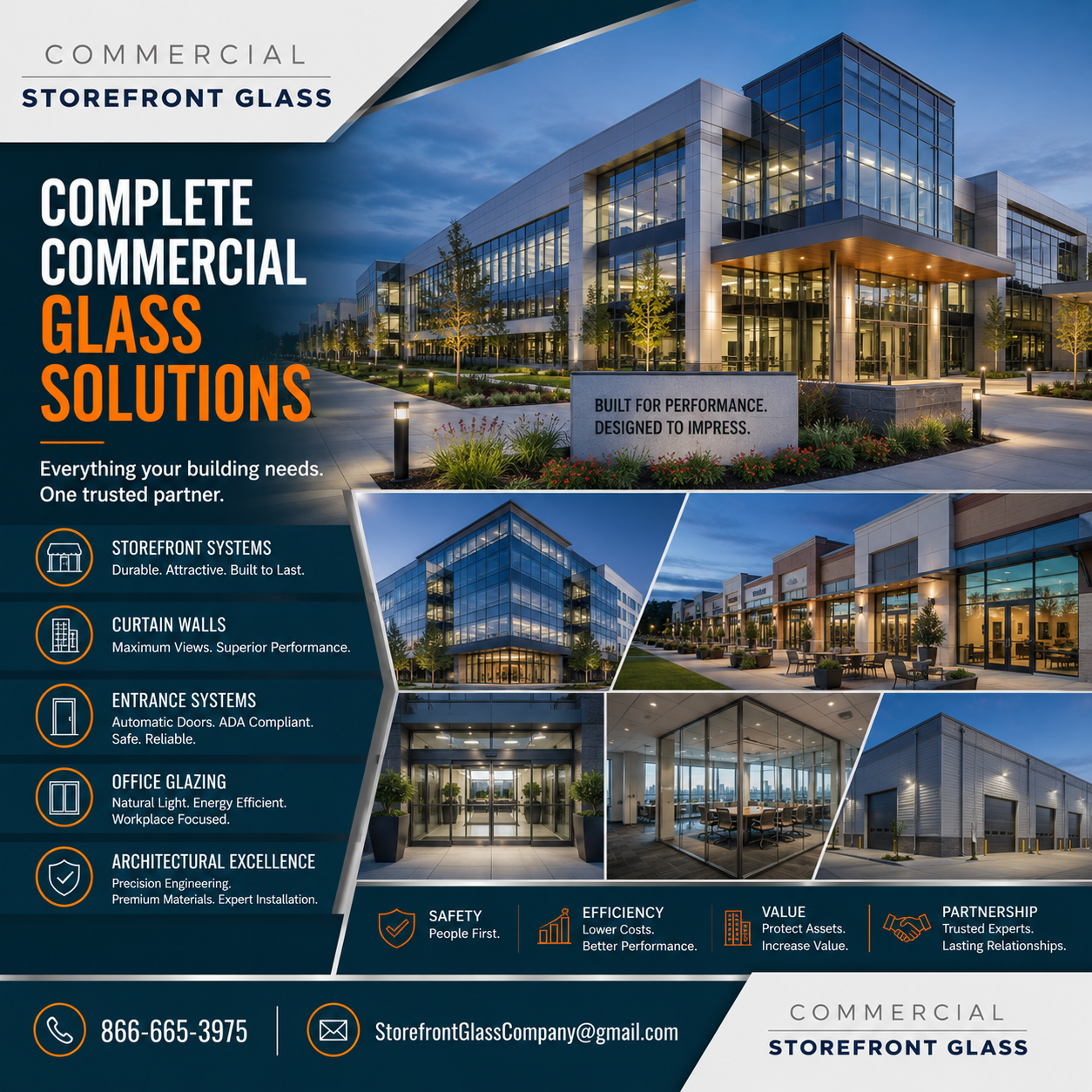


Remodeling Occupied Commercial Buildings

One of the most challenging aspects of tenant improvement remodeling is completing work while businesses remain operational.

Successful strategies often include:

Phased construction

Weekend work

Night shifts

Temporary entrances

Dust containment

Noise management

Occupant communication

Secure construction zones

Temporary relocations

Detailed scheduling

These strategies allow tenants to continue operating while construction progresses safely and efficiently.

The Tenant Improvement Remodeling Process

Successful remodeling projects require coordination among multiple professionals.

Typical project teams include:

  • Developers
  • Commercial property owners
  • Asset managers
  • Facility managers
  • Property managers
  • Architects
  • Engineers
  • Interior designers
  • General contractors
  • Commercial glazing contractors
  • Mechanical contractors
  • Electrical contractors
  • Plumbing contractors

Strong collaboration helps ensure projects remain on schedule, within budget, and aligned with long-term business goals.

Long-Term Benefits of Tenant Improvement Remodeling

Well-executed remodeling projects provide benefits that extend far beyond the construction period.

Key advantages include:

  • Increased tenant retention
  • Higher occupancy rates
  • Improved employee productivity
  • Enhanced customer experiences
  • Lower operating costs
  • Greater energy efficiency
  • Better space utilization
  • Improved building performance
  • Increased property value
  • Stronger long-term asset performance

These benefits make remodeling one of the most valuable investments available to commercial property owners.

Remodeling for the Future of Commercial Real Estate

Tenant improvement remodeling allows businesses and property owners to adapt existing commercial spaces to changing market conditions, technological advancements, and workforce expectations. Rather than replacing entire buildings, remodeling provides a strategic path to modernization while preserving valuable commercial assets.

For developers, commercial property owners, facility managers, property managers, architects, engineers, commercial brokers, business owners, and general contractors, successful tenant improvement remodeling requires thoughtful planning, experienced construction management, and a long-term perspective. Through modern building systems, commercial storefront glass, energy-efficient upgrades, and flexible workplace design, tenant improvement remodeling continues shaping the future of commercial real estate across office buildings, retail centers, healthcare facilities, warehouses, and industrial campuses.