

Commercial Storefront Glass

Repair

Fast, reliable repairs for all types of commercial glass and storefronts.

Replacement

High-quality glass replacement for safety, security, and efficiency.

Installation

Professional installation for new construction and renovation projects.

Office Tenant Improvement Contractor

An office tenant improvement contractor specializes in transforming commercial office space to meet the needs of modern businesses. Whether building out an empty suite, renovating an outdated corporate headquarters, modernizing a medical office, or reconfiguring an entire office floor, tenant improvement contractors coordinate the construction, infrastructure, and finishing work required to convert existing space into a productive work environment.

Office buildings throughout major downtowns, suburban business parks, and mixed-use developments constantly evolve as companies expand, relocate, adopt new technologies, and adjust to changing workplace expectations. As leases change hands and organizations seek more flexible work environments, office tenant improvement contractors play a critical role in helping property owners attract tenants, reduce vacancy, and maximize the long-term value of commercial assets.

For developers, commercial property owners, facility managers, property managers, asset managers, architects, engineers, commercial brokers, business owners, and general contractors, understanding the responsibilities and capabilities of an office tenant improvement contractor is essential when planning a commercial renovation project.


What Is an Office Tenant Improvement Contractor?

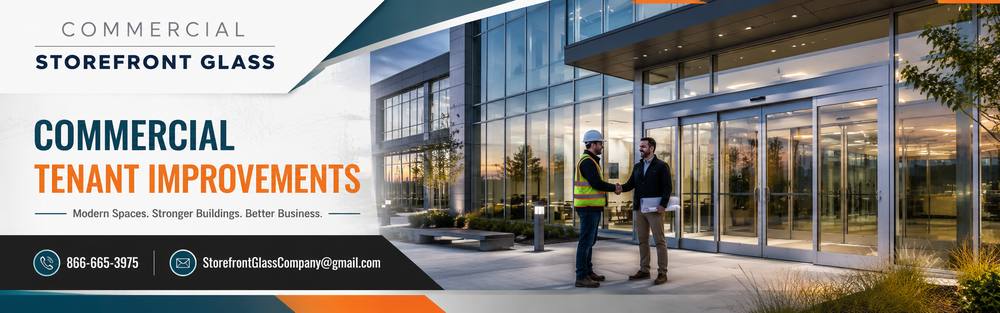
An office tenant improvement contractor manages the renovation, build-out, and construction of office spaces within existing commercial buildings. These contractors oversee every phase of the project, from initial planning and budgeting to construction management and final occupancy.

Typical responsibilities include:

  • Project planning
  • Budget development
  • Permit coordination
  • Construction scheduling
  • Material procurement
  • Subcontractor management
  • Site supervision
  • Quality control
  • Safety oversight
  • Final inspections

Successful office renovations require coordination between tenants, landlords, architects, engineers, and multiple construction trades.

Types of Office Tenant Improvement Projects

Office tenant improvements vary depending on the type of building, the tenant’s needs, and the scope of work.

Common office renovation projects include:

Corporate headquarters renovations

Professional office build-outs

Executive suite remodels

Multi-tenant office spaces

Medical administrative offices

Financial and legal offices

Technology company expansions

Coworking facilities

Training centers

Mixed-use office developments

Every project requires a unique strategy that balances operational goals, employee experience, and long-term property performance.

Office Build-Out Services

Many office renovations involve completely redesigning the interior layout of an existing space.

Common build-out services include:

  • Reception areas
  • Executive offices
  • Conference rooms
  • Open workstations
  • Collaboration spaces
  • Employee lounges
  • Break rooms
  • Training facilities
  • Wellness rooms
  • Storage areas

Modern office design emphasizes flexibility, natural light, technology integration, and efficient use of space.

Workplace Trends Shaping Office Renovations

Today’s office environments are dramatically different from those of previous decades.

Many tenant improvement projects now include:

  • Hybrid workspaces
  • Flexible floor plans
  • Shared collaboration zones
  • Quiet work areas
  • Technology-enabled conference rooms
  • Employee gathering spaces
  • Multi-purpose rooms
  • Wellness amenities
  • Visitor lounges
  • Future expansion capacity

Office tenant improvement contractors must understand how changing workplace trends influence construction and long-term space planning.


Commercial Storefront Glass and Modern Office Design

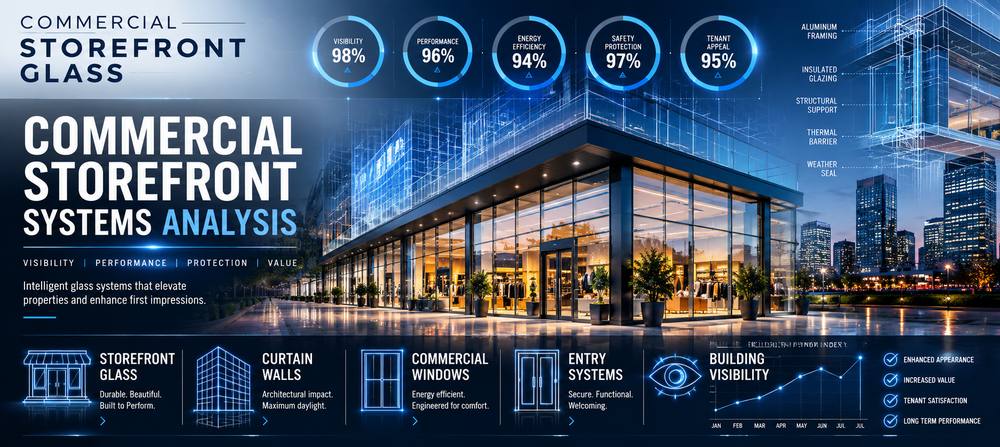
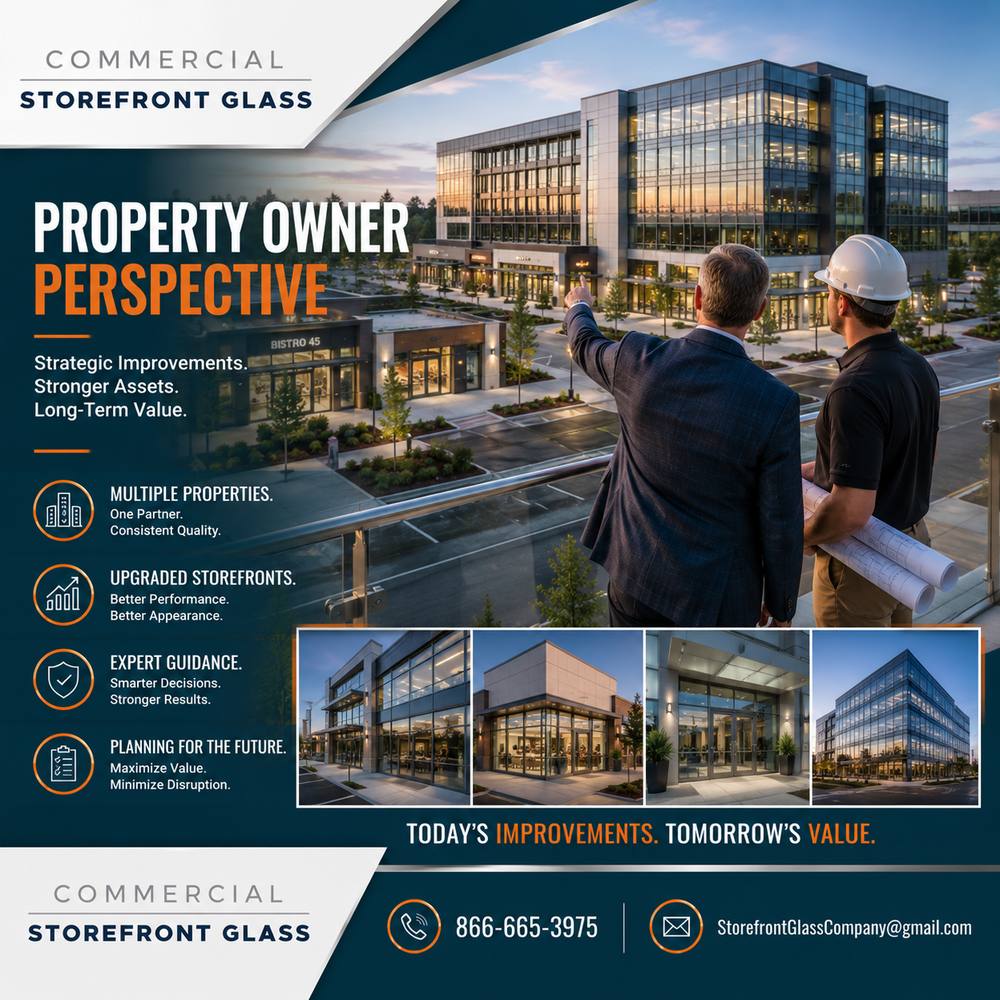
Commercial storefront glass is one of the defining elements of contemporary office renovations.

Common glazing systems include:

  • Aluminum storefront systems
  • Commercial entrance systems
  • Interior glass partitions
  • Glass conference rooms
  • Reception-area glazing
  • Curtain wall systems
  • Insulated glass units
  • Safety glazing
  • Security glazing
  • Architectural glass systems

Modern storefront systems improve natural daylight, strengthen energy performance, and enhance the overall appearance of commercial buildings. Interior architectural glass creates open, collaborative environments while preserving privacy and acoustic separation.

For many office buildings, upgraded entrances and storefront systems provide a stronger first impression while improving accessibility and supporting long-term building performance.

Building Systems and Infrastructure Improvements

Office tenant improvements often involve major upgrades to the building’s infrastructure.

Common system improvements include:

  • HVAC modernization
  • Electrical upgrades
  • Plumbing improvements
  • Fire protection systems
  • Building automation
  • Security systems
  • Access-control systems
  • Data infrastructure
  • Energy-efficient lighting
  • Indoor air-quality enhancements

Modern infrastructure helps reduce operating costs while preparing office buildings for future tenants.

Renovating Occupied Office Buildings

Many office renovations occur while neighboring businesses continue normal operations.

Successful contractors often rely on:

Phased construction schedules

Weekend work

Night construction

Temporary entrances

Dust containment

Noise management

Occupant communication

Temporary office relocations

Secure work zones

Detailed project sequencing

These strategies minimize disruption while allowing businesses to remain productive during construction.

Who Hires Office Tenant Improvement Contractors?

Office tenant improvement contractors work with a variety of commercial clients.

These clients commonly include:

  • Commercial property owners
  • Developers
  • Facility managers
  • Property managers
  • Asset managers
  • Corporate real estate departments
  • Commercial brokers
  • Business owners
  • Investors
  • General contractors

Each stakeholder has different priorities, including budgets, schedules, tenant retention, operational continuity, and long-term asset value.
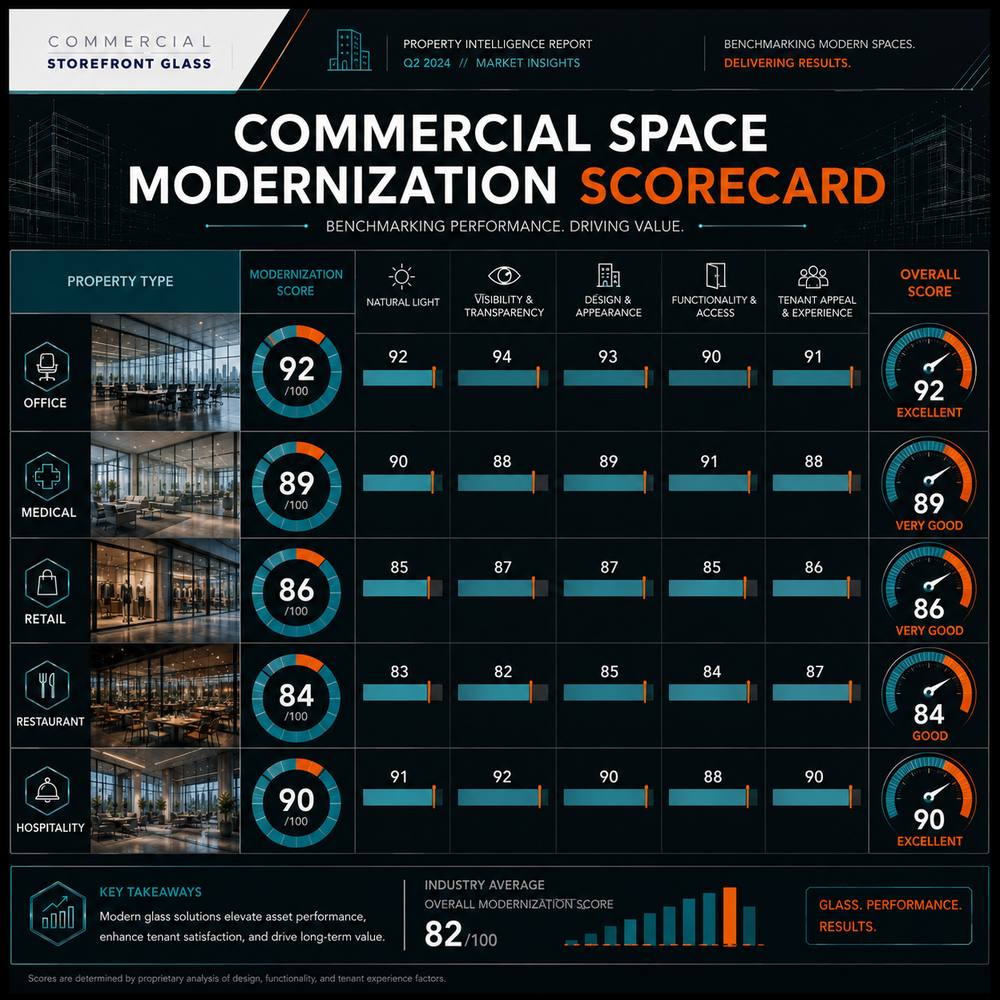


Key Considerations Before Starting an Office Build-Out

Before construction begins, property owners and tenants should evaluate several factors.

Important considerations include:

  • Lease requirements
  • Construction timelines
  • Employee growth projections
  • Technology needs
  • Accessibility compliance
  • Energy efficiency goals
  • Space flexibility
  • Maintenance requirements
  • Security needs
  • Capital planning strategies

Addressing these factors early reduces delays and helps avoid costly changes during construction.

Benefits of Professional Office Tenant Improvements

Well-executed office renovations provide measurable advantages for both tenants and property owners.

Benefits include:

  • Improved employee productivity
  • Increased tenant retention
  • Better space utilization
  • Enhanced workplace culture
  • Modernized infrastructure
  • Lower operating costs
  • Improved energy efficiency
  • Increased lease value
  • Higher occupancy rates
  • Stronger long-term asset performance

These benefits help office properties remain competitive in today’s commercial real estate market.

Building Better Workplaces for the Future

Office environments will continue evolving as businesses adopt new technologies, flexible work models, and changing workplace strategies. Commercial office buildings that invest in modernization, infrastructure upgrades, and thoughtful design will be better positioned to attract tenants and support future growth.

For developers, commercial property owners, facility managers, property managers, architects, engineers, commercial brokers, business owners, and general contractors, office tenant improvement contractors provide the expertise needed to transform outdated office space into modern workplaces. Through strategic planning, commercial storefront glass, infrastructure modernization, and efficient construction management, office tenant improvements continue shaping the future of commercial real estate across cities and regions throughout the United States.