

Commercial Storefront Glass

Repair

Fast, reliable repairs for all types of commercial glass and storefronts.

Replacement

High-quality glass replacement for safety, security, and efficiency.

Installation

Professional installation for new construction and renovation projects.

Restaurant Tenant Improvement Contractor

Restaurant tenant improvement contractors specialize in transforming commercial spaces into fully functional dining environments that support food service operations, customer experience, employee efficiency, and long-term business success. Whether building out a new restaurant in an empty retail shell, renovating an existing dining space, converting warehouse space into a brewery, or modernizing a multi-tenant restaurant center, restaurant tenant improvement contractors coordinate the construction, infrastructure, and specialized systems required to bring hospitality concepts to life.

Restaurants present unique construction challenges compared to traditional office or retail projects. Commercial kitchens, ventilation systems, grease interceptors, refrigeration equipment, dining areas, bars, and health code requirements must all work together seamlessly. Successful restaurant renovations require careful planning, close coordination between multiple trades, and a deep understanding of operational flow from the front entrance to the kitchen.

For developers, commercial property owners, facility managers, property managers, architects, engineers, restaurant operators, franchise owners, commercial brokers, and general contractors, experienced restaurant tenant improvement contractors play a critical role in delivering projects on time and preparing spaces for long-term success.



What Does a Restaurant Tenant Improvement Contractor Do?

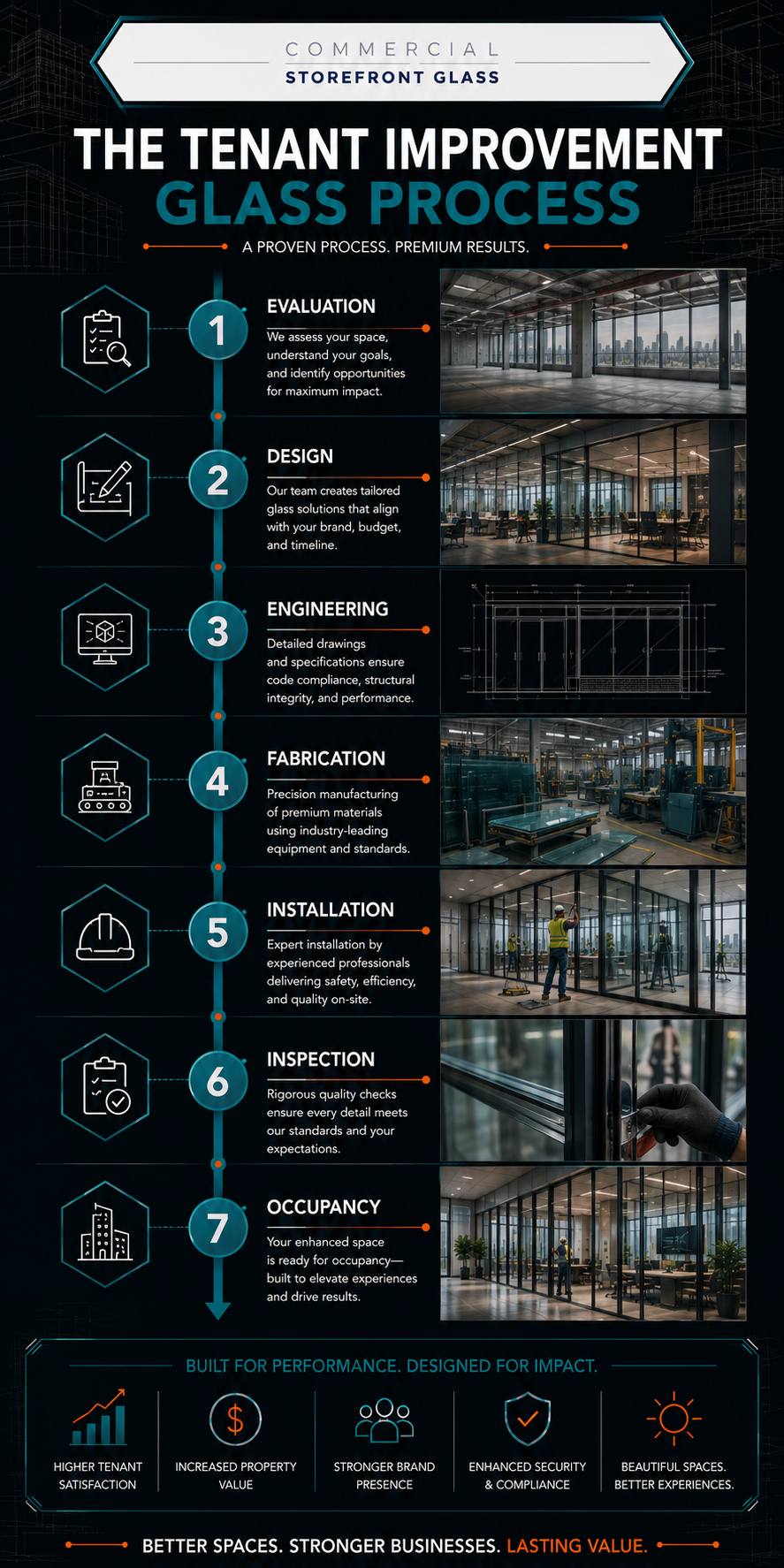
A restaurant tenant improvement contractor manages the renovation and build-out of restaurant spaces within existing commercial buildings.

Typical responsibilities include:

  • Project planning
  • Budget development
  • Permit coordination
  • Construction scheduling
  • Trade management
  • Material procurement
  • Site supervision
  • Quality control
  • Health code coordination
  • Final inspections

Restaurant projects often involve accelerated timelines because operators need to open quickly and begin generating revenue as soon as possible.

Types of Restaurant Tenant Improvement Projects

Restaurant contractors work across a wide variety of hospitality environments.

Common project types include:

Full-service restaurants

Fast-casual restaurants

Coffee shops and cafés

Bars and lounges

Breweries and taprooms

Food halls

Hotel restaurants

Fine dining establishments

Franchise locations

Mixed-use hospitality developments

Each concept has different construction requirements, customer expectations, and operational priorities.

Restaurant Build-Out Services

Many restaurant spaces begin as unfinished commercial shells requiring complete interior construction.

Typical restaurant build-out services include:

  • Dining room construction
  • Commercial kitchen installation
  • Bar construction
  • Host stations
  • Customer waiting areas
  • Private dining rooms
  • Outdoor seating areas
  • Storage facilities
  • Employee break rooms
  • Administrative offices

The goal is to create a space that supports both operational efficiency and an exceptional guest experience.

Commercial Kitchen Infrastructure

Commercial kitchens are among the most complex aspects of any restaurant tenant improvement project.

Common kitchen components include:

  • Exhaust and ventilation systems
  • Grease interceptors
  • Walk-in coolers and freezers
  • Food preparation stations
  • Cooking equipment connections
  • Fire suppression systems
  • Plumbing systems
  • Electrical upgrades
  • Gas lines
  • Sanitation areas

Proper coordination between kitchen designers, engineers, and contractors is essential to ensure compliance and operational efficiency.


Commercial Storefront Glass and Restaurant Entrances

Commercial storefront glass plays a major role in restaurant design and customer experience.

Common glazing systems include:

  • Aluminum storefront systems
  • Commercial entrance doors
  • Folding glass walls
  • Outdoor patio enclosures
  • Interior glass partitions
  • Large dining-room windows
  • Insulated glass units
  • Safety glazing
  • Security glazing
  • Architectural glass systems

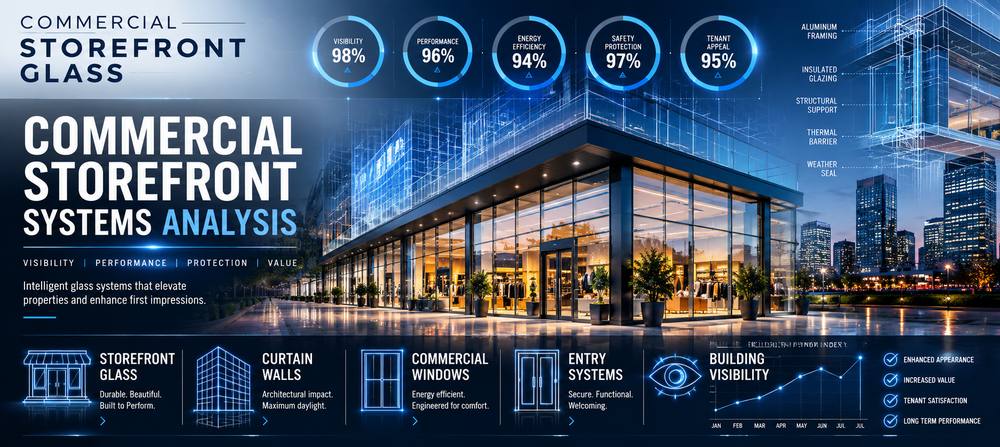
Modern storefront systems improve visibility, maximize natural daylight, increase energy efficiency, and create an inviting atmosphere for guests. Large glass façades help restaurants connect indoor dining areas with surrounding streets, shopping centers, and entertainment districts.

For many restaurants, the storefront is the first interaction customers have with the brand, making it one of the most important investments within the entire project.

Dining Room and Customer Experience Design

Restaurant renovations focus heavily on creating memorable customer experiences.

Common dining-room improvements include:

  • Custom seating layouts
  • Decorative lighting
  • Flooring systems
  • Feature walls
  • Ceiling treatments
  • Acoustic improvements
  • Bar areas
  • Point-of-sale stations
  • Waiting areas
  • Branding elements

Thoughtful design helps maximize seating capacity while creating an environment that encourages repeat visits.

Mechanical, Electrical, and Plumbing Systems

Restaurant tenant improvements typically require extensive infrastructure upgrades.

Common improvements include:

  • HVAC modernization
  • Electrical service upgrades
  • Plumbing modifications
  • Fire protection systems
  • Building automation
  • Security systems
  • Access-control systems
  • Energy-efficient lighting
  • Data infrastructure
  • Indoor air-quality improvements

Restaurants often require more mechanical and plumbing capacity than traditional office or retail tenants, making early planning especially important.

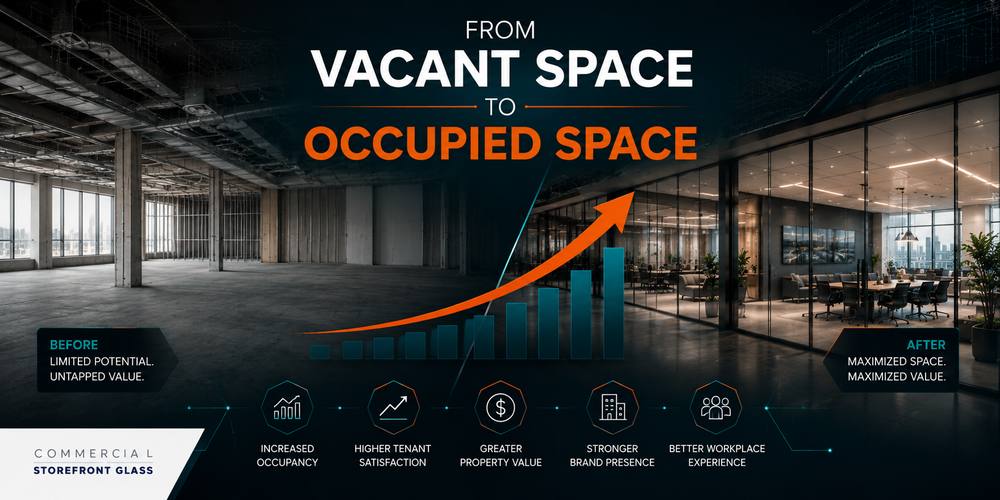
Renovating Occupied Retail Centers

Many restaurant projects take place in active shopping centers or mixed-use developments where neighboring businesses remain open.

Successful contractors frequently use:

Phased construction

Night work

Weekend scheduling

Temporary entrances

Dust containment

Noise management

Customer communication

Secure work zones

Detailed sequencing

Enhanced safety measures

These strategies minimize disruption while helping property owners maintain a positive customer experience throughout construction.


Who Hires Restaurant Tenant Improvement Contractors?

Restaurant contractors work with a broad range of clients throughout the hospitality and commercial real estate industries.

Common clients include:

  • Restaurant owners
  • Franchise operators
  • Commercial property owners
  • Shopping center developers
  • Facility managers
  • Property managers
  • Hotel operators
  • Asset managers
  • Commercial brokers
  • General contractors

Each stakeholder has different priorities related to budgets, schedules, operational flow, customer experience, and long-term property value.

Important Considerations Before Starting a Restaurant Build-Out

Restaurant projects require extensive planning before construction begins.

Key considerations include:

  • Kitchen layout and workflow
  • Customer seating capacity
  • Health department requirements
  • Ventilation needs
  • Accessibility compliance
  • Utility capacity
  • Outdoor dining opportunities
  • Brand standards
  • Opening deadlines
  • Future expansion plans

Addressing these issues early helps reduce delays and avoid costly changes during construction.

Benefits of Professional Restaurant Tenant Improvements

Well-executed restaurant renovations provide long-term advantages for operators and property owners.

Benefits include:

  • Improved customer experience
  • Increased operational efficiency
  • Better employee productivity
  • Higher revenue potential
  • Enhanced brand identity
  • Lower operating costs
  • Improved energy performance
  • Increased property value
  • Greater tenant retention
  • Stronger long-term asset performance

These improvements help restaurants remain competitive in an increasingly demanding marketplace.

Building the Future of Hospitality Spaces

Restaurants continue evolving as customer preferences, technology, and dining habits change. Hospitality properties that invest in thoughtful tenant improvements, efficient kitchen design, and modern customer experiences are better positioned for long-term success.

For developers, commercial property owners, facility managers, property managers, architects, engineers, restaurant operators, commercial brokers, and general contractors, restaurant tenant improvement contractors provide the expertise needed to transform commercial spaces into thriving hospitality environments. Through strategic planning, commercial storefront glass, infrastructure modernization, and coordinated construction management, restaurant tenant improvements continue shaping the future of dining and hospitality across communities throughout the United States.