


Brooklyn storefront glass installation often means replacing windows and doors that have been in place for decades. Walk down Atlantic Avenue, Bedford Avenue, or 86th Street and you will see storefronts with foggy glass, sagging doors, rusty frames, and solid roll-down gates. These aging fronts waste energy, invite break-ins, and make shops look tired. Yet replacing them in a busy Brooklyn neighborhood takes planning. This guide explains how to replace aging retail windows and entrances, step by step.
Shop owners, landlords, and property managers across Brooklyn can use it to plan a smooth upgrade.
Signs Your Storefront Needs Replacing
Old storefronts show their age in many ways. Watch for these signs:
- Foggy or cloudy insulated glass
- Drafts and high heating bills in winter
- Doors that drag, stick, or will not latch
- Rusty or bent frames
- Leaks during heavy rain
- Single-pane glass with no energy coating
If you see several of these, repair may no longer be enough.
Why Brooklyn Storefronts Age Fast
Brooklyn buildings face hot, humid summers and cold, icy winters. That swing stresses glass seals and aluminum frames. In addition, many storefronts sit in older mixed-use buildings that have shifted over time. Heavy foot traffic and delivery carts also take a toll on doors. As a result, many fronts wear out long before owners expect.
Step 1: Survey the Opening
First, have a glazier measure the opening. They will check for square, look at the lintel above, and inspect the sill below. Older buildings often hide surprises, like rotted wood, cracked brick, or rusted steel. Finding these early prevents delays. It also helps you budget for repairs before the new storefront goes in.
Step 2: Glass and Frames for Brooklyn Storefront Glass Installation
Next, pick the new system. Most Brooklyn storefronts use aluminum frames with tempered or laminated glass. Thermally broken frames and insulated Low-E glass cut drafts and lower heating bills. Laminated glass also adds security. Read how thermally broken frames cut drafts and condensation.
Brooklyn Storefront Glass Installation and Entrances
The entrance takes the most abuse. So choose a sturdy door with quality hardware. Wide-stile aluminum doors hold up well in busy shops. Make sure the door meets accessibility rules for width, threshold height, and opening force. In addition, plan where the door swings, so it does not block the sidewalk.
Security Gates and Brooklyn Storefront Glass Installation
Many Brooklyn shops use roll-down gates. City rules now favor gates you can see through, instead of solid metal. So a storefront replacement is a great time to update the gate too. The gate box, guides, and storefront frame must fit together. Planning them at the same time avoids rework and keeps the front looking clean.
Permits and Approvals
Replacing a storefront usually needs a filing with the Department of Buildings. Some Brooklyn blocks are in historic districts, such as parts of Brooklyn Heights, Park Slope, and Fort Greene. In those areas, the Landmarks Preservation Commission may review the design. The NYC Department of Buildings lists current filing rules.
Step 3: Plan the Install
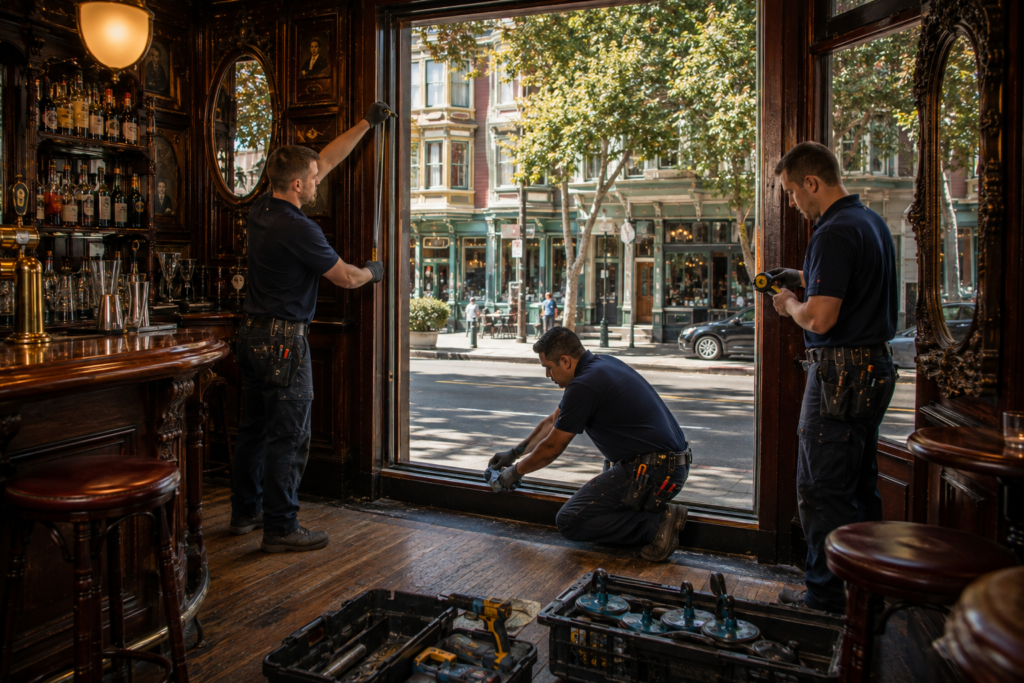
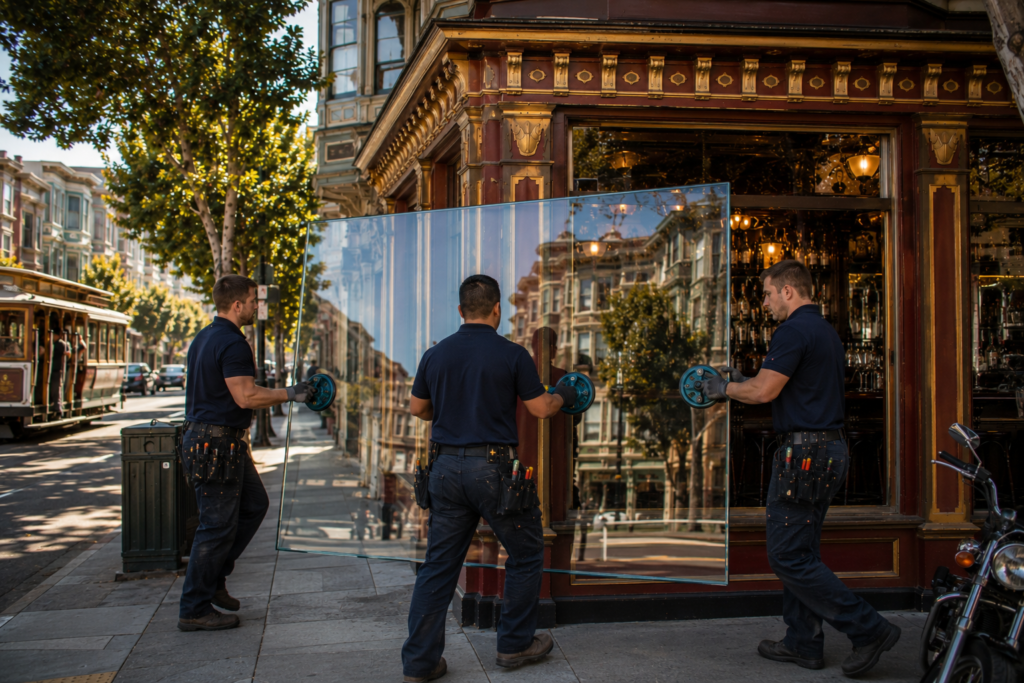
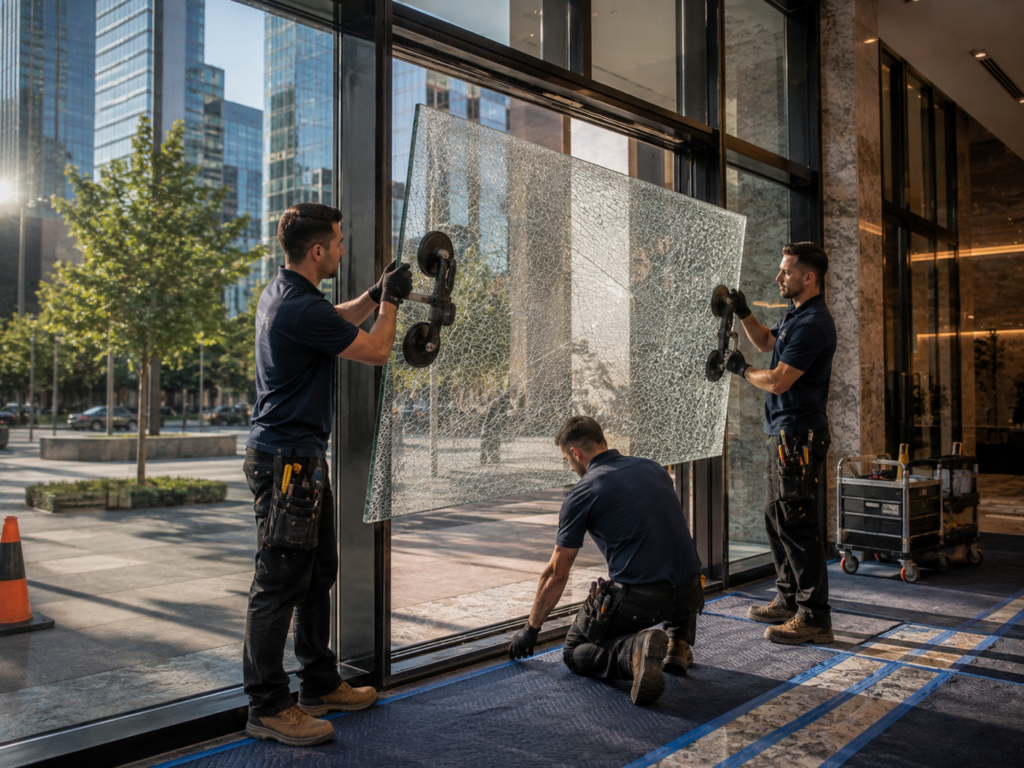
For a typical shop, Brooklyn storefront glass installation takes one to three days on site. Crews remove the old storefront, repair the opening, and set the new frames and glass. Then they hang the door, seal the perimeter, and clean up. To limit downtime, many shops schedule work early in the week or overnight. Temporary panels secure the opening if work spans more than one day.
Working With Neighbors
Brooklyn blocks are close-knit. Neighboring shops share sidewalks, and apartments sit above many stores. So give neighbors a heads-up about noise, dust, and sidewalk closures. Keep the work area tidy, swept, and safe. A little courtesy goes a long way on a busy Brooklyn block, where neighbors talk.
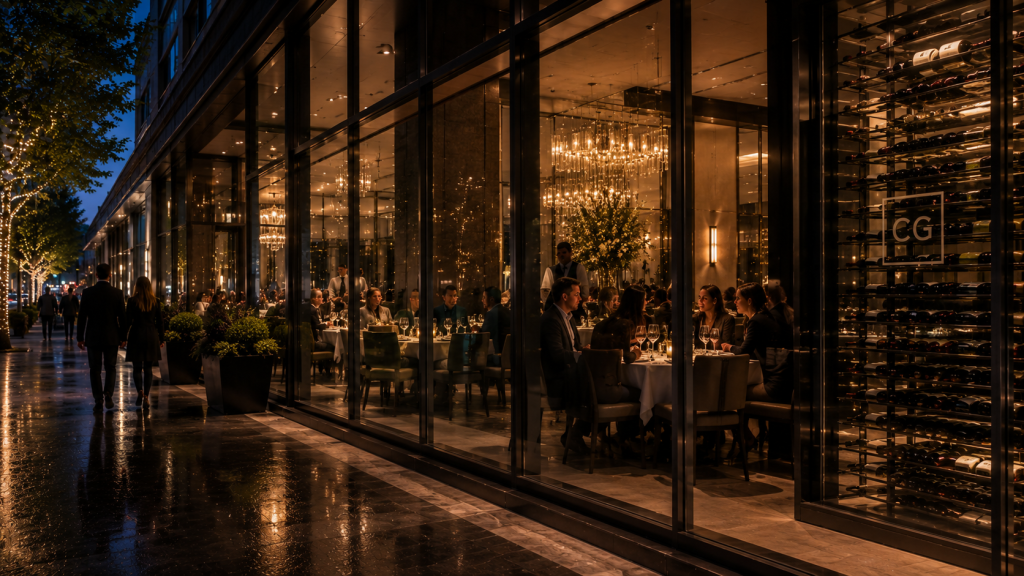
Brooklyn Storefront Glass Installation Costs
Brooklyn storefront glass installation costs depend on size, glass type, frames, doors, gates, and opening repairs. Older buildings often need extra work behind the old storefront. So ask for a detailed quote with allowances for surprises. Our storefront replacement page explains common pricing.
Energy Savings From Brooklyn Storefront Glass Installation
New storefronts can cut heating and cooling costs. Insulated Low-E glass keeps heat in during winter and out during summer. Thermally broken frames reduce cold spots and condensation. As a result, the store feels more comfortable year-round.
Keeping the Store Open
Most owners want to keep selling during the work. So plan a phased install if the front is wide. Crews can replace one bay at a time while customers use another door. In addition, clear signs help shoppers find the entrance.
Brooklyn Storefront Glass Installation in Older Buildings
Many Brooklyn shops sit in brick buildings that are a century old. These buildings have charm, but they also have quirks. For example, the opening may lean or sag over time. The steel lintel above may be rusty. Meanwhile, the sill may be uneven or cracked. So your glazier may need to shim, level, or rebuild parts of the opening. In addition, they may coordinate with a mason or carpenter. As a result, the new storefront sits straight and seals tight. Planning for these repairs keeps Brooklyn storefront glass installation on schedule.
Matching the Neighborhood Look
Brooklyn neighborhoods each have their own style. For instance, Park Slope favors classic storefronts with transoms and wood details. Meanwhile, Williamsburg and Bushwick lean toward modern black frames and big glass. So think about the block when you design. A storefront that fits its street often draws more foot traffic. In addition, it may move faster through any design review.
Security Beyond the Gate
Gates are only one layer of security. Laminated glass holds together when struck, which slows down intruders. Strong locks and reinforced door frames help too. Also consider cameras and good lighting at the entry. Together, these steps protect your shop without making it look like a fortress.
Choosing a Brooklyn Glazier
Pick a glazier who knows Brooklyn buildings. Ask how they handle old lintels and uneven sills. Also ask about permits and landmark experience. Then check insurance, licensing, and local references. A team with neighborhood experience will spot problems early and keep your project moving.
Common Mistakes to Avoid
- Ignoring the condition of the lintel and sill
- Forgetting the security gate in the design
- Skipping energy-efficient glass
- Missing landmarks review in historic areas
- Choosing a light-duty door for a busy shop
FAQ on Brooklyn Storefront Glass Installation
How long does Brooklyn storefront glass installation take?
Most shops take one to three days on site, after weeks of fabrication. Ordering early is the best way to keep that window short and predictable.
Do I need a new security gate?
Often it makes sense to update the gate at the same time. Doing both at once avoids a second round of work and keeps the frame and gate in line.
Will a new storefront lower my energy bills?
Usually, yes, with insulated Low-E glass and better frames. Many owners notice a warmer shop in winter and a cooler one in summer. Customers notice too, because doorways stop feeling drafty.
Refresh Your Storefront
A new front makes your shop look sharp and run better. Visit our installation services page, or schedule a free measure this week.