

Commercial Storefront Glass

Office Building Glass

Modern Workplaces Depend On Glass

Office buildings have changed dramatically over the past several decades.

Workplace expectations continue evolving.

Natural light has become a priority.

Tenant experience influences leasing decisions.

Building design often contributes to competitive positioning.

Because of these changes, commercial glass systems now play a central role in how office environments function, perform, and attract occupants.

From corporate headquarters and multi-tenant office towers to suburban office campuses and mixed-use developments, glass helps shape both the appearance and experience of modern workplaces.
 

file 000000009078723094ac20fd95453f51


Building Image Matters

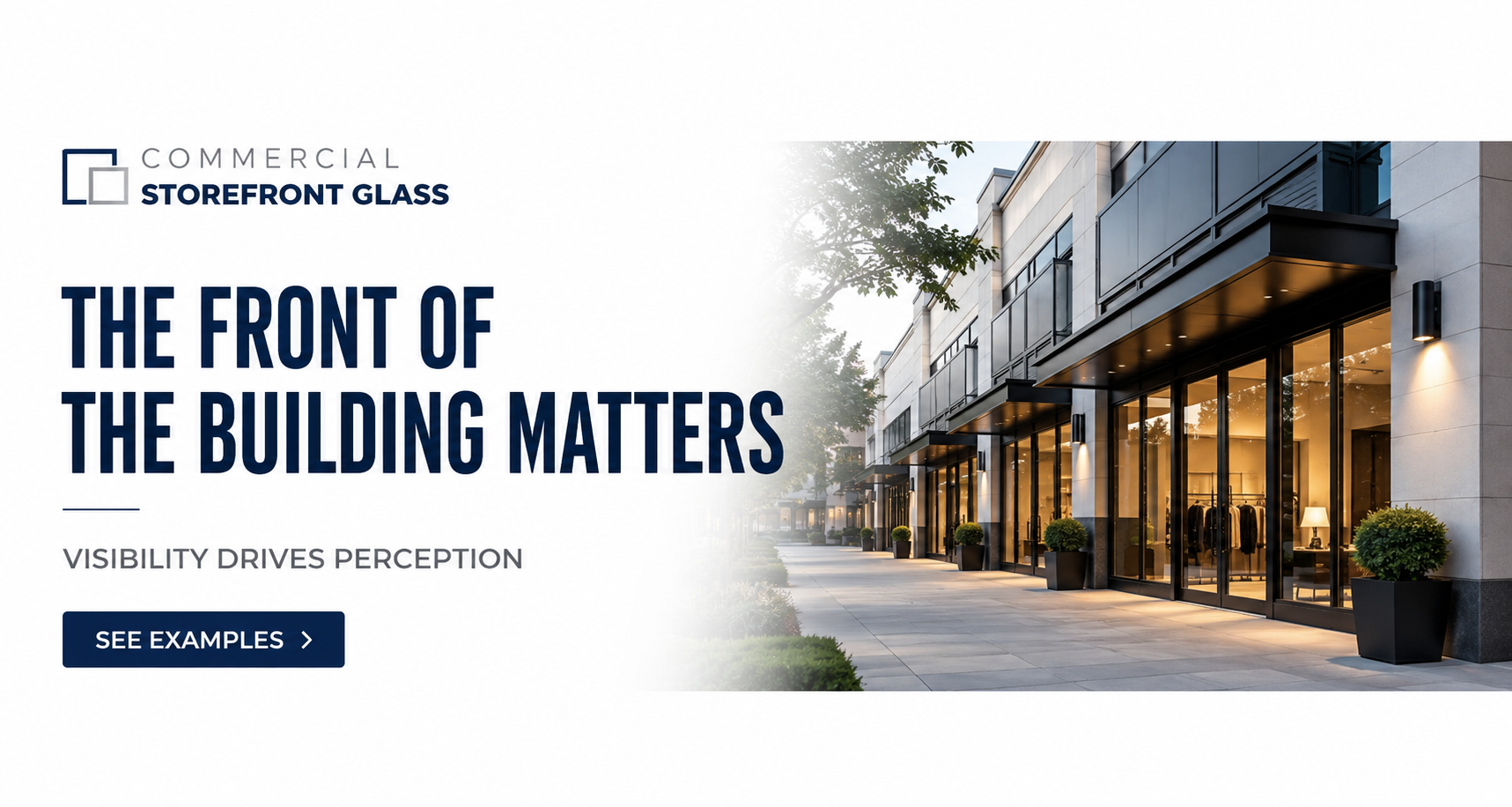
An office building creates impressions long before visitors enter the lobby.

Exterior presentation influences perception.

Architectural design contributes to identity.

Modern glazing systems often help establish a more contemporary appearance.

Because office properties compete for tenants, building image frequently becomes part of the leasing strategy.

Well-designed glass systems help create professional environments that support both ownership objectives and tenant expectations.

Natural Light Improves Workplace Quality

Modern office design places greater emphasis on daylighting than ever before.

Employees value brighter environments.

Open spaces often feel more inviting.

Natural light can improve the overall workplace experience.

As a result, office buildings frequently incorporate large glazing systems designed to maximize daylight throughout the property.

Many modernization projects focus on improving both aesthetics and interior quality through strategic use of glass.

Office Buildings Require Multiple Glass Systems

Commercial office properties rely on a variety of glazing applications.

Each system serves a different purpose.

Storefronts create welcoming entrances.

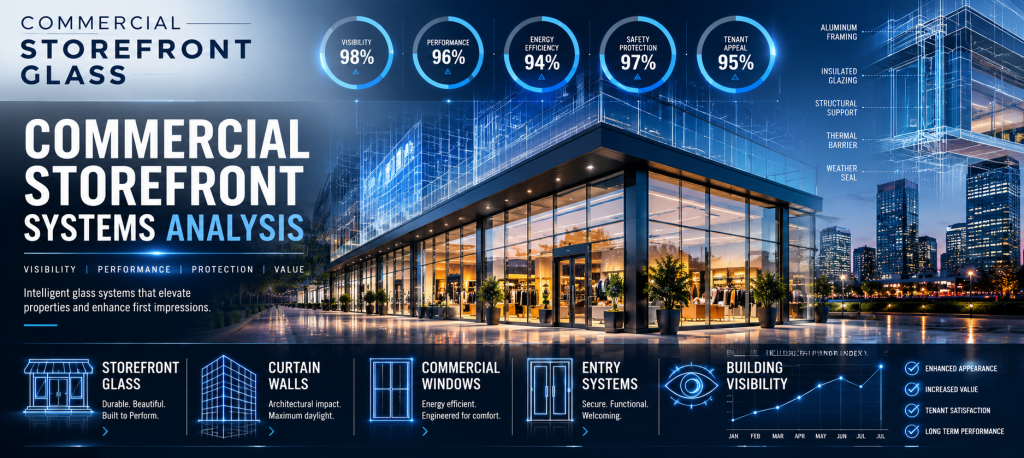
Curtain walls shape the building envelope.

Interior glass systems support workplace flexibility.

Common Office Building Glass Applications

  • Storefront systems
  • Curtain wall systems
  • Glass entry systems
  • Lobby glazing
  • Conference room glass
  • Interior glass partitions
  • Executive office fronts
  • Architectural glazing
  • Tenant improvement glass
  • Building modernization projects

Together, these systems help create functional and attractive work environments.
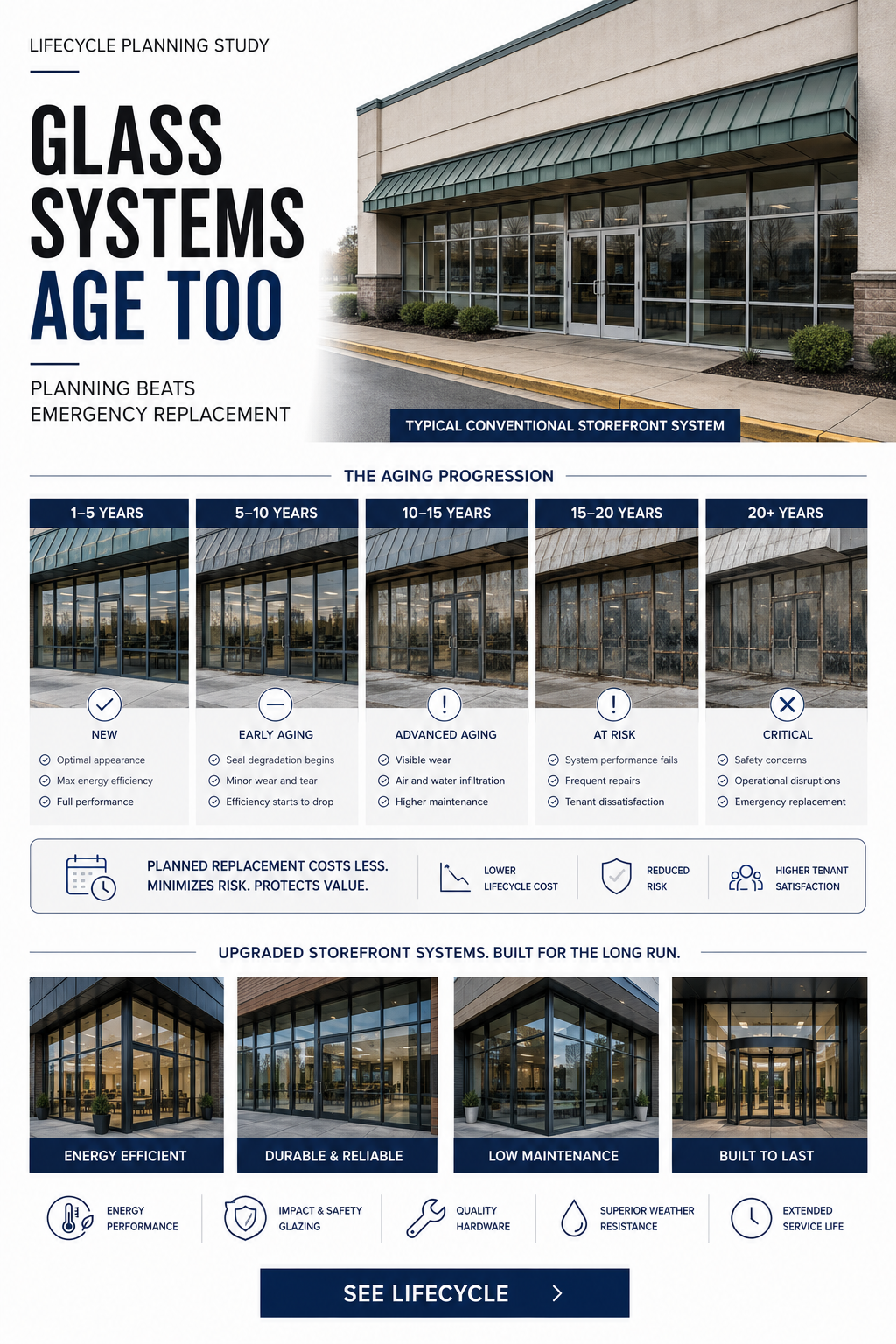
 

Commercial Storefront Glass


Tenant Attraction Influences Design Decisions

Office properties compete for occupants.

Building quality affects leasing activity.

Workplace experience influences tenant decisions.

Modernized environments often perform better in competitive markets.

Because glass contributes to both aesthetics and functionality, many office owners view glazing upgrades as part of a broader tenant attraction strategy.

Exterior improvements can strengthen perception while supporting long-term competitiveness.

Corporate Campuses Continue Evolving

Large employers frequently invest in workplace modernization.

Employee expectations change.

Collaboration spaces remain important.

Flexible work environments continue shaping design priorities.

Glass systems often help support these goals by creating open, connected spaces that improve workplace quality while maintaining professional environments.

Many corporate campuses use extensive glazing as a defining architectural feature.

Lobby And Entrance Design

Visitors encounter the entrance before any other part of the building.

First impressions matter.

Accessibility influences usability.

Professional presentation affects perception.

Modern glass entry systems help create welcoming arrival experiences while supporting security and operational performance.

For many office buildings, the entrance becomes a visible reflection of the property’s overall quality.

Tenant Improvement Projects

Commercial office spaces rarely remain unchanged.

Businesses expand.

Departments reorganize.

New tenants arrive.

Interior glass systems often become part of tenant improvement projects designed to support changing workplace requirements.

Conference rooms, private offices, collaborative areas, and reception spaces frequently incorporate modern glazing solutions.

These upgrades help maintain flexibility while improving workplace functionality.

Building Modernization And Exterior Upgrades

Many office buildings undergo periodic modernization.

Tenant expectations evolve.

Competitive pressures increase.

Older properties often require updates to remain relevant.

Glass systems frequently become central to these projects because they influence both appearance and performance.

Updated storefronts can improve building image.

Architectural glazing often contributes to broader repositioning efforts.

Property Performance Extends Beyond Appearance

Office building glass affects more than aesthetics.

Natural light influences workplace quality.

Building image impacts perception.

Tenant attraction supports occupancy.

Exterior systems contribute to long-term asset performance.

Common Ownership Priorities

  • Tenant attraction
  • Leasing competitiveness
  • Workplace quality
  • Property modernization
  • Building performance
  • Long-term value

These objectives frequently guide investment decisions throughout the office sector.
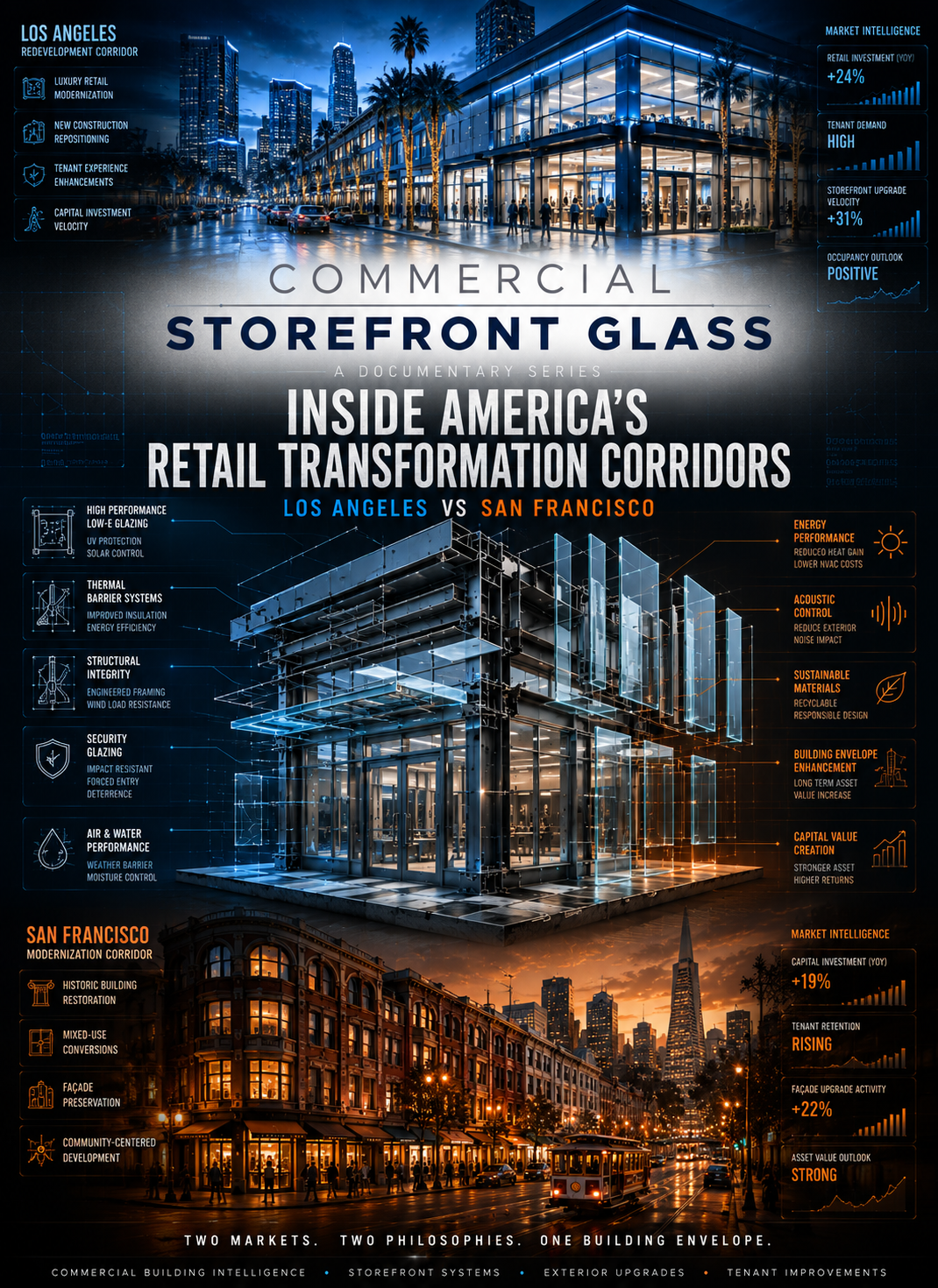
 

commercial storefront glass los angeles vs san francisco — tenant improvements and exterior building upgrades (4)


Long-Term Value Requires Ongoing Investment

Commercial office properties operate within competitive markets.

Buildings age.

Tenant expectations continue changing.

Modernization becomes necessary over time.

Because glass systems influence both performance and perception, many ownership groups view glazing improvements as long-term investments rather than short-term upgrades.

These projects often help support occupancy, competitiveness, and overall property value.

Supporting Modern Office Environments

Office building glass helps shape how workplaces look, function, and compete.

Natural light improves interior environments.

Architectural glazing strengthens building identity.

Modern systems support tenant attraction and workplace quality.

Whether the project involves storefront systems, curtain walls, glass entry systems, tenant improvements, lobby renovations, or property modernization, office building glass remains an important part of creating successful commercial environments while supporting long-term asset performance.