
Commercial Storefront Glass

Bridgeport Glazing Repair, Replacement & Installation

Bridgeport is Connecticut’s largest city and one of the Northeast’s most significant commercial, industrial, healthcare, logistics, and waterfront business centers. Located along Long Island Sound with direct access to Interstate 95, Route 8, Metro-North rail service, and the Port of Bridgeport, the city continues to experience investment in healthcare campuses, manufacturing facilities, office buildings, mixed-use developments, educational institutions, retail districts, hospitality properties, and waterfront redevelopment. Throughout Bridgeport, property owners, facility managers, property managers, developers, architects, engineers, and general contractors regularly evaluate whether commercial glazing systems should be repaired, replaced, or upgraded to improve energy efficiency, occupant comfort, weather resistance, security, and long-term building performance.

Commercial activity extends throughout Downtown Bridgeport, Steelpointe Harbor, the South End, the West End, the East Side, Black Rock, Seaview Avenue, the Port of Bridgeport, Bridgeport Hospital, Housatonic Community College, and neighboring communities including Fairfield, Stratford, Trumbull, Milford, Shelton, and Norwalk. Whether serving healthcare providers, manufacturers, logistics companies, retailers, educational institutions, corporate offices, hospitality operators, government agencies, or commercial developers, glazing systems play a critical role in protecting commercial investments while supporting modern building performance.
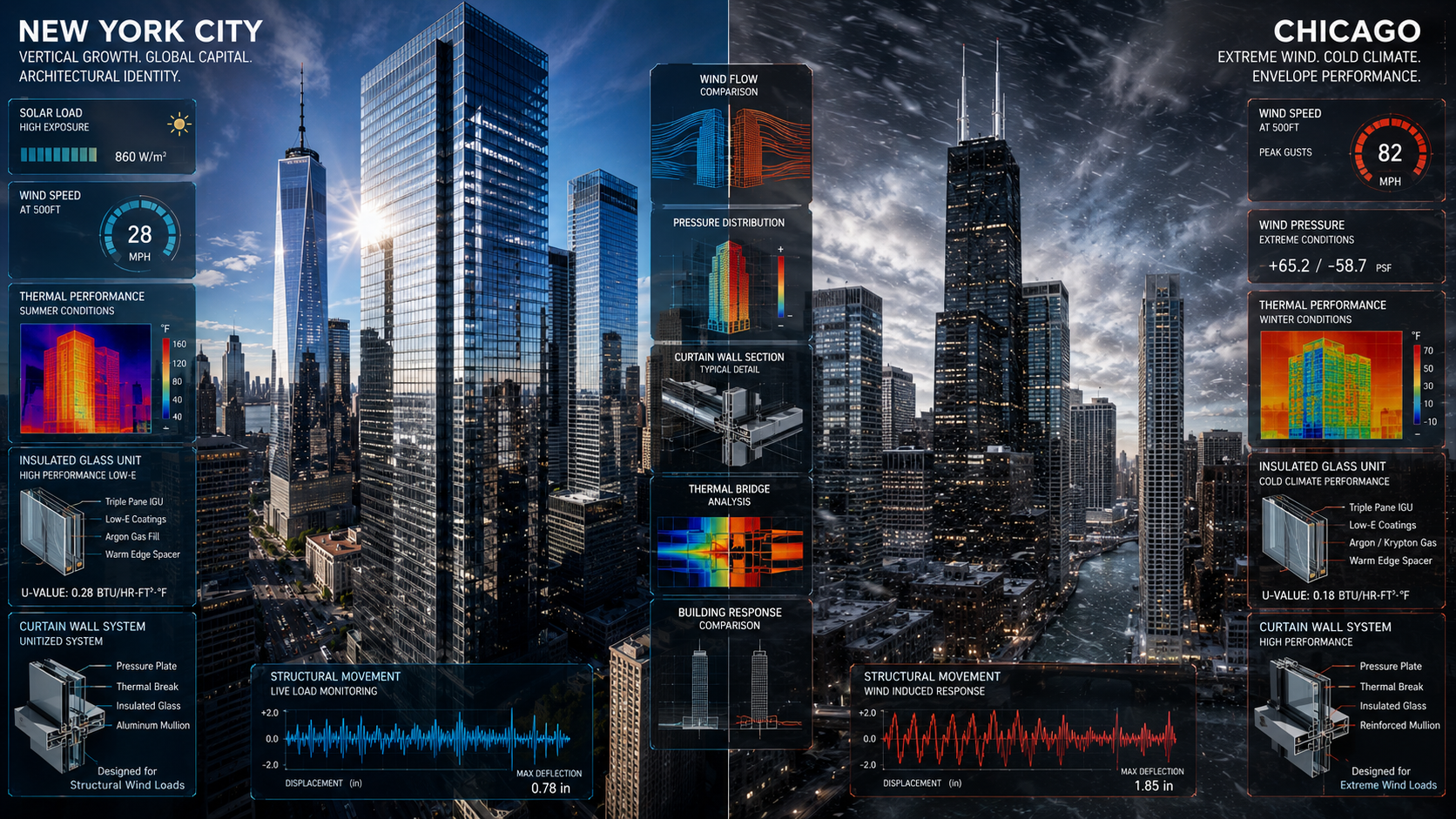


Bridgeport's Commercial Economy Continues to Grow

Commercial construction supports one of Connecticut’s most diverse urban economies.

Major industries include:

  • Healthcare systems
  • Advanced manufacturing
  • Logistics and distribution
  • Maritime industries
  • Professional services
  • Education
  • Government
  • Retail development
  • Hospitality
  • Commercial real estate
  • Energy and utilities
  • Mixed-use construction

Commercial glazing supports these industries throughout every phase of the building lifecycle, from new construction and industrial expansion to tenant improvements and long-term facility maintenance.

When Glazing Repair Is the Right Choice

Many commercial glazing systems continue providing dependable performance through targeted repairs.

Repair is often appropriate when:

  • Broken storefront glass requires replacement
  • Insulated glass units develop condensation or seal failure
  • Commercial entrance doors require adjustment
  • Automatic entrance systems require servicing
  • Door closers, pivots, locks, and panic hardware become worn
  • Weather seals deteriorate after years of exposure
  • Minor water intrusion develops
  • Existing aluminum storefront framing remains structurally sound

Prompt repairs restore safety, appearance, and energy performance while minimizing disruptions for employees, tenants, customers, patients, students, and visitors.

When Glazing Replacement Creates Better Long-Term Value

Replacement often becomes the preferred long-term investment as commercial buildings mature.

Replacement is commonly recommended when:

  • Multiple insulated glass units have failed
  • Energy efficiency continues declining
  • Maintenance costs continue increasing
  • Commercial façades become outdated
  • Moisture infiltration becomes recurring
  • Tenant improvement projects require modernization
  • Capital improvement plans include exterior upgrades
  • Existing glazing systems no longer meet current building performance standards

Modern glazing systems improve insulation, daylighting, occupant comfort, sustainability, operational efficiency, and the long-term performance of the building envelope while reducing future operating costs.


New Glazing Installation Supports Continued Growth

Commercial development continues throughout Bridgeport with waterfront redevelopment, healthcare expansion, manufacturing modernization, and mixed-use construction.

Modern installations commonly include:

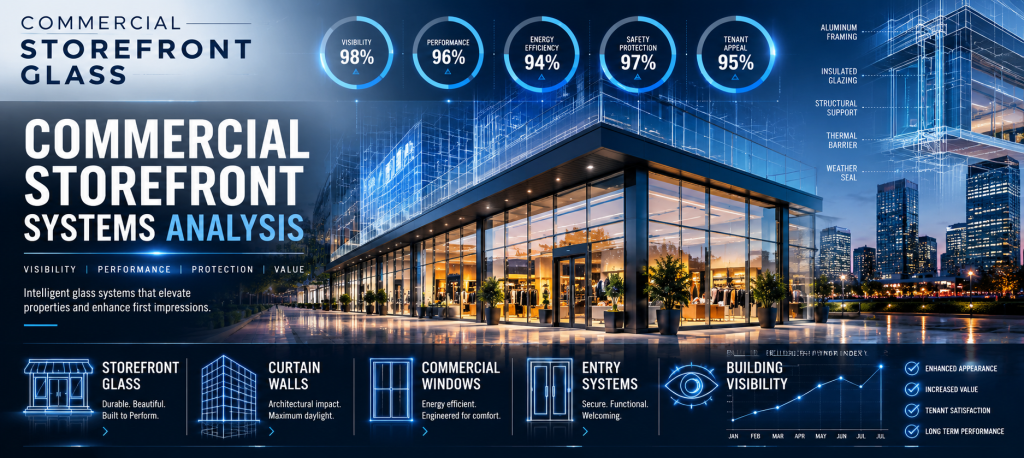
  • Curtain wall systems
  • Aluminum storefront systems
  • Commercial windows
  • Glass entrance systems
  • Automatic entrance systems
  • Fire-rated glazing
  • Security glazing
  • High-performance insulated glass
  • Interior office glazing
  • Architectural glass systems

These systems improve durability, sustainability, occupant comfort, and long-term property performance while supporting Bridgeport’s expanding commercial economy.

Long Island Sound Climate Influences Glazing Performance

Commercial buildings throughout Bridgeport experience demanding coastal New England weather conditions.

Property owners commonly prepare for:

  • Coastal storms
  • Wind-driven rain
  • Strong shoreline winds
  • Heavy rainfall
  • Snow and ice
  • Freeze-thaw cycles
  • Summer heat and humidity
  • Salt air exposure
  • Seasonal temperature fluctuations

These environmental conditions influence glazing specifications, framing systems, waterproofing strategies, sealant performance, corrosion resistance, thermal efficiency, impact resistance, and preventative maintenance planning.

Commercial Glazing Supports Every Property Type

Commercial glazing serves nearly every commercial property sector throughout Bridgeport.

Common projects include:

  • Office buildings
  • Corporate headquarters
  • Healthcare campuses
  • Medical office buildings
  • Manufacturing facilities
  • Warehouses and distribution centers
  • Hotels
  • Retail centers
  • Educational facilities
  • Government buildings
  • Industrial facilities
  • Mixed-use developments

Each property type requires glazing systems engineered to maximize durability, energy efficiency, occupant safety, and long-term building performance.
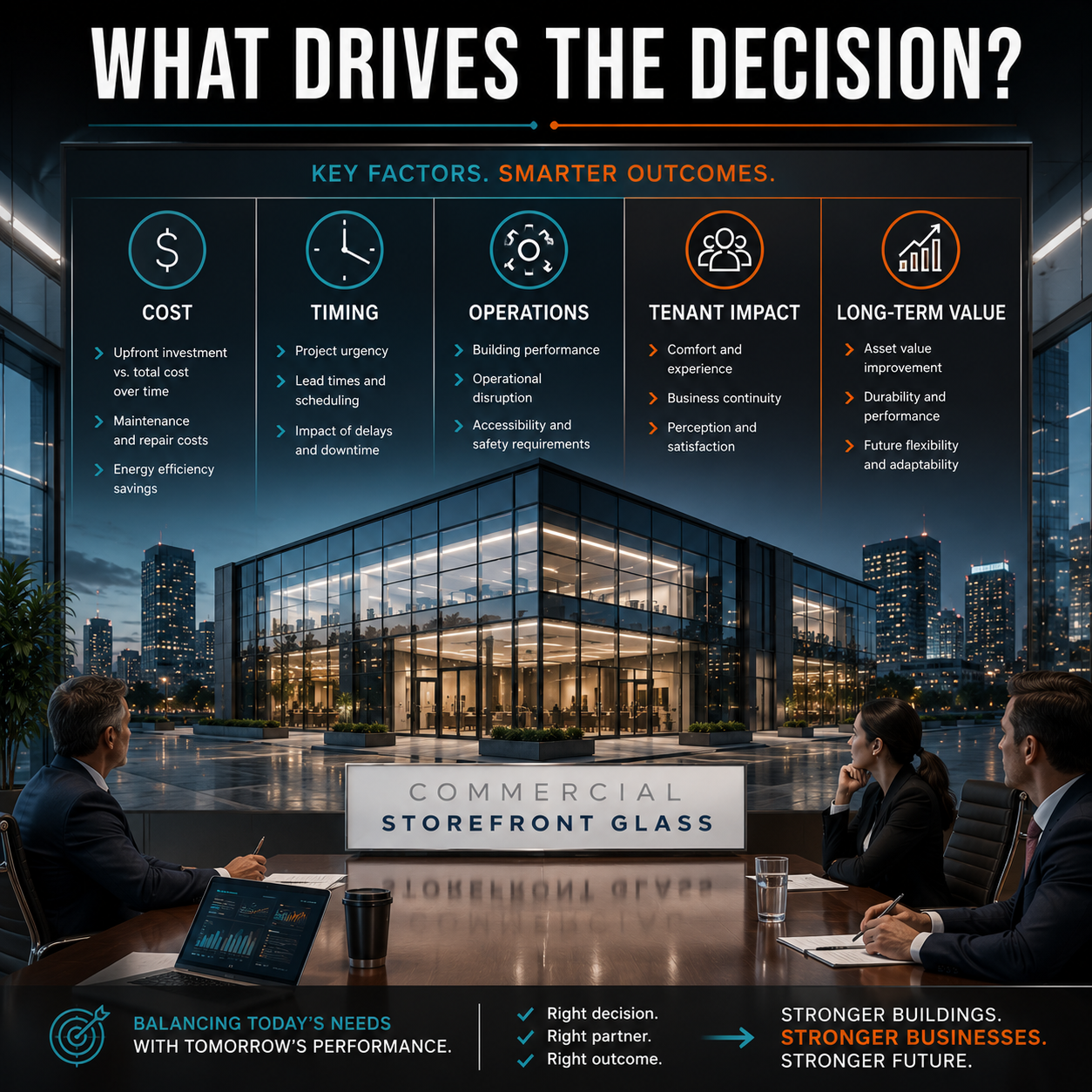


Building Performance Protects Long-Term Investment

Commercial glazing contributes to much more than architectural appearance.

Property owners commonly prioritize:

  • Energy efficiency
  • Occupant comfort
  • Weather protection
  • Natural daylight
  • Security
  • Preventive maintenance
  • Building envelope performance
  • Sustainability
  • Long-term property value

A proactive glazing strategy helps reduce lifecycle costs while improving operational reliability and protecting valuable commercial assets throughout Bridgeport.

Commercial Glazing Throughout Bridgeport

Major commercial markets include:

  • Downtown Bridgeport
  • Steelpointe Harbor
  • South End
  • Black Rock
  • West End
  • East Side
  • Seaview Avenue Corridor
  • Port of Bridgeport
  • Bridgeport Hospital District
  • Housatonic Community College Area
  • Barnum Avenue Corridor
  • North End
  • Main Street Business District
  • Fairfield Avenue Corridor
  • East Main Street

Commercial investment continues throughout the city as healthcare organizations, manufacturers, logistics providers, maritime businesses, developers, retailers, hospitality operators, educational institutions, and government agencies continue expanding across Connecticut’s largest city and one of its most important commercial markets.

Supporting the Future of Commercial Construction in Bridgeport

Glazing repair, replacement, and new installation each play an essential role in supporting Bridgeport’s continued commercial growth. Repairs help extend the service life of valuable building assets, replacements improve energy efficiency and reduce long-term operating costs, and new installations create durable, high-performance commercial buildings designed to withstand Connecticut’s demanding coastal climate for decades.

Whether upgrading a manufacturing facility near the Port of Bridgeport, modernizing a healthcare campus at Bridgeport Hospital, renovating a retail storefront in Downtown Bridgeport, expanding a waterfront development at Steelpointe Harbor, improving a commercial building along Main Street, or constructing a new mixed-use development anywhere throughout Bridgeport, professionally engineered commercial glazing strengthens the building envelope, improves energy efficiency, enhances occupant comfort, supports operational reliability, and increases the long-term value of commercial real estate across one of New England’s most important commercial and industrial centers.