


Pressure Plate Curtain Wall Systems
How Pressure Plate Curtain Walls Create Secure, Weather-Resistant Commercial Building Envelopes
Pressure plate curtain wall systems have become one of the most widely specified glazing solutions for modern commercial buildings. Their proven design combines structural strength, reliable weather protection, energy efficiency, and architectural flexibility into a curtain wall system capable of performing across a wide variety of commercial applications.
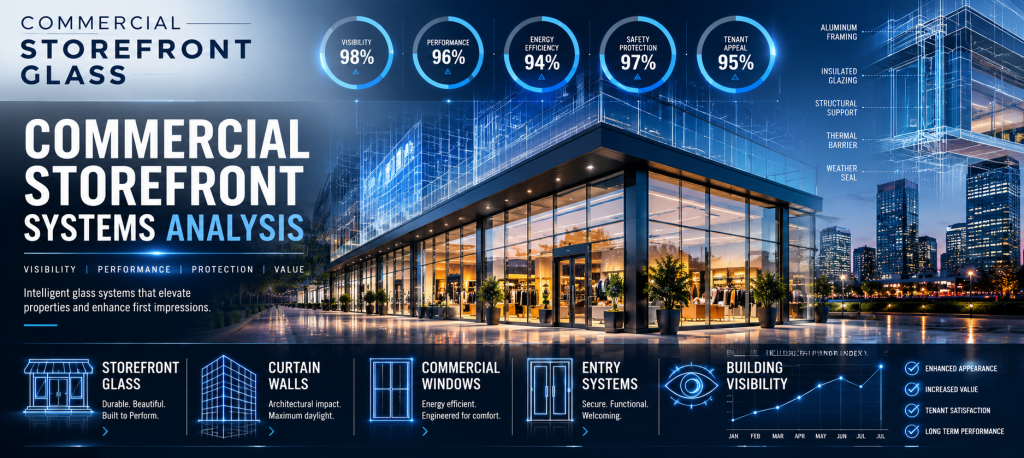
From the perspective of commercial storefront glass, pressure plate systems secure insulated glass units mechanically rather than relying solely on structural silicone. Aluminum pressure plates fasten the glass firmly against continuous gaskets, while decorative exterior cover caps create the finished architectural appearance. This approach has earned a reputation for dependable long-term performance in office towers, hospitals, educational facilities, hotels, airports, retail centers, and mixed-use developments.
Whether constructing a new corporate headquarters or renovating an existing commercial property, pressure plate curtain walls remain one of the industry’s most trusted facade systems.

What Is a Pressure Plate Curtain Wall?
A pressure plate curtain wall secures each insulated glass unit using mechanical aluminum pressure plates attached directly to the curtain wall framing.
A typical system includes:
Vertical aluminum mullions.
Horizontal rails.
Pressure plates.
Continuous glazing gaskets.
Insulated glass units.
Decorative exterior cover caps.
Anchoring systems.
Weather seals.
Once the glass is positioned within the framing, the pressure plate mechanically compresses the gaskets against the glass, creating a secure and weather-resistant seal. Exterior cover caps then conceal the fasteners while completing the architectural appearance.
The result is a durable facade engineered for decades of commercial performance.
Mechanical Attachment Provides Reliable Performance
One of the primary advantages of pressure plate systems is their mechanical attachment method.
Rather than depending exclusively on adhesives, pressure plates physically secure the glazing to the framing system.
This provides:
Consistent glass retention.
Reliable compression.
Improved structural stability.
Excellent weather resistance.
Simplified quality inspection.
The mechanical design has made pressure plate systems a standard solution throughout commercial construction for many years.
Designed to Resist Wind and Weather
Commercial curtain walls must withstand constant environmental exposure.
Pressure plate systems are engineered to resist:
Wind loads.
Driving rain.
Air infiltration.
Thermal expansion.
Building movement.
Seasonal temperature changes.
Proper gasket compression and drainage pathways help manage water while maintaining the integrity of the building envelope.
When professionally installed, pressure plate curtain walls provide dependable performance across a wide range of climates.
Energy Efficiency Begins with the Facade
Modern commercial buildings rely on high-performance curtain walls to improve operational efficiency.
Pressure plate systems commonly incorporate:
Insulated glass units.
Low-emissivity (Low-E) coatings.
Thermally broken aluminum framing.
Continuous weather seals.
High-performance spacers.
These technologies help reduce heat transfer, improve occupant comfort, lower HVAC demand, and support long-term sustainability goals.
Commercial curtain walls contribute directly to the overall energy performance of the building.
Architectural Flexibility Across Commercial Projects
Pressure plate systems support a wide variety of architectural designs.
Office towers.
Healthcare facilities.
Hotels.
Universities.
Government buildings.
Retail developments.
Corporate headquarters.
Mixed-use projects.
Designers can specify different mullion depths, cover cap profiles, glass types, finishes, and facade layouts to create unique architectural expressions while maintaining dependable engineering performance.
The facade becomes both a structural system and a defining design element.
Installation Requires Precision
Successful pressure plate curtain wall installation depends on careful coordination.
Commercial glazing contractors work closely with:
Architects.
Structural engineers.
General contractors.
Steel contractors.
Concrete teams.
Roofing specialists.
Waterproofing professionals.
Each pressure plate must be tightened according to manufacturer specifications to achieve consistent gasket compression and reliable weather performance.
Accurate installation is essential for long-term durability.
Maintenance Supports Long Service Life
Pressure plate curtain wall systems are designed for decades of commercial service.
Routine maintenance typically includes:
Sealant inspections.
Hardware evaluations.
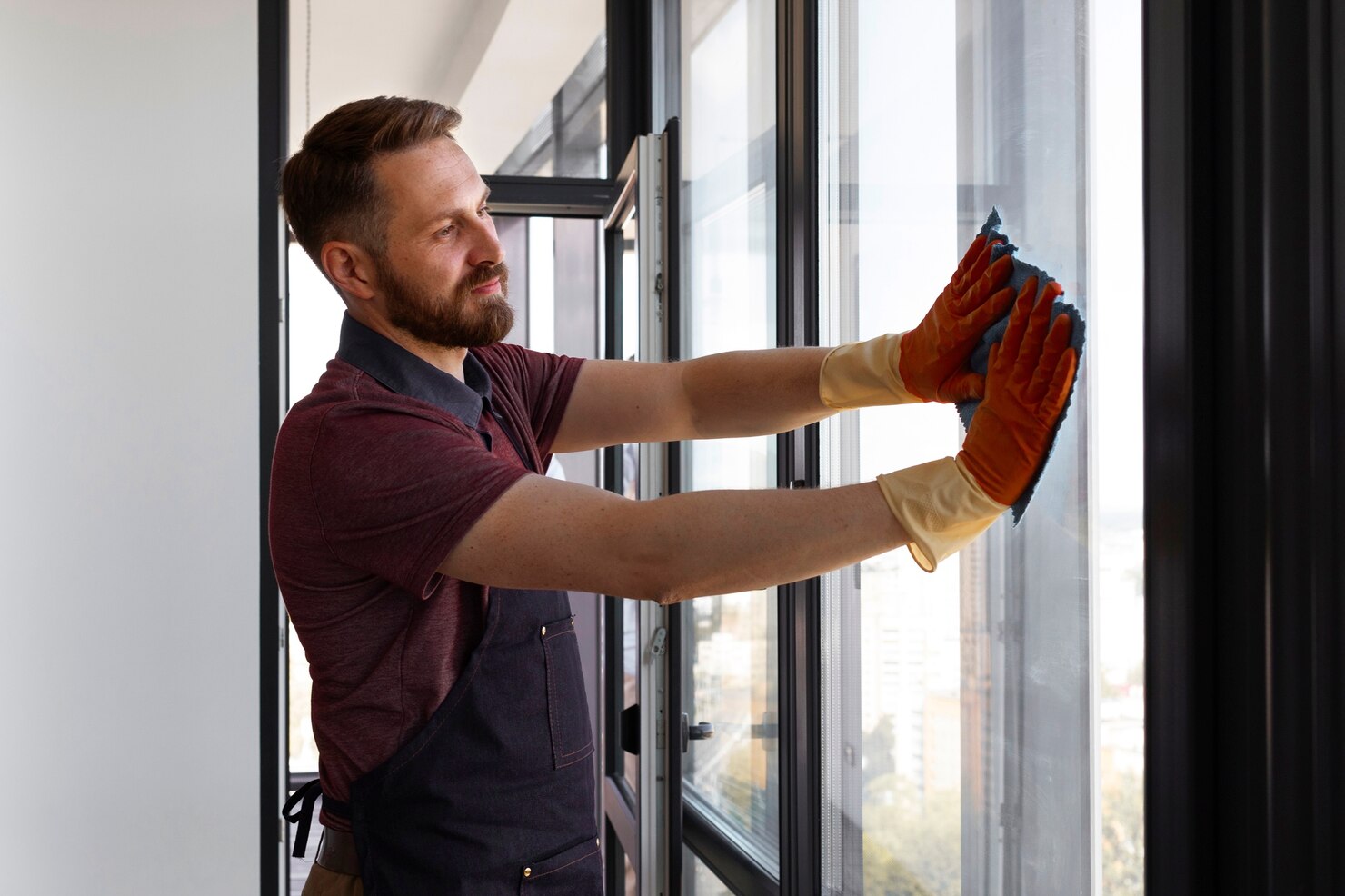
Glass cleaning.
Drainage system inspections.
Weather seal replacement when needed.
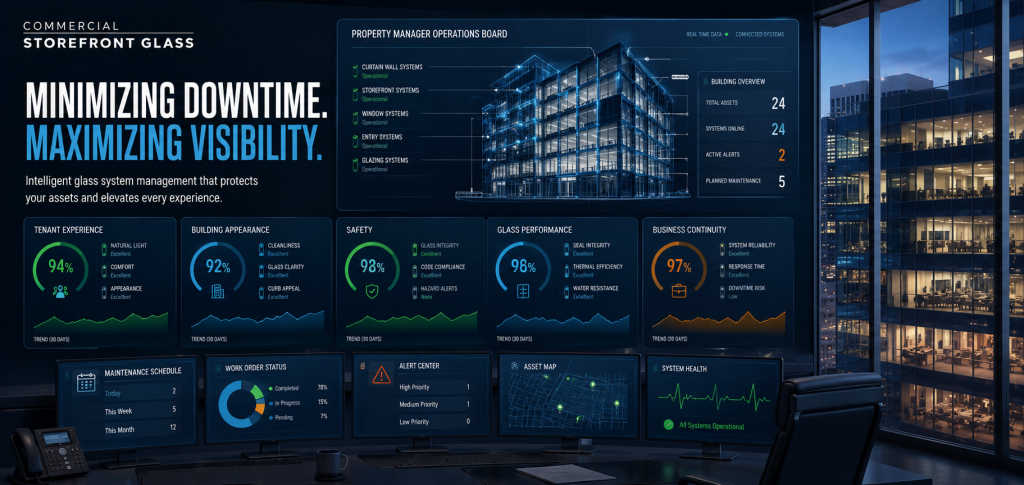
Periodic facade assessments.
Because the glass is mechanically retained, future maintenance and replacement of individual glazing units can often be completed without dismantling large sections of the building envelope.
This serviceability contributes to lower lifecycle costs.
Built for Commercial Durability
Commercial buildings demand facade systems capable of performing every day.
Pressure plate curtain walls provide:
Strong aluminum framing.
Reliable glass retention.
Excellent weather resistance.
Improved thermal performance.
Professional architectural appearance.
Long-term structural reliability.
From busy downtown office buildings to hospitals operating twenty-four hours a day, these systems continue protecting commercial properties through changing seasons and demanding environmental conditions.
Durability remains one of their greatest strengths.
Supporting Modern Commercial Construction
Today’s commercial developments require building envelopes that combine engineering performance with architectural flexibility.
Pressure plate curtain walls help deliver:
Clean sightlines.
Large glass expanses.
Daylight-filled interiors.
Improved occupant comfort.
Energy efficiency.
Long-term property value.
Commercial storefront glass professionals collaborate with architects and contractors to design curtain wall systems that satisfy both structural requirements and aesthetic goals.
The result is a facade built to perform for generations.
Pressure Plate Curtain Wall Systems—Proven Performance for Commercial Buildings
Pressure plate curtain wall systems continue to be one of the most dependable choices in commercial construction because they combine mechanical glass retention, reliable weather protection, energy efficiency, and architectural versatility within one proven facade solution.
For developers, architects, property owners, facility managers, and general contractors, pressure plate systems provide an excellent choice for office buildings, hospitals, hotels, educational campuses, government facilities, retail developments, and mixed-use projects.
When professionally engineered and installed, pressure plate curtain walls create durable building envelopes that improve occupant comfort, reduce operating costs, simplify long-term maintenance, and protect commercial investments for decades.


