


Structural Silicone Glazing Systems
How Structural Silicone Curtain Wall Systems Create Clean, Modern Commercial Building Facades
Structural silicone glazing (SSG) systems have transformed modern commercial architecture by allowing expansive glass facades with minimal visible aluminum framing. From iconic office towers and luxury hotels to corporate headquarters, airports, hospitals, and mixed-use developments, structural silicone systems create sleek, contemporary building envelopes while maintaining the strength and performance required for demanding commercial applications.
From the perspective of commercial storefront glass, structural silicone glazing combines advanced engineering with architectural simplicity. Instead of relying on exterior pressure plates and visible mechanical caps to retain the glass, specially engineered structural silicone transfers loads from the glass to the aluminum framing system. The result is a smooth, uninterrupted glass appearance that has become synonymous with modern commercial design.
For architects seeking transparency, daylight, and clean sightlines, structural silicone systems remain one of the industry’s most sophisticated curtain wall solutions.
What Is a Structural Silicone Glazing System?
A structural silicone glazing system uses high-strength structural silicone to bond insulated glass units directly to the curtain wall framing.
A typical system includes:
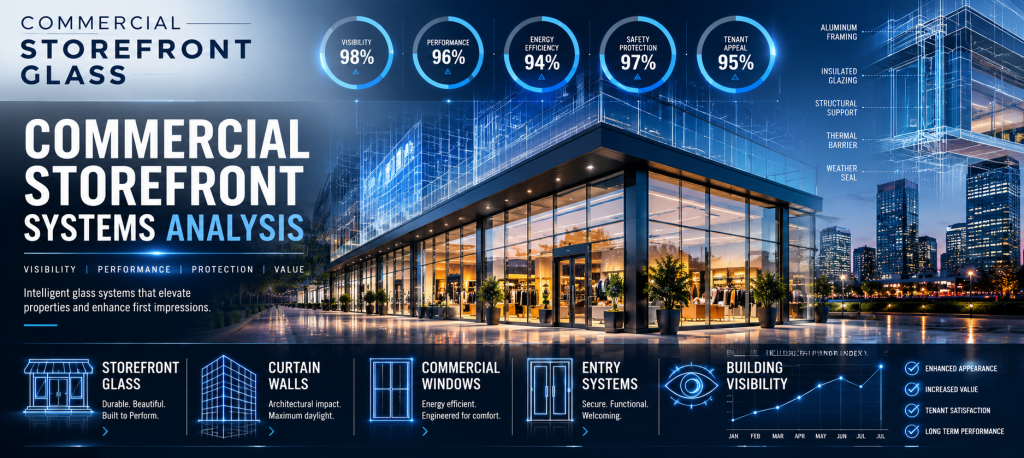
Aluminum curtain wall framing.
Structural silicone sealant.
Insulated glass units.
Interior retainers.
Thermal breaks.
Weather seals.
Drainage systems.
Anchoring hardware.
Because the exterior glass surface remains largely free of visible pressure plates and cover caps, the finished facade presents a smooth, continuous appearance while maintaining engineered structural performance.
The curtain wall remains a non-load-bearing exterior envelope attached to the building’s structural frame.
Designed for Contemporary Architecture
One of the greatest advantages of structural silicone systems is architectural appearance.
Minimal exterior aluminum.
Continuous glass surfaces.
Clean vertical lines.
Expansive daylight.
Modern corporate image.
Premium architectural presentation.
These characteristics make structural silicone glazing particularly popular for high-end commercial projects where appearance plays an important role in the building’s identity.
Glass becomes the dominant architectural feature rather than the framing.
Engineering Beyond Appearance
Although the exterior appears simple, structural silicone glazing requires sophisticated engineering.
Every system is designed to accommodate:
Wind loads.
Building movement.
Thermal expansion.
Glass deflection.
Air infiltration.
Water management.
Structural loading.
The structural silicone itself is engineered and tested to transfer environmental forces safely into the supporting aluminum framing while maintaining long-term performance.
Proper design is essential for reliable operation.
Energy Efficiency Supports Modern Buildings
Structural silicone curtain wall systems commonly incorporate advanced energy-efficient technologies.
Insulated glazing reduces heat transfer.
Low-emissivity (Low-E) coatings improve solar control.
Thermally broken aluminum framing minimizes conductive heat loss.
Warm-edge spacer systems improve thermal performance.
Weather-resistant seals reduce air infiltration.
Together these components help create comfortable indoor environments while lowering long-term operating costs.
Modern facades contribute significantly to building sustainability.
Ideal Applications for Structural Silicone Systems
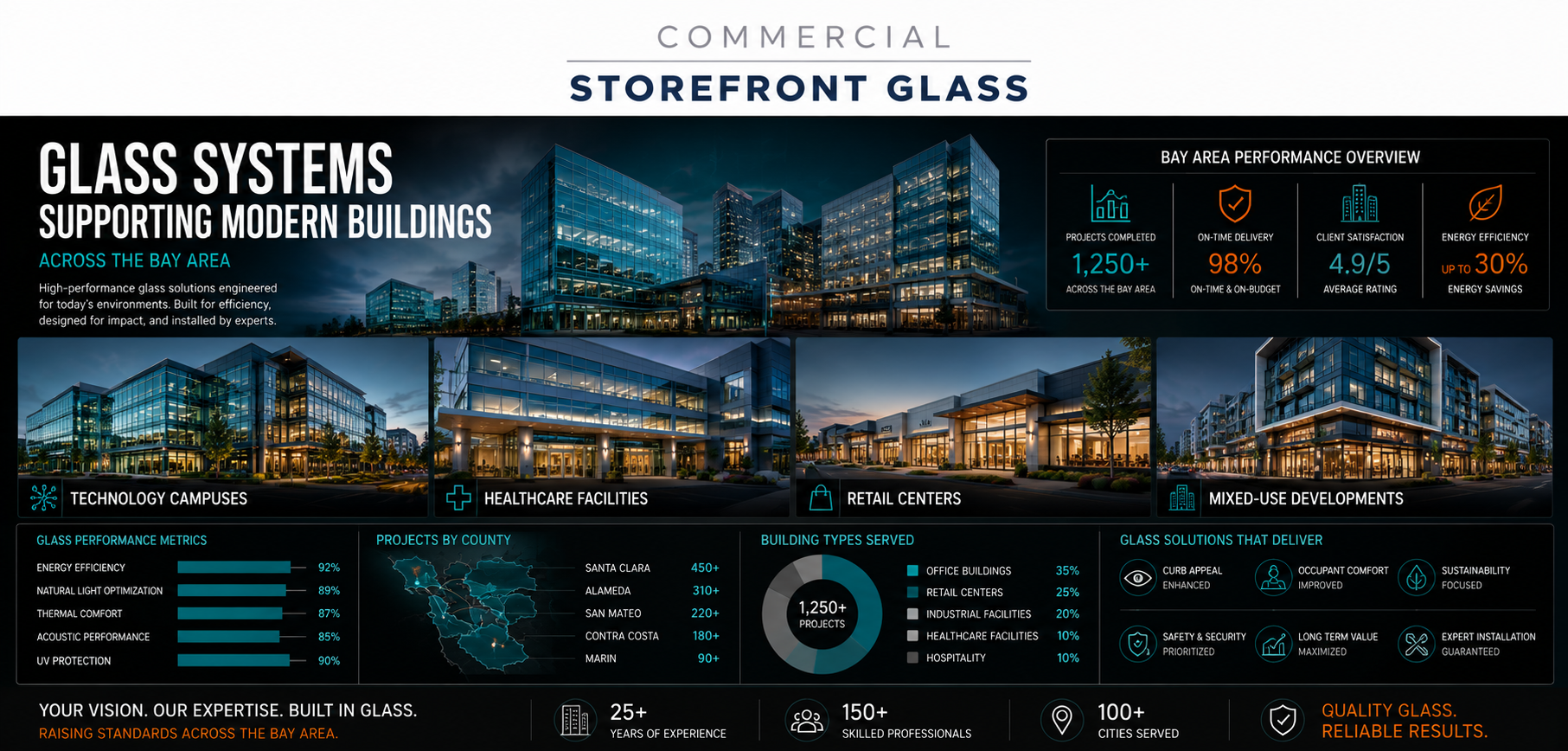
Structural silicone glazing is widely used across premium commercial developments.
Corporate headquarters.
Downtown office towers.
Luxury hotels.
Healthcare campuses.
Airport terminals.
Convention centers.
Educational facilities.
Mixed-use developments.
Institutional buildings.
Projects emphasizing architectural transparency and contemporary design often benefit most from structural silicone curtain wall systems.
The clean exterior appearance complements today’s modern commercial architecture.
Precision Manufacturing and Installation
Successful structural silicone systems require exceptional quality control.
Commercial glazing contractors coordinate with:
Architects.
Facade consultants.
Structural engineers.
General contractors.
Building envelope specialists.
Manufacturing teams.
Installation crews.
Silicone application, curing, fabrication tolerances, and field installation must all follow strict engineering requirements to ensure long-term structural performance.
Attention to detail is critical throughout every phase of the project.
Long-Term Maintenance and Inspection
Like every commercial facade, structural silicone systems benefit from routine maintenance.
Periodic inspections typically include:
Sealant evaluation.
Glass inspection.
Drainage system review.
Hardware inspection.
Building movement assessment.
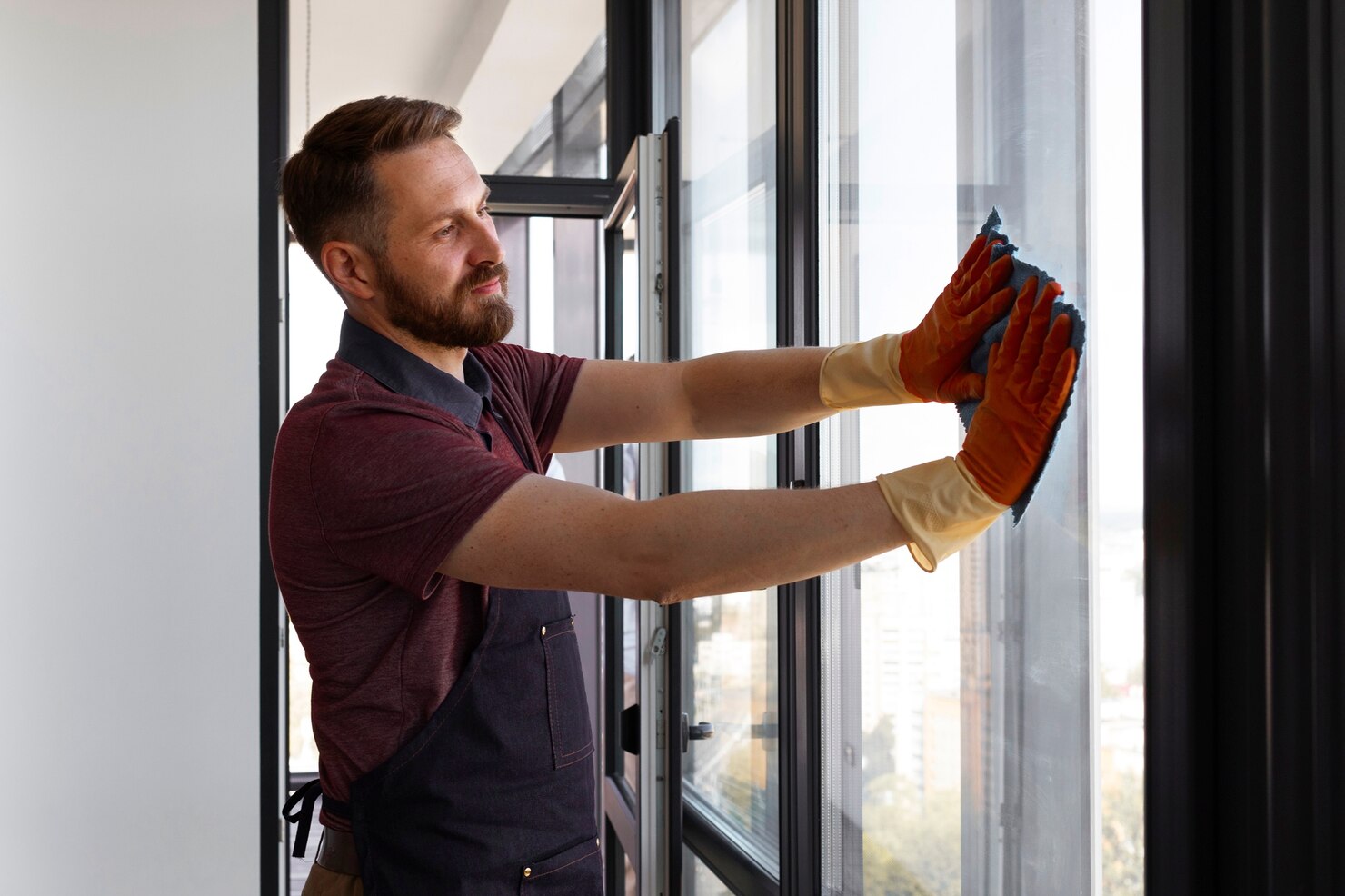
Facade cleaning.
Proper maintenance helps preserve structural integrity, weather resistance, and architectural appearance throughout the life of the building.
Preventive inspections contribute to long-term reliability.
Balancing Beauty with Performance
Structural silicone glazing demonstrates that commercial facades can combine aesthetics with engineering.
Expansive daylight.
Minimal visual interruptions.
Energy-efficient glazing.
Reliable weather protection.
Durable aluminum framing.
Professional architectural appearance.
Modern commercial storefront glass professionals work closely with architects to ensure structural silicone systems satisfy both design ambitions and engineering performance requirements.
Appearance and functionality work together.
Building the Future of Commercial Architecture
As commercial architecture continues emphasizing transparency, sustainability, and occupant wellness, structural silicone glazing remains an important curtain wall solution.
Office environments benefit from increased natural daylight.
Hotels create dramatic entrances.
Healthcare facilities improve occupant comfort.
Corporate headquarters strengthen brand identity.
Mixed-use developments showcase contemporary urban design.
Structural silicone systems allow buildings to achieve these goals while maintaining dependable long-term building envelope performance.
Structural Silicone Glazing Systems—Modern Design Meets Advanced Engineering
Structural silicone glazing systems represent one of the most advanced curtain wall technologies available in commercial construction. Their clean exterior appearance, minimal visible framing, and high-performance engineering have made them a preferred solution for premium office buildings, hotels, healthcare facilities, airports, educational campuses, and mixed-use developments.
For developers, architects, property owners, facility managers, and general contractors, structural silicone systems offer an exceptional balance of architectural elegance, energy efficiency, weather resistance, and long-term durability.
When professionally engineered, manufactured, installed, and maintained, structural silicone curtain wall systems create sophisticated building envelopes that improve occupant comfort, reduce operating costs, strengthen architectural identity, and protect commercial investments for decades.


