


Commercial General Contractor Guide to Glass Repair, Replacement & Installation
General contractors coordinate every phase of a commercial construction project, bringing together architects, engineers, owners, specialty trades, inspectors, and suppliers to deliver safe, functional, and high-performing buildings. Commercial glass is one of the final systems installed, yet it affects nearly every aspect of a project’s success—from building envelope performance and energy efficiency to tenant satisfaction, accessibility, security, scheduling, and final inspections. Whether managing a storefront replacement, tenant improvement, office renovation, healthcare expansion, mixed-use development, industrial project, or high-rise construction, general contractors must understand when commercial glass should be repaired, replaced, or incorporated into new construction.
Commercial glazing extends well beyond installing glass panels. Successful projects require coordination between structural framing, waterproofing, roofing, HVAC, electrical systems, access control, fire protection, interior finishes, and building commissioning. Proper planning helps reduce delays while improving long-term building performance.
Understanding the Scope of Commercial Glazing
Commercial glass systems typically include far more than windows.
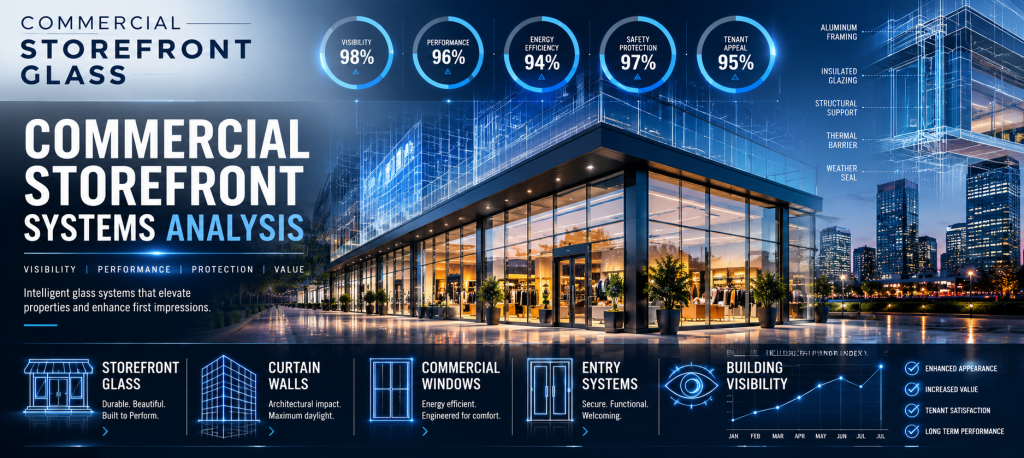
A complete glazing package may include:
- Aluminum storefront systems
- Curtain walls
- Commercial windows
- Glass entrances
- Automatic doors
- Interior office glazing
- Fire-rated glass
- Security glazing
- Insulated glass units (IGUs)
- Storefront hardware
- Entrance framing
- Sealants and weather barriers
Because these systems interact with multiple trades, coordination early in the project helps prevent costly rework later.
When Repair Is the Right Solution
Not every project requires complete replacement.
Repair is often appropriate when:
- Damage is localized
- Existing framing remains structurally sound
- Individual glass panels require replacement
- Hardware needs servicing
- Automatic doors require adjustment
- Sealants require maintenance
- Water intrusion is isolated
- Existing systems continue performing as designed
Targeted repairs allow projects to preserve budgets while minimizing disruption to occupied buildings.
When Replacement Creates Better Project Value
Replacement is often the preferred solution during renovations and building repositioning.
Replacement is commonly recommended when:
- Multiple glazing systems have deteriorated
- Energy performance has declined
- Water intrusion becomes recurring
- Storefronts no longer meet tenant expectations
- Building modernization is planned
- Maintenance costs continue increasing
- Accessibility improvements are required
- Existing components reach the end of their service life
Replacing aging glazing during larger renovation projects often improves scheduling efficiency while reducing future maintenance.
New Installation During Commercial Construction
New construction requires close coordination between the glazing contractor and other project teams.
Typical installation projects include:
- Office buildings
- Retail centers
- Healthcare facilities
- Hospitality developments
- Industrial buildings
- Educational campuses
- Mixed-use developments
- Corporate headquarters
Successful installations depend on accurate field measurements, sequencing, material coordination, and quality control throughout construction.
Scheduling Is Critical
Commercial glazing often affects multiple project milestones.
General contractors commonly coordinate:
- Structural completion
- Waterproofing
- Roofing interfaces
- Exterior finishes
- Mechanical systems
- Interior build-out
- Final inspections
- Certificate of occupancy
Well-planned sequencing reduces delays while allowing other trades to work efficiently.
Managing Risk Throughout Construction
Commercial glass projects benefit from proactive risk management.
Project teams routinely evaluate:
- Material lead times
- Field dimensions
- Building movement
- Weather conditions
- Safety planning
- Delivery logistics
- Installation sequencing
- Punch list coordination
Addressing these issues early helps maintain construction schedules and improve final project quality.
Building Envelope Coordination
Commercial glazing performs best when coordinated with the entire building envelope.
General contractors often work closely with:
- Architects
- Structural engineers
- Waterproofing consultants
- Roofing contractors
- Mechanical contractors
- Electrical contractors
- Access control specialists
- Building inspectors
Strong coordination between trades improves weather resistance, energy performance, and long-term durability.
Questions Every General Contractor Should Ask
Before beginning a commercial glazing project, consider:
- Is repair sufficient or is replacement more economical?
- Has the building envelope been fully evaluated?
- Are field measurements verified?
- Are long-lead materials ordered?
- Does the glazing schedule align with other trades?
- Have accessibility and life-safety requirements been coordinated?
- Has hardware been specified correctly?
- Will installation affect occupied spaces?
- Are inspection requirements understood?
- Has long-term maintenance been considered?
Answering these questions early reduces construction risks while improving project outcomes.
Delivering Better Commercial Projects
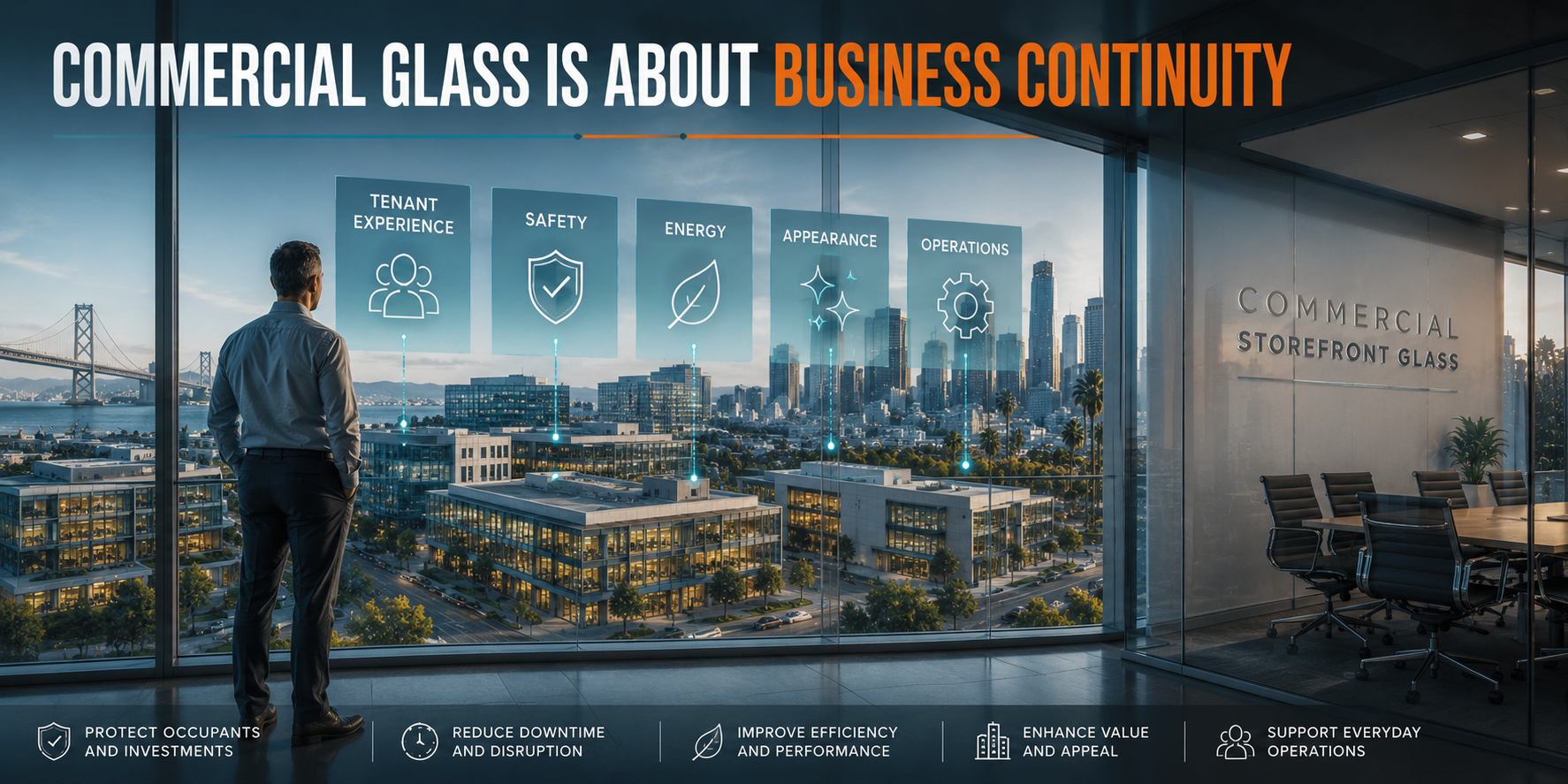
Commercial glass repair, replacement, and installation each serve different purposes within commercial construction. Repairs preserve existing systems during occupied renovations, replacements modernize aging buildings while improving long-term performance, and new installations complete high-performance commercial developments designed for decades of service.
By emphasizing planning, trade coordination, scheduling, quality control, building envelope integration, and lifecycle performance, general contractors can deliver projects that operate efficiently, satisfy owners and tenants, reduce callbacks, and maximize the long-term value of commercial buildings.


