

Commercial Storefront Glass

Repair

Fast, reliable repairs for all types of commercial glass and storefronts.

Replacement

High-quality glass replacement for safety, security, and efficiency.

Installation

Professional installation for new construction and renovation projects.

Commercial Storefront Glass: High-Rise vs Low-Rise Buildings

How Building Height Changes Commercial Storefront Glass Design and Performance

Commercial buildings come in many forms, but one of the biggest factors influencing storefront glass design is height. A two-story neighborhood office building faces very different engineering requirements than a forty-story downtown tower. Wind loads, structural movement, energy performance, occupant access, maintenance, and glazing systems all change as buildings grow taller.

From the perspective of commercial storefront glass, high-rise and low-rise buildings often share the same design goals—beautiful architecture, energy efficiency, occupant comfort, and long-term durability—but they achieve those goals using different engineering strategies.

Whether serving a suburban retail center, a medical office building, a corporate campus, or a downtown office tower, commercial storefront glass must be designed to match the unique demands of the structure.
 

livermore east bay dublin commercial storefront glass glazing repair (3)


Low-Rise Buildings Focus on Accessibility

Low-rise commercial buildings typically include:

Retail centers.

Restaurants.

Medical offices.

Professional offices.

Schools.

Hotels.

Industrial headquarters.

Business parks.

Because occupants interact directly with the storefront throughout the day, entrances, visibility, accessibility, and customer experience become primary design priorities.

Commercial storefront systems help create welcoming entrances while maximizing daylight, improving energy efficiency, and strengthening the overall appearance of the building.

For many businesses, the storefront serves as the public face of the property.

High-Rise Buildings Prioritize Building Envelope Performance

High-rise commercial buildings introduce additional engineering challenges.

Office towers.

Mixed-use developments.

Hotels.

Hospitals.

Corporate headquarters.

Government buildings.

Large urban developments.

As buildings increase in height, wind pressure, structural movement, and environmental exposure become increasingly important.

Commercial storefront systems near the ground often transition into curtain wall systems or engineered facade assemblies as elevation increases.

Every component must perform reliably under significantly different structural conditions than a low-rise building.

Wind Loads Increase with Height

One of the greatest differences between high-rise and low-rise buildings is wind.

Ground-level storefronts generally experience lower wind pressures.

Upper floors encounter greater structural loading.

Building sway becomes a design consideration.

Glass deflection must remain within engineered limits.

Anchoring systems become increasingly important.

Commercial storefront glass used in taller buildings must accommodate these additional forces while maintaining weather resistance and occupant safety.

Engineering becomes more complex as elevation increases.

Maintenance Strategies Differ

Every commercial building requires maintenance, but access changes dramatically with height.

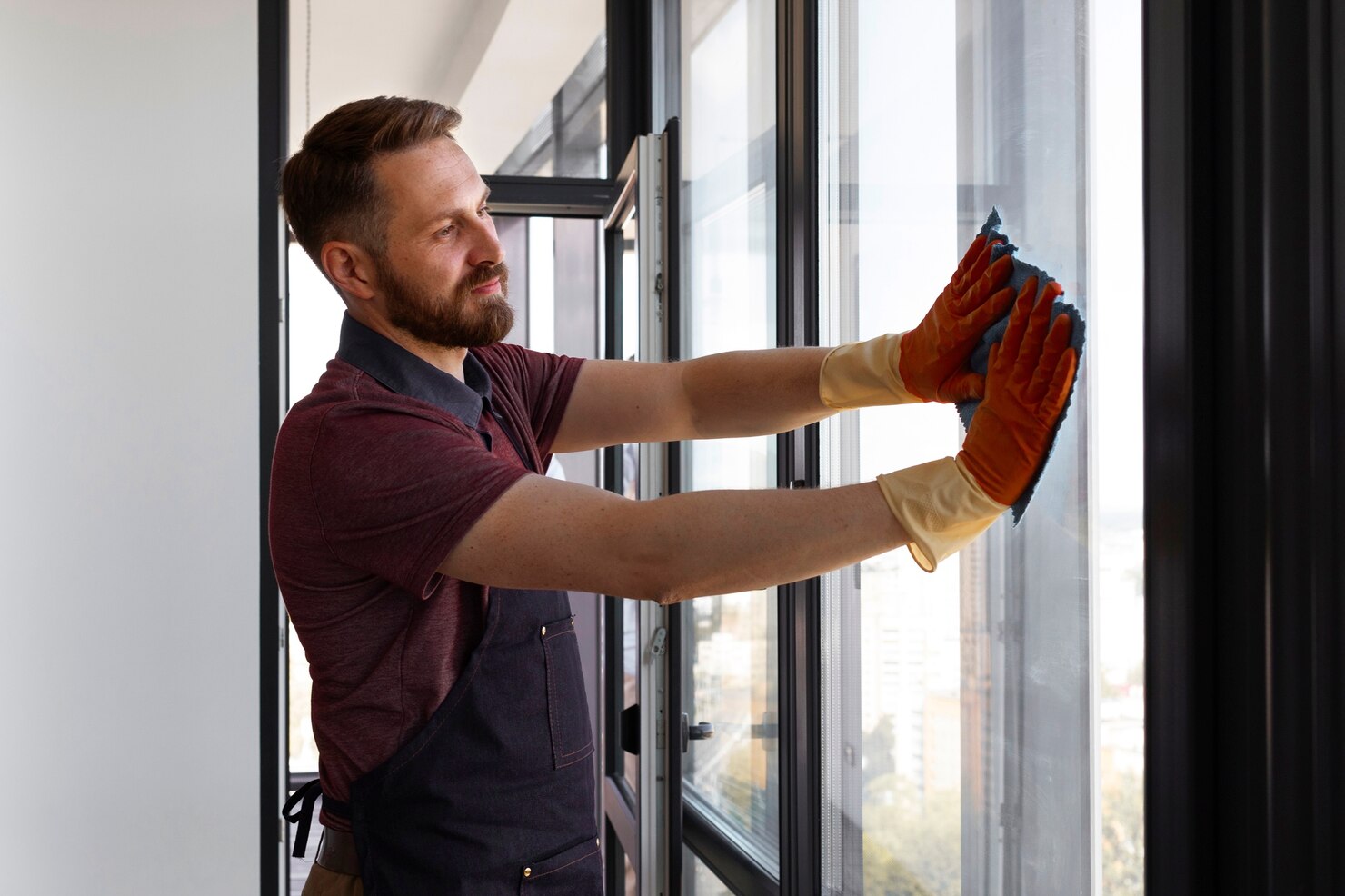
Low-rise storefronts are generally easier to inspect, clean, and service.

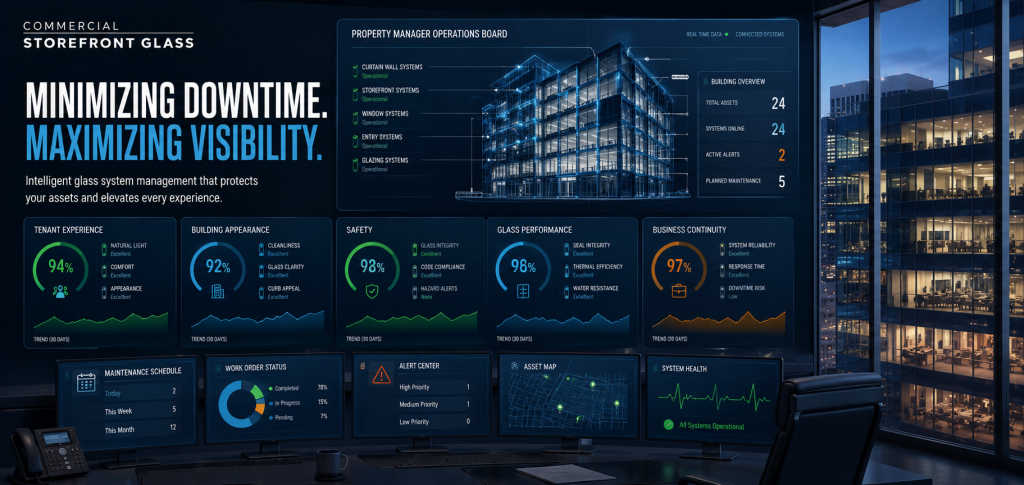
High-rise buildings often require specialized equipment, suspended access systems, or dedicated maintenance programs for exterior glazing.

Because replacement and repairs become more complex, durability and long-term performance become even more important in taller buildings.

Quality materials help reduce lifecycle costs regardless of building height.
 

livermore east bay dublin commercial storefront glass glazing repair (1)


Energy Performance Benefits Every Building

Whether a building has two floors or fifty, energy efficiency remains essential.

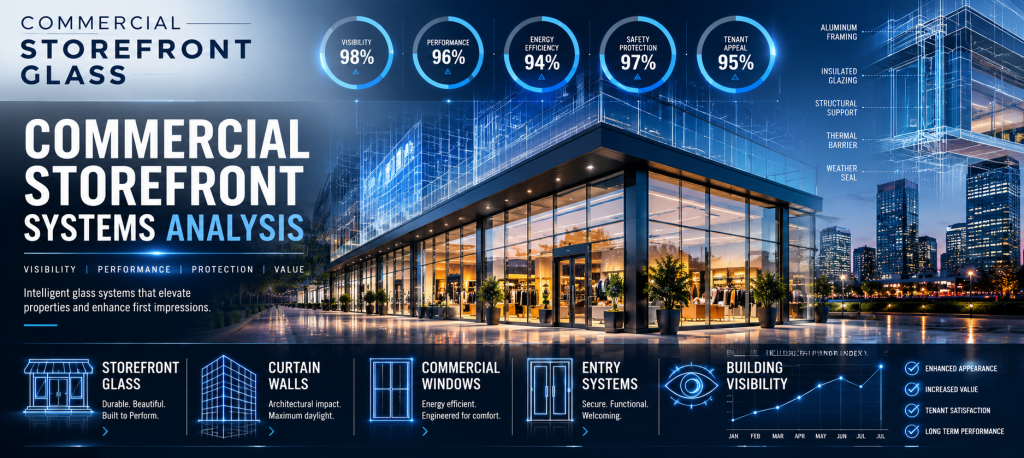
High-performance insulated glazing reduces heat transfer.

Low-emissivity coatings improve indoor comfort.

Thermally broken aluminum framing minimizes thermal bridging.

Modern glass systems help reduce heating and cooling demands throughout the year.

For high-rise buildings with extensive glass facades, energy performance can significantly influence operating costs.

Low-rise properties also benefit through improved occupant comfort and reduced utility expenses.

Commercial storefront glass contributes directly to building efficiency at every scale.

Occupancy Influences Storefront Design

Different building types create different glazing priorities.

Low-rise retail emphasizes customer visibility.

Medical offices prioritize welcoming entrances.

Hotels create memorable guest arrivals.

Corporate campuses encourage collaboration through daylight-filled spaces.

High-rise office towers focus on tenant comfort, panoramic views, and premium workplace environments.

Mixed-use towers combine retail storefronts, office glazing, hospitality, and residential amenities within one integrated building envelope.

Commercial storefront systems adapt to each occupancy while supporting long-term operational goals.

General Contractors Coordinate Different Construction Approaches

Building height influences nearly every phase of construction.

Low-rise projects often emphasize efficient installation and public-facing storefront systems.

High-rise construction requires detailed coordination among structural engineers, facade consultants, architects, glazing contractors, crane operations, logistics teams, and project managers.

Commercial glazing contractors contribute engineering expertise, fabrication precision, installation sequencing, and quality control throughout every stage of construction.

Successful storefront systems begin with successful coordination.
 

alameda bay area oakland commercial storefront glass glazing repair (3)


Durability Protects Long-Term Investments

Regardless of height, commercial buildings are designed for decades of service.

Premium aluminum framing resists corrosion.

Commercial-grade hardware supports continuous operation.

Laminated safety glass improves security.

Weather-resistant sealants protect the building envelope.

Professionally engineered storefront systems reduce maintenance while extending service life.

Whether serving a suburban business park or a downtown skyscraper, durable storefront systems protect long-term commercial investments.

Choosing the Right System for the Right Building

Every commercial project has unique performance requirements.

A neighborhood retail center prioritizes customer access.

A healthcare facility emphasizes reliability.

A corporate headquarters values workplace quality.

A downtown office tower requires advanced structural engineering.

Commercial storefront glass provides flexible solutions capable of meeting each of these objectives through carefully engineered framing, glazing, hardware, and installation methods.

The best storefront system is the one designed specifically for the building it serves.

High-Rise vs Low-Rise—Commercial Storefront Glass Engineered for Every Scale

High-rise and low-rise commercial buildings may differ in size, engineering, and occupancy, but both depend on storefront systems that combine architectural excellence with dependable long-term performance.

Low-rise buildings emphasize accessibility, visibility, and customer interaction. High-rise buildings demand advanced engineering, structural performance, and sophisticated building envelope design.

For developers, architects, property owners, facility managers, and general contractors, understanding the differences between high-rise and low-rise commercial storefront systems leads to better building performance, lower operating costs, improved occupant comfort, and stronger long-term property value.

Whether constructing a neighborhood retail center, a regional healthcare campus, a corporate headquarters, a mixed-use development, or a landmark office tower, high-performance commercial storefront glass provides the durability, efficiency, and architectural quality required to support successful commercial buildings for decades.