


Commercial Storefront Glass: Traditional vs Contemporary Design
How Commercial Storefront Glass Bridges Classic Architecture and Modern Building Performance
Commercial architecture constantly evolves, yet every new building and renovation begins with an important design decision: preserve a traditional appearance or embrace a contemporary aesthetic. Historic downtowns, neighborhood business districts, and institutional buildings often celebrate timeless architectural character, while modern office towers, mixed-use developments, technology campuses, and retail centers emphasize clean lines, expansive glass, and minimalist design.
From the perspective of commercial storefront glass, traditional and contemporary architecture are not competing philosophies—they are two approaches that can both benefit from today’s high-performance glazing systems. Modern storefront technology allows architects and property owners to respect a building’s history while improving energy efficiency, durability, accessibility, and long-term performance.
Whether restoring a century-old commercial building or designing a new corporate headquarters, commercial storefront glass helps connect architectural character with modern building standards.
Traditional Architecture Celebrates Character
Traditional commercial buildings often feature distinctive architectural details.
Masonry facades.
Decorative stonework.
Historic entrances.
Divided-light storefronts.
Ornamental trim.
Classic proportions.
Downtown main streets, historic hotels, neighborhood retail districts, civic buildings, and older office properties often rely on these elements to preserve their identity.
Commercial storefront glass can be integrated into these buildings while maintaining their historic appearance and improving day-to-day functionality.
Respecting architectural heritage remains an important part of commercial renovation.
Contemporary Design Emphasizes Simplicity
Modern commercial architecture often focuses on openness.
Large expanses of glass.
Slim aluminum framing.
Transparent entrances.
Natural daylight.
Minimal visual clutter.
Corporate headquarters, healthcare campuses, technology offices, hotels, airports, and mixed-use developments frequently use contemporary storefront systems to create bright, flexible environments that reflect today’s business expectations.
Commercial storefront glass becomes a defining architectural feature rather than simply an exterior wall.
Performance Matters Regardless of Style
Whether traditional or contemporary, every commercial building must perform efficiently.
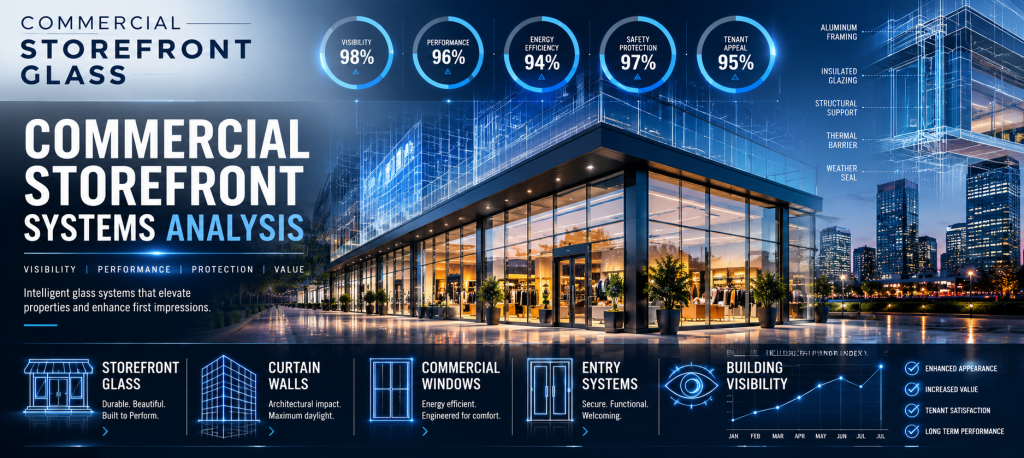
High-performance insulated glazing reduces heat transfer.
Low-emissivity coatings improve energy efficiency.
Thermally broken framing minimizes thermal bridging.
Laminated safety glass enhances security.
Modern weather seals reduce air and water infiltration.
Today’s storefront systems allow architects to achieve exceptional building performance without compromising the desired architectural style.
Good design begins with reliable building performance.
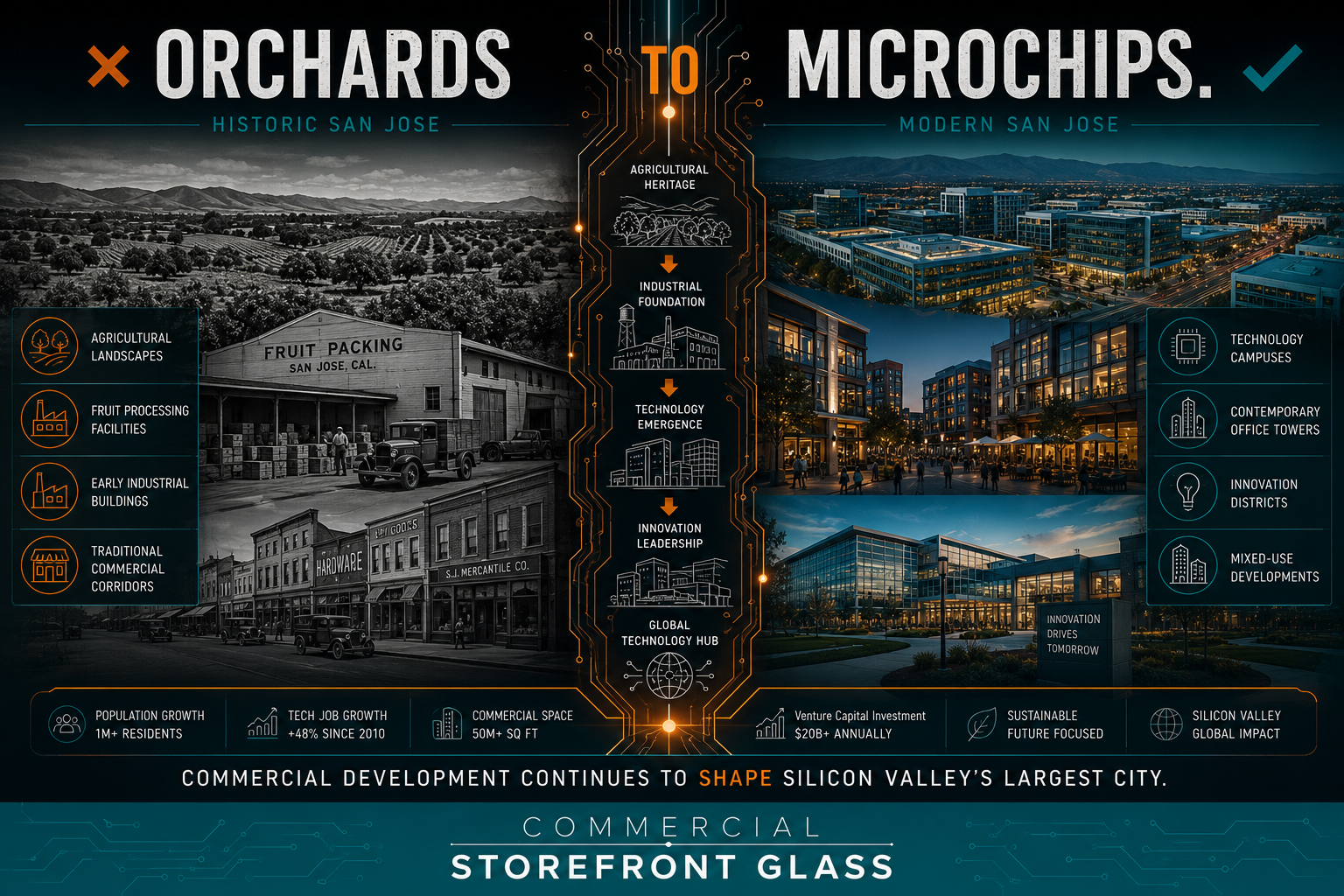
Historic Renovation Meets Modern Technology
Many commercial renovation projects seek to preserve existing architecture while introducing modern building systems.
Historic office buildings.
Boutique hotels.
Downtown retail spaces.
Restaurants.
Cultural institutions.
Adaptive reuse projects.
Commercial storefront glass allows these buildings to retain their visual identity while benefiting from improved energy performance, occupant comfort, accessibility, and long-term durability.
The goal is preserving history while preparing buildings for the future.
Contemporary Buildings Prioritize Flexibility
Modern commercial buildings are often designed to evolve.
Office layouts change.
Retail spaces adapt.
Technology companies expand.
Healthcare facilities modernize.
Mixed-use developments accommodate multiple tenants.
Contemporary storefront systems support these changing needs through flexible glazing solutions, larger openings, daylight-filled interiors, and adaptable entrance systems.
Commercial storefront glass supports both today’s operations and tomorrow’s growth.
General Contractors Coordinate Design and Performance
Successful storefront projects require careful collaboration.
General contractors coordinate architects, structural engineers, glazing contractors, mechanical systems, electrical trades, waterproofing specialists, and project managers throughout construction.
Traditional renovations often require close attention to existing conditions and historic details.
Contemporary projects frequently emphasize precision engineering, energy performance, and modern construction methods.
Commercial glazing contractors help ensure every storefront system performs as intended regardless of architectural style.
Commercial Glass Supports Every Property Type
Every commercial property benefits from thoughtfully designed storefront systems.
Retail centers improve visibility.
Corporate headquarters strengthen professional identity.
Hotels create memorable guest arrivals.
Healthcare facilities provide welcoming entrances.
Educational campuses maximize natural daylight.
Industrial headquarters balance durability with appearance.
Historic buildings preserve architectural significance.
Modern developments showcase innovation.
Commercial storefront glass adapts to every occupancy while supporting long-term building performance.
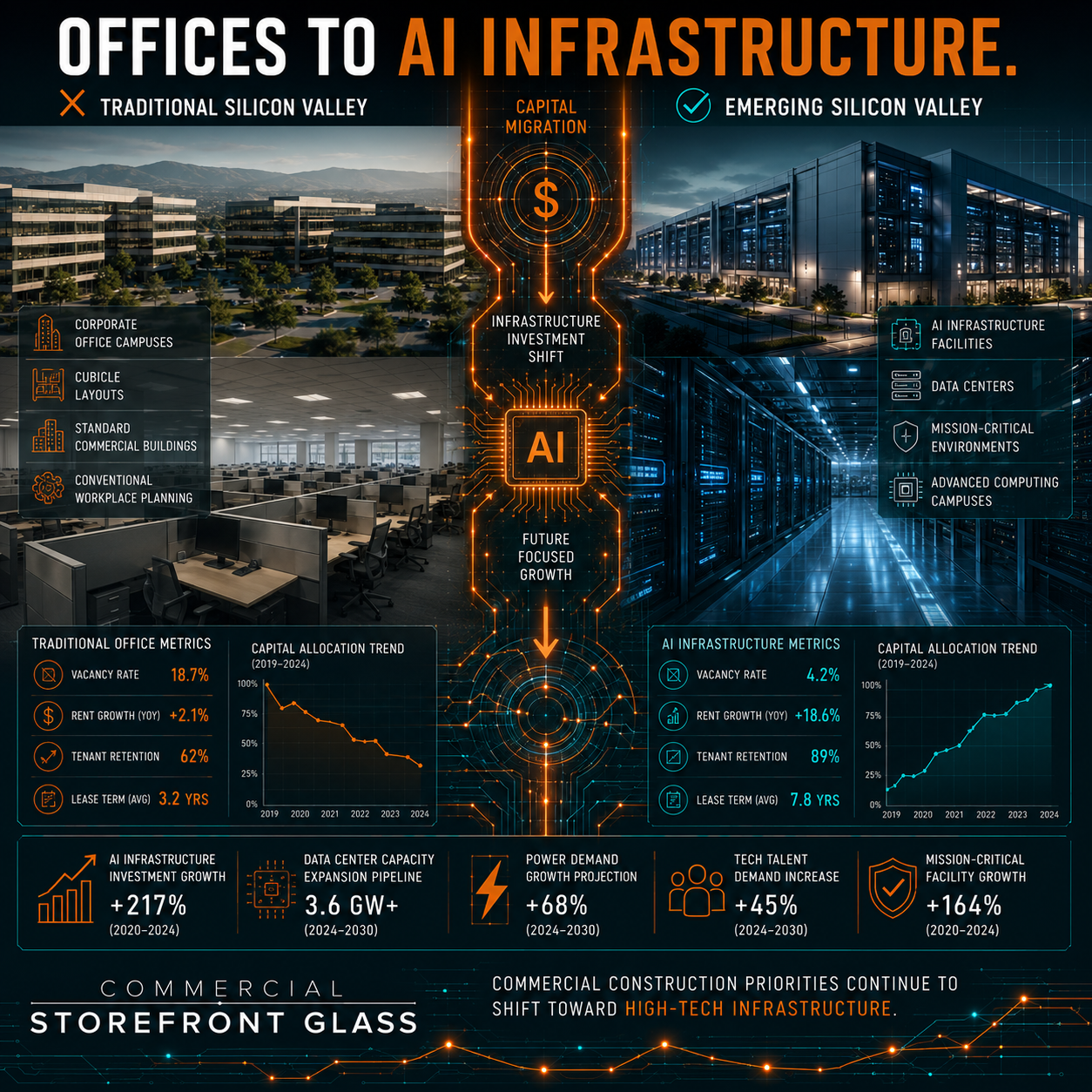
Long-Term Value Extends Beyond Appearance
Architecture influences perception, but performance influences ownership.
Efficient storefront systems reduce operating costs.
Durable materials lower maintenance requirements.
Modern glazing improves occupant comfort.
Professional entrances strengthen tenant attraction.
Well-designed facades increase long-term property value.
Whether traditional or contemporary, successful storefront systems combine architectural beauty with dependable operational performance.
The building should remain both attractive and functional for decades.
Choosing the Right Architectural Approach
Every commercial project has different goals.
A historic downtown storefront may emphasize preservation.
A technology headquarters may embrace minimalist design.
A healthcare facility may prioritize comfort and accessibility.
A mixed-use development may blend traditional materials with contemporary glazing.
Commercial storefront glass provides the flexibility to support each vision while meeting today’s building codes, sustainability objectives, and performance expectations.
The best storefront reflects both the building’s history and its future.
Traditional vs Contemporary—Commercial Storefront Glass Built for Every Architectural Vision
Traditional and contemporary commercial buildings represent different architectural expressions, yet both depend on storefront systems that combine beauty with performance. Historic buildings benefit from modern glazing technologies that preserve character while improving efficiency. Contemporary buildings rely on expansive glass and advanced engineering to create bright, adaptable commercial environments.
For developers, architects, property owners, facility managers, and general contractors, understanding the relationship between traditional and contemporary storefront design leads to stronger renovation strategies, better building performance, lower operating costs, and greater long-term commercial value.
Whether restoring a landmark downtown property, constructing a modern office tower, renovating a boutique hotel, expanding a healthcare campus, or developing a mixed-use commercial district, commercial storefront glass provides the durability, efficiency, and architectural flexibility needed to create buildings that stand the test of time.


