



After a smash-and-grab down the street, a jewelry or electronics retailer starts asking about stronger glass. Laminated security glass in Summerlin storefronts can slow an intruder down a great deal, but how well it works depends on far more than the glass. A laminated lite held in a standard frame with ordinary glazing may simply be pushed out whole.
Asking the right questions before the purchase is what separates a real upgrade from an expensive sticker on the door.
The retailer has to decide what level of protection to buy and where.
- Laminated glass in the most exposed lites only
- Laminated glass in every storefront lite and door
- Security film on existing glass as a lower-cost step
- Laminated glass plus frame and anchoring upgrades in a rated assembly
Look at the Lite You Would Upgrade
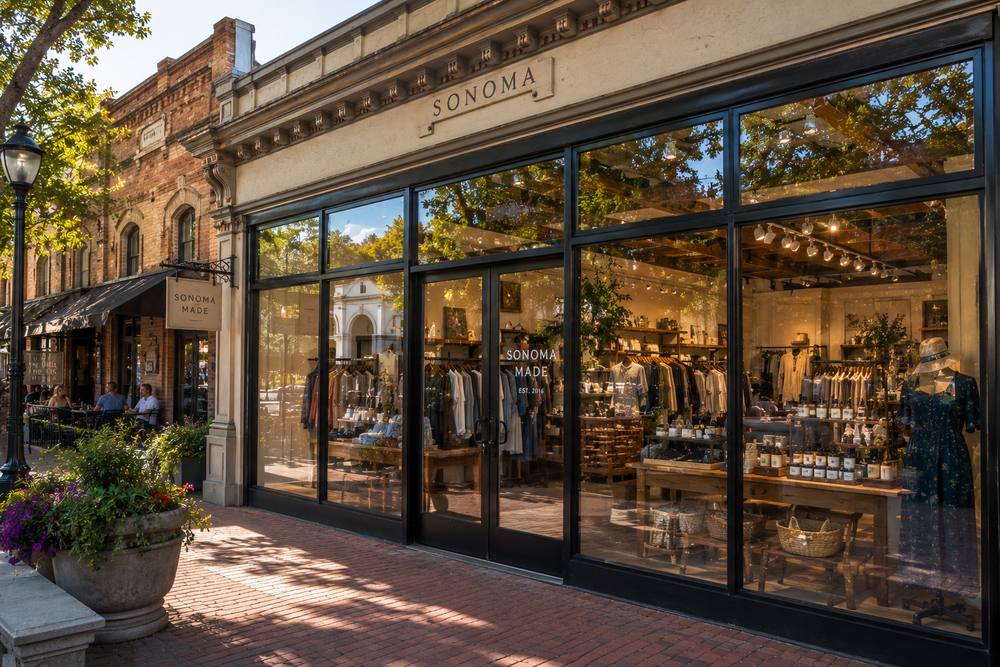
Photograph the front from the parking lot and mark each lite: what sits behind it, how close a vehicle can get, how visible it is from the road at night. Most break-ins target the door or a display lite near high-value stock. This photo usually shows that two or three lites carry most of the risk, which focuses the budget.
What it cannot tell you yet: Whether the frame, glazing stops and anchors can hold a laminated lite under attack, and whether the door hardware is the weaker point anyway.
Questions to Ask the Glazier
- What interlayer and thickness are you proposing, and why? Thicker and stronger interlayers resist longer. Ask for product data.
- Is this tested as an assembly? Some products are tested to forced-entry or impact standards only as part of a specific frame and glazing method.
- How is the glass held in the frame? Structural silicone or deeper bite helps keep laminated glass from being pushed out.
- Will my frames accept the thicker glass? Laminated units are often thicker than the glass they replace.
- What about the door? If the lock, strike or door rails are weak, intruders will go there.
Laminated Glass vs. Security Film
| Laminated glass | Security film | |
|---|---|---|
| How it works | Interlayer bonded between glass lites | Film applied to inside face of existing glass |
| Typical use | New or replacement glazing | Retrofit on sound existing glass |
| Holds glass together | Yes | Yes, to a degree, especially with attachment systems |
| Frame changes | Possible if thicker | Usually none, unless attachment is added |
| Check with | Glass and frame makers | Film maker and glass maker |
- The thicker laminated glass will not fit the existing glazing pockets
- A rated assembly requires its own tested frame and anchors
- The door needs new rails, lock and strike to match the glass upgrade
- The landlord requires a matching look across neighboring bays
The Summerlin factor: open centers and late hours
Many Summerlin centers have open parking right in front of the stores, and some are quiet late at night. That makes the lites nearest the parking lot and the door the obvious targets. Landlords in planned centers may also limit roll-down grilles or visible security hardware on the front, which makes the glass itself more important. Ask the landlord what is allowed before choosing between glass, film and other measures.
A watch retailer marks up its storefront and finds that the door and one display lite beside it hold the most valuable stock. The glazier proposes laminated glass with a heavier interlayer in those two lites, set with structural silicone, plus a new lock and strike on the door. The rest of the front stays as is for now.
If someone hits this lite repeatedly, will the glass stay in the frame, or will the whole sheet push in?
This question goes straight to the weak point. A good answer covers the glazing method and the frame, not just the glass.
| What you can document | What the glazier verifies on site |
|---|---|
| The marked-up photo of exposed lites | Pocket depth and frame strength |
| Past incidents at this or nearby stores | Glazing method for laminated glass |
| Landlord rules on security features | Door, lock and strike condition |
| Insurance requirements, if any | Product data and any test ratings |
A Security Upgrade Checklist
- ☐ Highest-risk lites identified
- ☐ Interlayer type and thickness confirmed in writing
- ☐ Glazing method stated (for example, structural silicone)
- ☐ Frame and anchors checked for the added load
- ☐ Door hardware upgraded to match
- ☐ Any rating claims backed by test reports for the actual assembly
- Forced-entry or impact ratings only for the tested assembly, from the manufacturer’s test reports
- Safety glazing requirements at doors and near the floor
- Interlayer product data from the interlayer maker
- Landlord approval for any change to the storefront appearance
The Next Decision
The next decision is which lites to upgrade first and to what level. Fund the door and the highest-risk lites before the rest.
Have this ready:
- The marked-up photo
- Product data for the proposed glass
- Door hardware assessment
- Budget
Talk It Through
If you are considering security glass, we can assess your storefront and recommend where it will make a difference. See our pages on storefront glass in Summerlin and commercial security glass, or call 866-665-3975 to schedule a site visit.