

Tenant Improvement Build-Outs
Tenant improvement build-outs are one of the driving forces behind modern commercial real estate. Every office suite, medical clinic, retail store, warehouse office, restaurant, hotel, and corporate headquarters begins as an empty shell or outdated space that must be transformed into an environment capable of supporting daily operations. Tenant improvements bridge the gap between a building’s original structure and the unique needs of the businesses that occupy it.
Across major metropolitan areas and smaller regional markets alike, tenant improvement build-outs help property owners attract tenants, increase rental rates, modernize aging buildings, and maximize the long-term value of commercial assets. Whether a company is expanding into a new office, relocating its headquarters, renovating a shopping center, or converting warehouse space into administrative offices, tenant improvement projects play a critical role in the commercial property lifecycle.
For developers, commercial property owners, facility managers, property managers, asset managers, architects, engineers, commercial brokers, business owners, and general contractors, understanding the tenant improvement process is essential for delivering successful commercial projects.
What Are Tenant Improvement Build-Outs?
A tenant improvement build-out involves modifying an existing commercial space so that it meets the operational, branding, and functional requirements of a tenant. Some projects involve cosmetic upgrades, while others require complete reconstruction of interior spaces and building systems.
Common tenant improvement projects include:
- Office build-outs
- Retail renovations
- Restaurant construction
- Medical office improvements
- Warehouse office build-outs
- Hospitality renovations
- Industrial office expansions
- Corporate headquarters renovations
- Educational facilities
- Mixed-use developments
Every build-out is unique because every tenant has different operational needs, customer requirements, and long-term business goals.
Office Build-Outs Continue Driving Demand
Office renovations remain among the most common tenant improvement projects throughout the commercial real estate industry.
Typical office improvements include:
Executive offices
Reception areas
Conference rooms
Open workstations
Employee lounges
Break rooms
Collaboration spaces
Wellness areas
Training facilities
Technology infrastructure
Modern office environments are designed to encourage productivity, collaboration, flexibility, and employee retention.
Retail and Storefront Build-Outs
Retail properties frequently undergo renovations as tenants change, brands evolve, and shopping preferences shift.
Common retail improvements include:
- New storefront installations
- Sales-floor renovations
- Customer waiting areas
- Product display systems
- Cash-wrap counters
- Lighting upgrades
- Accessibility improvements
- Storage facilities
- Exterior enhancements
- Brand-specific finishes
Retail tenant improvements often focus on creating a memorable customer experience while maximizing operational efficiency.
Industrial and Warehouse Build-Outs
Industrial tenant improvements have become increasingly important as logistics, manufacturing, and distribution operations expand throughout the country.
Industrial build-outs commonly include:
- Operations offices
- Dispatch centers
- Shipping departments
- Human resources offices
- Conference rooms
- Employee break areas
- Security offices
- Training facilities
- Quality-control departments
- Executive offices
Modern warehouse offices help integrate administrative functions with day-to-day operations, improving communication and efficiency.
Healthcare and Medical Tenant Improvements
Healthcare facilities require specialized planning and construction coordination.
Medical build-outs often include:
- Reception spaces
- Patient waiting rooms
- Exam rooms
- Treatment areas
- Administrative offices
- Billing departments
- Staff lounges
- Laboratory support spaces
- Conference facilities
- Training rooms
Healthcare renovations frequently occur in occupied environments, requiring careful scheduling and extensive safety measures.
Commercial Storefront Glass and Modern Entrances
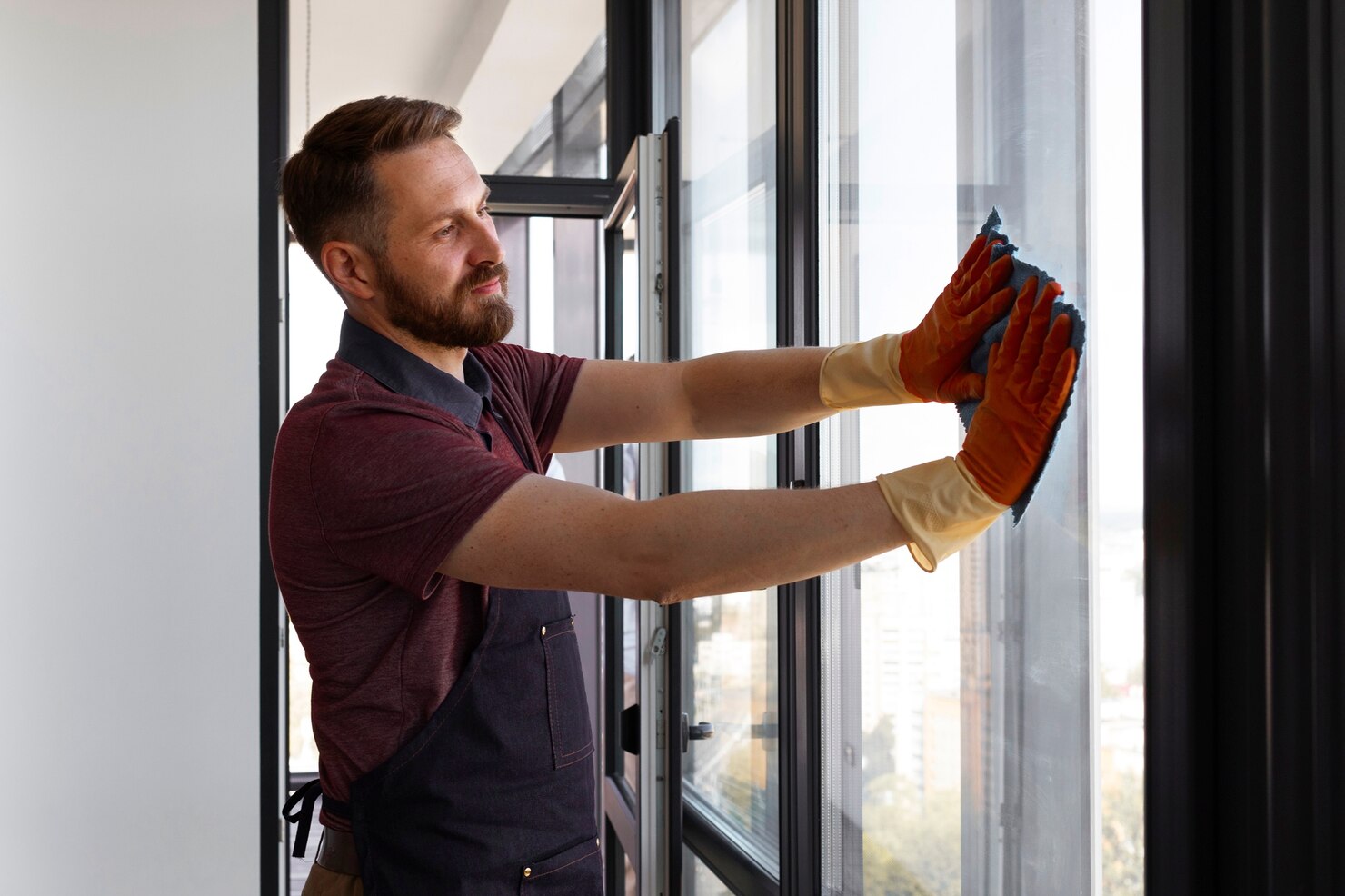
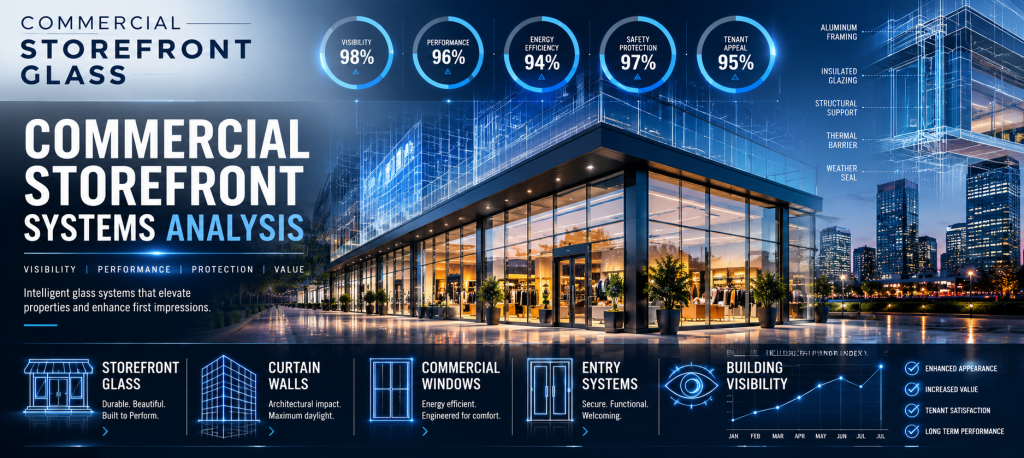
Commercial storefront glass is one of the most visible aspects of many tenant improvement build-outs.
Common glazing systems include:
- Aluminum storefront systems
- Commercial entrance systems
- Automatic doors
- Curtain walls
- Interior glass partitions
- Conference-room glazing
- Reception-area glass
- Insulated glass units
- Safety glazing
- Security glazing
Modern storefront systems improve natural daylight, strengthen the building envelope, increase energy efficiency, and create a professional first impression. Interior glass systems help create open and collaborative workspaces while maintaining privacy and acoustic performance.
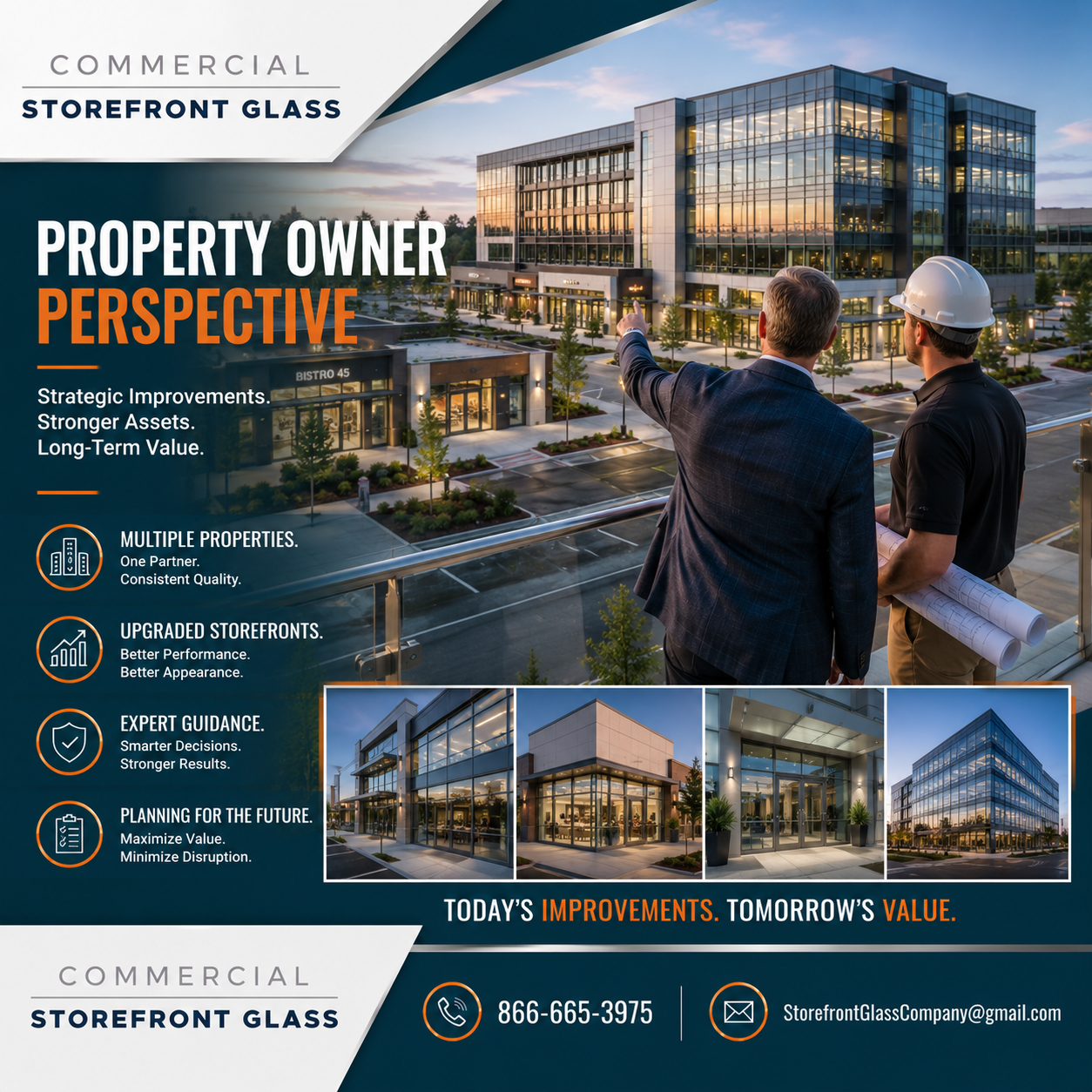
For many commercial properties, storefront modernization is one of the most valuable investments made during a tenant improvement project.
Building Systems Upgrades
Successful tenant improvement build-outs often require extensive infrastructure improvements.
Common upgrades include:
- HVAC modernization
- Electrical improvements
- Plumbing upgrades
- Fire protection systems
- Security systems
- Access-control systems
- Building automation
- Data infrastructure
- Energy-efficient lighting
- Indoor air-quality enhancements
These improvements support both current tenant needs and future occupancy requirements.
The Build-Out Process
Tenant improvement projects require close coordination between multiple stakeholders.
The typical process includes:
Space planning
Architectural design
Engineering coordination
Budget development
Permit approvals
Demolition
Construction
Systems installation
Inspections
Final occupancy
Careful planning during each stage helps minimize delays and control costs.
Renovating Occupied Commercial Properties
Many tenant improvements occur while businesses continue operating in neighboring spaces.
Successful strategies often include:
- Phased construction
- Weekend work
- Night construction
- Temporary entrances
- Dust containment
- Noise management
- Occupant communication
- Secure work zones
- Temporary relocations
- Detailed scheduling
These approaches help maintain business continuity while allowing renovations to move forward safely and efficiently.
Who Benefits From Tenant Improvement Build-Outs?
Tenant improvements create value for a wide range of stakeholders.
These projects benefit:
- Commercial property owners
- Developers
- Facility managers
- Property managers
- Asset managers
- Commercial brokers
- Corporate real estate teams
- Franchise owners
- Business owners
- General contractors
Each group benefits from improved functionality, higher occupancy rates, enhanced tenant satisfaction, and stronger long-term property performance.
Long-Term Planning and Asset Performance
The most successful tenant improvements are designed with future flexibility in mind.
Important planning considerations include:
- Future tenant adaptability
- Preventive maintenance
- Space utilization
- Energy efficiency
- Accessibility requirements
- Material durability
- Technology integration
- Employee experience
- Capital planning
- Lifecycle costs
Long-term planning helps commercial properties remain competitive in changing markets.
Benefits of Professional Tenant Improvement Build-Outs
Well-executed build-outs offer significant advantages for both tenants and property owners.
Benefits include:
- Improved operational efficiency
- Increased employee productivity
- Enhanced tenant retention
- Better customer experiences
- Higher occupancy rates
- Improved energy performance
- Lower operating costs
- Increased property value
- Stronger leasing opportunities
- Better long-term asset performance
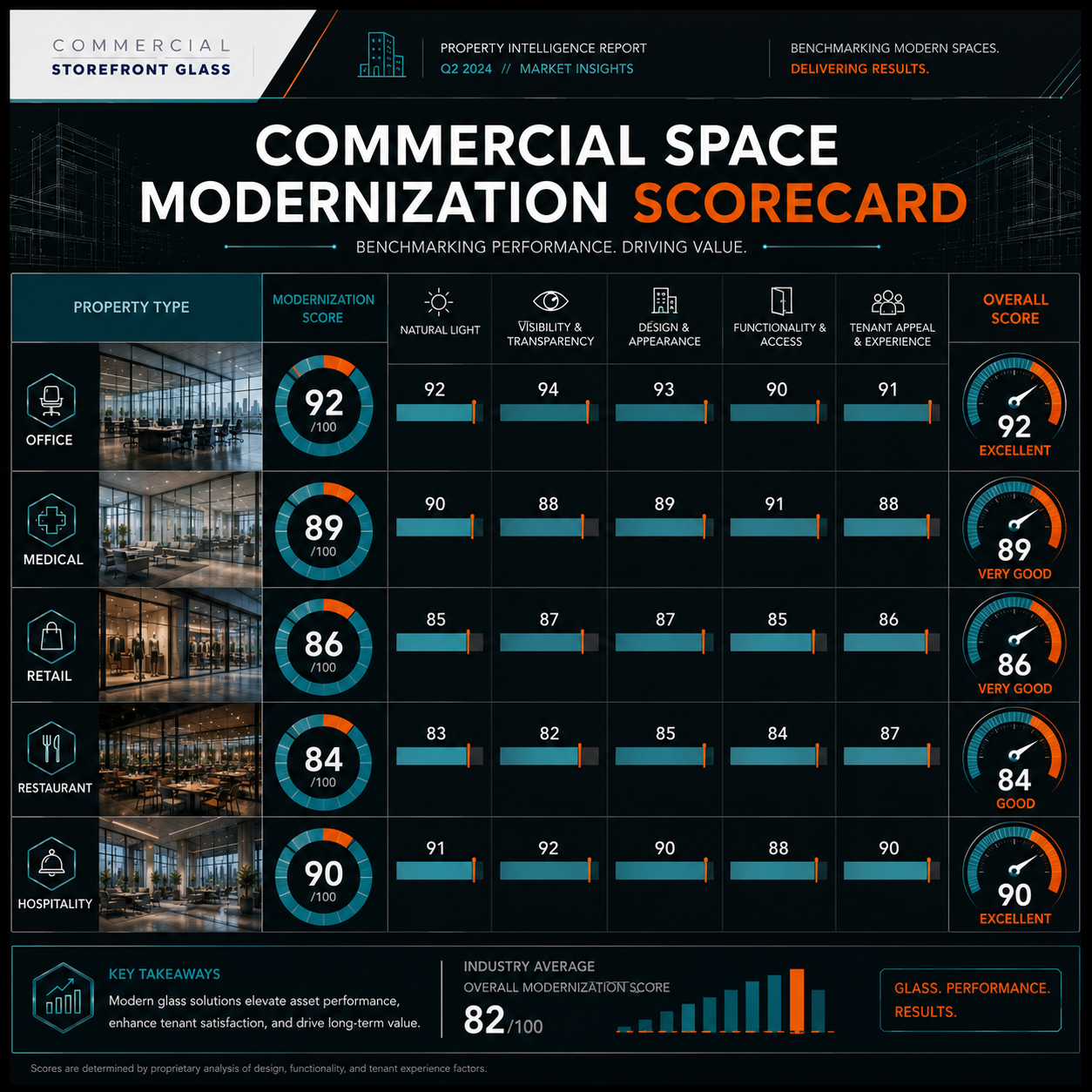
These benefits make tenant improvements one of the most important investments in commercial real estate.
Building the Next Generation of Commercial Space
Tenant improvement build-outs are essential to the continued evolution of office buildings, retail centers, healthcare facilities, warehouses, industrial campuses, and mixed-use developments. As businesses continue adapting to changing technologies and workplace expectations, the demand for flexible, efficient, and modern commercial environments will continue to grow.
For developers, commercial property owners, facility managers, property managers, architects, engineers, commercial brokers, business owners, and general contractors, successful tenant improvement build-outs depend on thoughtful planning, coordinated construction, and long-term vision. Through modern building systems, commercial storefront glass, architectural design, and strategic renovations, tenant improvement projects continue shaping the future of commercial real estate.


