

Commercial Storefront Glass

Repair

Fast, reliable repairs for all types of commercial glass and storefronts.

Replacement

High-quality glass replacement for safety, security, and efficiency.

Installation

Professional installation for new construction and renovation projects.

Tenant Improvement Glass & Storefront Systems

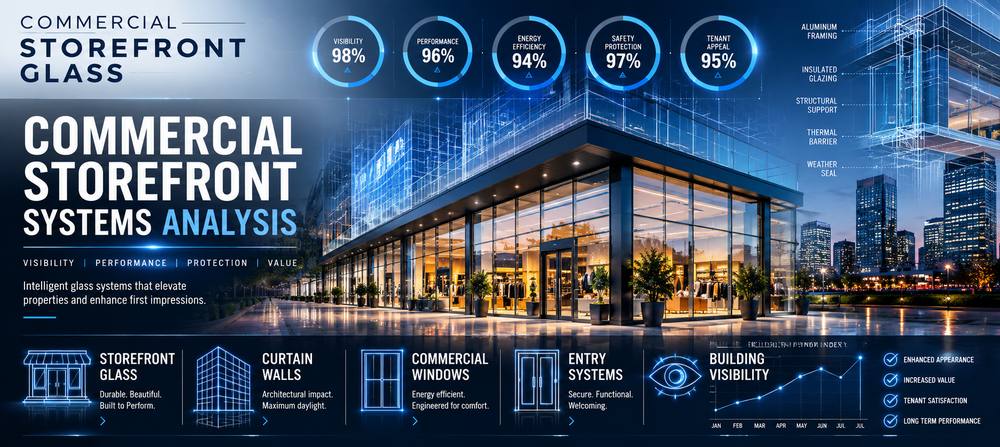
Glass and storefront systems are among the most important components of modern tenant improvement projects. Whether renovating an office suite, building out a retail storefront, modernizing a restaurant, or converting an industrial warehouse into a customer-facing facility, commercial glass plays a critical role in building appearance, energy efficiency, security, branding, and tenant experience.

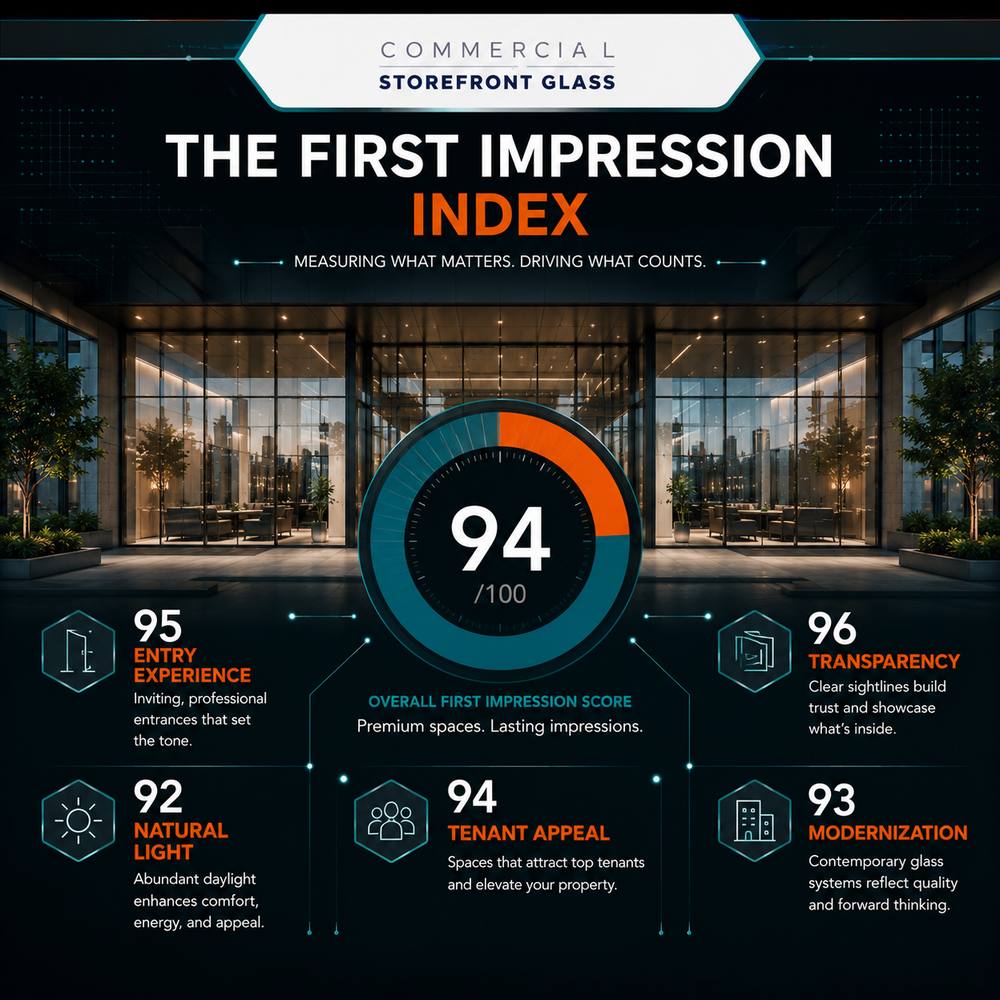
For many tenants, the storefront is the first impression customers, employees, patients, and visitors have of a business. Inside the space, glass partitions, conference rooms, entrances, and architectural glazing influence how people move, collaborate, and interact with the environment. Beyond aesthetics, storefront systems contribute to accessibility, daylighting, thermal performance, safety, and long-term building value.

From office towers and shopping centers to medical campuses and industrial facilities, tenant improvement projects increasingly rely on modern storefront and glazing systems to support the evolving demands of commercial real estate.


What Are Tenant Improvement Glass and Storefront Systems?

Tenant improvement glass and storefront systems include the exterior and interior glazing components installed as part of a commercial renovation or build-out.

Common systems include:

  • Aluminum storefront framing
  • Commercial entrance systems
  • Automatic sliding doors
  • Swing doors
  • Interior glass partitions
  • Curtain walls
  • Insulated glass units
  • Security glazing
  • Safety glass
  • Conference room glass
  • Reception-area glazing
  • Glass office fronts

These systems help define the appearance and functionality of a commercial space while supporting the operational goals of both tenants and property owners.

Exterior Storefront Systems

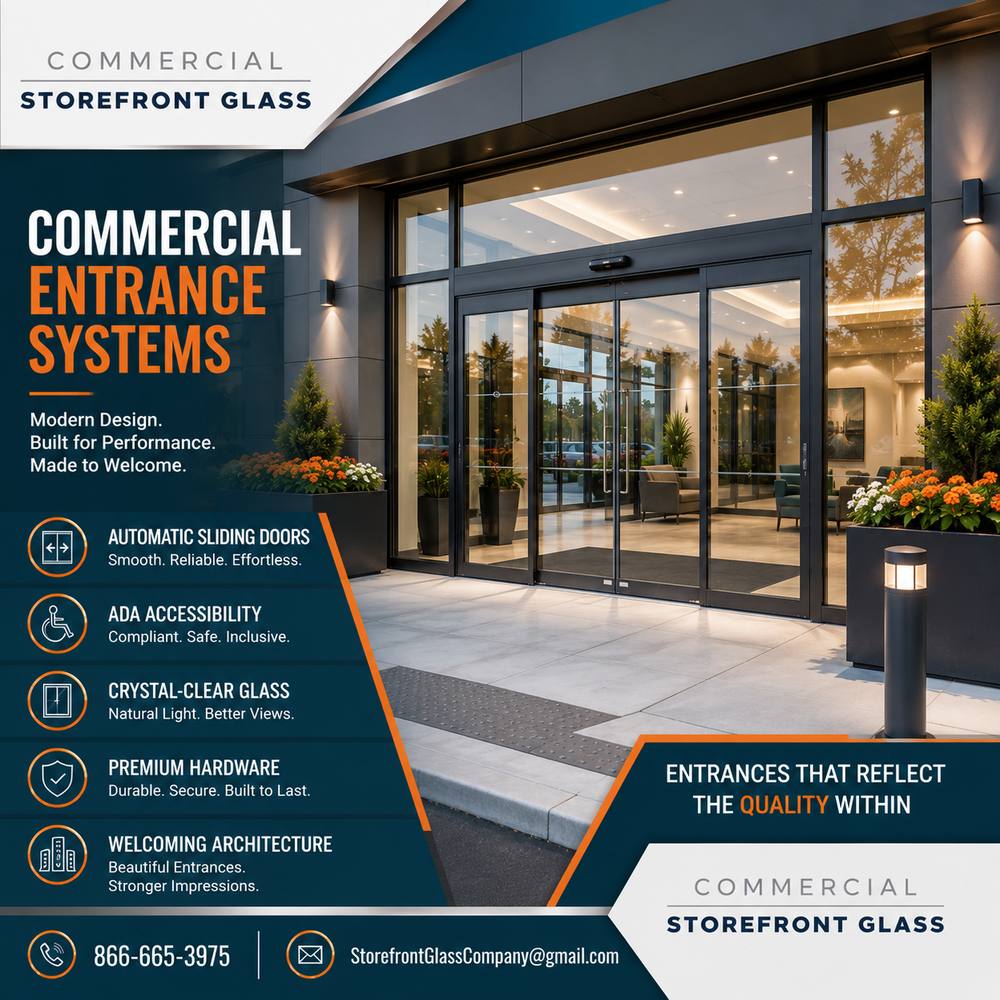
Exterior storefront systems create the public face of a commercial property. In retail, hospitality, healthcare, and office environments, the storefront influences customer perception before someone even enters the building.

Common storefront elements include:

Aluminum framing systems

Glass entry doors

Automatic entrances

Large display windows

Sidelites and transoms

Security glazing

ADA-compliant entrances

Weather-resistant seals

Architectural hardware

Energy-efficient insulated glass

Modern storefront systems are designed to provide durability, accessibility, and long-term performance while enhancing curb appeal.

Interior Glass Systems in Tenant Improvements

Glass is increasingly used inside commercial spaces to create bright, open environments while maintaining separation between departments and work areas.

Common interior applications include:

  • Conference rooms
  • Executive offices
  • Reception areas
  • Medical consultation rooms
  • Retail partitions
  • Restaurant enclosures
  • Training rooms
  • Waiting areas
  • Collaboration spaces
  • Observation windows

Interior glazing allows natural light to travel deeper into a building, improving employee experience and reducing the need for artificial lighting.

Office Tenant Improvement Applications

Office renovations often rely on architectural glass to create modern, flexible workplaces.

Typical office glazing systems include:

  • Frameless conference rooms
  • Glass office fronts
  • Lobby storefronts
  • Interior partitions
  • Executive office walls
  • Reception entrances
  • Decorative glazing
  • Privacy glass
  • Security glass
  • Shared workspace dividers

Glass systems help create collaborative environments while maintaining professional aesthetics and acoustic separation.

Retail and Restaurant Storefront Renovations

Retail and hospitality properties depend heavily on storefront visibility and customer experience.

Retail and restaurant improvements frequently include:

  • Full-height storefront systems
  • Folding glass walls
  • Outdoor dining enclosures
  • Automatic doors
  • Display windows
  • Branded entrances
  • Security glazing
  • Decorative glass features
  • Weather-resistant entrances
  • Energy-efficient glass systems

Modern storefronts increase visibility, improve customer engagement, and strengthen brand identity.


Medical Office and Healthcare Applications

Healthcare facilities require storefront systems that balance openness with safety and privacy.

Medical tenant improvement projects often include:

  • Reception glazing
  • Patient waiting-room windows
  • Automatic entrances
  • Interior consultation-room glass
  • Security glass
  • Privacy film systems
  • Observation windows
  • Insulated glass units
  • Emergency exit systems
  • ADA-compliant entrances

Architectural glass can help create a welcoming healthcare environment while supporting accessibility and operational efficiency.

Industrial and Warehouse Office Applications

Industrial properties increasingly incorporate storefront systems into warehouse offices and customer-facing areas.

Common applications include:

  • Administrative office entrances
  • Interior office partitions
  • Dispatch centers
  • Reception areas
  • Observation windows
  • Security glazing
  • Conference rooms
  • Training facilities
  • Employee collaboration spaces
  • Visitor entrances

Modern glass systems help industrial properties create professional environments without sacrificing durability and security.

Energy Efficiency and Building Performance

Glass and storefront systems play a major role in overall building performance.

Important considerations include:

  • Thermal insulation
  • Solar heat gain control
  • Natural daylighting
  • Weather resistance
  • Air infiltration reduction
  • Occupant comfort
  • Noise reduction
  • Energy efficiency
  • Sustainability goals
  • Long-term operating costs

High-performance insulated glass units and modern framing systems help property owners reduce utility expenses and improve environmental performance.

Security and Safety Considerations

Commercial storefront systems must protect occupants and property while meeting building code requirements.

Security and safety features often include:

Tempered safety glass

Laminated security glass

Fire-rated glazing

Impact-resistant systems

Emergency egress doors

Access-control integration

Reinforced framing

Anti-theft hardware

Automatic door safety systems

ADA compliance

Security planning is especially important for healthcare facilities, retail centers, financial institutions, and high-traffic office environments.

Storefront Replacement vs Storefront Renovation

Not every tenant improvement project requires a complete storefront replacement. Property owners and tenants often evaluate whether to repair, renovate, or replace existing systems.

A renovation may involve:

  • Hardware replacement
  • Door upgrades
  • Glass replacement
  • Seal improvements
  • Frame refinishing
  • Automatic door modernization

A complete replacement may involve:

  • New aluminum storefront framing
  • Updated entrances
  • Energy-efficient glass
  • Expanded openings
  • Accessibility improvements
  • Security enhancements

The right decision depends on budget, building age, lease requirements, and long-term property goals.


Who Is Involved in Storefront Tenant Improvements?

Commercial glazing projects require coordination between numerous stakeholders.

Project teams commonly include:

  • Commercial property owners
  • Developers
  • Asset managers
  • Facility managers
  • Property managers
  • Architects
  • Engineers
  • Commercial brokers
  • General contractors
  • Glazing contractors
  • Business owners
  • Tenants

Successful projects depend on early communication and careful coordination between all parties.

Planning for Long-Term Asset Performance

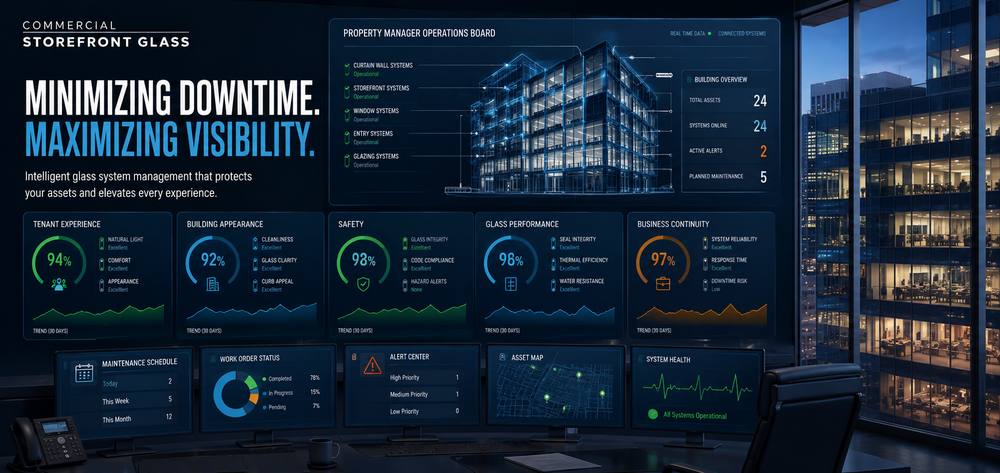
Glass and storefront systems are much more than architectural features. They influence energy performance, tenant satisfaction, maintenance costs, security, branding, and the overall value of a commercial property.

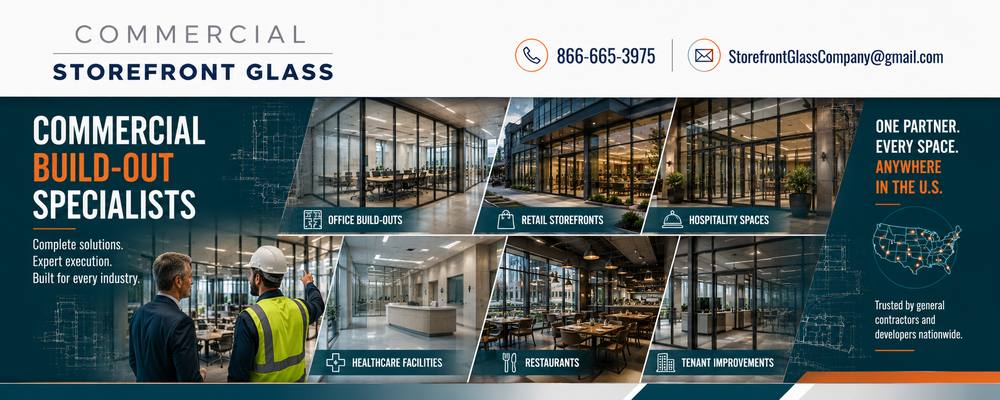
For developers, property owners, facility managers, architects, engineers, and general contractors, tenant improvement storefront systems represent a long-term investment in the future of a building. Whether supporting office renovations, retail build-outs, restaurant projects, medical offices, or warehouse improvements, modern glazing systems continue to shape the appearance and performance of commercial real estate across the United States.

By combining architectural design, energy efficiency, accessibility, and operational performance, tenant improvement glass and storefront systems remain one of the most important components of successful commercial construction projects.