

Commercial Storefront Glass

Repair

Fast, reliable repairs for all types of commercial glass and storefronts.

Replacement

High-quality glass replacement for safety, security, and efficiency.

Installation

Professional installation for new construction and renovation projects.

Warehouse Tenant Improvements

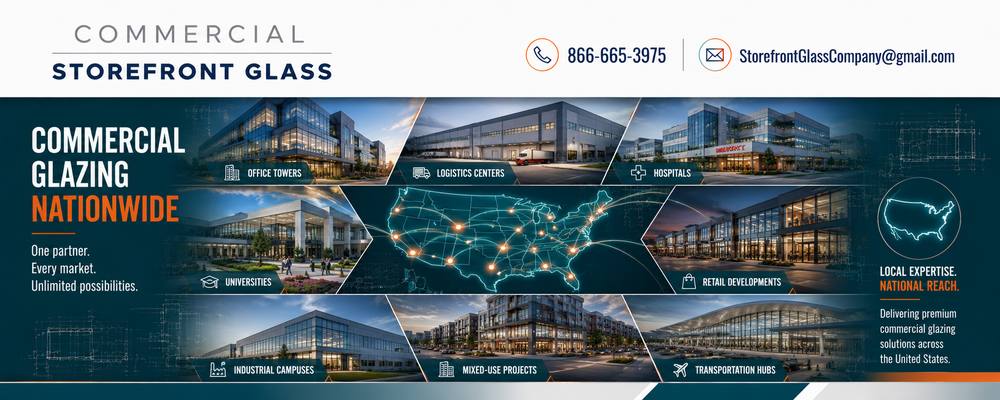
Warehouse tenant improvements allow industrial buildings, distribution centers, logistics facilities, and flex spaces to adapt to changing business requirements without requiring entirely new construction. As e-commerce, manufacturing, transportation, and supply-chain operations continue to expand throughout the United States, warehouse renovations have become one of the most important segments of commercial construction.

Modern warehouses are no longer simple storage buildings. Today’s facilities often include administrative offices, employee amenities, advanced technology systems, customer-facing spaces, training centers, and specialized infrastructure designed to support complex operations. Warehouse tenant improvements help property owners attract tenants, reduce vacancy, increase lease values, and maximize long-term asset performance.

Whether converting an empty shell into a regional distribution center, modernizing an aging warehouse, or building offices within an active industrial facility, warehouse tenant improvements require careful planning, coordination, and a deep understanding of operational workflows.

For developers, industrial property owners, facility managers, property managers, architects, engineers, logistics companies, manufacturers, commercial brokers, and general contractors, warehouse tenant improvements represent a critical investment in the future of industrial real estate.


What Are Warehouse Tenant Improvements?

Warehouse tenant improvements involve the renovation, modernization, and customization of industrial space to meet the operational needs of a specific tenant.

These projects may include:

  • Office build-outs
  • Warehouse reconfigurations
  • Distribution center upgrades
  • Employee support spaces
  • Loading dock improvements
  • Security enhancements
  • Lighting upgrades
  • Mechanical and electrical improvements
  • Storage system installation
  • Technology infrastructure upgrades

The objective is to create a facility that improves efficiency, supports employee productivity, and adapts to future business needs.

Types of Warehouse Tenant Improvement Projects

Warehouse renovations vary significantly depending on the tenant’s industry and operational requirements.

Common project types include:

Distribution centers

Manufacturing warehouses

E-commerce fulfillment centers

Cold storage facilities

Logistics hubs

Flex industrial buildings

Research and development facilities

Regional shipping centers

Last-mile delivery facilities

Multi-tenant industrial properties

Each type of warehouse requires unique layouts, infrastructure, and workflow considerations.

Warehouse Office Build-Outs

Many warehouse tenant improvement projects include administrative offices integrated into industrial operations.

Common office spaces include:

  • Dispatch centers
  • Operations offices
  • Human resources departments
  • Executive suites
  • Conference rooms
  • Training facilities
  • Security offices
  • Employee break rooms
  • Customer meeting spaces
  • Quality-control departments

Modern warehouse offices improve communication between management teams and operational staff while creating professional work environments.


Employee and Support Areas

Warehouse facilities increasingly prioritize employee comfort, safety, and retention.

Typical employee-focused improvements include:

  • Locker rooms
  • Break rooms
  • Cafeterias
  • Wellness spaces
  • Training rooms
  • Restrooms
  • Collaboration areas
  • Safety stations
  • Supervisor offices
  • Visitor reception areas

Investing in employee amenities can improve productivity and help businesses compete for talent.

Loading Dock and Logistics Improvements

Efficient loading and shipping operations are critical to warehouse performance.

Common logistics improvements include:

  • Loading dock expansion
  • Dock-leveling systems
  • Fleet staging areas
  • Shipping offices
  • Receiving stations
  • Inventory-control spaces
  • Security checkpoints
  • Trailer storage areas
  • Dispatch facilities
  • Vehicle access improvements

These upgrades help streamline operations and reduce delays throughout the supply chain.

Commercial Storefront Glass and Warehouse Offices

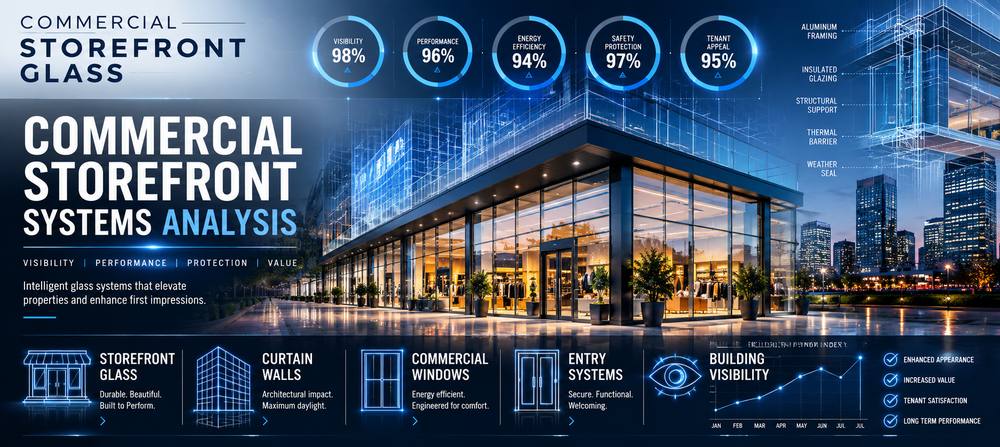
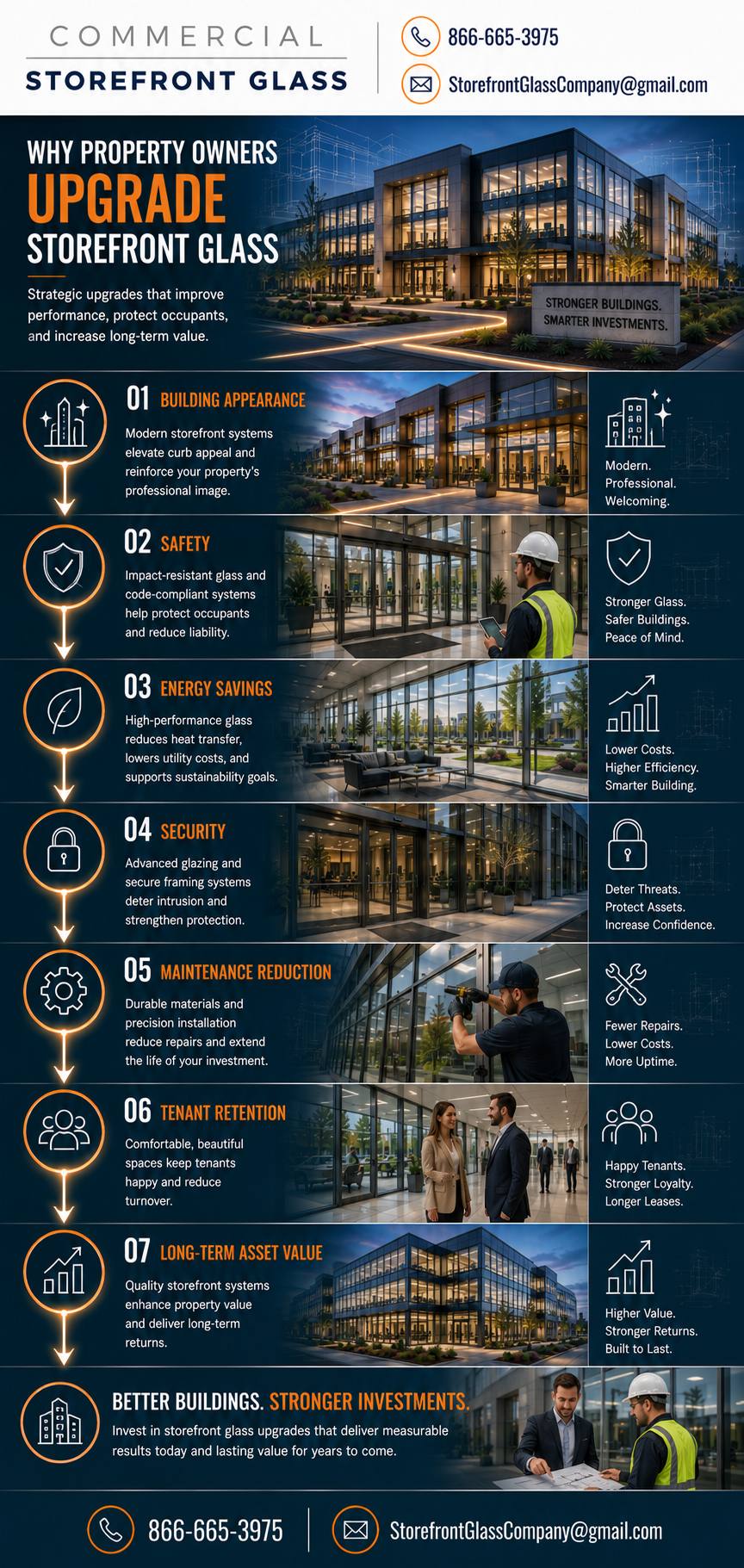
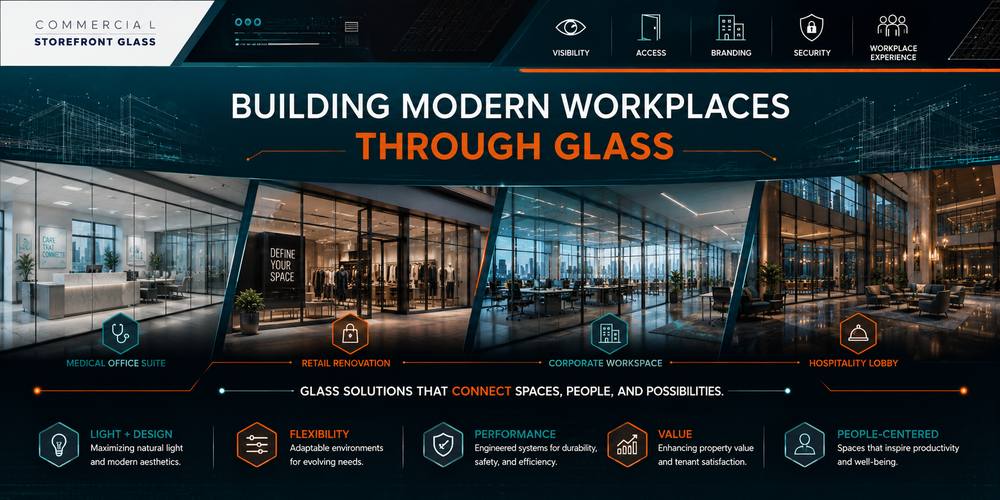
Commercial storefront glass plays an increasingly important role in modern warehouse design. Administrative offices, customer reception areas, and employee spaces often incorporate architectural glass systems to create professional environments within industrial facilities.

Common glazing applications include:

  • Aluminum storefront systems
  • Commercial entrance systems
  • Interior glass partitions
  • Reception-area glazing
  • Conference-room glass
  • Insulated glass units
  • Safety glazing
  • Security glazing
  • Architectural glass systems
  • Observation windows

Modern storefront systems improve natural daylight, energy efficiency, and overall building appearance. Interior glass partitions create open office environments while maintaining visibility into warehouse operations.

For many industrial properties, upgraded office entrances and customer-facing spaces strengthen first impressions and improve the overall perception of the facility.

Warehouse Infrastructure Upgrades

Warehouse tenant improvements often require significant upgrades to the building’s infrastructure.

Common improvements include:

  • HVAC modernization
  • Electrical upgrades
  • Plumbing modifications
  • Fire protection systems
  • Compressed air systems
  • Energy-efficient lighting
  • Building automation
  • Data infrastructure
  • Security systems
  • Access-control systems

Modern infrastructure supports evolving technologies, automation systems, and long-term operational efficiency.


Renovating Occupied Warehouses

Many warehouse improvements occur while the facility remains operational.

Successful renovation strategies often include:

Phased construction schedules

Night and weekend work

Temporary work zones

Equipment protection

Dust containment

Noise management

Safety barriers

Occupant communication

Temporary relocations

Detailed project sequencing

These approaches help businesses maintain productivity and minimize downtime during construction.

Who Invests in Warehouse Tenant Improvements?

Warehouse renovations involve collaboration among numerous stakeholders.

Common participants include:

  • Industrial property owners
  • Warehouse operators
  • Manufacturers
  • Logistics companies
  • E-commerce businesses
  • Facility managers
  • Property managers
  • Asset managers
  • Commercial brokers
  • General contractors

Each stakeholder has unique priorities related to operational efficiency, employee safety, budgets, and long-term asset performance.

Important Considerations Before Beginning a Warehouse Renovation

Warehouse tenant improvement projects require extensive planning before construction begins.

Key considerations include:

  • Inventory movement
  • Equipment requirements
  • Employee workflows
  • Utility capacity
  • Dock operations
  • Safety regulations
  • Accessibility compliance
  • Energy efficiency goals
  • Security requirements
  • Future expansion plans

Early planning helps avoid delays, reduce costs, and improve long-term performance.

Benefits of Warehouse Tenant Improvements

Strategic warehouse renovations provide measurable benefits for tenants and property owners alike.

Benefits include:

  • Improved operational efficiency
  • Better employee productivity
  • Enhanced workplace safety
  • Lower operating costs
  • Increased storage capacity
  • Modernized infrastructure
  • Improved energy performance
  • Higher lease values
  • Increased property value
  • Stronger long-term asset performance

These improvements help warehouse properties remain competitive in an increasingly demanding industrial market.

Preparing Warehouses for the Future

Warehouses continue evolving as supply chains, automation, and distribution networks become more sophisticated. Facilities that invest in modernization, employee amenities, infrastructure upgrades, and operational efficiency are better positioned to attract tenants and support long-term growth.

For developers, industrial property owners, facility managers, property managers, architects, engineers, logistics operators, manufacturers, commercial brokers, and general contractors, warehouse tenant improvements provide a pathway to adapt existing buildings for future demands. Through office build-outs, commercial storefront glass, infrastructure modernization, and strategic construction planning, warehouse tenant improvements continue shaping the future of industrial real estate throughout the United States.