


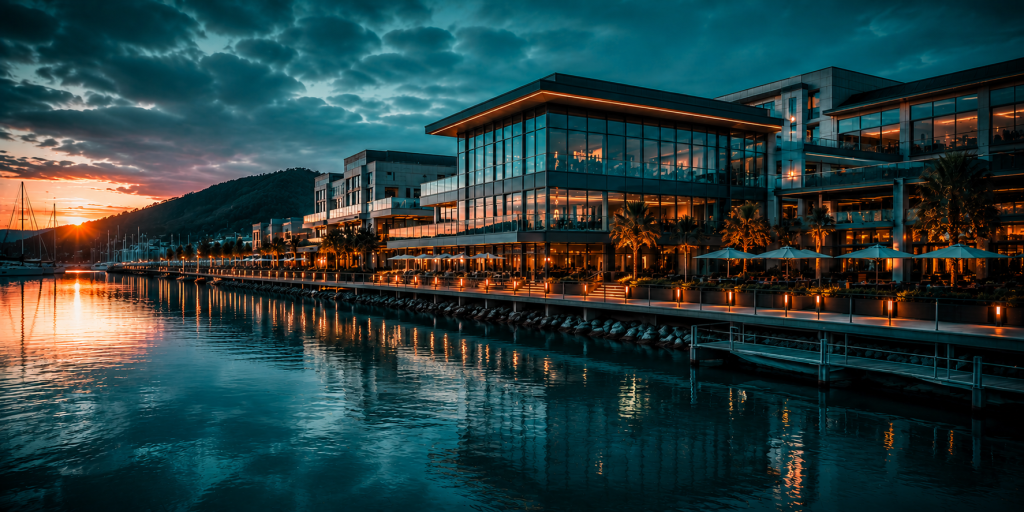
Atlanta commercial glass decisions shape how a building looks, feels, and performs for decades. From shopping centers in Buckhead to office towers in Midtown and new mixed-use projects along the BeltLine, storefront systems frame entrances, lobbies, and street-level shops. Choosing the right system means balancing style, budget, comfort, and Atlanta’s hot, humid climate. This guide explains the main storefront options for retail and office buildings, so you can choose with confidence.
Owners, developers, architects, and property managers across metro Atlanta can use it during design and budgeting.
Storefront Systems in Plain Terms
Think of a storefront as a framed glass wall at street level. Slim aluminum members hold the panes in a single-story opening. It often includes entrance doors and transoms. Storefront systems are lighter and simpler than curtain walls. As a result, they are common for retail fronts, office lobbies, and small commercial buildings.
Why Climate Matters in Atlanta
To begin, Atlanta summers are long, hot, and humid. Strong sun can heat up lobbies and shops quickly. In addition, heavy afternoon storms test seals and drainage. Winters are mild but can bring cold snaps. So the right Atlanta commercial glass system must handle heat, humidity, and rain while keeping energy costs down.
Atlanta Commercial Glass Framing Options
Storefront frames come in several types:
- Standard non-thermal frames: affordable but less energy efficient
- Thermally broken frames: better comfort and lower energy use
- Center-set or front-set glazing: changes the look and drainage
- Heavier frames: for taller openings or higher wind loads
Thermally broken frames often make sense in Atlanta’s heat. Our post comparing storefront and window wall systems explains when each fits.
Glass Options for Atlanta Commercial Glass
Glass choice affects comfort and cost. Common options include:
- Insulated Low-E glass: cuts heat gain and glare
- Tempered glass: required in doors and many safety areas
- Laminated glass: adds security and sound control
- Tinted glass: reduces glare on sunny facades
In Atlanta, look for coatings rated to block most of the sun’s heat. They keep lobbies noticeably cooler. Ratings from the NFRC make comparisons easy.
Atlanta Commercial Glass for Retail Buildings
First of all, retail fronts need visibility. Shoppers want to see products from the sidewalk or parking lot. So clear Low-E glass is usually best. Large panels and slim frames create an open look. In addition, sturdy entrance doors with quality hardware handle constant traffic. Laminated glass near entries can help deter break-ins.
Atlanta Commercial Glass for Office Buildings
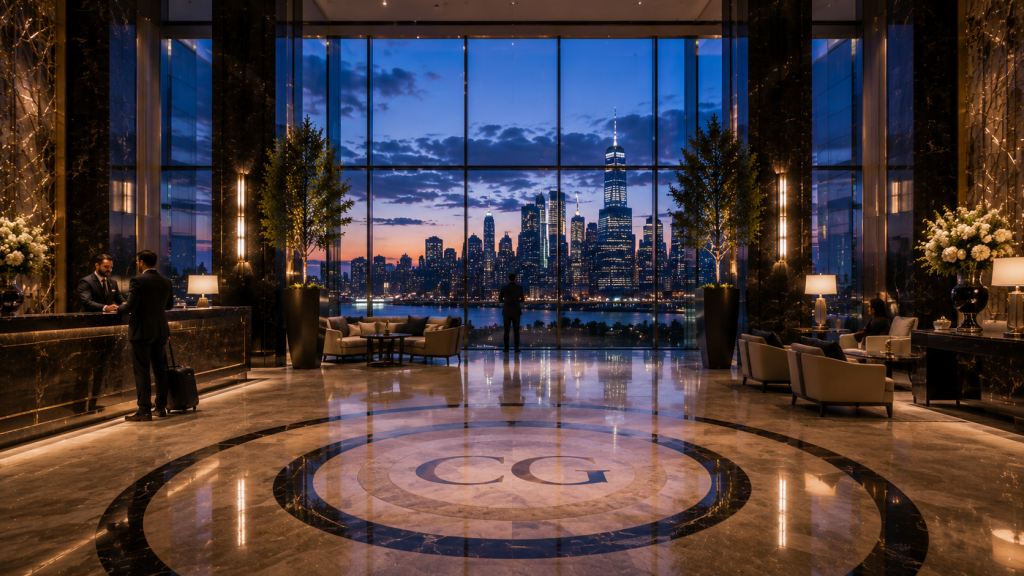
Similarly, office lobbies need a welcoming, professional look. Many use tall storefront glass, glass entrance vestibules, and transoms. Comfort matters too, since lobbies often face direct sun. So Low-E glass and thermally broken frames help a lot. Some offices also choose light tints for privacy and glare control.
Atlanta Commercial Glass Entrances and Doors
Naturally, doors get heavy use in both retail and office buildings. Options include aluminum swing doors, all-glass doors, revolving doors, and automatic sliders. Automatic doors help accessibility and traffic flow. Revolving doors help control indoor temperature in busy lobbies. Our glass entrances page covers each type.
Codes and Energy Rules
Georgia adopts energy and building codes that set minimum performance for glass and frames. In addition, safety glazing rules apply in doors and near walkways. Accessibility rules cover door widths, hardware, and thresholds. Your designer and glazier will make sure the system meets current requirements.

Budgeting for Atlanta Commercial Glass
Costs depend on size, frames, glass, doors, and design. Key factors include:
- Storefront height and width
- Thermally broken vs standard frames
- Low-E, laminated, or tinted glass
- Door type and hardware
- Custom finishes or colors
Higher-performance systems cost more up front. However, they often save money through lower energy bills and fewer repairs.
Lead Times and Scheduling
In most cases, storefront materials take several weeks to arrive. Custom finishes and specialty glass may take longer. So order early, especially on new construction where glass can drive the schedule. Plan installation around weather, since heavy rain can delay sealing work.
Maintenance in a Humid Climate
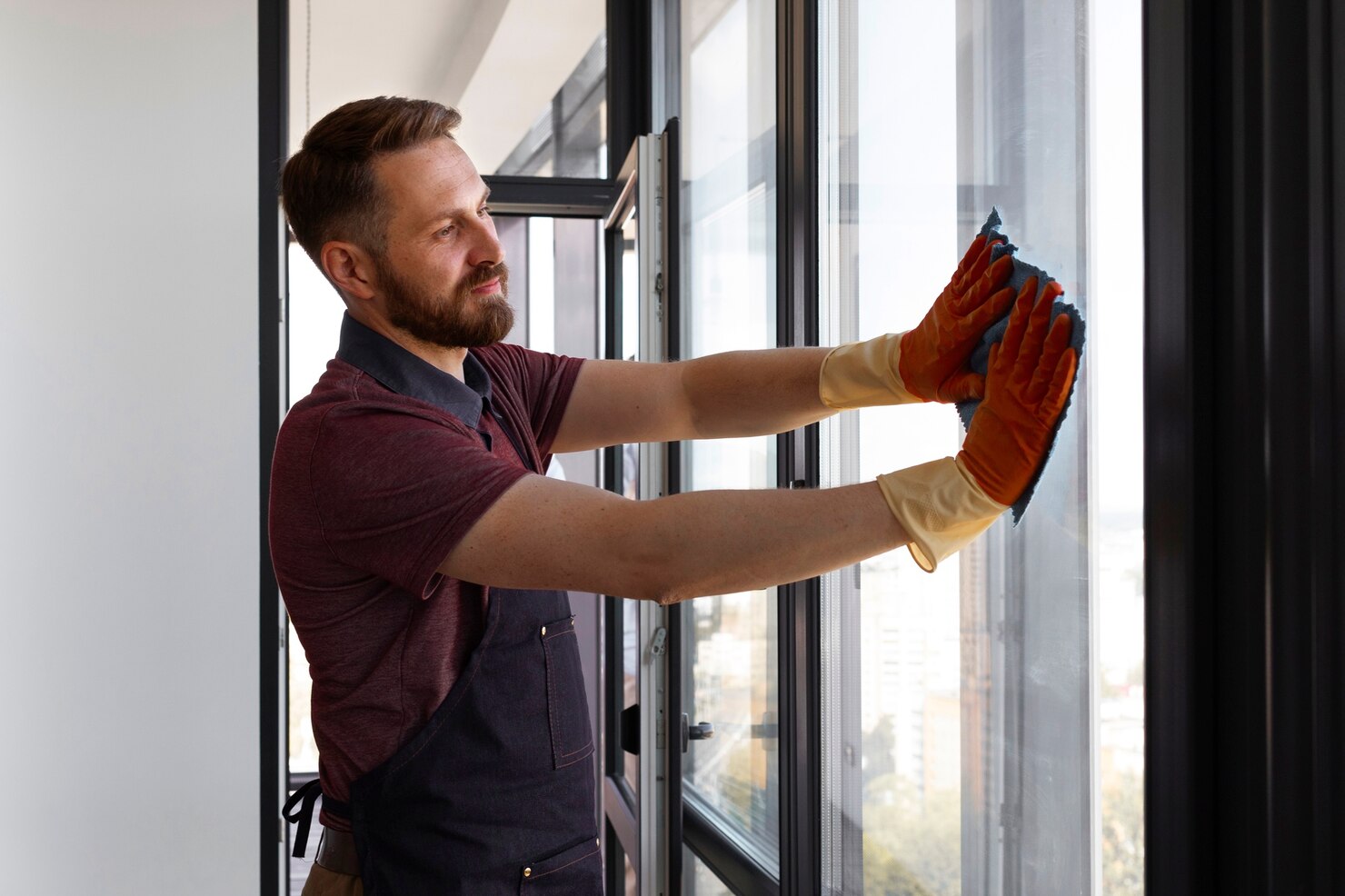
Likewise, humidity and pollen can affect storefronts. Clean glass and frames regularly. Check weep holes so water drains properly. Inspect sealant and gaskets each year. These small steps help your system last for decades.
Atlanta Commercial Glass for Mixed-Use Projects
Atlanta is full of mixed-use projects. Shops sit on the ground floor. Offices or homes sit above. So the storefront must look good from the street. It must also work with the floors above. For example, the frame color may need to match the upper windows. In addition, the glass must meet energy rules for the whole building. Plan these details with the design team early.
Storm Readiness
Atlanta storms can be strong. Heavy rain and wind test seals and drains. So choose a system with good water control. Also check that weep holes are clear. After a big storm, walk the storefront. Look for leaks, cracks, or loose seals. Fix small issues fast. That keeps them from growing into costly leaks or damaged floors inside.
Simple Steps to Choose a System
Start with your goals. Do you want views, privacy, or both? Next, look at the sun. Which side of the building gets the most heat? Then set a budget. After that, ask your glazier for two or three options. Finally, compare the options side by side. Pick the one that fits your goals, climate, and budget best.
Atlanta Commercial Glass Maintenance Tips
Good care adds years to any system. Wash glass and frames a few times a year. Check door closers each spring. Clean pollen and dust from tracks. Reseal joints as soon as they start to crack or pull away. These easy habits keep your Atlanta commercial glass looking new and working well.
Working With Your Glazier
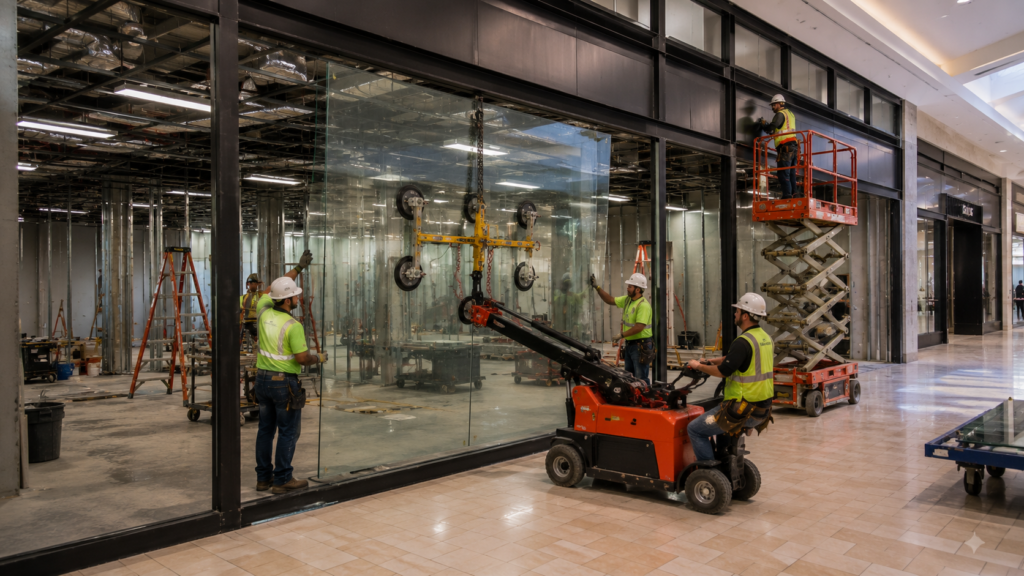
A good glazier helps you choose well. First, they visit the site and study the openings. Next, they ask about your goals and budget. Then they suggest frames and glass that fit. In addition, they explain lead times and warranties. Finally, they handle the install and closeout. As a result, you get a system that works on day one and for years after.
Questions to Ask Before You Buy
- Which glass blocks the most heat for this facade?
- Do these frames meet current energy code?
- When can the fabricator ship?
- Which parts does the seal warranty include?
- Who handles permits?
Common Mistakes to Avoid
- Choosing glass without checking solar heat gain
- Skipping thermally broken frames on sunny facades
- Using light-duty doors in busy buildings
- Ordering late on tight construction schedules
- Ignoring drainage details
FAQ on Atlanta Commercial Glass
What glass works best in Atlanta?
Insulated Low-E glass with a low solar heat gain rating is a strong choice.
Are thermally broken frames worth it?
Often, yes, for comfort and energy savings in hot weather. They also cut condensation on cool mornings, which protects floors and finishes near the glass.
How long do storefront systems last?
With good care, many last 30 years or more. Seals and door hardware usually need attention sooner, so plan small repairs along the way.
Choose the Right System
The right storefront makes your building look great and run efficiently. Visit our storefront systems page, or contact our team to discuss your project.