Commercial Storefront Glass
Understanding Modern Commercial Storefront Glass Systems Across America
Commercial storefront glass plays a vital role in the appearance, performance, security, and success of modern buildings. From retail centers and restaurants to office towers, healthcare facilities, hotels, mixed-use developments, and corporate campuses, storefront systems help shape how customers, tenants, employees, and visitors experience a property.
Glass is often the first feature people notice when approaching a commercial building. Clean sightlines, natural light, modern aesthetics, and welcoming entrances contribute to stronger first impressions and help businesses create an attractive, professional image.
Across the United States, commercial storefront systems must also withstand environmental challenges ranging from hurricanes and hailstorms to extreme heat, freezing temperatures, high winds, and daily operational wear.
Understanding how these systems work helps property owners, developers, facility managers, architects, and contractors make informed decisions regarding design, maintenance, modernization, and long-term building performance.
What Is Commercial Storefront Glass?
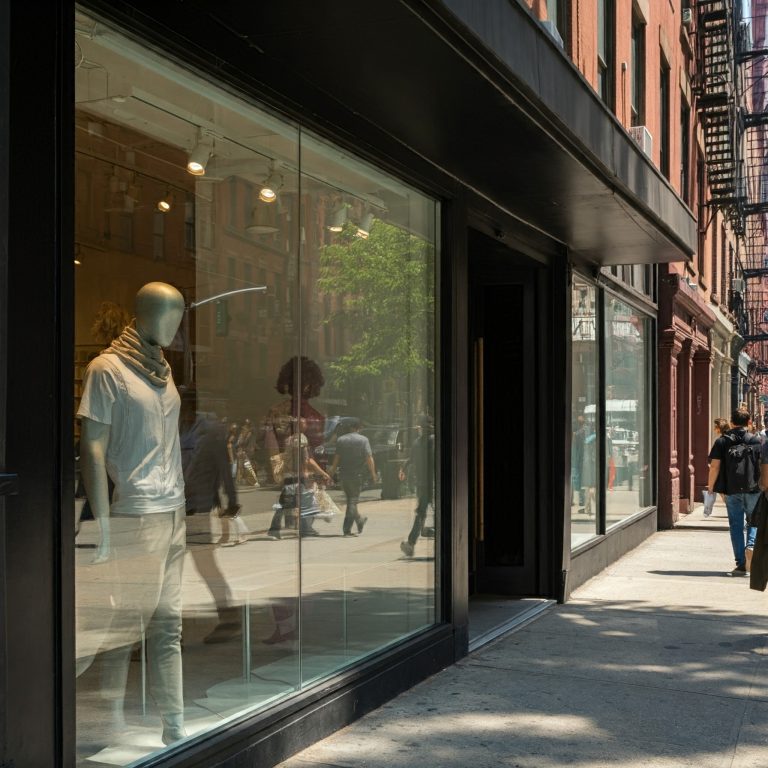
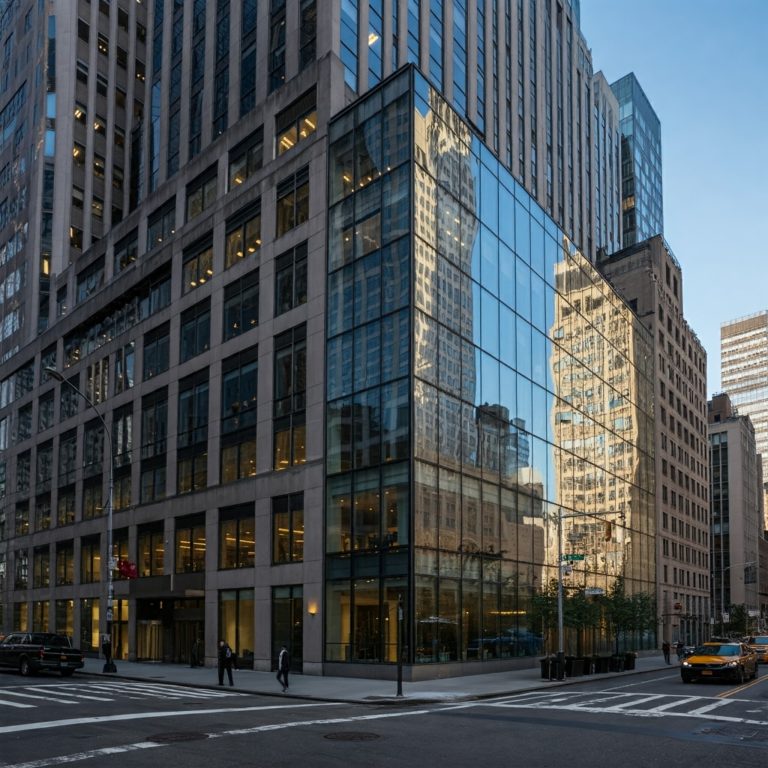
Commercial storefront glass refers to the glass and framing systems commonly installed at ground-level entrances and exterior walls of commercial buildings.
These systems are designed to provide:
- Visibility
- Natural light
- Customer access
- Security
- Weather protection
- Energy efficiency
- Modern architectural appearance
Unlike residential windows, commercial storefront systems are engineered to accommodate larger openings, higher traffic volumes, greater structural demands, and more complex building requirements.
Applications include:
- Retail storefronts
- Shopping centers
- Restaurants
- Medical offices
- Office buildings
- Financial institutions
- Hotels
- Educational facilities
- Mixed-use developments
- Multifamily projects
Storefront systems are often among the most important visual components of a commercial property.
Why Commercial Storefront Glass Matters
Commercial glass influences much more than appearance.
Building owners frequently evaluate storefront systems based on several important factors.
Customer Experience
Modern storefronts create inviting environments that encourage visitors to enter and engage with a business.
Tenant Attraction
Commercial properties with updated storefront systems often present a stronger image to prospective tenants.
Property Value
Modernization projects can improve curb appeal and help properties remain competitive in evolving markets.
Natural Light
Well-designed storefront systems increase daylight penetration while reducing dependence on artificial lighting.
Brand Presentation
Storefront glass directly impacts how customers perceive businesses, retail centers, and commercial developments.
Long-Term Performance
High-quality systems contribute to durability, energy efficiency, and reduced maintenance requirements.
Common Types of Commercial Storefront Glass
Different projects require different glass solutions.
Several options are commonly used throughout commercial construction.
Tempered Glass
Tempered glass is heat-treated to improve strength and safety.
Benefits include:
- Increased durability
- Improved impact resistance
- Safer breakage characteristics
- Common code compliance
Laminated Glass
Laminated glass contains multiple layers bonded together with an interlayer.
Advantages include:
- Enhanced security
- Improved sound reduction
- Better storm resistance
- Increased occupant protection
Insulated Glass Units
Insulated glass units consist of multiple panes separated by air or gas-filled spaces.
Benefits include:
- Improved energy efficiency
- Better thermal performance
- Reduced heat transfer
- Increased occupant comfort
Impact-Resistant Glass
Impact-rated systems are commonly installed in hurricane-prone regions.
Advantages include:
- Wind resistance
- Debris protection
- Enhanced security
- Building envelope protection
Commercial Storefront Framing Systems
Glass is only one component of a storefront system.
Framing plays an equally important role.
Common framing options include:
Aluminum Storefront Systems
Widely used throughout North America due to their versatility, durability, and clean appearance.
Thermally Broken Systems
Designed to improve energy efficiency by reducing heat transfer through framing components.
Heavy Commercial Systems
Often installed in high-traffic environments where additional structural performance is required.
Custom Architectural Systems
Used for signature projects requiring unique designs and enhanced visual impact.
Each system must balance aesthetics, structural requirements, environmental exposure, and long-term maintenance expectations.
Environmental Challenges Facing Commercial Glass
Commercial storefront systems encounter different stresses depending on location.
Climate often influences both system design and material selection.
Hurricane Regions
Cities along the Gulf Coast and Atlantic Coast frequently require impact-resistant solutions.
Examples include:
- Miami
- Tampa
- Houston
- Jacksonville
- New Orleans
Hail-Prone Markets
Certain regions experience significant hail exposure.
Examples include:
- Denver
- Dallas
- Oklahoma City
- Kansas City
- Minneapolis
High-Wind Environments
Wind loads can influence framing and glazing requirements.
Examples include:
- Chicago
- Boston
- New York City
- Seattle
Extreme Temperature Zones
Freeze-thaw cycles and temperature swings affect system performance.
Examples include:
- Denver
- Minneapolis
- Salt Lake City
- Chicago
Understanding local environmental conditions helps improve long-term durability and reliability.
Commercial Storefront Glass and Property Modernization
Modernization remains one of the most common reasons commercial properties replace storefront systems.
Older buildings often contain:
- Outdated framing
- Reduced energy performance
- Limited visibility
- Aging materials
- Architectural styles that no longer align with market expectations
Updated storefront systems can help properties:
- Improve appearance
- Increase natural light
- Enhance tenant appeal
- Strengthen customer perception
- Support leasing efforts
- Improve operational efficiency
Many redevelopment projects view storefront modernization as one of the highest-visibility improvements available.
Commercial Storefront Glass Across Major Markets
Commercial design trends vary significantly between cities.
Population density, development activity, climate, and local architecture all influence storefront systems.
Major commercial glass markets include:
- New York City
- Chicago
- Los Angeles
- San Francisco
- Dallas
- Houston
- Denver
- Phoenix
- Las Vegas
- Miami
- Seattle
- Atlanta
- Boston
- Washington DC
Each market presents unique opportunities and challenges for commercial property owners and developers.
The Future of Commercial Storefront Glass
Advances in technology continue to transform commercial buildings throughout the country.
Emerging trends include:
- Smart glass technologies
- Improved thermal performance
- Enhanced security systems
- Larger glass openings
- Sustainable building strategies
- High-performance glazing systems
- Integrated building automation
Future storefront systems will likely place even greater emphasis on energy efficiency, occupant comfort, security, and architectural flexibility.
As commercial buildings evolve, storefront glass will remain one of the most important elements connecting people to the spaces where they work, shop, dine, stay, and interact.
Exploring Commercial Storefront Glass
Commercial storefront systems influence visibility, image, security, energy performance, tenant attraction, and long-term property value.
Understanding the materials, technologies, environmental challenges, and market trends behind these systems provides valuable insight into one of the most important components of modern commercial architecture.
From major urban skylines to neighborhood retail centers, commercial storefront glass continues to shape how America builds, modernizes, and experiences commercial space.