

Commercial Storefront Glass

Restaurant Storefront Glass

The Storefront Becomes Part Of The Dining Experience

Restaurants compete for attention long before customers sit down at a table.

Exterior presentation influences perception.

Visibility affects customer engagement.

First impressions often shape dining decisions.

Because of this, storefront glass plays a larger role in restaurant performance than many business owners realize.

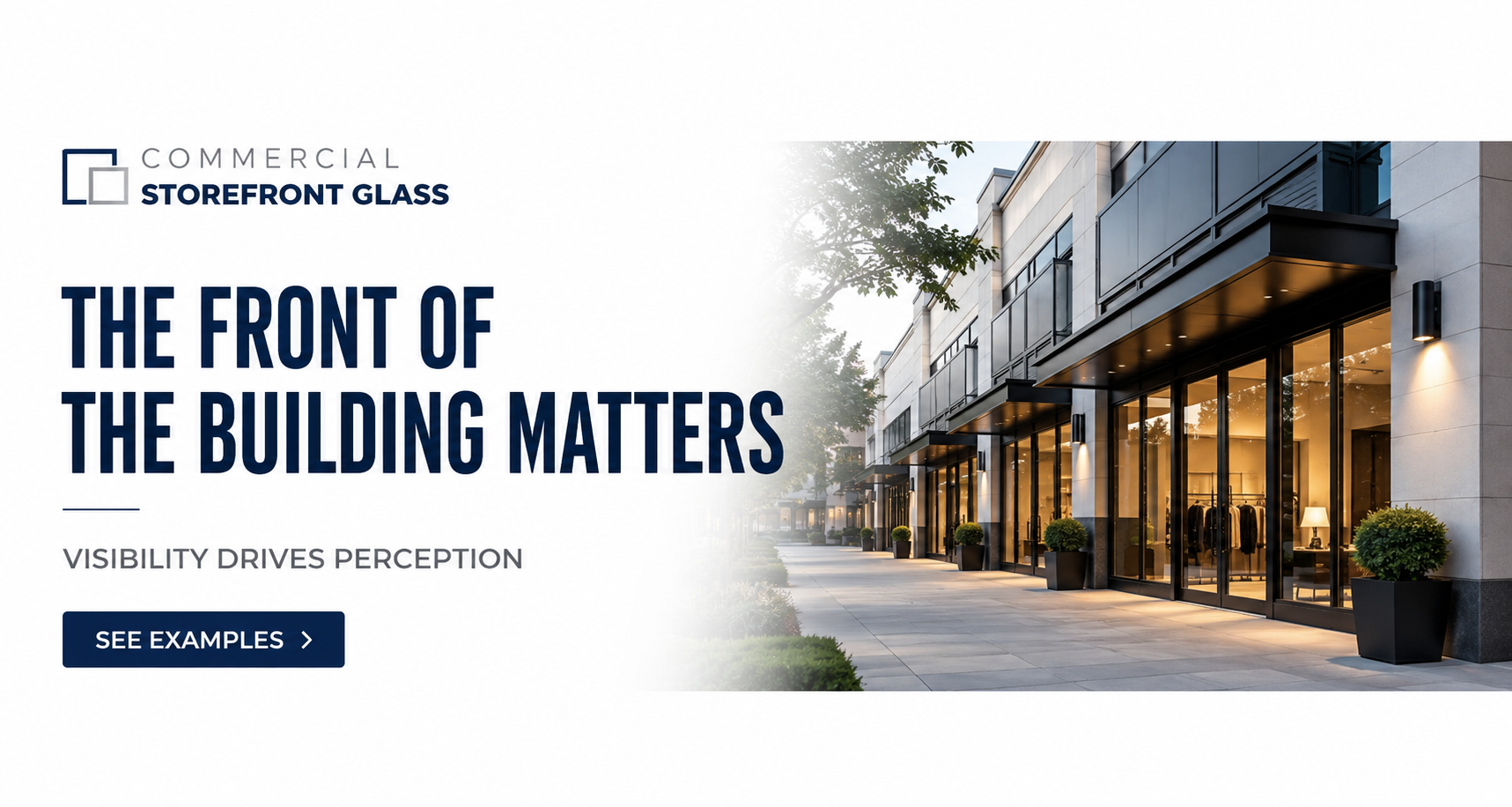
A well-designed storefront helps create a connection between the restaurant and the surrounding community while supporting visibility, natural light, and overall guest experience.

For many restaurants, the storefront functions as both architecture and marketing.
 

file 000000009078723094ac20fd95453f51


Customers Decide Before They Enter

People frequently evaluate restaurants from the sidewalk.

Activity inside attracts attention.

Natural light creates energy.

Visibility helps build confidence.

A storefront that feels open and inviting can encourage customers to explore the space.

Many successful restaurants rely on strong street-level presentation to support walk-in traffic and customer engagement.

The dining experience often begins before the front door opens.

Visibility Supports Restaurant Performance

Restaurants benefit from being seen.

Pedestrian traffic creates opportunity.

Outdoor dining areas increase exposure.

Busy interiors often attract additional customers.

Large storefront systems help strengthen these connections while allowing the restaurant to participate in the surrounding environment.

This relationship becomes especially important in walkable commercial districts where visibility directly influences customer activity.

Natural Light Improves Interior Environments

Modern restaurant design frequently prioritizes natural light.

Dining spaces feel more open.

Interior environments become more welcoming.

Customers often spend more time in comfortable spaces.

As a result, storefront glass remains a common feature throughout both independent restaurants and national brands.

Many restaurant operators view daylight as an important part of the overall atmosphere.

Restaurant Entrances Create First Impressions

Guests interact with the entrance before experiencing anything else.

Arrival sets expectations.

Accessibility influences convenience.

Exterior appearance contributes to perception.

Modern glass entry systems help create welcoming entrances while supporting daily operations.

For many restaurants, the front door becomes part of the overall customer experience.

Storefront Systems Support Different Restaurant Types

Not every restaurant operates the same way.

Fast-casual concepts have different priorities than fine dining establishments.

Neighborhood cafes serve different audiences than destination restaurants.

Despite these differences, visibility and customer experience remain important across all categories.
 

commercial storefront glass los angeles vs san francisco — tenant improvements and exterior building upgrades (4)


Common Applications

  • Casual Dining Restaurants
  • Fine Dining Establishments
  • Cafes
  • Coffee Shops
  • Quick Service Restaurants
  • Fast Casual Concepts
  • Hospitality Venues
  • Mixed-Use Developments
  • Entertainment Districts
  • Urban Restaurant Corridors

Each environment benefits from storefront systems in different ways.

Outdoor Dining And Street Activation

Many restaurants extend beyond the interior.

Patios create additional seating.

Outdoor dining increases visibility.

Street activity contributes to atmosphere.

Storefront glass often helps blur the line between indoor and outdoor environments while creating stronger connections with surrounding pedestrian traffic.

These design strategies have become increasingly common in modern restaurant development.

Restaurant Renovations Often Include Storefront Upgrades

Customer expectations evolve.

Design trends change.

Properties age over time.

Because storefront systems influence perception so heavily, restaurant renovation projects frequently include exterior improvements.

Updated glazing can modernize appearance.

New entry systems improve functionality.

Exterior upgrades often support broader repositioning efforts.

For many operators, the storefront becomes one of the most visible parts of the renovation.

Retail Corridors Depend On Strong Restaurant Visibility

Restaurants often serve as anchors within commercial districts.

Foot traffic benefits nearby businesses.

Street activity improves overall engagement.

Successful restaurant environments contribute to the energy of an entire retail corridor.

Because storefront systems influence visibility and customer interaction, they frequently play a role in both restaurant performance and broader property success.

Property Owners Benefit From Modern Storefront Systems

Landlords evaluate restaurants differently than many other tenants.

Exterior presentation matters.

Customer traffic influences surrounding businesses.

Visible activity can improve property perception.

As a result, many property owners invest in storefront improvements designed to support restaurant tenants while strengthening the overall appeal of the asset.
 

commercial storefront glass los angeles vs san francisco — tenant improvements and exterior building upgrades (6)


Common Ownership Objectives

  • Improve tenant attraction
  • Increase customer engagement
  • Strengthen property image
  • Support modernization efforts
  • Enhance retail visibility
  • Improve long-term value

These priorities often influence storefront investment decisions.

Supporting Guest Experience From The Street To The Table

Restaurant storefront glass does more than enclose a building.

Visibility influences customer behavior.

Natural light shapes the dining environment.

Exterior presentation affects first impressions.

Whether the project involves a new restaurant, tenant improvement build-out, storefront replacement, property modernization, or retail redevelopment, storefront glass helps support customer engagement, guest experience, restaurant performance, and long-term commercial property value.