


CA Corporate Campuses
California Built Some Of America’s Most Influential Corporate Environments
Few states have shaped modern workplace development more than California.
Technology companies expanded the concept of the corporate campus.
Life sciences organizations built specialized research environments.
Global corporations invested heavily in workplace design and employee experience.
As a result, California now contains some of the most recognizable corporate campuses in the world.
From Silicon Valley and the Bay Area to Los Angeles, Orange County, San Diego, Sacramento, and emerging innovation corridors throughout the state, corporate campuses continue influencing how commercial real estate evolves.
The Workplace Became A Strategic Asset
Corporate campuses serve a larger purpose than simply housing employees.
Recruitment matters.
Retention matters.
Company culture influences design decisions.
Workplace quality affects perception.
Because talent remains a competitive advantage, many organizations view the physical environment as an extension of their business strategy.
Modern campuses are often designed to support collaboration, innovation, flexibility, and long-term growth.
Architecture Reflects Corporate Identity
The appearance of a campus communicates something about the organization.
Visitors notice it immediately.
Employees experience it daily.
Prospective hires often form opinions before entering the building.
Architectural design has therefore become a major part of workplace development.
Glass systems frequently contribute to that identity by creating open, contemporary environments that support natural light and visual connectivity.
Corporate Campuses Depend On Modern Glass Systems
Commercial glazing plays an important role throughout today’s workplace environments.
Storefront systems create welcoming entrances.
Curtain walls define building exteriors.
Interior glass supports collaboration.
Architectural glazing contributes to campus identity.
Common Applications
- Storefront systems
- Curtain wall systems
- Glass entry systems
- Conference room glass
- Interior glass partitions
- Lobby glazing
- Architectural facades
- Tenant improvement projects
- Building modernization programs
- Campus redevelopment initiatives
These systems often work together to create cohesive workplace environments.
Natural Light Shapes Employee Experience
Workplace expectations continue evolving.
Employees value comfortable environments.
Daylighting has become a common design objective.
Large glazing systems help distribute natural light throughout the building.
Many organizations view these improvements as part of broader efforts to create attractive and productive workplaces.
As a result, glass remains a defining feature of many California corporate campuses.
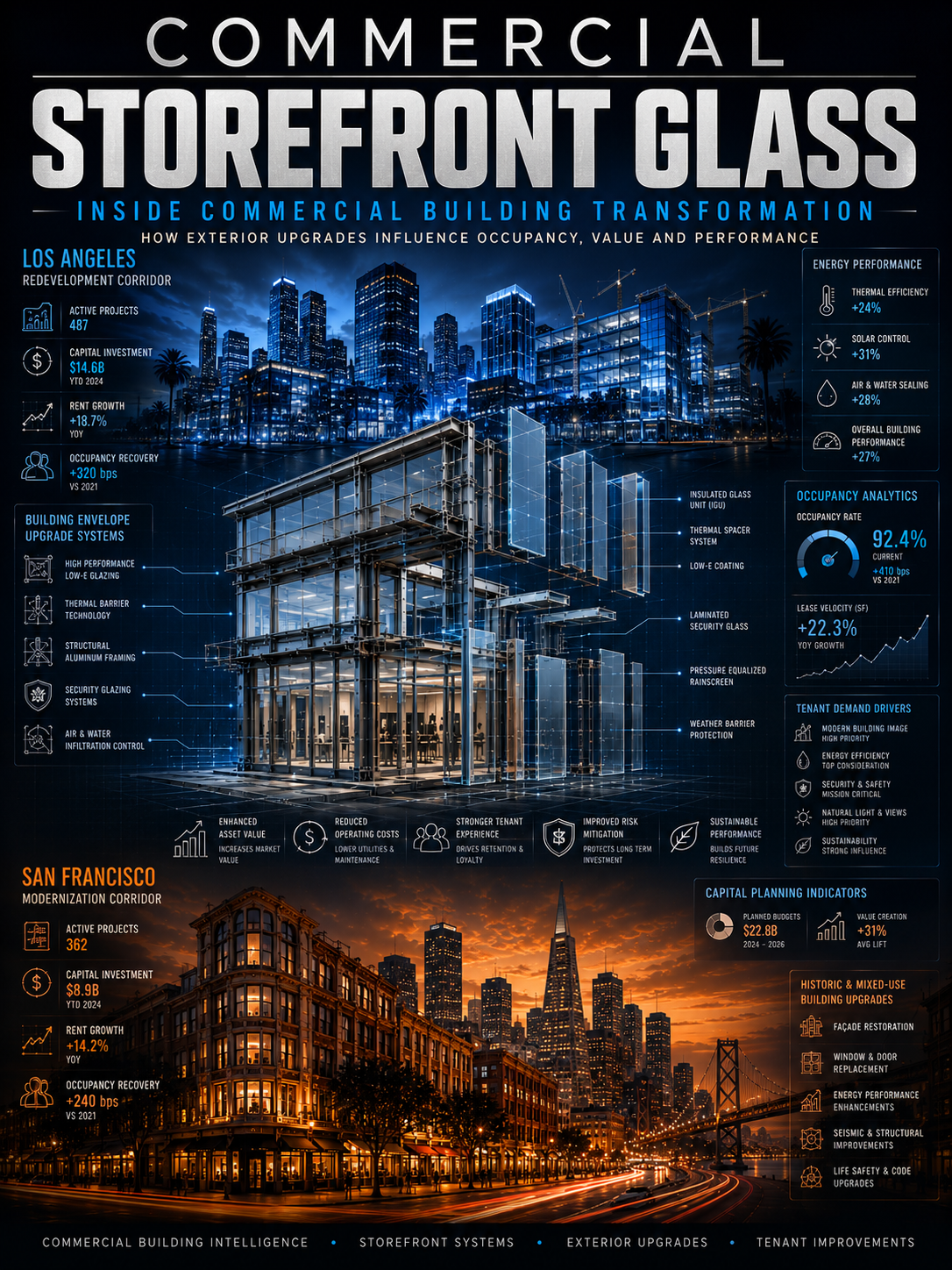
Silicon Valley Helped Redefine Workplace Design
The Bay Area transformed how many companies think about office environments.
Traditional office layouts became less common.
Collaborative spaces increased.
Campus-style development expanded.
Technology companies helped popularize workplace designs that prioritize openness, flexibility, and employee experience.
Those ideas continue influencing commercial development throughout California and beyond.
Life Sciences Campuses Continue Expanding
Research organizations require highly specialized facilities.
Laboratories operate differently than traditional offices.
Innovation districts continue growing throughout California.
Many life sciences developments incorporate modern glazing systems as part of broader campus design strategies.
These environments frequently combine research, office, education, and collaboration functions within a single property.
Campus Modernization Remains Ongoing
Few corporate properties remain static.
Business needs change.
Technology evolves.
Employee expectations continue shifting.
As a result, modernization remains a common theme throughout California’s corporate real estate market.
Common Modernization Objectives
- Improve workplace quality
- Enhance employee experience
- Support recruitment efforts
- Modernize building appearance
- Increase operational flexibility
- Strengthen long-term competitiveness
These goals often influence both renovation and redevelopment projects.
Redevelopment Creates New Opportunities
Older office properties continue evolving.
Industrial sites are being transformed.
Mixed-use districts increasingly incorporate workplace environments.
Corporate campuses often become anchors for broader redevelopment efforts.
These projects help reshape commercial districts while creating opportunities for future growth.
Throughout California, campus development remains closely connected to economic expansion and innovation.
Different Regions Create Different Campus Environments
California’s corporate landscape is diverse.
Each region supports different industries and development patterns.
Bay Area
- Technology companies
- Corporate headquarters
- Innovation districts
- Life sciences campuses
- Research facilities
Los Angeles
- Media companies
- Entertainment businesses
- Professional services
- Corporate offices
- Mixed-use developments
San Diego
- Biotechnology
- Healthcare innovation
- Research campuses
- Defense contractors
- Technology firms
Sacramento And Central California
- Government-related organizations
- Healthcare systems
- Education institutions
- Regional employers
- Growing commercial hubs
Each market contributes to California’s broader corporate ecosystem.
Long-Term Value Depends On Adaptability
Successful campuses evolve with changing business needs.
Flexibility supports future growth.
Modernization protects competitiveness.
Workplace quality influences long-term performance.
Organizations that invest in their environments often place themselves in stronger positions to attract talent, support innovation, and maintain relevance within competitive industries.
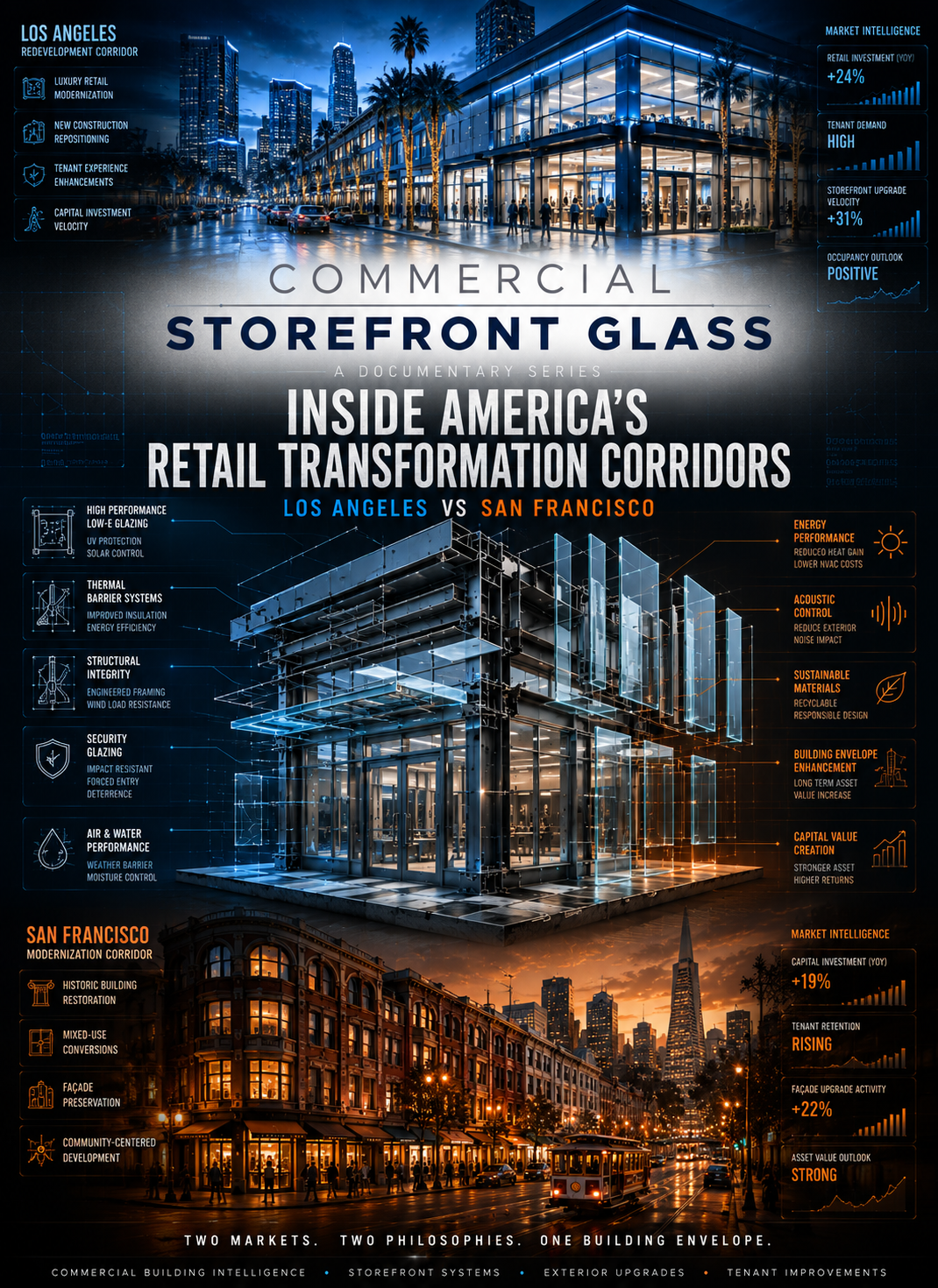
California Continues Leading Workplace Evolution
Corporate campuses remain one of the most influential segments of California commercial real estate.
Innovation drives development.
Employee experience shapes design.
Architecture influences perception.
Meanwhile, modernization continues transforming workplace environments across the state.
Understanding how workplace strategy, building performance, campus design, and long-term investment intersect helps explain why California remains one of the most important corporate real estate markets in the world.