


Los Angeles and San Francisco are among the most influential commercial real estate markets in the United States.
Both cities continue evolving.
Businesses relocate.
Neighborhoods transform.
Commercial districts adapt to changing economic conditions.
At the center of that evolution are tenant improvements and exterior building upgrades.
While both markets invest heavily in modernization, the reasons behind those investments often differ. Los Angeles frequently focuses on growth, adaptive reuse, and customer-facing improvements. Meanwhile, San Francisco often emphasizes repositioning, modernization, and maximizing value within a highly constrained urban environment.
- Tenant Improvement Contractors
- Tenant Improvement Construction
- Tenant Improvement Build Outs
- Tenant Improvement Remodeling
- Tenant Improvement Renovations
- Commercial Tenant Improvement Services
- Office Tenant Improvement Contractor
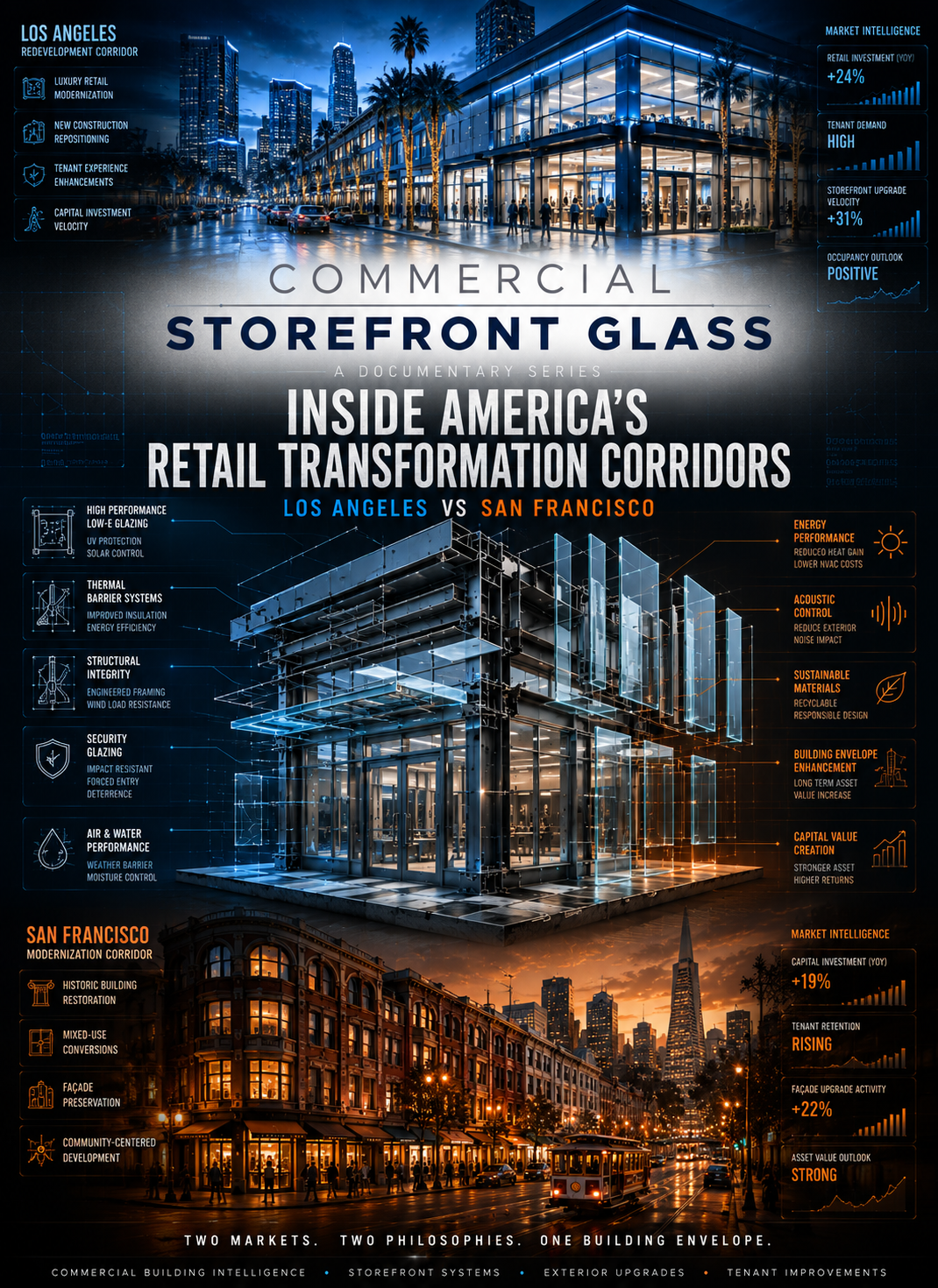
As a result, commercial property owners approach upgrades differently despite pursuing many of the same goals.
- Ontario vs Fremont — Logistics Capital vs Manufacturing Capital
- Irvine vs Palo Alto — Corporate Campus vs Innovation Hub
- Costa Mesa vs Walnut Creek — Luxury Retail Market vs Lifestyle Retail Market
- El Segundo vs South San Francisco — Aerospace Center vs Biotech Center
- Palo Alto vs Orange — Medical Innovation vs Healthcare Operations
- Irvine vs Mountain View — Corporate Headquarters vs Tech Campus Capital
- Costa Mesa vs Pleasanton — Retail Office Market vs Suburban Office Market
- El Segundo vs Redwood City — Aerospace Redevelopment vs Urban Redevelopment
- Fontana vs Hayward — Distribution Hub vs Industrial Bay Market
- San Mateo vs Carlsbad — Peninsula Commercial Growth vs Coastal Commercial Growth
- Pasadena vs Berkeley — Research City vs University City
- La Jolla vs Davis — Coastal Research vs Agricultural Research
- Monterey vs Santa Rosa — Hospitality Commercial vs Wine Country Commercial
- Santa Barbara vs Napa — Coastal Hospitality vs Wine Hospitality
- Laguna Beach vs San Rafael — Coastal Luxury Commercial vs Marin Commercial Village
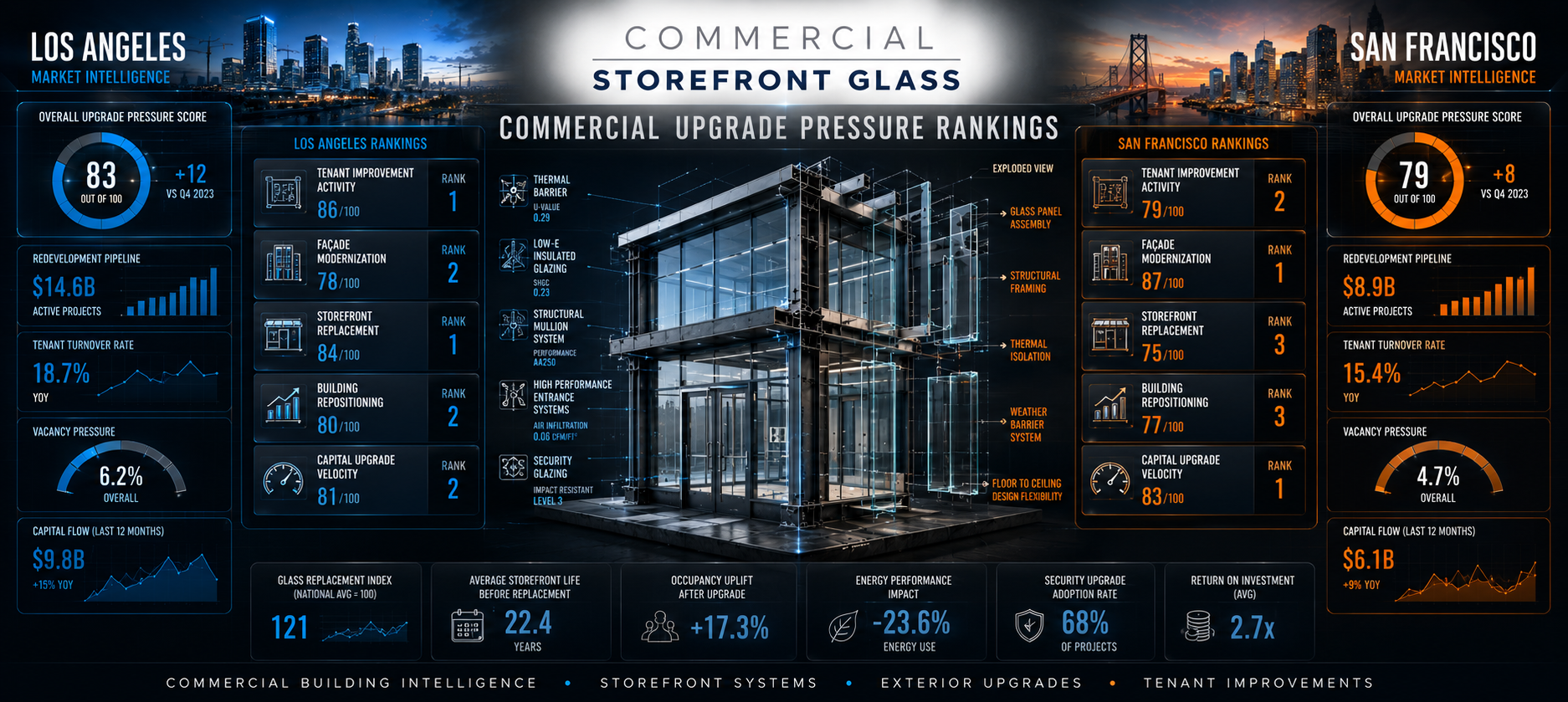
The General Contractor (GC) Perspective
How They Perceive It: The GC views LA vs. SF through the prism of two distinct regulatory choke points, logistics models, and microclimate failure profiles.
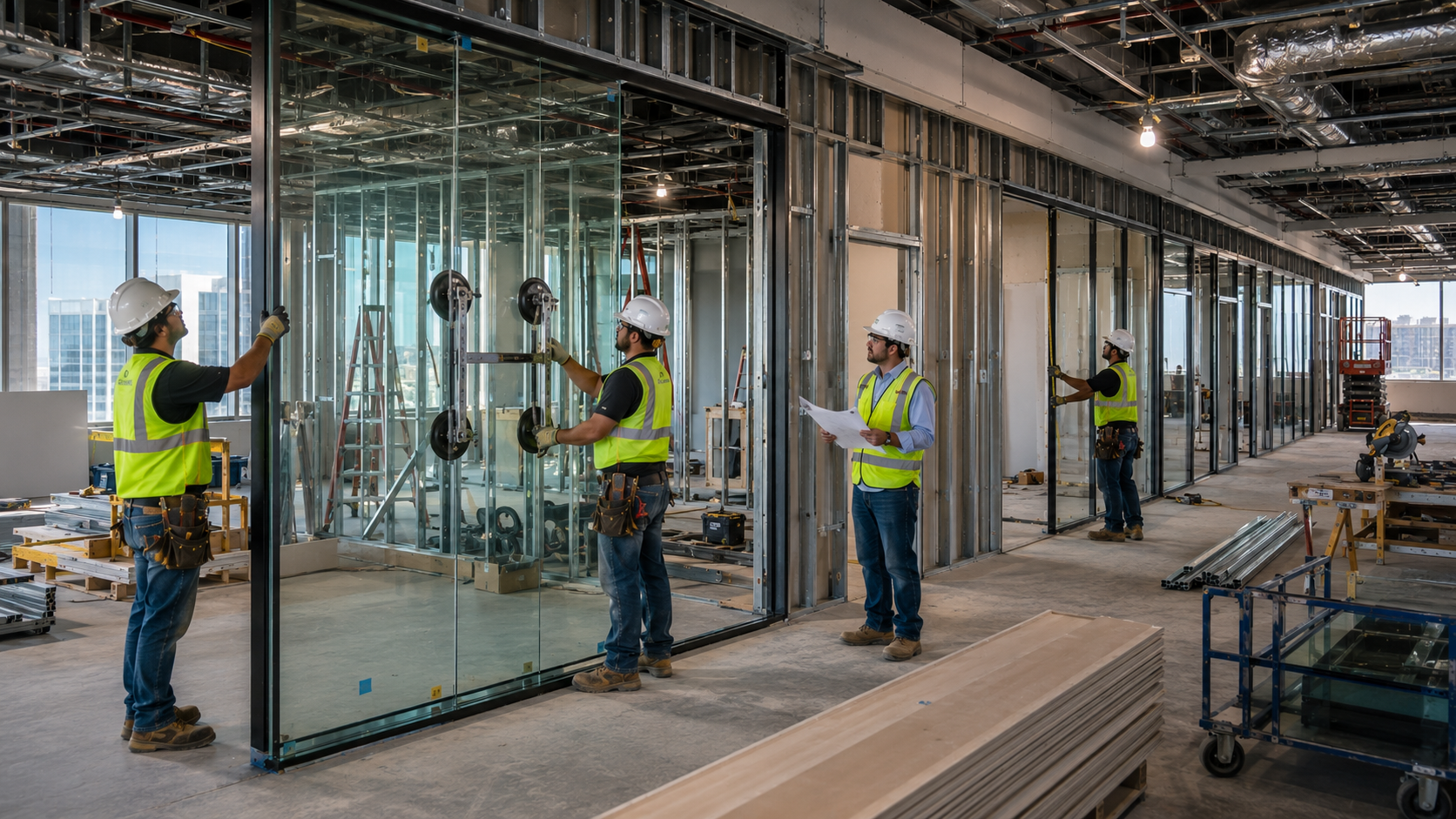
In San Francisco, the GC deals with dense zero-lot-line urban environments, punishing transit agency coordination (SFMTA lane and overhead wire clearances), strict Historic Preservation Commission restrictions on facade alterations, aggressive Title 24 envelope reach codes, and intense lateral seismic inter-story drift calculations driven by San Andreas and Hayward fault proximity. High moisture, persistent marine-layer fog, and chilly drafts make perimeter water management and condensation resistance the primary envelope concerns.
In Los Angeles (LADBS jurisdiction), the GC contends with aggressive plan-check timelines, strict Title 24 cooling compliance dictated by intense solar radiation, high-velocity canyon wind loads, and expansive urban heat islands. The focus shifts toward thermal movement across wide, sun-drenched horizontal spans and navigating decentralized, sprawling job site staging where heat and traffic dictate trade sequencing.
Decisions They Normally Make:
Applies identical storefront extrusions across both markets: Reuses standard 2″ x 4-1/2″ commercial aluminum profiles, overlooking that LA’s high solar exposure demands deep thermal struts and ultra-low SHGC glass, while SF requires enhanced interior condensation resistance (CR) and seismic slip-clip anchoring.
Underestimates municipal review times for exterior facade alterations: Assumes exterior storefront punch-outs or window upgrades can run on an expedited over-the-counter TI track, getting caught in multi-month SF Planning/Historic reviews or LADBS structural plan checks that stall interior drywall and dry-in.
Relies on standard swing-stage or boom staging without early right-of-way planning: Delays street, sidewalk, and crane permits, resulting in immediate stop-work orders in SF due to transit route conflicts or heavy traffic fines along busy LA commercial corridors.
Decisions They SHOULD Make:
Separate the interior TI permit from the exterior envelope permit: Run interior non-structural work on accelerated tenant-improvement tracks while running exterior storefront and glazing upgrades through specialized municipal envelope reviews to protect the tenant’s move-in schedule.
Engineer anchoring for market-specific dynamic movement: Utilize slotted deflection tracks and flexible silicone joints capable of absorbing severe lateral seismic drift in SF, while engineering heavy-duty expansion joints to accommodate extreme daytime-to-nighttime thermal expansion in LA.
Lock down exterior trade logistics 90 days out: Secure SFMTA street closures, pedestrian canopy designs, and overhead muni-line drop permits well in advance for SF; coordinate off-peak night/weekend flatbed deliveries and crane picks to navigate LA’s traffic and site constraints.
The Commercial Tenant Perspective
How They Perceive It: The commercial tenant (creative agency, corporate office, tech firm, retail flagship, or high-end dining group) views exterior upgrades and TI packages through brand prestige, workplace productivity, operating costs, and opening certainty.
In San Francisco, tenants battle ambient chill near large windows, unpredictable cloud-to-fog lighting swings, intrusive streetcar and urban street noise, and heightened street-level property security concerns in high-density corridors.
In Los Angeles, tenants fight blinding afternoon glare on workstation screens, intense radiant heat that turns perimeter offices into ovens, and exorbitant electric bills driven by overworked HVAC chillers trying to offset massive glass facades. For both, delays in exterior upgrades mean paying lease rent on dark, non-operational space while waiting for inspection sign-offs.
Decisions They Normally Make:
Spends the entire TI allowance on high-end interior finishes while ignoring the exterior envelope: Puts capital into millwork, custom lighting, and designer flooring, while leaving 30-year-old single-pane or failing dual-pane windows untouched—leading to immediate occupant complaints about noise, drafts, and high power bills.
Applies dark window tinting or heavy shades to resolve glare/heat: Tries to fix thermal discomfort with aftermarket film or closed blinds, which masks exterior merchandise, blocks daylighting, and can trigger thermal stress cracks in legacy annealed glass.
Signs leases without clarifying landlord vs. tenant envelope boundaries: Assumes the base building owner will repair leaking storefront frames, cracked vision glass, or sticking entrance doors, only to discover under triple-net (NNN) terms that exterior glass maintenance is pushed onto the tenant.
Decisions They SHOULD Make:
Direct a portion of TI allowances toward high-performance glass makeups: Insist on spectrally selective Low-E IGUs tuned to the city: high visible light transmittance (VLT 65%+) with high thermal insulation for SF, and ultra-low Solar Heat Gain Coefficients (SHGC < 0.23) for LA to permanently slash cooling overhead.
Specify laminated acoustic and security glass for street-level suites: Upgrade ground-floor glass to laminated assemblies with sacrificial anti-graffiti exterior film to mitigate break-in risks, dampen ambient street/traffic noise (STC 38+), and ensure rapid, low-cost maintenance.
Audit building envelope performance during lease negotiations: Require the landlord to certify that exterior storefronts, operable doors, and curtain walls meet current air/water infiltration and ADA entry compliance before executing the final Tenant Improvement agreement.
Commercial properties rarely stay competitive without change.
Tenant expectations evolve.
Work environments shift.
Retail concepts transform.
Design standards advance.
Over time, even successful properties require reinvestment.
Tenant improvements help align interior spaces with changing business needs. Exterior upgrades support visibility, property image, and long-term competitiveness. Together, these investments help commercial assets remain relevant in dynamic markets.
For many owners, modernization becomes a continuous process rather than a one-time event.
Commercial properties often compete less against aging buildings and more against recently upgraded ones.
- Retail Tenant Improvement Contractor
- Restaurant Tenant Improvement Contractor
- Medical Office Tenant Improvements
- Industrial Tenant Improvement Contractor
- Warehouse Tenant Improvements
- Tenant Improvement Allowance Guide
- Tenant Improvement Glass & Storefront Systems
- Tenant Improvement Project Planning
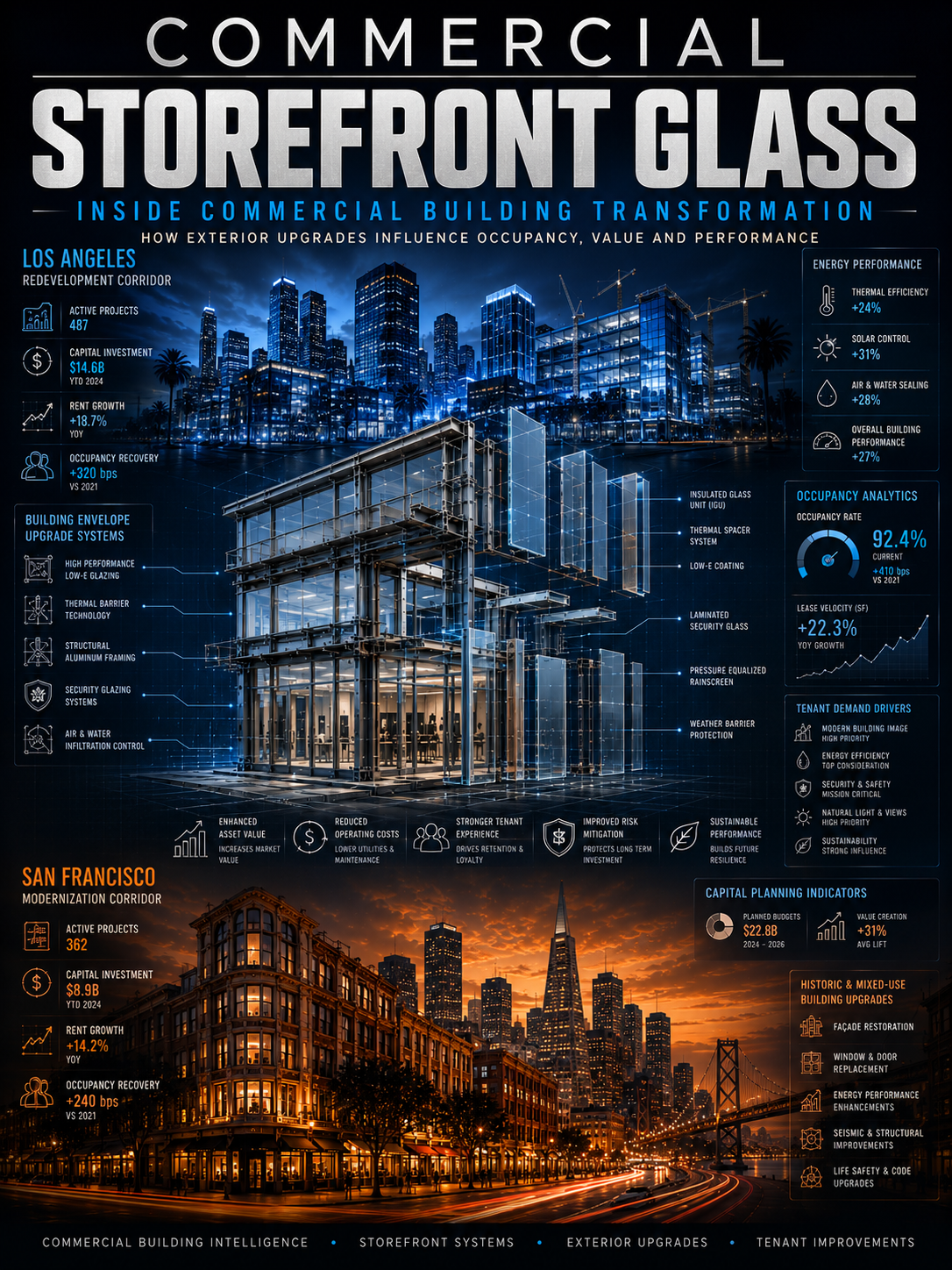
Focus Area | Typical Objective |
Tenant improvements | Attract evolving businesses |
Exterior upgrades | Strengthen curb appeal |
Adaptive reuse | Reposition existing assets |
Mixed-use development | Increase activity |
Retail modernization | Improve customer engagement |
Property repositioning | Remain competitive |
Throughout Los Angeles, upgrades are frequently driven by market opportunity and redevelopment activity.
Owners often invest in visible improvements to compete within rapidly changing commercial environments.
- Commercial Office Renovation
- Commercial Office Remodel
- Commercial Office Build Out
- Office Build Out Contractor
- Commercial Interior Renovation
- Commercial Space Renovation
- Office Space Renovation
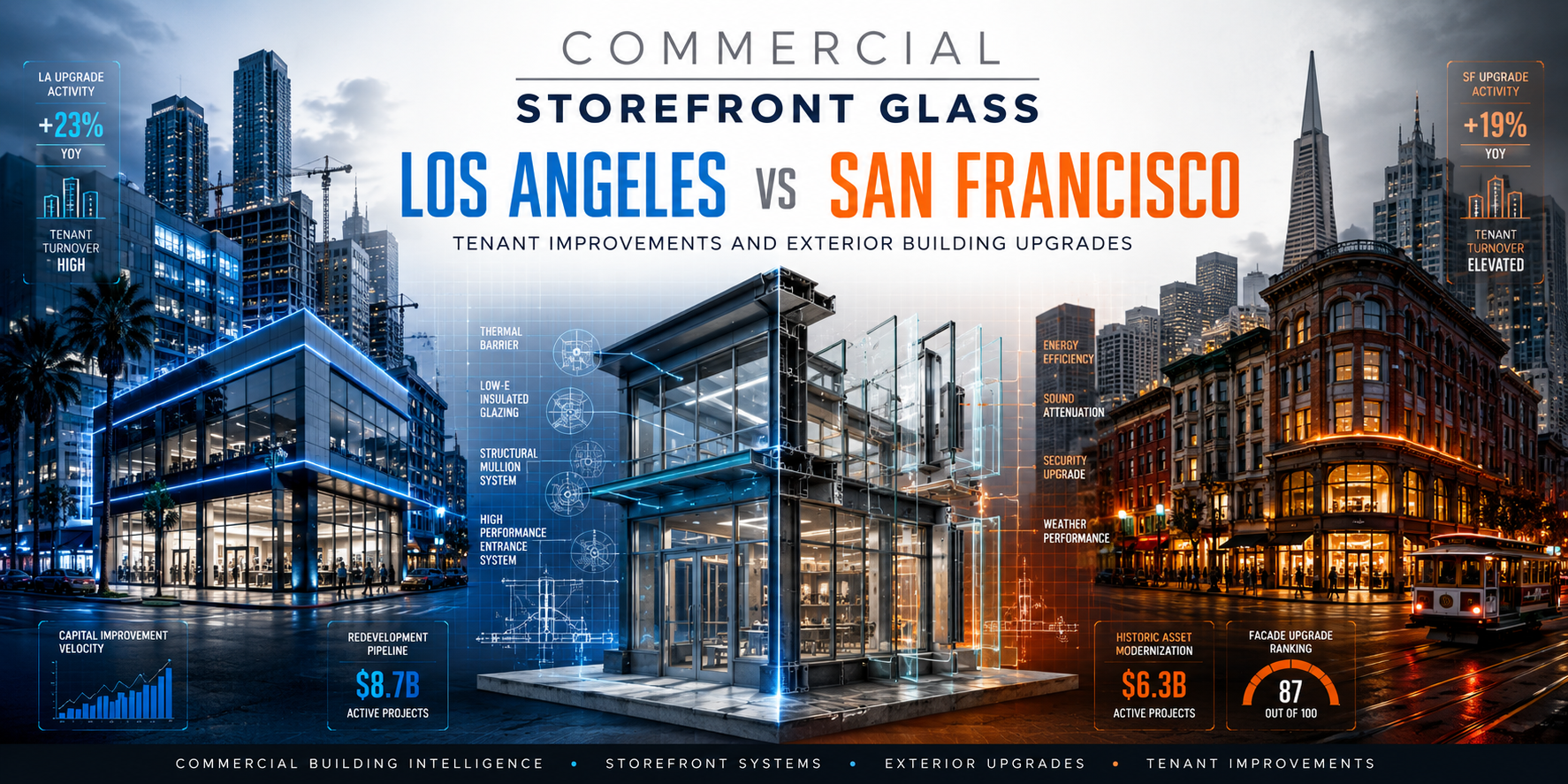
The modern workplace looks different than it did a decade ago.
Businesses want flexibility.
Employees expect better environments.
Customers respond to experience.
Occupants increasingly evaluate properties based on how well the space supports their goals.
Because of those changes, tenant improvements have become a major driver of commercial investment.
- Commercial Property Modernization
- Commercial Building Renovation
- Retail Store Build Out
- Restaurant Build Out Contractor
- Commercial Interior Construction
- Office Expansion Contractor
- Commercial Leasehold Improvements
- Commercial Space Conversion
Many building improvements remain hidden.
Mechanical systems operate behind the scenes.
Infrastructure investments are often invisible.
Exterior upgrades work differently.
Customers notice them.
Tenants notice them.
Investors notice them.
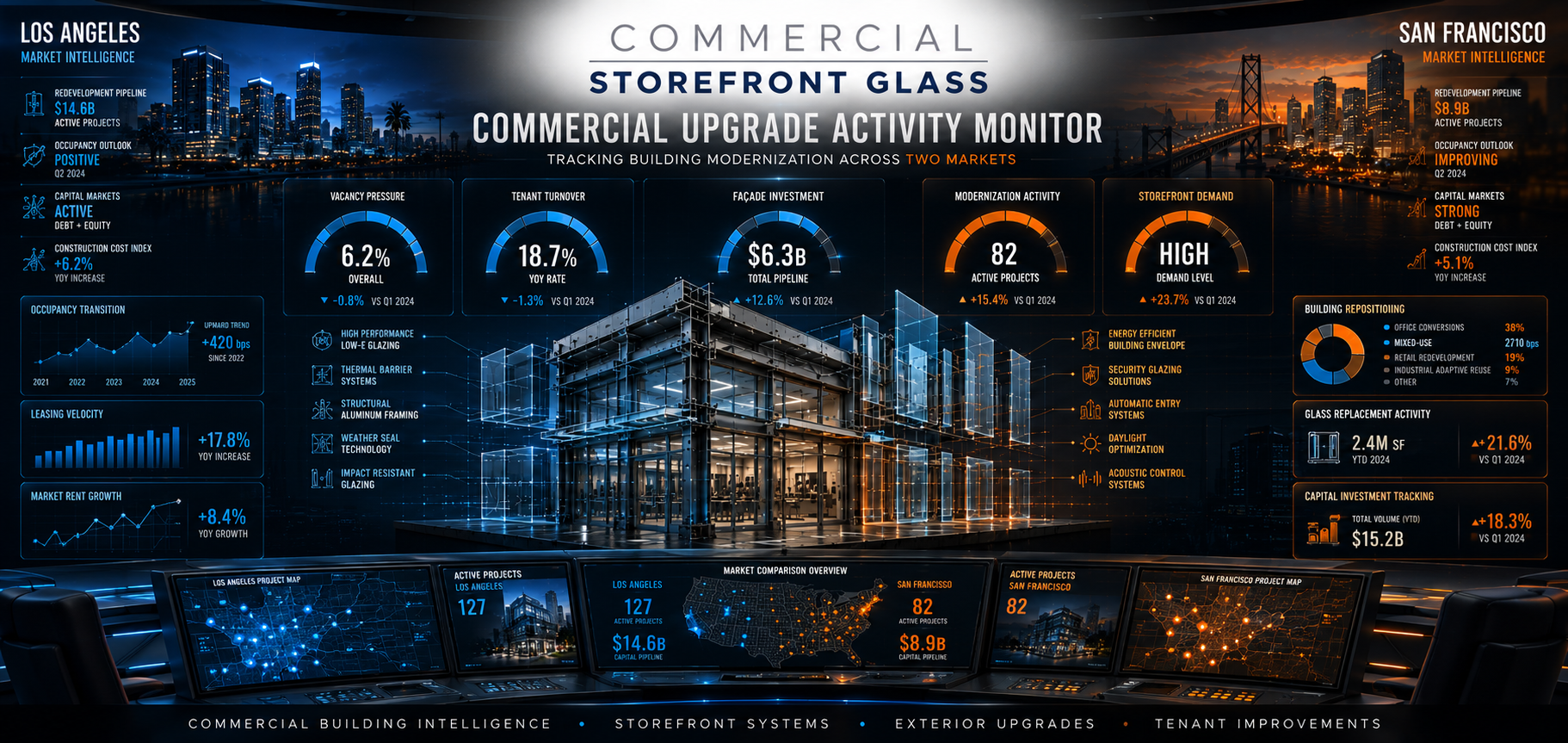
Visible improvements can immediately influence how a property is perceived. Consequently, facade renovations, storefront enhancements, and architectural upgrades frequently become part of broader modernization strategies.
That impact helps explain why exterior improvements remain popular across both markets.
- Office Reconfiguration
- Office Demolition & Rebuild
- Commercial Space Planning
- Office Relocation Renovations
- Corporate Office Upgrades
- Spec Suite Build Outs
- Medical Office Renovations
- Dental Office Build Outs
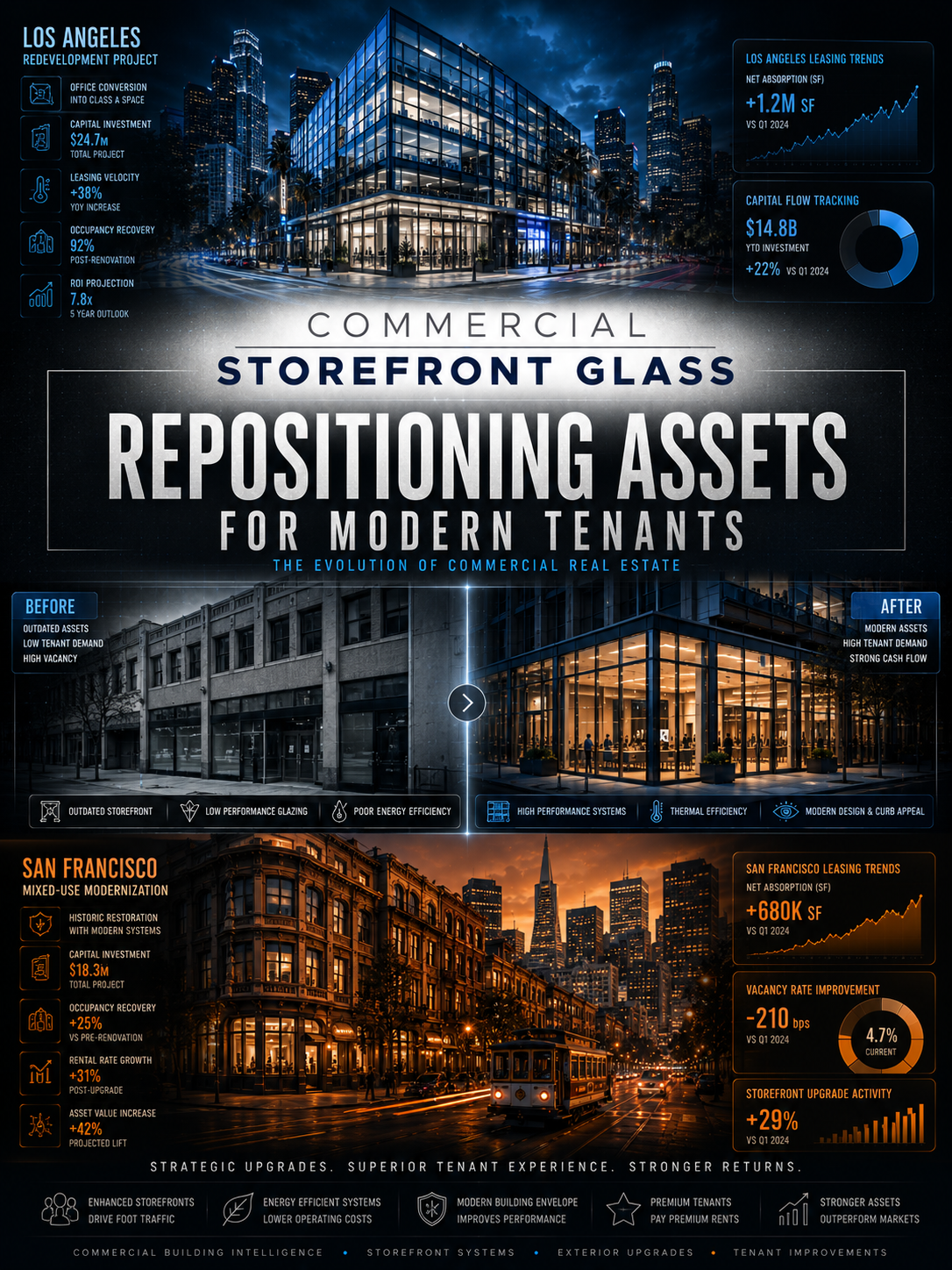
Many commercial properties now serve multiple purposes.
Retail occupies the ground floor.
Offices occupy upper levels.
Restaurants activate public spaces.
Residential units contribute additional activity.
Mixed-use environments have become increasingly important throughout California.
Because these projects rely heavily on customer engagement and tenant experience, exterior building upgrades often become a priority. Visibility, architectural identity, and pedestrian interaction frequently influence long-term success.
Those factors continue shaping redevelopment efforts across both cities.
Commercial properties in California often compete through design as much as location.
Building appearance influences perception.
Exterior quality affects property image.
Architectural identity can help distinguish one asset from another.
Los Angeles frequently embraces contemporary redevelopment and adaptive reuse. San Francisco often balances modernization with preservation and historic character.
Although those approaches differ, both markets recognize the value of architectural presentation.
Design remains an important business tool.
- Veterinary Clinic Renovations
- Fitness Center Build Outs
- Hotel Lobby Renovations
- Bank Branch Renovations
- Retail Store Renovations
- Restaurant Renovations
- Commercial Building Repositioning
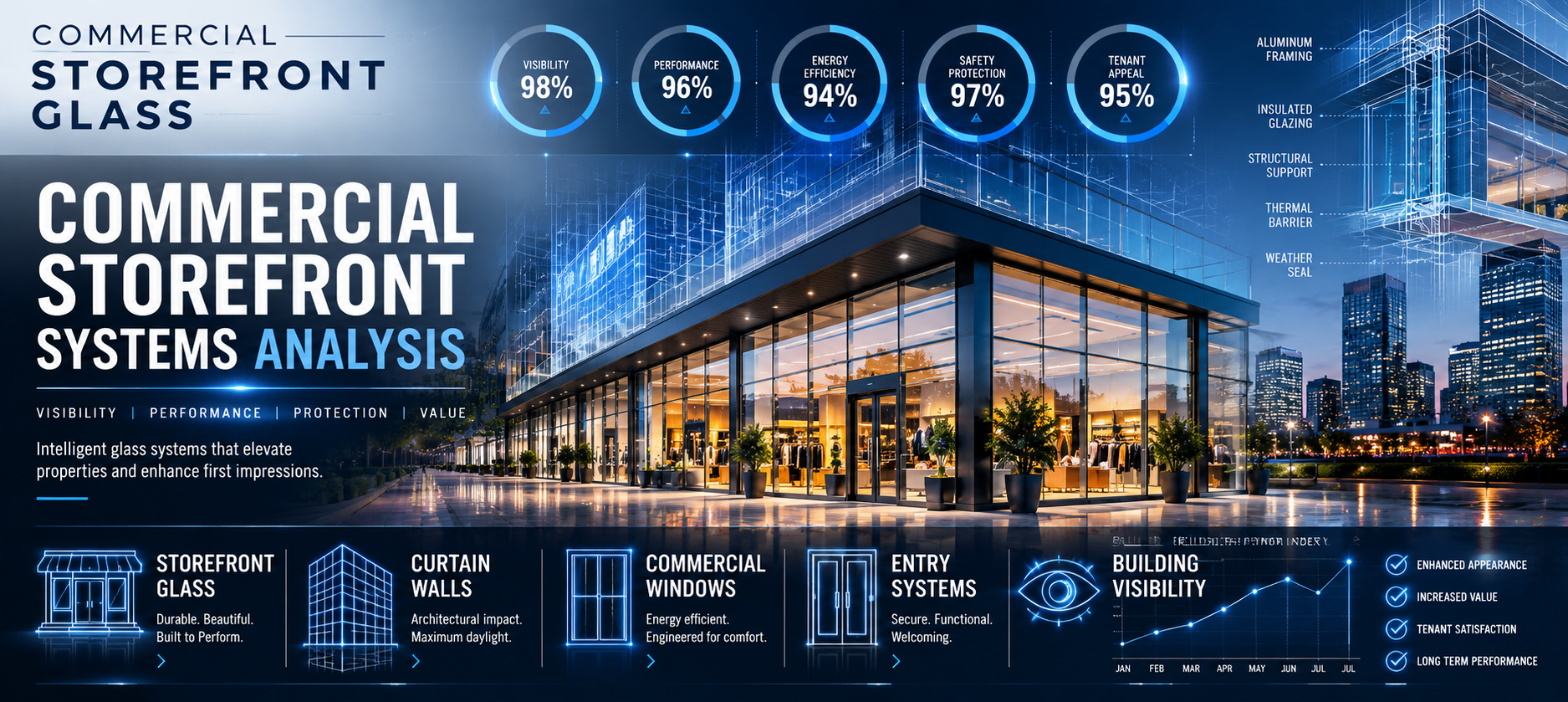
- Tenant improvements
- Asset optimization
- Historic modernization
- Urban redevelopment
- Architectural preservation
- Long-term value creation
Both cities invest heavily in upgrades, but market conditions often determine where those investments are focused.