


Retail Tenant Improvement Contractor | TI Build Out
Retail tenant improvement contractors specialize in transforming commercial spaces into functional, attractive environments that support shopping, dining, customer service, and brand identity. Whether renovating a neighborhood storefront, building out a restaurant, modernizing a shopping center, or preparing a retail space for a national tenant, retail tenant improvement contractors coordinate the construction, infrastructure, and finishing work necessary to bring commercial properties to life.
From downtown retail districts and suburban shopping centers to mixed-use developments and lifestyle centers, retail spaces constantly evolve as businesses expand, consumer preferences shift, and property owners reposition their assets. Successful retail renovations require careful planning, tight construction schedules, and a deep understanding of how customers interact with commercial spaces.
For developers, commercial property owners, facility managers, property managers, architects, engineers, commercial brokers, business owners, and general contractors, experienced retail tenant improvement contractors provide the expertise required to complete projects efficiently while minimizing operational disruption and maximizing long-term value.
What Does a Retail Tenant Improvement Contractor Do?
A retail tenant improvement contractor manages the renovation and build-out of commercial retail spaces to meet the specific requirements of tenants and property owners.
Typical responsibilities include:
- Project planning
- Budget management
- Permit coordination
- Construction scheduling
- Material procurement
- Trade coordination
- Site supervision
- Quality control
- Safety management
- Final inspections
Retail projects often involve accelerated timelines because tenants need to open quickly and minimize downtime.
Types of Retail Tenant Improvement Projects
Retail tenant improvement contractors work on a wide variety of commercial properties.
Common project types include:
✓ Shopping centers
✓ Standalone retail stores
✓ Restaurants and cafés
✓ Luxury retail spaces
✓ Grocery stores
✓ Fitness centers
✓ Pharmacies
✓ Banks and financial institutions
✓ Mixed-use retail developments
✓ Entertainment venues
Each retail category has unique operational requirements, customer expectations, and construction challenges.
- Tenant Improvement Contractors
- Tenant Improvement Construction
- Tenant Improvement Build Outs
- Tenant Improvement Remodeling
- Tenant Improvement Renovations
- Commercial Tenant Improvement Services
- Office Tenant Improvement Contractor
1. The General Contractor (GC) Perspective
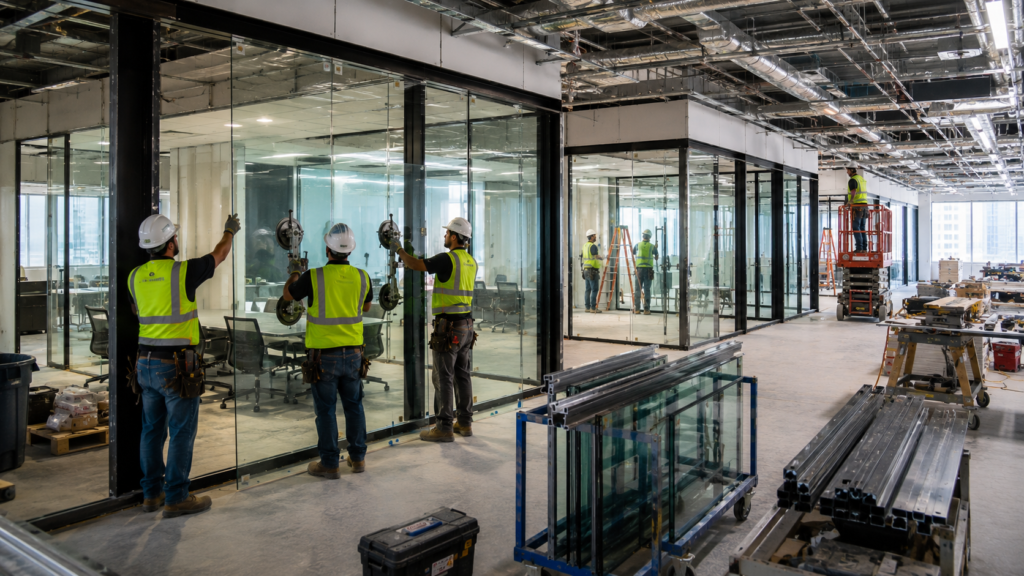
- How They Perceive It:The GC views the storefront glazing scope primarily as a critical-path scheduling risk, a potential code bottleneck, and an interface liability. To them, glass is a fragile trade that touches concrete tolerances, rough carpentry/framing, electrical (automatic headers/sensors), and ADA egress. If the glass package is delayed or fails inspection, the entire Certificate of Occupancy (CO) stalls, risking liquidated damages.
- Decisions They Normally Make:
- Tries to lock in the lowest-bid commercial glazing sub to protect thin general contracting margins.
- Waits until dry-in or rough framing is nearly complete before pressing the glazier for final field measurements.
- Treats standard storefront systems and custom heavy-glass entryways interchangeably in early scheduling Gantt charts without factoring in long lead times for custom tempered/laminated panels or specialized hardware (e.g., panic devices, continuous hinges).
- Decisions They SHOULD Make:
- Engage the commercial storefront glass contractor during pre-construction to review architect details, structural deflection limits, and egress requirements.
- Enforce early rough-opening sign-offs with framing and MEP trades so glass field dimensions can be pulled weeks earlier, preventing fabrication bottlenecks.
- Verify manufacturer lead times upfront for thermal breaks, low-E coatings, and anodized/powder-coated finishes rather than assuming off-the-shelf 2-week turnaround times.
- Commercial Office Renovation
- Commercial Office Remodel
- Commercial Office Build Out
- Office Build Out Contractor
- Commercial Interior Renovation
- Commercial Space Renovation
- Office Space Renovation
- Commercial Property Modernization
- Commercial Building Renovation
- Retail Store Build Out
- Restaurant Build Out Contractor
- Commercial Interior Construction
- Office Expansion Contractor
- Commercial Leasehold Improvements
- Commercial Space Conversion
2. The Retail Tenant Perspective
- How They Perceive It:The retail tenant views the storefront as their primary marketing billboard, brand statement, and security perimeter. They rarely think about structural wind loads or aluminum mullion depths—they care about foot-traffic visibility, aesthetic polish, natural light, security against break-ins, and hitting their hard grand-opening date to start generating cash flow.
- Decisions They Normally Make:
- Focuses heavily on aesthetic features (frameless glass, minimalist hardware, distinct handles, ultra-clear low-iron glass) without checking base-building landlord design criteria or local fire/energy codes (e.g., Title 24 / ASHRAE).
- Approves landlord TI (Tenant Improvement) allowances and lease handover timelines without confirming who owns the maintenance, replacement, or permit obligations for modified perimeter glass.
- Pushes for last-minute floor-plan or entry-door repositioning mid-build to accommodate interior merchandising, unaware that altering glass rough openings can reset the procurement clock by 4–6 weeks.
- Decisions They SHOULD Make:
- Request the landlord’s Storefront & Signage Criteria package on day one of lease negotiation and hand it directly to the TI contractor and glazing specialist.
- Balance aesthetics with operational durability by investing upfront in impact/laminated glass or security film and high-traffic commercial-grade door hardware rather than purely decorative fittings.
- Freeze entry-door locations and glazing design specs before permits are submitted, avoiding costly change orders and lease commencement penalties while the store sits dark.
- Veterinary Clinic Renovations
- Fitness Center Build Outs
- Hotel Lobby Renovations
- Bank Branch Renovations
- Retail Store Renovations
- Restaurant Renovations
- Commercial Building Repositioning
Retail Build-Out Services
Many retail spaces begin as unfinished commercial shells that require a complete build-out.
Typical retail improvement services include:
- Customer entrances
- Sales-floor construction
- Service counters
- Product display areas
- Dressing rooms
- Storage facilities
- Offices and break rooms
- Restrooms
- Lighting systems
- Decorative finishes
The goal is to create an environment that supports both customer experience and operational efficiency.
Restaurant and Hospitality Renovations
Restaurants and hospitality spaces require specialized tenant improvement expertise.
Common restaurant improvements include:
- Dining-room construction
- Kitchen infrastructure
- Bar areas
- Customer waiting spaces
- Outdoor seating areas
- Point-of-sale systems
- Food preparation areas
- Restroom renovations
- Storage rooms
- Employee support spaces
Restaurant projects often involve complex plumbing, ventilation, and fire-protection systems that require close coordination between multiple trades.
Commercial Storefront Glass and Retail Visibility
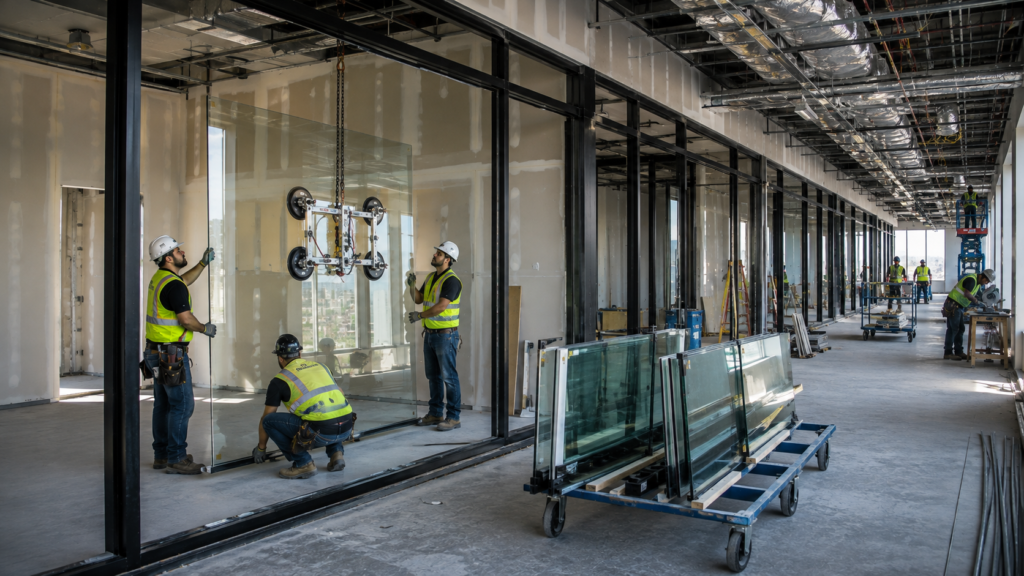
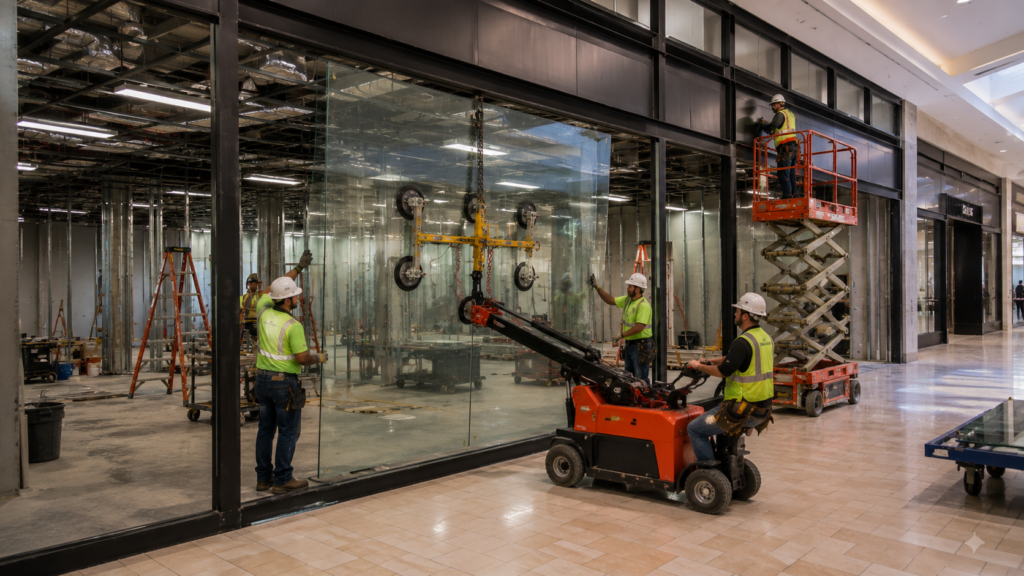
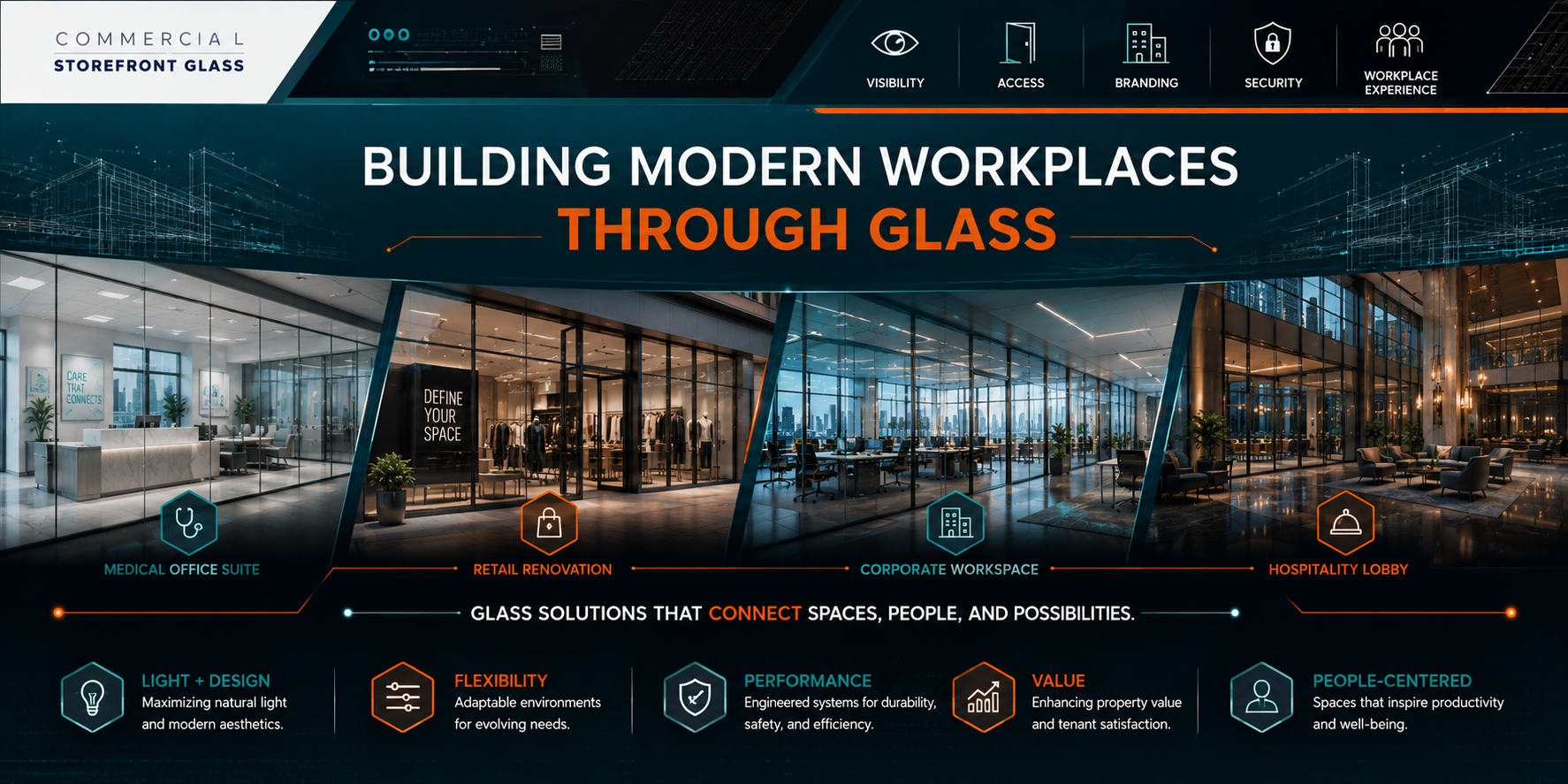
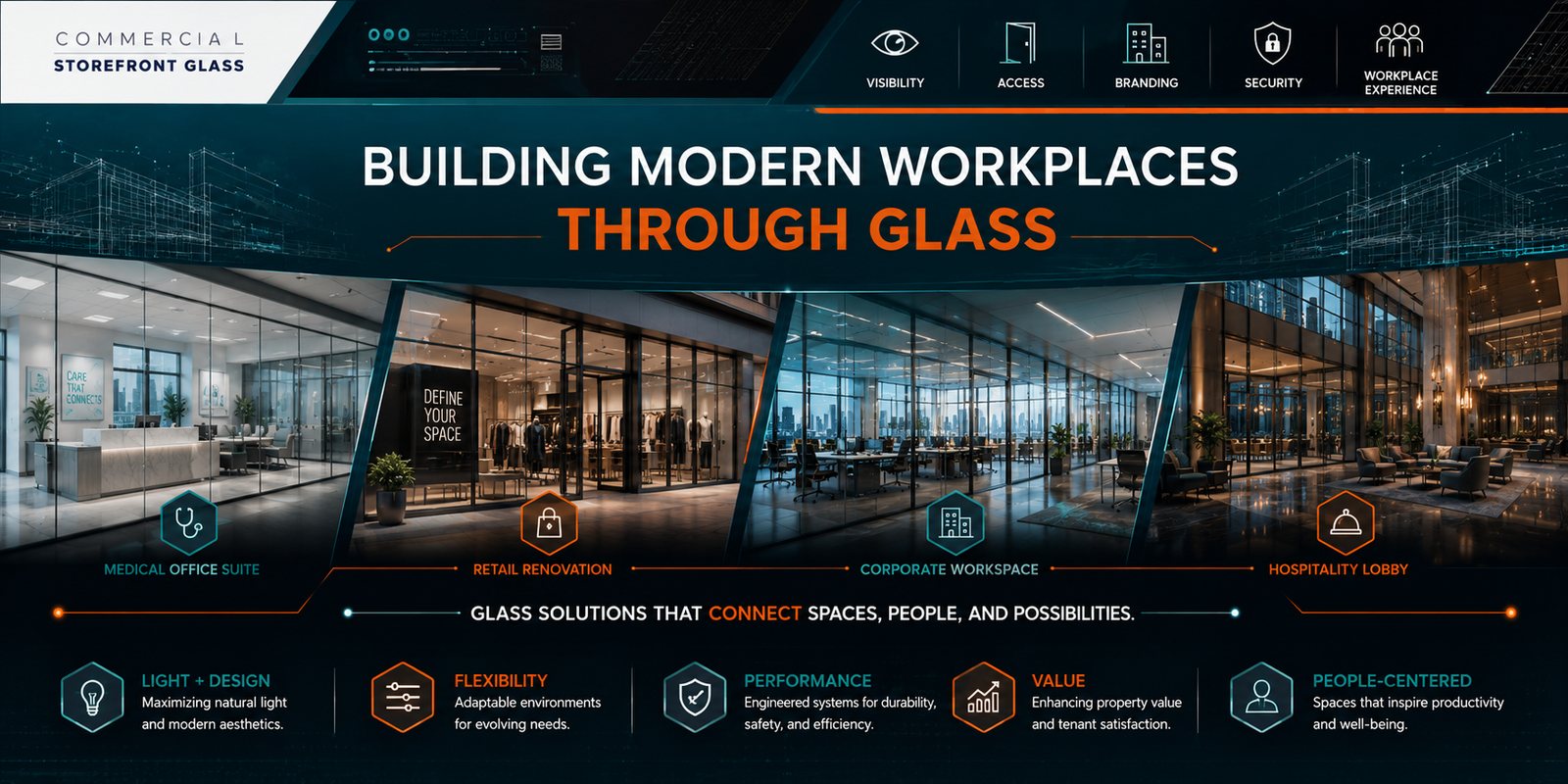
Commercial storefront glass is one of the most important elements of any retail tenant improvement project.
Common glazing systems include:
- Aluminum storefront systems
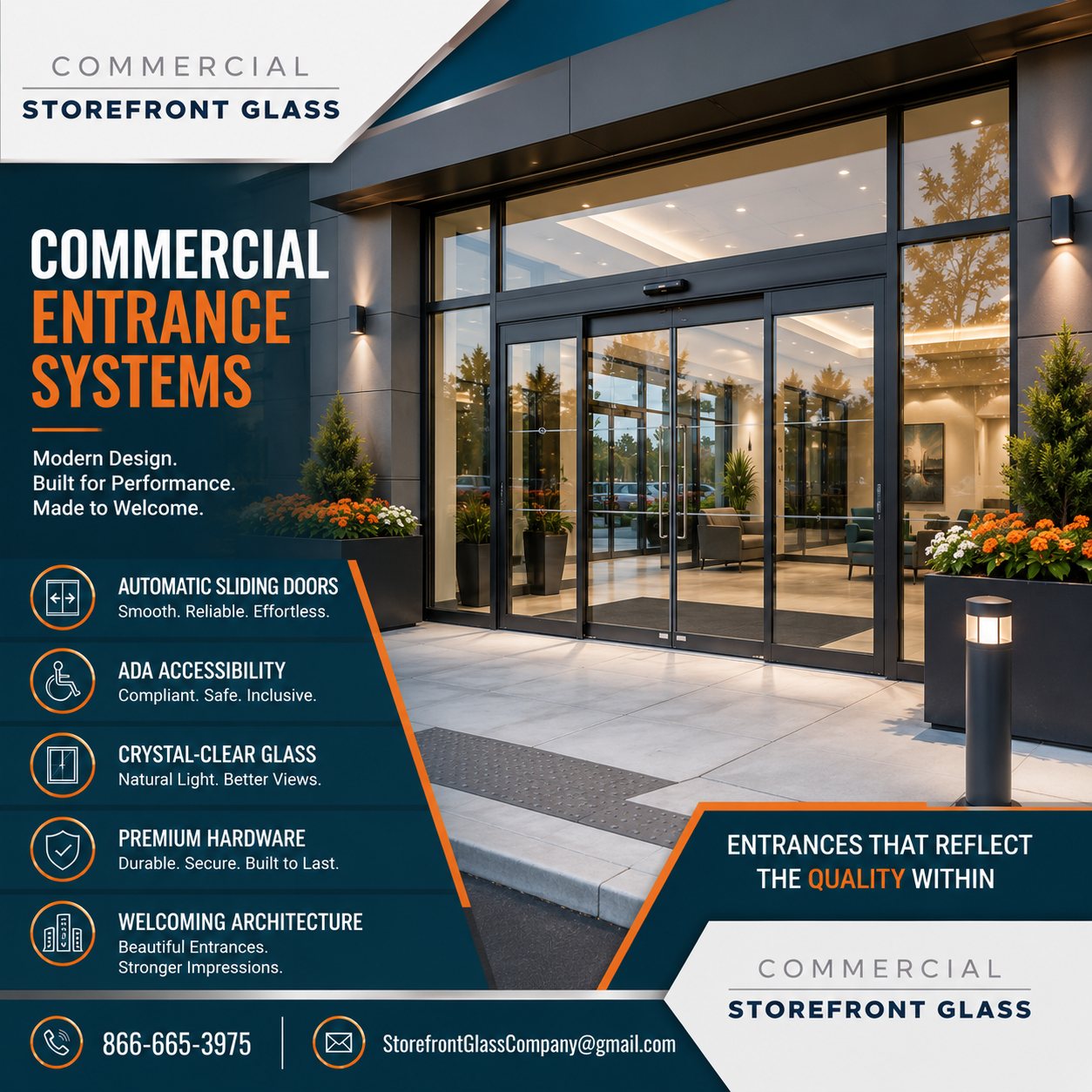
- Commercial entrance systems
- Automatic sliding doors
- Large display windows
- Curtain walls
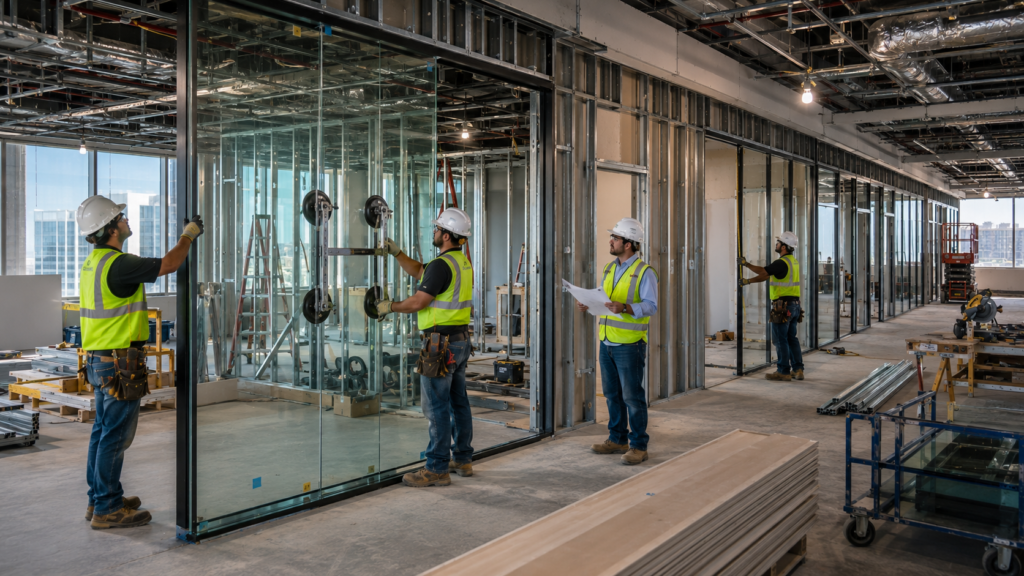
- Interior glass partitions
- Insulated glass units
- Safety glazing
- Security glazing
- Architectural glass systems
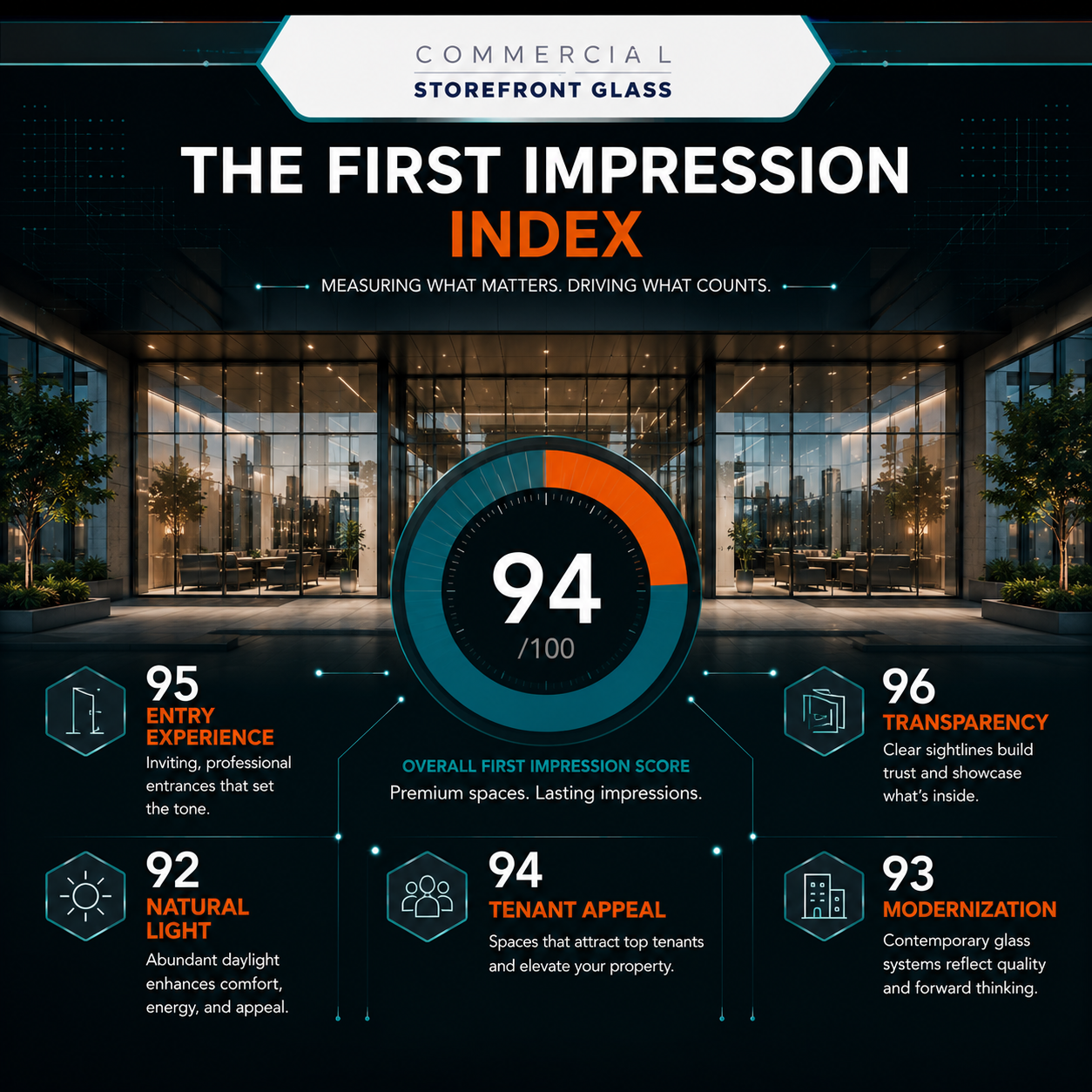
Modern storefront systems increase visibility, maximize natural light, improve energy efficiency, and create a welcoming first impression for customers. Large display windows help retailers showcase products while strengthening the connection between the interior environment and the surrounding community.
For shopping centers and mixed-use developments, storefront modernization can significantly improve curb appeal and increase tenant demand.
Interior Finishes and Brand Identity
Retail renovations are heavily influenced by branding and customer experience.
Common interior improvements include:
- Flooring installation
- Painting and wall finishes
- Custom millwork
- Decorative lighting
- Ceiling systems
- Feature walls
- Signage integration
- Product displays
- Acoustic treatments
- Customer seating areas
These design elements help retailers create memorable spaces that reflect their brand identity and encourage customer engagement.
Building Systems and Infrastructure
Retail tenant improvements frequently require upgrades to the building’s core systems.
Common infrastructure improvements include:
- HVAC modernization
- Electrical upgrades
- Plumbing improvements
- Fire protection systems
- Building automation
- Security systems
- Access-control systems
- Data infrastructure
- Energy-efficient lighting
- Indoor air-quality enhancements
Modern building systems improve comfort, reduce operating costs, and support long-term property performance.
Renovating Occupied Shopping Centers
Many retail renovations take place in active shopping centers where neighboring tenants remain open.
Successful contractors often use:
✓ Phased construction
✓ Weekend work
✓ Night shifts
✓ Temporary entrances
✓ Dust containment
✓ Noise management
✓ Customer communication
✓ Secure work zones
✓ Detailed scheduling
✓ Enhanced safety measures
Careful planning minimizes disruption and helps maintain a positive customer experience during construction.
Who Hires Retail Tenant Improvement Contractors?
Retail tenant improvement contractors work with many different stakeholders throughout the commercial real estate industry.
These clients include:
- Commercial property owners
- Shopping center developers
- Property managers
- Facility managers
- Asset managers
- Retail brands
- Franchise operators
- Commercial brokers
- Investors
- General contractors
Each stakeholder has different priorities related to budgets, timelines, customer experience, and long-term property value.
Key Considerations Before Starting a Retail Renovation
Successful retail projects require careful planning before construction begins.
Important considerations include:
- Customer traffic patterns
- Lease requirements
- Construction schedules
- Accessibility standards
- Brand requirements
- Security needs
- Energy efficiency goals
- Maintenance planning
- Future tenant flexibility
- Opening deadlines
Addressing these factors early helps reduce delays and improve project outcomes.
Benefits of Professional Retail Tenant Improvements
Well-executed retail renovations create lasting value for both tenants and property owners.
Benefits include:
- Improved customer experience
- Increased foot traffic
- Enhanced brand visibility
- Higher tenant retention
- Better operational efficiency
- Lower operating costs
- Increased rental value
- Improved energy performance
- Greater property value
- Stronger long-term asset performance
These benefits help retail properties remain competitive in changing markets.
Shaping the Future of Retail Real Estate
Retail environments continue evolving as shopping habits, technology, and customer expectations change. Shopping centers, restaurants, lifestyle developments, and storefront properties that invest in modernization and tenant improvements are better positioned to attract tenants and support long-term growth.
For developers, commercial property owners, facility managers, property managers, architects, engineers, commercial brokers, business owners, and general contractors, retail tenant improvement contractors provide the expertise necessary to transform commercial spaces into successful retail environments. Through strategic planning, commercial storefront glass, infrastructure modernization, and efficient construction management, retail tenant improvements continue shaping the future of commercial real estate across communities throughout the United States.