


Los Angeles vs San Francisco: Repair vs Replacement vs Installation Costs for Commercial Glass
Cost is one of the first questions commercial property owners ask when planning a storefront, curtain wall, entrance, or building envelope project. However, the lowest initial price is not always the lowest long-term cost. Throughout Los Angeles and San Francisco, owners, developers, facility managers, and general contractors evaluate whether repairing an existing system, replacing aging components, or investing in a completely new installation provides the greatest overall value.
Although both cities represent major commercial construction markets, project costs are often influenced by different building conditions. Los Angeles includes extensive new development, retail expansion, hospitality projects, and mixed-use construction. San Francisco frequently focuses on office modernization, adaptive reuse, Financial District improvements, and upgrades to aging commercial buildings. Those differences often affect the scope of work far more than the city itself.
Understanding the relationship between repair costs, replacement costs, and installation costs helps commercial property owners make smarter long-term investment decisions.
Project Cost Is About More Than Materials
The total investment in a commercial glass project extends beyond the glass itself.
Project costs are commonly influenced by:
- Building size
- System complexity
- Existing conditions
- Accessibility
- Project scheduling
- Type of glazing system
- Hardware requirements
- Installation logistics
A simple storefront repair and a complete curtain wall replacement may involve entirely different planning, labor, and long-term performance goals.
Looking only at the initial proposal rarely tells the complete financial story.
When Repair Is the Most Cost-Effective Solution
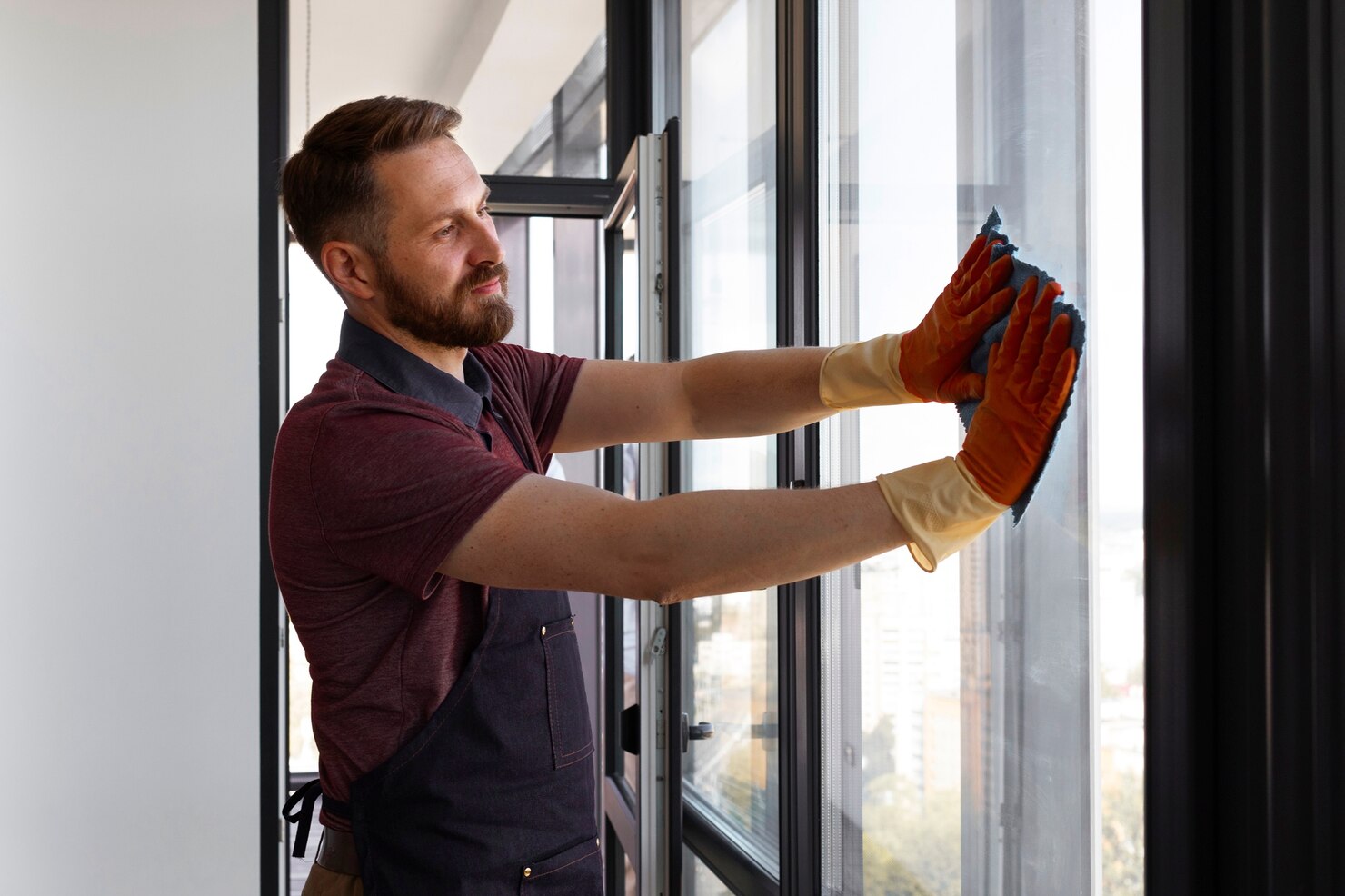
Repair often provides the lowest upfront investment when damage remains limited.
Common repair projects include:
- Broken storefront glass
- Commercial door hardware
- Window glazing
- Minor framing adjustments
- Sealant repairs
- Insulated glass replacement
- Entrance hardware service
Throughout Los Angeles, repairs frequently support restaurants, shopping centers, office campuses, hotels, and medical facilities where minimizing business interruption is a priority.
In San Francisco, repairs commonly occur in occupied office towers, mixed-use developments, urban storefronts, and Financial District properties that require continued daily operation.
When the surrounding system remains in good condition, repairs often extend service life while avoiding larger capital expenditures.
When Replacement Creates Better Long-Term Value
Replacement generally requires a larger initial investment, but it can reduce future maintenance while improving overall building performance.
Replacement is commonly recommended when:
- Repairs become frequent
- Multiple components have deteriorated
- Energy performance declines
- Older systems no longer meet operational goals
- Property repositioning is planned
- New tenants expect modern building systems
Los Angeles property owners often replace storefronts, entrances, curtain walls, and glazing during retail redevelopment, hospitality renovation, and office modernization.
San Francisco owners frequently replace commercial glass while upgrading office towers, adaptive reuse developments, and Financial District properties competing for premium tenants.
The initial investment is often higher than repair, but the lifecycle value can be significantly greater.
New Installation Represents a Long-Term Investment
New installation is typically associated with new construction, tenant improvements, or complete redevelopment.
Rather than correcting an existing problem, installation creates an entirely new commercial glass system designed around the building’s future.
New installation commonly includes:
- Storefront systems
- Curtain walls
- Commercial entrances
- Office windows
- Building envelope improvements
- Aluminum framing
- Architectural glazing
- Interior commercial glass
Los Angeles continues adding large commercial developments where new installation supports long-term business growth.
San Francisco combines selective new construction with redevelopment projects that completely transform aging commercial buildings into modern work environments.
Although installation often represents the largest investment, it also provides the greatest opportunity to optimize building performance from the beginning.
Los Angeles vs San Francisco: Different Cost Drivers
Commercial glass costs are often shaped by project conditions rather than geography alone.
Los Angeles projects frequently involve:
New commercial development
Retail repositioning
Hospitality improvements
Mixed-use expansion
San Francisco projects frequently involve:
- Office modernization
- Adaptive reuse
- Financial District redevelopment
- Historic building improvements
Both markets are influenced by:
— Project complexity
— Existing building conditions
— Material selection
— Building access
— Long-term ownership goals
The best financial decision is usually the one that balances immediate costs with future performance.
Looking Beyond the Initial Estimate
A repair estimate and a replacement proposal should never be compared solely by price.
Property owners should also evaluate:
- Expected service life
- Future maintenance costs
- Energy performance
- Occupant experience
- Tenant attraction
- Operational disruptions
- Property value
- Long-term return on investment
A higher initial investment may significantly reduce maintenance expenses over the life of the building.
Commercial Glass Investments Support Every Property Type
Repair, replacement, and installation decisions affect virtually every commercial property.
Common applications include:
- Office buildings
- Retail centers
- Hotels
- Restaurants
- Healthcare facilities
- Universities
- Government buildings
- Mixed-use developments
- Industrial office buildings
- Corporate headquarters
Every building has different operational requirements, making project planning just as important as the work itself.
The Lowest Cost Is Not Always the Best Value
Commercial glass repair, replacement, and installation each serve a different financial purpose. Repairs minimize immediate expenses when systems remain in good condition. Replacements improve aging buildings while reducing future maintenance. New installations create long-term value by integratingmodernglazing systems into new construction and major redevelopment projects.
Whether evaluating a retail storefront in Los Angeles or repositioning an office tower in San Francisco, the best investment is rarely determined by the lowest proposal. It is determined by how well the solution supports building performance, tenant expectations, operational efficiency, and long-term property value. For commercial owners focused on lasting results, total lifecycle value is often far more important than the initial project cost.