


Los Angeles vs San Francisco: Commercial Glass Repair vs Replacement vs Installation Throughout the Building Lifecycle
Every commercial building follows a lifecycle. From the day a new storefront, curtain wall, entrance, or window system is installed, the building begins a long process of daily use, routine maintenance, modernization, and eventual renewal. Understanding that lifecycle helps property owners make smarter decisions about when to repair existing systems, when replacement delivers greater value, and when a completely new installation supports the future of the property.
Throughout Los Angeles and San Francisco, commercial buildings move through these stages in different ways. Los Angeles continues adding new retail centers, hospitality properties, office campuses, and mixed-use developments, creating steady demand for new installations. San Francisco often extends the life of established commercial buildings through repairs, adaptive reuse, office repositioning, and complete building modernization.
Rather than viewing commercial glass as a one-time purchase, successful owners treat it as a long-term asset that evolves with the building.
Every Building Begins with Installation
The lifecycle starts with professional design and installation.
Whether constructing a new office tower, retail center, hotel, medical campus, or mixed-use development, the original commercial glass system establishes the building’s appearance and long-term performance.
New installations commonly include:
- Storefront systems
- Curtain walls
- Commercial windows
- Building entrances
- Aluminum framing
- Insulated glass units
- Architectural glazing
- Building envelope systems
A properly installed system creates the foundation for decades of commercial use.
Routine Repairs Extend Service Life
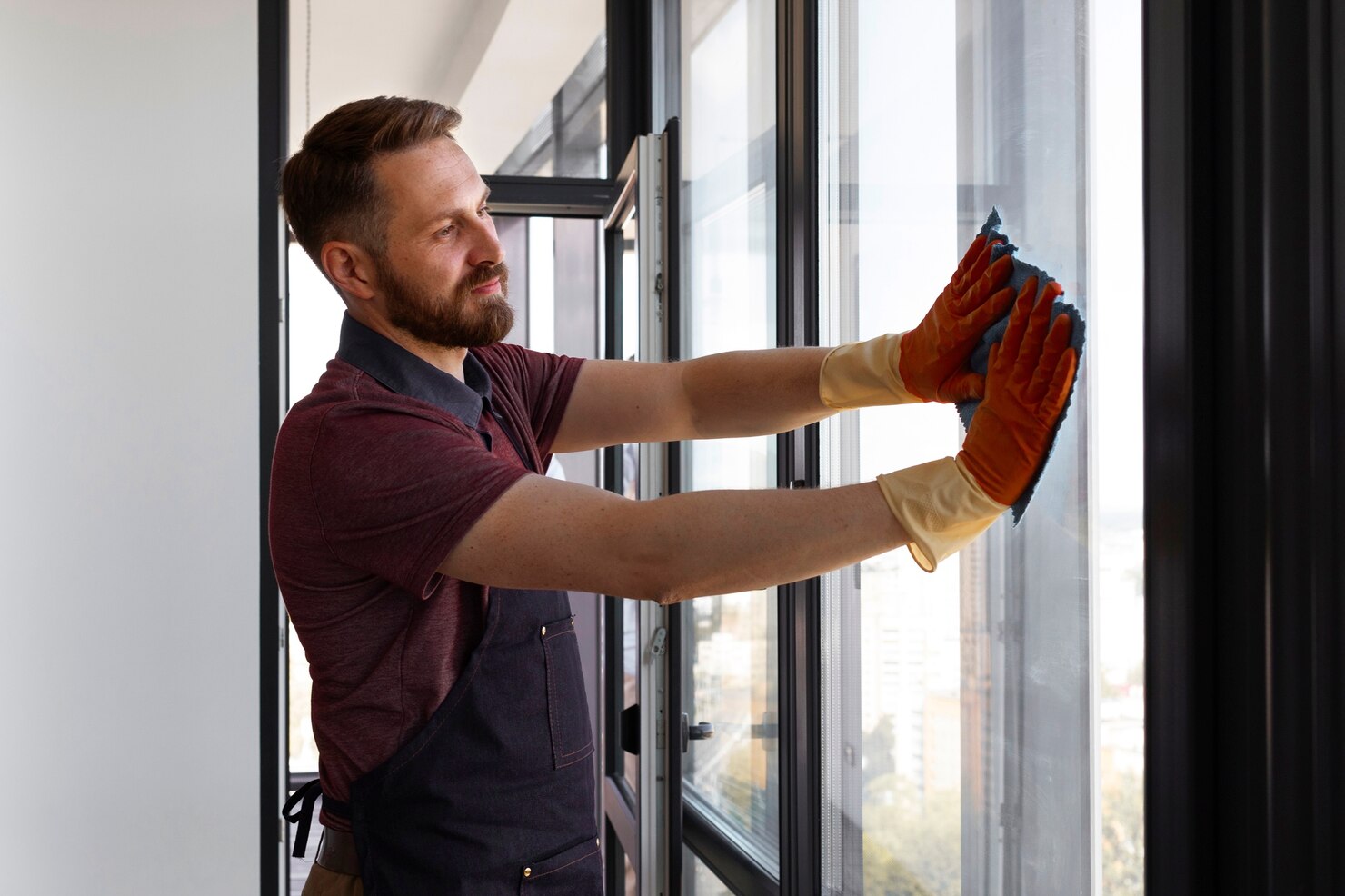
After years of normal operation, even well-built commercial glass systems require maintenance and occasional repairs.
Repair is often the most practical solution when the overall system remains in good condition.
Common repair projects include:
- Broken glass replacement
- Door hardware repairs
- Sealant restoration
- Insulated glass replacement
- Minor frame adjustments
- Entrance repairs
- Window glazing repairs
Throughout Los Angeles, repairs commonly support active shopping centers, hotels, office campuses, restaurants, and healthcare facilities where keeping businesses open is essential.
In San Francisco, repairs frequently occur in Financial District office towers, technology campuses, mixed-use developments, and urban storefronts that remain occupied throughout maintenance.
Routine repairs help maximize the lifespan of the original installation.
Replacement Marks the Next Stage of the Lifecycle
Eventually, every commercial glass system reaches a point where repairs become less practical.
Replacement represents the next major phase of the building lifecycle.
Replacement is commonly recommended when:
- Components reach the end of their service life
- Maintenance becomes increasingly frequent
- Energy performance declines
- Building appearance no longer supports leasing goals
- Owners begin major capital improvements
- Commercial spaces are repositioned for new tenants
Los Angeles property owners frequently replace storefronts and glazing during retail redevelopment, hospitality renovations, and office modernization.
San Francisco owners often replace commercial glass during adaptive reuse projects, Financial District improvements, office repositioning, and mixed-use redevelopment.
Replacement allows owners to improve building performance without constructing an entirely new facility.
Modernization Creates a New Lifecycle
For many commercial buildings, replacement becomes the beginning of a new lifecycle rather than the end of the old one.
Modern glazing systems can significantly improve:
- Energy efficiency
- Occupant comfort
- Building appearance
- Tenant attraction
- Operational reliability
- Property value
Instead of merely restoring the original building, modernization prepares it for another generation of commercial use.
Many successful office buildings, hotels, retail centers, and mixed-use developments have completed multiple modernization cycles while remaining highly competitive in their markets.
Los Angeles vs San Francisco: Different Lifecycle Patterns
Both cities experience every stage of the commercial glass lifecycle, but the emphasis often differs.
Los Angeles frequently experiences:
New commercial development
Retail expansion
Hospitality growth
Large tenant improvement projects
San Francisco frequently emphasizes:
- Office modernization
- Adaptive reuse
- Historic commercial preservation
- Financial District repositioning
Both markets require:
— Preventive maintenance
— Strategic repairs
— Timely replacements
— Long-term planning
— High-performance installations
Understanding where a building sits within its lifecycle helps owners prioritize the right investment at the right time.
Planning for Long-Term Performance
The strongest commercial properties rarely wait for complete system failure.
Instead, owners evaluate the building regularly by considering:
- Building age
- Glass condition
- Hardware performance
- Energy efficiency
- Water resistance
- Tenant expectations
- Maintenance history
- Future renovation plans
Planning ahead allows owners to spread capital improvements across multiple years while avoiding unexpected disruptions.
Every Commercial Property Follows a Lifecycle
Commercial glass systems support nearly every property category throughout California.
Applications include:
- Office buildings
- Retail centers
- Hotels
- Restaurants
- Healthcare facilities
- Universities
- Government buildings
- Mixed-use developments
- Industrial office buildings
- Corporate headquarters
Although every property follows a unique timeline, each eventually moves through installation, maintenance, repair, replacement, and modernization.
Thinking Beyond Today’s Repair
Commercial glass should never be viewed as a one-time project. It is part of an ongoing building lifecycle that evolves alongside the property itself. Repairs preserve existing investments, replacements renew aging systems, and new installations establish the foundation for decades of future performance.
Whether managing a retail center in Los Angeles or repositioning an office tower in San Francisco, understanding the lifecycle of commercial glass helps property owners make strategic decisions that improve durability, efficiency, tenant satisfaction, and long-termassetvalue. The buildings that perform best over time are not always the newest—they are the ones that are maintained, modernized, and improved at the right stages of their lifecycle.