


Phoenix aluminum storefront frames carry a heavy load. They hold hundreds of pounds of glass, they anchor the entry doors, and they stand in full desert sun for decades. Over time, even good frames wear out. Finishes chalk and fade. Gaskets shrink. Joints open up. Doors start to sag because the frame has moved. At some point, every owner faces a choice: fix what is there, or put in a new system? This guide walks through the signs, the repair options, and the point where replacement makes more sense.
Property owners, managers, and tenants in Phoenix can use it to make a confident, cost-smart decision.
What Aluminum Frames Do
Storefront frames do more than hold glass. They carry wind loads to the building. In addition, they drain rainwater away from the interior. They also house the seals that keep out dust and heat. In addition, they support door hinges, pivots, and locks. So when a frame fails, problems show up everywhere, from leaks to stuck doors.
How the Desert Ages a Storefront
Phoenix is hard on metal and rubber. Strong UV light breaks down gaskets and sealants. Daily heat swings make aluminum grow and shrink, which loosens fasteners. Monsoon winds push on the frame. Fine dust works into tracks and joints. As a result, a storefront that might last forty years in a mild climate may show its age much sooner here.
Signs Phoenix Aluminum Storefront Frames Need Attention
Walk your storefront and look for these clues:
- Chalky, faded, or peeling finish
- Gaskets that have cracked, shrunk, or gone missing
- Gaps where sealant has pulled away from the wall
- Water stains on the floor after a storm
- Doors that rub, sag, or will not latch
- Bent or dented frame members
- White powder or pitting near the sill
One or two signs often mean repair. Many signs at once suggest a bigger problem.
Repair Option 1: New Gaskets and Glazing Seals
Gaskets hold the glass snug in the frame. So when they shrink in the sun, glass can rattle, and water can sneak in. Replacing gaskets is a common, affordable fix. The glazier removes the old rubber, cleans the pocket, and presses in new material. This simple step often restores a tight seal and a cleaner look.
Repair Option 2: Perimeter Sealant
Caulk seals the joint between the frame and the building. However, in Phoenix that caulk dries out and cracks. As a result, dust, heat, and water can pass through. So a glazier strips the cracked bead, preps the surfaces, and runs a fresh UV-rated joint that can flex with the frame. This repair is quick, and it protects the whole system.
Repair Option 3: Tightening the Frame
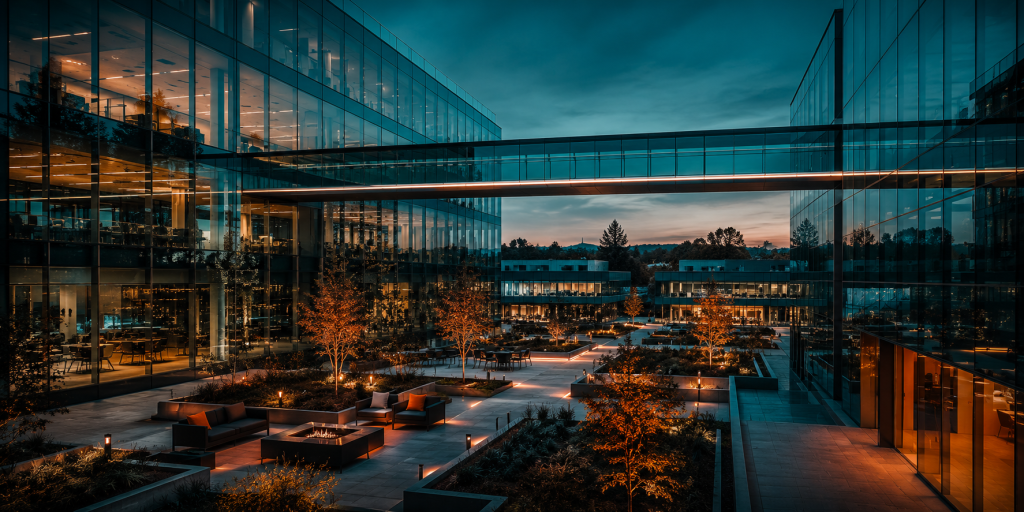
Steel anchors tie the frame to the wall. Over years of heat swings, however, they can loosen. A loose frame lets doors drift out of line and glass shift in its pocket. Glaziers can tighten existing anchors or add new ones. In many cases, this repair alone fixes a sagging door.
Repair Option 4: Damaged Sections
Sometimes a car bumper, a delivery cart, or a break-in bends a frame member. Fortunately, if the damage is local, the glazier can often cut out and replace just that section. Matching the finish is the main challenge. Older bronze or clear anodized finishes may not match new parts perfectly. Ask to see a sample before the repair.
Refinishing Phoenix Aluminum Storefront Frames
Faded frames can make a storefront look tired. Field painting with a high-performance coating can refresh the look. It does not fix structural issues. However, it can buy several more years of good appearance. So ask whether the maker designed the coating for aluminum and strong sun. Otherwise, it may peel quickly.
When to Replace Phoenix Aluminum Storefront Frames
Repairs have limits. Replacement usually makes more sense when:
- The frame is badly bent, cracked, or corroded
- Leaks return after every reseal
- Parts for the old system are no longer made
- Many insulated glass units have failed at once
- Doors keep falling out of alignment
- The storefront no longer meets safety or energy rules
In these cases, repeat repairs often cost more over time than a new system.
The Energy Case for New Frames
Many older Phoenix storefronts have frames with no thermal break. The metal carries heat straight into the building. Touch one on a July afternoon and you will feel it. Modern thermally broken frames include an insulating strip inside the metal. As a result, the inside of the frame stays cooler. When paired with low-e insulated glass, the upgrade can cut cooling costs and improve comfort near the windows.
Comparing Costs Over Time
Repair costs less today. On the other hand, replacement costs less over many years if the frame is near the end of its life. So look at the full picture. Add up recent repair bills. Estimate future repairs. Then compare that with the price of a new system and the energy savings it brings. The Whole Building Design Guide offers helpful background on building envelope performance and life-cycle thinking.
Permits and Code Updates
Gasket swaps and resealing rarely trigger a permit. A full tear-out, on the other hand, usually does. In that case, city reviewers may ask for current safety glass, accessible doors, and energy code compliance. Your glazier can tell you what applies and help prepare drawings.
Phoenix Aluminum Storefront Frames and Lead Times
If you choose replacement, plan ahead. Frames, insulated glass, and doors are made to order. Standard finishes ship faster than custom colors. Meanwhile, your old storefront keeps working until the new one is ready. So schedule the swap once all materials have arrived on site.
Questions to Ask Your Glazier
Good questions lead to a good decision. First, ask how old the system is and whether parts are still made. Next, ask which problems are cosmetic and which are structural. Then ask for a price to repair and a price to replace. Also, ask how each option affects energy use and comfort. Finally, ask about warranty terms for both paths. With these answers, choosing the right path for Phoenix aluminum storefront frames becomes much easier.
Keeping the Business Open
Most storefront replacements can be phased. Crews remove and replace one section at a time. Temporary panels secure any open areas overnight. In addition, the entry can often stay usable for most of the job. Plan the work around your busiest hours.
Maintenance Tips for Phoenix Aluminum Storefront Frames
A little care adds years of life. Rinse frames to remove dust. Keep weep holes at the sill clear. Check sealant and gaskets each spring before monsoon season. Also, tighten loose door hardware as soon as you notice it. These small steps help frames hold up to the Phoenix climate.
Common Mistakes to Avoid
- Painting over frames that are structurally failing
- Resealing again and again without finding the leak source
- Replacing doors while ignoring a shifted frame
- Skipping thermal breaks on a new system
- Choosing a finish that fades fast in strong sun
FAQ on Phoenix Aluminum Storefront Frames
Can faded frames be refinished?
Yes. High-performance coatings can refresh the look, but they do not fix structural problems.
How long do aluminum storefront frames last in Phoenix?
Many last decades with care, though sun and heat speed up wear on seals and finishes.
Are thermally broken frames worth it?
In Phoenix, usually yes. They keep frames cooler and improve comfort.
Make the Right Call
Knowing when to repair and when to replace saves money. Read our guide to aluminum frame damage and repair, or book a frame inspection today.