


Phoenix storefront windows face more sun than almost any other storefronts in the country. The Valley gets close to 300 sunny days a year, and summer highs often climb past 110 degrees. That sun pours heat and glare through every pane of glass. It drives up cooling bills, fades merchandise, and makes some spots in the store uncomfortable. The right glass can change all of that. This guide compares the main glass options for sun exposure, so you can choose with confidence.
Business owners, property managers, and designers will find clear comparisons and practical tips below.

How Sun Affects a Storefront
Sunlight carries three things through glass: visible light, heat, and ultraviolet rays. Visible light helps people see inside. Heat raises indoor temperatures. UV rays fade fabrics, packaging, and finishes. A good storefront lets in plenty of light while blocking much of the heat and UV. So the goal is balance, not darkness.
Key Ratings to Understand
Glass makers use a few ratings to describe performance. Here are the most useful ones:
- Solar heat gain coefficient (SHGC) shows how much solar heat passes through. Lower is better in Phoenix.
- Visible transmittance (VT) shows how much daylight passes through. Higher means a brighter view.
- U-factor shows how well the glass slows heat flow. Lower is better.
Ratings come from the National Fenestration Rating Council, which tests and labels products. Ask your glazier for rated products when comparing options.
Option 1: Clear Single-Pane Glass
Clear single-pane glass is the most basic option. It offers great visibility and a low price. However, it lets in a lot of heat. In Phoenix, that means high cooling costs and hot spots near the windows. Many older storefronts still have it. For most new Phoenix storefront windows, it is not the best choice.
Option 2: Insulated Glass Units
A dual-pane unit traps a thin layer of air or gas between two lites, which slows the flow of heat. As a result, the inside pane stays cooler, and the space is more comfortable. Insulated units are now standard for most commercial storefronts. They also reduce outside noise, which helps on busy streets.
Option 3: Low-E Coatings
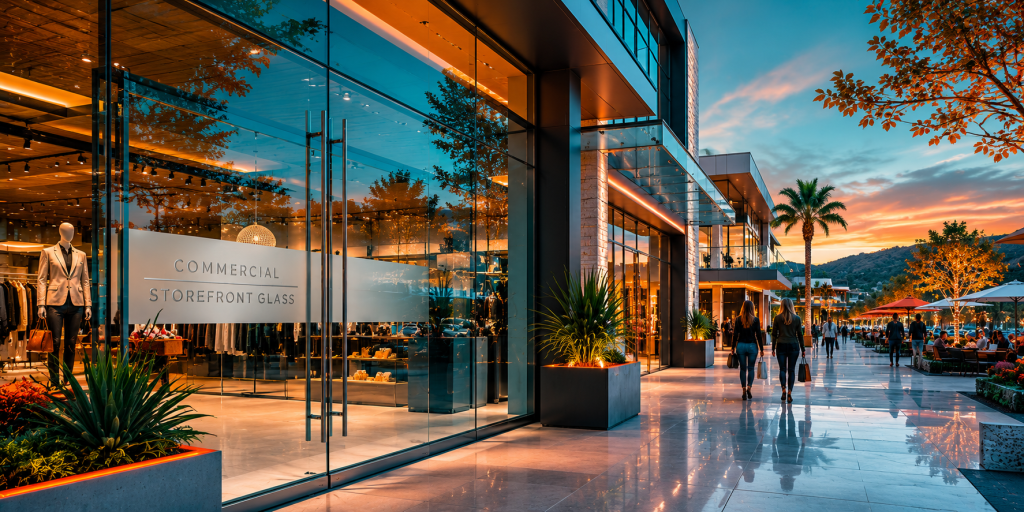
Low-e coatings are thin metal layers on the glass. They reflect heat while letting most visible light through. In Phoenix, a solar control low-e coating can cut heat gain a great deal. Combined with an insulated unit, it is one of the best choices for Phoenix storefront windows. The glass stays fairly clear, so shoppers can still see inside.
Option 4: Tinted Glass
Tinted glass absorbs some sunlight and heat. Common tints include gray, bronze, and green. Tints reduce glare and give the building a certain look. However, darker tints also cut visibility. A heavily tinted storefront can make a business look closed during the day. So many owners choose a light tint paired with low-e glass.
Option 5: Reflective Glass
Reflective glass has a mirror-like coating. It blocks a lot of heat and gives strong privacy during the day. However, it also hides the inside of the store. That is a drawback for retail. Reflective glass works better for office buildings or upper floors than for shop fronts.
Option 6: Laminated Glass
Laminated glass bonds two lites to a tough plastic interlayer. That layer screens out nearly all UV, so displays keep their color. It also keeps a broken lite in place, which slows down a break-in. Laminated glass can be combined with low-e coatings and insulated units. For stores with valuable or sun-sensitive products, it is worth considering.
Comparing Phoenix Storefront Windows Options
Here is a simple way to compare the options:
- Best overall: insulated glass with solar control low-e
- Best for security and UV: laminated insulated glass with low-e
- Best for privacy: reflective or heavily tinted glass
- Lowest cost: clear single-pane glass
Most Phoenix businesses land on the first or second choice.
Phoenix Storefront Windows and Thermal Stress
Strong sun can also crack glass. This happens when part of a pane heats faster than the rest. Low-e and tinted glass absorb more heat, which can raise this risk. So glaziers may specify heat-strengthened or tempered glass in sunny openings. In addition, keep dark displays and posters away from the glass.
Frames Matter Too
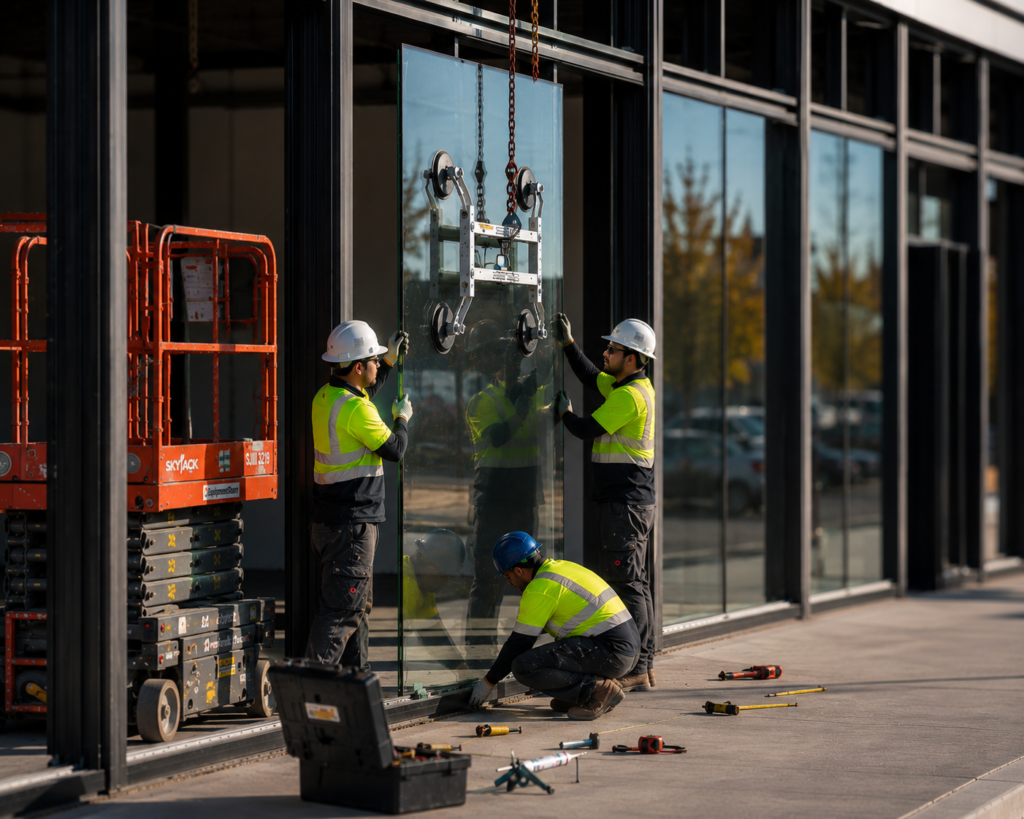
Glass is only part of the system. Aluminum frames conduct heat easily. A thermal break, a strip of low-conductivity material inside the frame, keeps the metal from carrying heat indoors. As a result, the frame edge stays cooler, and the whole window performs better. Ask your glazier to pair high-performance glass with thermally broken frames.
Shading and Orientation for Phoenix Storefront Windows
The direction a storefront faces changes how much sun it gets. West-facing glass takes the harshest afternoon sun. South-facing glass gets strong sun most of the day. In contrast, north-facing glass gets much less direct sun. So different sides of a building may need different glass. Awnings and overhangs can also shade the glass and cut heat.
Energy Codes for Phoenix Storefront Windows
Energy codes set limits on how much heat new storefront glass can let in. When you replace or install storefront windows, the new glass may need to meet these limits. Your glazier and designer will check the requirements. Meeting them often means choosing low-e insulated glass.
Phoenix Storefront Windows Costs and Savings
High-performance glass carries a bigger price tag. Even so, the cooling savings show up on every summer bill. It also improves comfort near the windows, which helps staff and shoppers. In addition, better UV protection means less faded merchandise. Over time, these savings often make the upgrade worthwhile. Learn more in our guide to commercial storefront windows.
Phoenix Storefront Windows for Restaurants and Showrooms
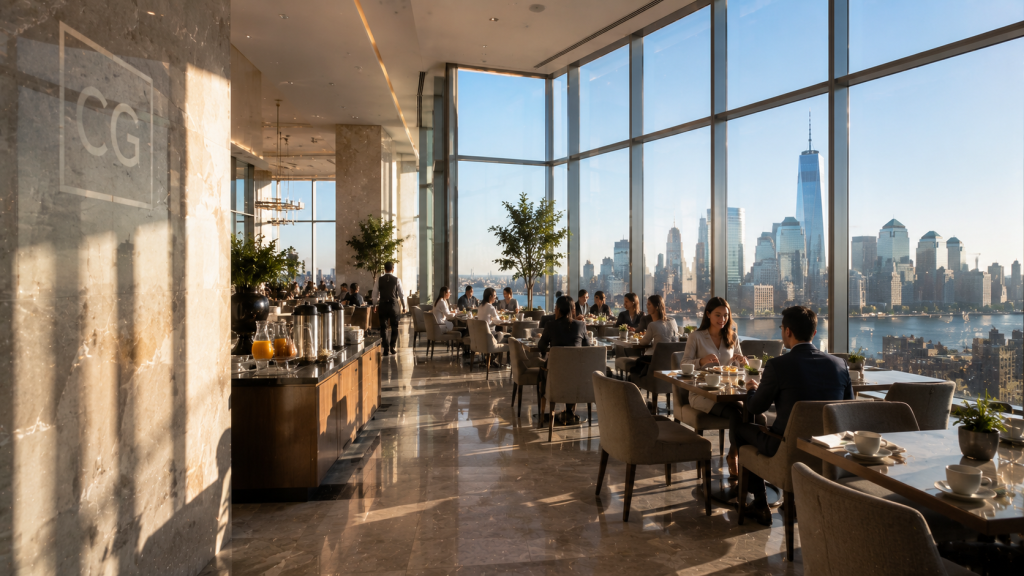
Some businesses need extra care with sun. Restaurants with west-facing patios and dining rooms feel the late-day heat right at dinner time. So many choose low-e glass plus shades or awnings. Car showrooms and furniture stores have large glass walls and products that fade. For them, laminated low-e glass protects stock and keeps the room cool. Clear views still matter, so these owners avoid heavy tints. Planning Phoenix storefront windows around your business type gives the best results.
Window Film as a Retrofit
Not every owner can replace glass right away. In that case, solar window film can help. It adds a thin layer that blocks some heat and UV. However, film is not right for every pane. Dark film on certain glass can raise the risk of heat cracks. So ask a glazier before applying film. They can check the glass type and recommend a safe product.
Common Mistakes to Avoid
- Choosing glass by price alone in a hot climate
- Using dark tints that hide your store
- Ignoring which way the storefront faces
- Pairing great glass with poor frames
- Pressing dark displays against sunny glass
FAQ on Phoenix Storefront Windows
What is the best glass for Phoenix sun?
Insulated glass with a solar control low-e coating is the best choice for most storefronts.
Will low-e glass make my store look dark?
No. Many low-e coatings stay fairly clear while blocking heat.
Do Phoenix storefront windows need special frames?
Thermally broken frames are strongly recommended for better comfort.
Choose the Right Glass
The right glass makes your storefront cooler and brighter. See our Phoenix storefront services, or talk to a glass specialist today.