



Phoenix storefront replacement cost can vary more than many owners expect. Two storefronts that look alike from the street may have very different prices. One may need only new glass. Another may need new frames, doors, and structural repairs. Glass type, access, timing, and permits also play a part. Understanding these factors helps you read estimates, compare bids, and plan your budget. This guide explains what drives the cost of replacing storefront glass in Phoenix.
Property owners, managers, and business tenants can use it to ask better questions before signing a contract.
Glass-Only vs. Full System Replacement
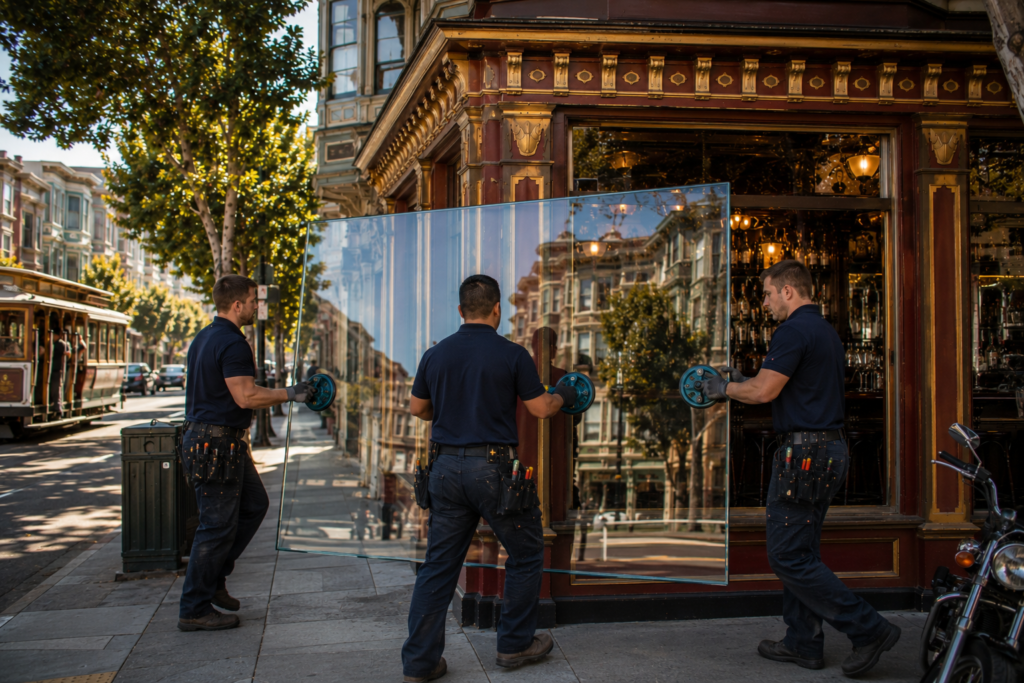
The first question is how much needs to be replaced. A glass-only replacement keeps the existing frames and swaps the panes. It costs less and goes faster. In contrast, a full system replacement removes the frames, doors, and glass and installs a new storefront. It costs more but solves deeper problems. Your glazier will inspect the storefront and recommend the right scope. This decision has the biggest effect on Phoenix storefront replacement cost.
Factor 1: Size and Number of Panes
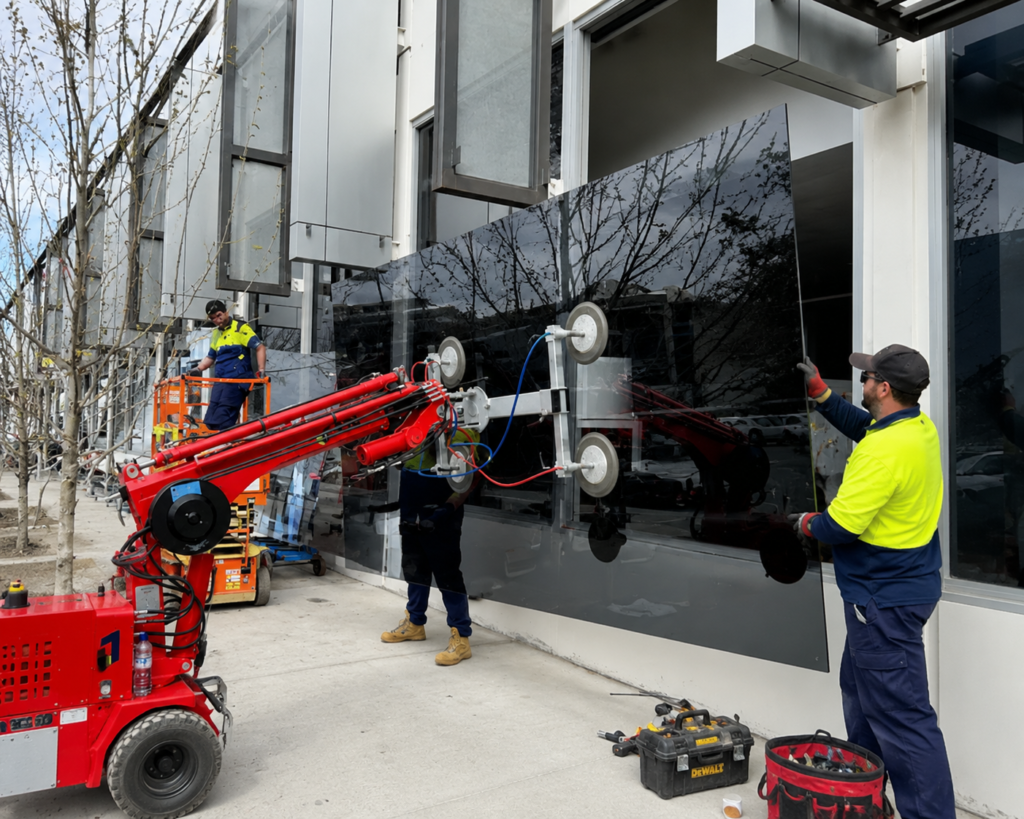
Larger panes cost more to make, ship, and install. They may also need extra crew members or lifting equipment. In addition, more panes mean more labor and more materials. So a wide storefront with many large lites will cost more than a small shop front. Measure the total glass area to get a rough sense of scale.
Factor 2: Glass Type
Glass type is a major cost driver. Common options include:
- Single-pane tempered glass, the most basic option
- Insulated glass units with two panes and a sealed air space
- Low-e coatings that reflect heat
- Laminated glass for security and safety
- Tinted or reflective glass for glare control
In Phoenix, insulated low-e glass is a smart choice. The price is higher, but the savings on summer cooling add up year after year.
Factor 3: Framing Condition and System
If the frames are sound, you may only pay for glass. However, if they are bent, corroded, or leaking, they may need repair or replacement. New frames add cost. Thermally broken frames cost more than standard frames but reduce heat transfer. Custom finishes and colors also add to the price. So the framing decision can shift your Phoenix storefront replacement cost a great deal.
Factor 4: Entry Doors and Hardware
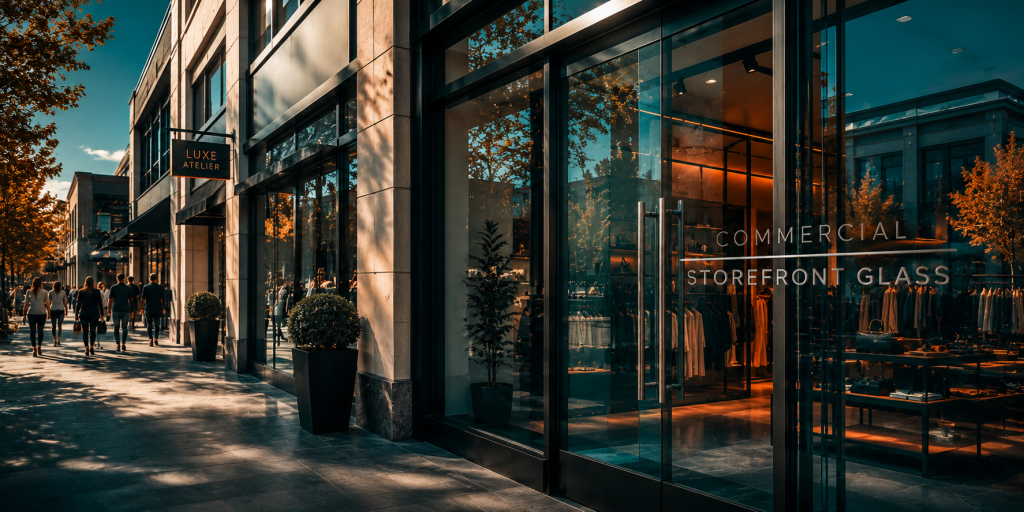
The door package can take a big bite out of the budget. A basic aluminum door with stock hardware sits at the low end. Frameless glass doors land higher, since they need heavy glass and special rails. Powered doors bring an operator, motion sensors, and wiring. Panic bars, card readers, and heavy closers push the number up as well. List your door needs clearly when you request quotes.
Factor 5: Access and Site Conditions
Easy access lowers cost. A ground-floor storefront with parking in front is simple to reach. In contrast, a second-floor storefront, a busy sidewalk, or a tight alley may need lifts, permits, or extra labor. Some jobs also need traffic control or after-hours work. So describe the site clearly, or invite the glazier to see it in person.
Factor 6: How Timing Changes Phoenix Storefront Replacement Cost
Emergency work costs more than planned work. After a break-in, you may pay for board-up, temporary glass, and rush orders. Night and weekend work also carry higher labor rates. If you can, plan replacements during regular hours. That simple step can lower Phoenix storefront replacement cost.
Factor 7: Permits and Code Updates
Many replacements need a permit, especially when frames or doors change. The City of Phoenix may require updated safety glazing, accessible doors, or energy code compliance. These updates can add cost to older storefronts. Arizona cities base their codes on the International Code Council model codes. Your glazier should explain which updates apply.
Factor 8: Removal and Disposal
Old glass and frames must be removed and hauled away. This takes labor and disposal fees. Some estimates include this cost. Others list it separately. Check every bid to make sure removal is covered.
Factor 9: Hidden Damage
Pulling the old frames sometimes reveals problems no one could see. The sill may be cracked. Water may have damaged the wall around the opening. Strong estimates say up front how surprises get priced, often through a set allowance or a per-foot repair rate.
Factor 10: Heat and Seasonal Scheduling
Phoenix summers affect installation. Crews often work early in the morning to avoid extreme heat. Some sealants also have temperature limits. In addition, monsoon storms can delay outdoor work. These factors can affect labor time and scheduling. Ask your glazier how the season may affect your project.
How to Read a Phoenix Storefront Replacement Cost Estimate
A clear estimate should list:
- The scope of work for each opening
- Glass type and thickness for each pane
- Frame system, finish, and repairs
- Doors and hardware
- Removal, disposal, and cleanup
- Permits and engineering, if included
- Schedule, warranty, and exclusions
If an item is missing, ask about it before you sign.
Comparing Phoenix Storefront Replacement Cost Bids
Get two or three estimates for the same scope. Then compare each line item. The lowest price is not always the best value. One bid may leave out removal, permits, or warranty. Another may use lower-quality glass. Pick the most complete bid from a licensed glazier you feel good about.
Typical Phoenix Storefront Replacement Cost Scenarios
Every job is different, but most fall into a few common groups. The smallest is one broken lite in a healthy frame. That job is quick and usually the least costly. Next comes a set of fogged insulated units across one storefront. That costs more, since several custom units must be made. A door replacement with new hardware sits in the middle. At the top is a full storefront tear-out with new frames, glass, and doors. Knowing which group your job falls into helps you judge whether a Phoenix storefront replacement cost estimate looks fair.
Insurance and Your Estimate
Insurance may cover sudden damage, like a break-in or a car hitting the storefront. It rarely covers wear, fogged seals, or faded frames. So take photos right away after any accident. If a crime caused the damage, file a police report and keep a copy. Send that report and the glazier’s quote to your carrier. In some cases, the insurer may ask for a second bid. Clear records speed up the claim.
Ways to Lower Phoenix Storefront Replacement Cost
You can often save without cutting quality. For example, keep sound frames and replace only the glass. Schedule work during regular hours. Choose standard finishes instead of custom colors. In addition, bundle repairs into one visit instead of several. Our guide on glass-only vs. full system costs explains more options.
Common Mistakes to Avoid
- Comparing bids with different scopes
- Skipping insulated glass to save money in a hot climate
- Ignoring removal and disposal costs
- Forgetting permit and code update costs
- Choosing the lowest price without checking the license
FAQ on Phoenix Storefront Replacement Cost
What has the biggest effect on cost?
Whether you replace only the glass or the full storefront system.
Is insulated glass worth the extra cost in Phoenix?
Usually, yes. It cuts heat gain and can lower cooling bills.
Does emergency service raise Phoenix storefront replacement cost?
Yes. Rush orders and after-hours labor cost more.
Get a Clear Estimate
Knowing the factors helps you budget with confidence. Visit our Arizona storefront glass page, or request a detailed quote today.