

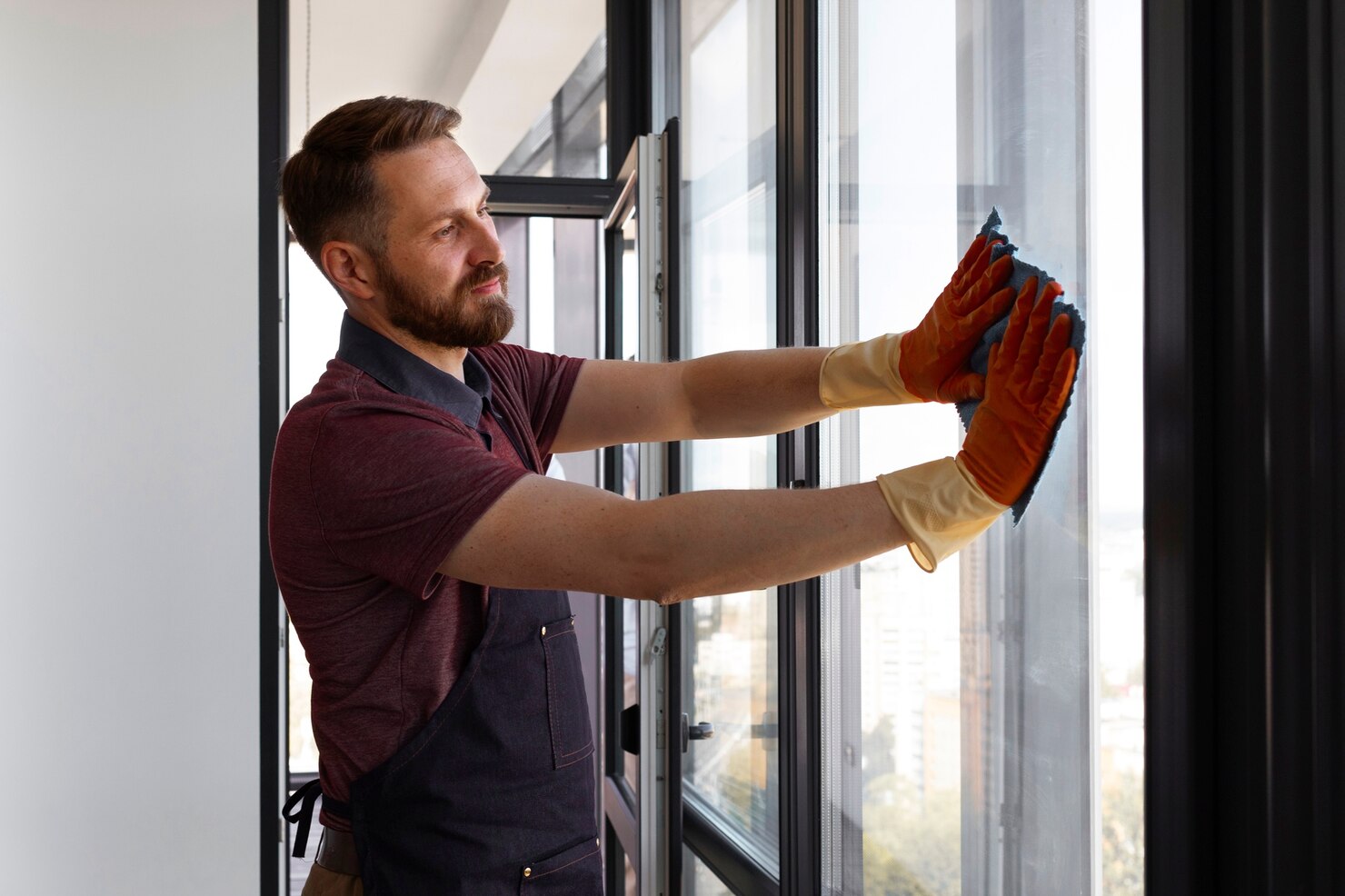


Phoenix commercial glass installation does not have to mean closing your doors. Many businesses cannot afford a week without sales, patients, or diners. Fortunately, with the right plan, a glazier can remove an old storefront and install a new one while the business keeps serving customers. The work happens in phases, around peak hours, with the space kept secure every night. This guide explains how that process works, from planning to the final cleanup.
Store owners, restaurant operators, medical practices, and property managers will find a clear path to a smooth project.
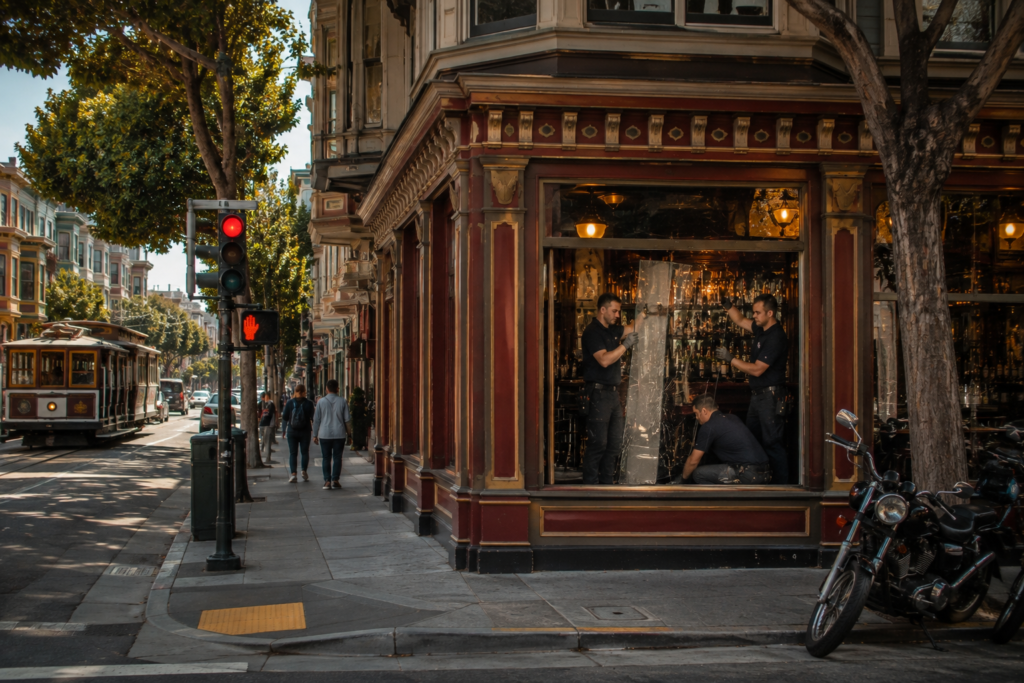
Why Staying Open Matters
A closed sign costs more than one day of sales. Regular customers may try a competitor. Staff may lose hours. Online reviews may suffer. So many owners would rather live with a little construction than close. The good news is that most storefront replacements can be done without a full shutdown.
Start Phoenix Commercial Glass Installation With a Site Walk
Begin by walking the storefront with your glazier. Point out your busiest hours, your main entrance, and any areas that must stay open. Also share details about deliveries, parking, and neighbors. The glazier will look at the frame, glass, and doors. Then they can build a plan that fits how your business runs.
Phasing the Work
Phasing is the key to staying open. Instead of removing the whole storefront at once, the crew works one section at a time. For example, they might replace the side panels first, then the entry, then the remaining glass. The crew sizes every phase so it wraps up within one shift. As a result, most of the storefront stays intact the whole time.
Keeping an Entrance Open
Customers need a safe way in. When the entry itself is being replaced, set up another way in. This might be a side door or a second storefront door. Alternatively, crews can replace the entry during closed hours and reopen it before morning. Clear signs help customers find their way.

Working Around Peak Hours
Every business has busy times. Restaurants peak at lunch and dinner. Retail shops are busiest on weekends. Medical offices have steady appointment blocks. So schedule loud or messy work for slow periods. Many crews start at dawn, which also helps them avoid the worst Phoenix heat. In some cases, crews work overnight.
Phoenix Commercial Glass Installation and Safety
Customer safety comes first. Crews rope off work zones with barriers and signs. They keep walkways clear of tools and glass. In addition, they clean up broken pieces right away. Large panels move with vacuum lifters and careful teamwork. These steps keep shoppers and staff safe while the work goes on.
Securing the Space Every Night
The storefront must be secure before the crew leaves each day. If a section is still open, crews install temporary panels or plywood. They also check that doors lock properly. As a result, the business stays protected overnight, even in the middle of the project.
Dust, Noise, and Comfort
Removing old frames can create dust and noise. So crews may hang plastic sheeting inside to keep dust away from customers and products. They also use quieter tools where possible. In summer, an open section can let hot air pour in. Temporary panels help hold in cool air during long work days.
Permits and Inspections
Many storefront replacements need a permit. You get it from Phoenix Planning and Development, and an inspector visits once the work wraps up. Plan inspections into the schedule. In addition, confirm whether the landlord must approve the plan or the work hours.
Phoenix Commercial Glass Installation Lead Times
All materials should be on site before demolition starts. That way, no opening stays boarded up longer than needed. Frames, glass, and doors are made to order and may take several weeks. So wait to begin until the glazier confirms delivery. Starting early with missing parts is a common cause of delays.

Communicating With Customers and Staff
Clear communication keeps everyone calm. Post signs that say you are open during improvements. Update your website and social pages. Tell staff about the schedule each week. In addition, train them to guide customers around work areas. People are patient when they know what to expect.
Phoenix Commercial Glass Installation for Restaurants
Restaurants face special challenges. Dust must stay away from food. Patio doors may be part of the work. So crews often work in the morning before opening or late at night after closing. In addition, kitchens and dining rooms stay separated from the work zone with barriers.
Phoenix Commercial Glass Installation for Medical Offices
Medical offices need a clean, quiet setting. Patients may have limited mobility. So keep the main entrance accessible at all times. Schedule the noisiest work on days with fewer appointments. Also, keep dust barriers tight around waiting areas.
Phoenix Commercial Glass Installation for Retail Shops
Retail stores depend on window displays and an easy entrance. So the crew should move displays only as each phase begins. In addition, they can return items to the window as soon as new glass is clean. Weekend crowds are a key concern. For that reason, many shops schedule the entry swap for a Monday or Tuesday night. With good planning, Phoenix commercial glass installation barely touches the shopping experience.
Tips for Night Work
Night work keeps the day clear for customers. However, it needs extra care. Crews bring bright work lights and set up clear barriers. Neighbors may need notice if there is noise. Also, someone from the business should be on call in case the crew has questions. Finally, walk the storefront each morning before opening to check that everything is clean and secure.
Budgeting for a Phased Project
Phased and after-hours work can cost more than a one-day shutdown. However, the cost of closing is often higher. Compare the two options before you decide. Ask your glazier for a clear quote that shows phases, hours, and temporary protection. Our guide on protecting customers during installation shares more ideas.
A Sample Phased Schedule
Every job is different, but a simple plan might look like this. On night one, the crew removes and replaces the left side panels. Next, on night two, they do the right side. On night three, they swap the entry door during closed hours. Finally, on day four, they seal, clean, and adjust everything. Each morning, the store opens on time. As a result, customers barely notice the work.
Wrapping Up the Project
At the end, the crew cleans the glass and removes all temporary panels and barriers. Then they adjust doors and test locks. Finally, they walk the storefront with you to check every detail. Any small issues go on a punch list and get fixed quickly.
Common Mistakes to Avoid
- Starting demolition before all materials arrive
- Closing the only entrance during business hours
- Skipping nightly security for open sections
- Letting dust reach food or merchandise
- Failing to tell customers you are open
FAQ on Phoenix Commercial Glass Installation
Can my business stay open during storefront replacement?
Usually, yes, with phased work and temporary protection.
Is after-hours work more expensive?
Often, yes. However, it can cost less than closing.
How long does Phoenix commercial glass installation take?
Most storefronts take a few days to a couple of weeks when phased.
Stay Open, Upgrade Your Storefront
A new storefront does not have to cost you customers. Explore our Phoenix glass services, or plan a phased install today.