



Storefront glass replacement cost depends on one big question: are you replacing just the glass, or the whole system? A glass-only job swaps damaged or outdated panels and keeps the existing frames. A full-system job tears out the old storefront and installs new frames, glass, and often new doors. Both have a place. The right choice depends on the condition of your frames, your goals, and your budget. This guide compares the two side by side, so you can make a smart decision.
Anyone who owns, leases, or manages a storefront can use it to plan budgets and read bids with confidence.
Two Ways to Replace a Storefront
Before comparing numbers, it helps to define each option clearly.
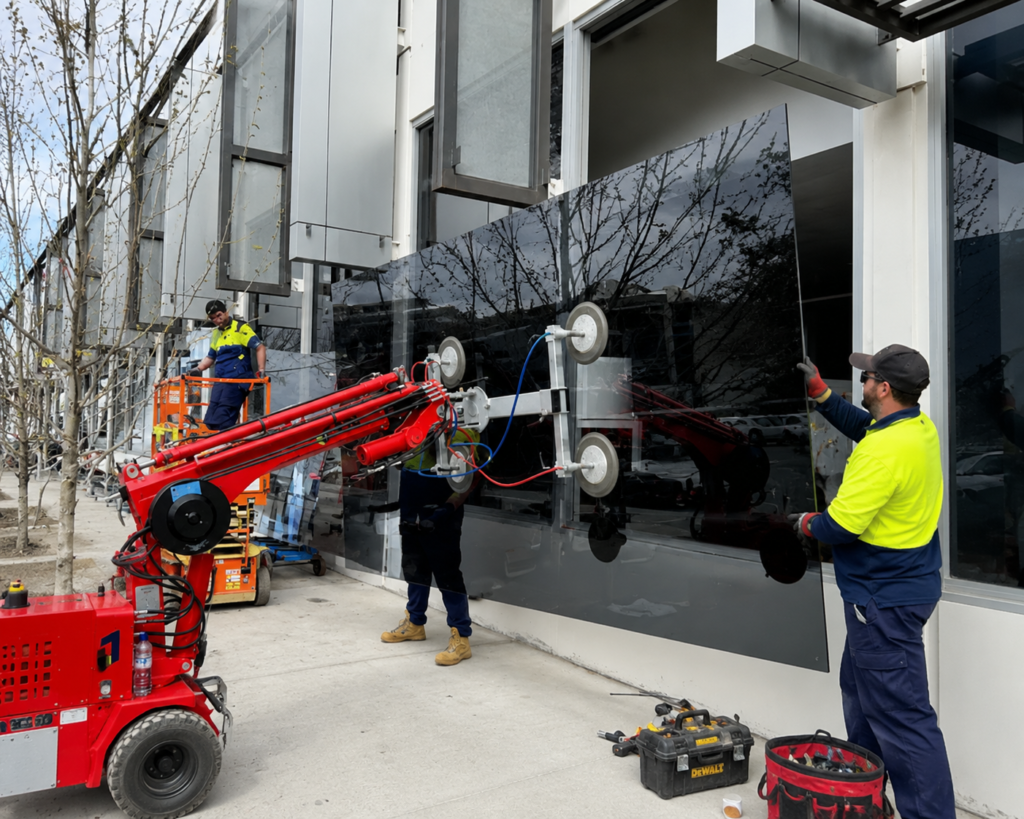
- Glass-only replacement: The crew removes old glass, cleans the frame, and sets new panels. Frames, doors, and hardware stay in place.
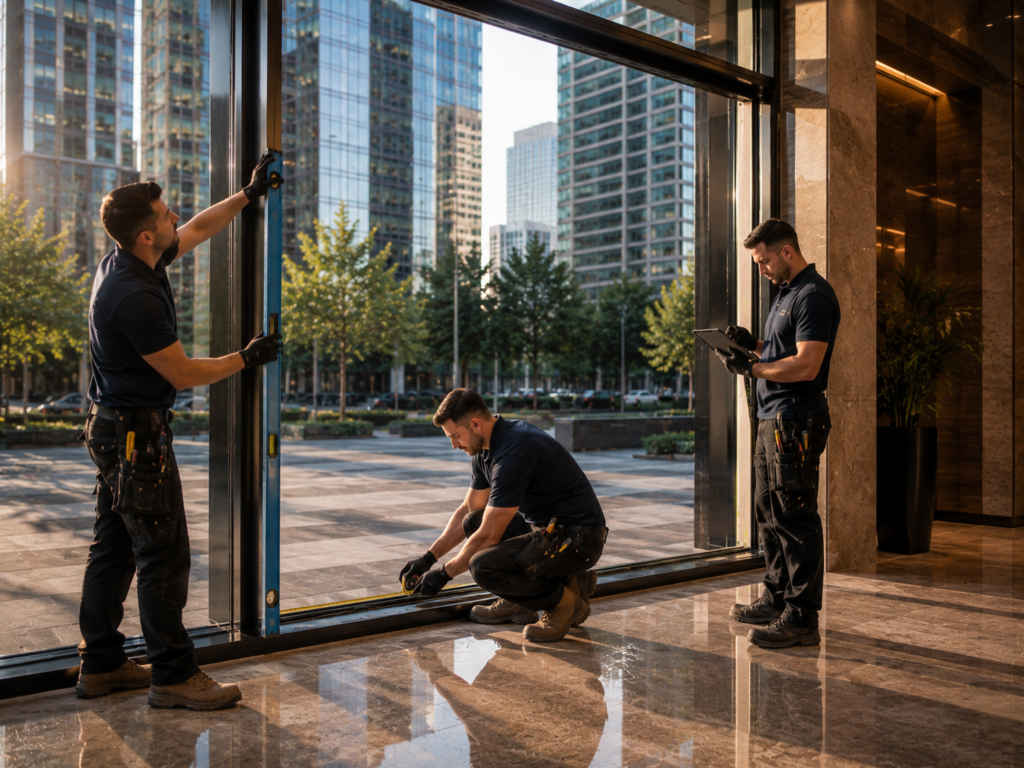
- Full-system replacement: The crew removes the entire storefront, prepares the opening, and installs a new framing system with new glass and doors.
Each path has different costs, timelines, and long-term results.
What Glass-Only Replacement Includes
A glass-only job is focused and quick. Typically, it includes:
- Measuring each opening
- Ordering new tempered, laminated, or insulated glass
- Removing old glass and glazing materials
- Setting new panels with fresh gaskets or tape
- Sealing and cleaning
Because the frames stay, there is little demolition and little disruption. As a result, the storefront glass replacement cost for a glass-only job is usually much lower than for a full system.
What Full-System Replacement Includes
A full-system job is a bigger project. It usually includes:
- Field measurements and new shop drawings
- A building permit and code review
- Removal and disposal of the old storefront
- Repairs to the opening, flashing, and sill
- New aluminum framing, glass, doors, and hardware
- Sealing, cleanup, and final inspection
This work takes more time and money. However, it resets the clock on the entire front.
Storefront Glass Replacement Cost: Glass-Only
Several factors drive the price of a glass-only job. Panel size is the first. Larger panels cost more to make, ship, and handle. Glass type is the second. Single tempered glass is the least expensive, while insulated Low-E or laminated glass costs more.
Labor and access matter too. A ground-floor panel with easy access is quick to swap. By contrast, a tall or hard-to-reach panel may need lifts and extra crew. Finally, emergency or after-hours service adds to the bill.
Storefront Glass Replacement Cost: Full System
Full-system pricing reflects many more parts and steps. Framing grade, finish, and thermal performance all affect cost. Doors and hardware often make up a large share of the total. In addition, permits, drawings, and any repairs to the opening add to the price.
Site conditions also play a role. For example, removing an old front on a busy sidewalk may require street permits and protection for pedestrians. Our aluminum framing systems page explains common frame grades.
When Glass-Only Replacement Makes Sense
Glass-only is usually the right call when:
- The frames are straight, solid, and free of corrosion
- The doors work well or need only minor adjustment
- Only a few panels are damaged
- You want better energy performance without a full rebuild
- The frame system can accept thicker insulated glass
In these cases, you get new glass and a fresh look for a fraction of the price.
When a Full System Is the Better Value
Sometimes, keeping old frames is a false saving. A full system often makes more sense when:
- Frames are bent, corroded, or leaking
- The storefront no longer meets energy or safety codes
- Doors and hardware fail often
- Parts for the old system are hard to find
- You want a new look or layout
Over ten or more years, a new system may cost less than constant repairs. It can also lower energy bills and raise the value of the property.
Hidden Costs to Watch For
Both options can bring surprises. For instance, removing old glass may reveal damaged setting blocks or worn gaskets. Similarly, tearing out an old front may expose rotted framing, cracked masonry, or missing flashing. These issues add cost, but fixing them protects the new work.
Ask your contractor how they handle hidden damage. A clear plan for surprises keeps the project moving and avoids disputes.

Energy and Comfort Differences
Energy is a key difference between the two paths. Swapping single-pane glass for insulated Low-E glass improves comfort. However, old non-thermal frames still leak heat. So a full system with thermally broken frames usually delivers bigger savings. Rating groups such as the National Fenestration Rating Council publish performance numbers that help you compare products.
Timeline Comparison
Glass-only jobs often wrap up within one to three weeks, mostly waiting for glass to arrive. On-site work may take just a few hours per panel. Full-system jobs, by contrast, may take six to twelve weeks from first measurement to final inspection. Drawings, permits, and fabrication take most of that time.
Comparing Storefront Glass Replacement Cost in Bids
When you get bids, make sure they compare the same scope. Check the glass type, frame system, doors, hardware, permits, and removal. Also check warranties. A low bid that skips key items may cost more in the end. Our replacement services page explains what a complete scope should include.
How Doors Change Storefront Glass Replacement Cost
Doors deserve their own line in any budget. In a glass-only job, the existing doors usually stay. Still, the crew may replace the glass in the door, which must be tempered or laminated safety glass. In addition, they may adjust closers and pivots while they are on site.
In a full-system job, by contrast, new doors are usually part of the package. A standard aluminum door with a closer and lock is the most affordable. However, upgrades such as panic hardware, card readers, or automatic operators add cost quickly. So list your door needs early. That way, every bidder prices the same hardware, and your storefront glass replacement cost stays predictable.
Planning a Budget for Storefront Glass Replacement Cost
A simple budget plan keeps the project on track. First, get prices for both paths, glass-only and full system. Next, add a contingency of about ten percent for hidden damage. Then think about timing. For instance, some owners replace the worst panels now and plan a full system in a few years. This phased approach spreads the cost while still fixing urgent problems.
Also check whether your lease or insurance shares the cost. In many commercial leases, the landlord handles frames while the tenant handles glass breakage. Knowing who pays for what avoids surprises later.
A Simple Way to Decide
Try this quick test. First, ask your glazier to rate the frames on a scale of one to ten. Next, list how many repairs you made in the last two years. Then compare your energy bills with similar buildings. If the frames score high, repairs are rare, and bills are normal, glass-only is likely enough. If not, a full system deserves a serious look.
FAQ on Storefront Glass Replacement Cost
Is glass-only always cheaper?
Up front, yes. Over many years, however, a full system can cost less if the old frames keep failing.
Can new insulated glass fit old frames?
Sometimes. It depends on the frame depth and design, so a site check is needed.
Does insurance cover storefront glass replacement cost?
Many policies cover sudden breakage. Upgrades beyond the original glass may not be covered.
Get Both Options Priced
Seeing both numbers side by side makes the choice clear. Contact our team for a site visit, and we will price glass-only and full-system options for your storefront.