



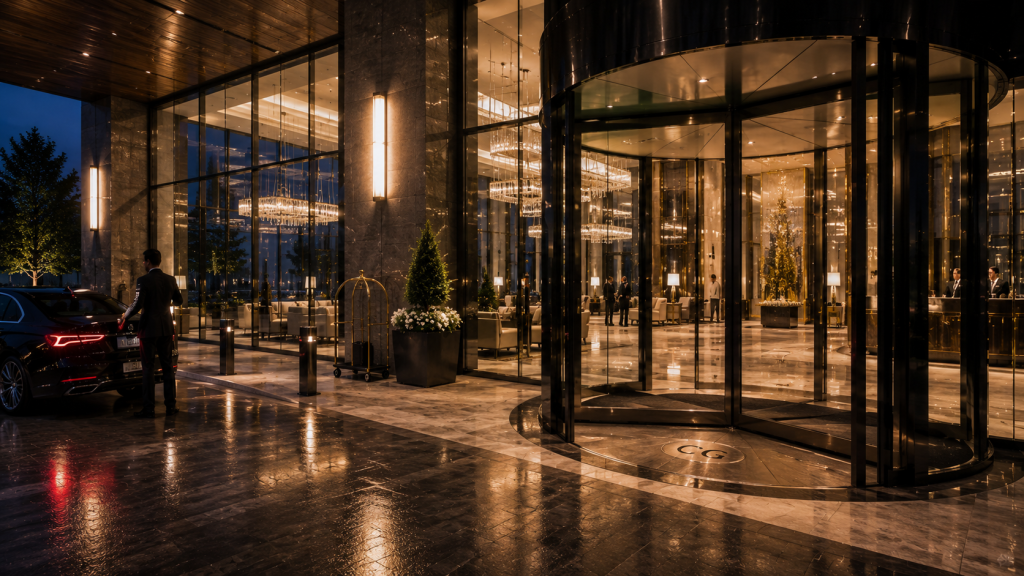
Manhattan commercial glass services sit at the center of most retail storefront renovations in the borough. From flagship stores on Fifth Avenue to boutiques in SoHo and cafes in the West Village, the storefront is the brand’s handshake with the street. Yet renovating it means juggling landlords, building managers, city agencies, union rules, freight elevators, and a dozen other trades. When the glass schedule slips, the whole opening date can slip with it. This guide explains how to coordinate glass work within a Manhattan retail renovation.
Retail brands, tenant coordinators, general contractors, and property managers can use it to keep glass on track from design to grand opening.
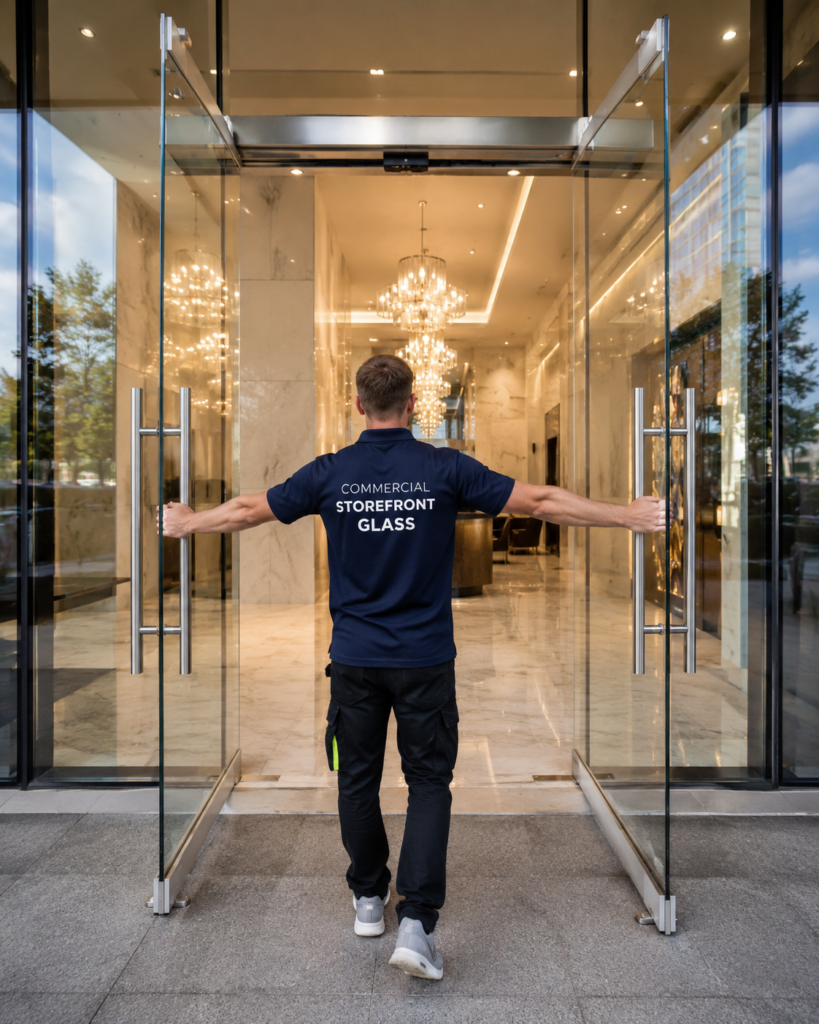
Why Coordination Matters in Manhattan
In short, Manhattan projects have many moving parts. Landlords often have detailed tenant criteria. Buildings set strict work hours. Historic districts add another layer of review. Meanwhile, the glazier must fit into a tight schedule with demolition, framing, electrical, millwork, and signage crews. As a result, Manhattan commercial glass services succeed when coordination starts early.
Step 1: Read the Lease and Tenant Criteria
First, read your lease and the building’s tenant criteria. They may spell out storefront materials, frame colors, glass types, door hardware, and signage. Some landlords require approval of shop drawings before fabrication. Others require specific insurance or approved contractors. Knowing these rules early prevents costly redesigns.
Step 2: Landmarks Rules and Manhattan Commercial Glass Services
Many Manhattan neighborhoods, such as SoHo, Tribeca, and parts of the Upper East Side, are historic districts. In these areas, storefront changes often need review by the Landmarks Preservation Commission. The commission may guide frame profiles, materials, and signage. The Landmarks Preservation Commission explains its storefront guidelines. Plan extra time for this step.
Step 3: Design the Storefront
Next, design the storefront with your architect and glazier together. Consider:
- Glass size and sightlines into the store
- Entry door style and hardware
- Frame finish that fits the brand and building
- Security gates or film
- Signage and window graphics
- Lighting behind the glass
Early input from the glazier helps keep the design buildable and on budget.
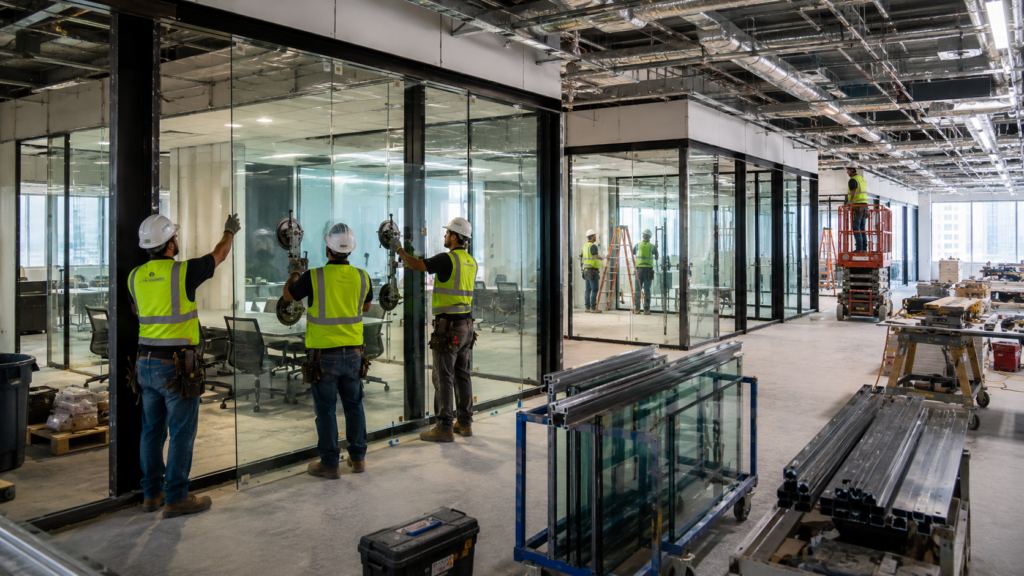
Manhattan Commercial Glass Services for Interiors
Retail renovations often include interior glass too. For example, fitting rooms may use mirrors and glass doors. Display cases need precise glass panels. Offices or stockrooms may use glass partitions. So include interior glass in the same coordination plan. One glazier handling both inside and outside can simplify the schedule.
Permits and Filings
Storefront changes often need filings with the Department of Buildings. Your architect usually prepares them. In addition, sidewalk sheds, scaffolding, or crane use may need separate permits. Combine these filings into a clear schedule, so approvals arrive before crews do.
Manhattan Commercial Glass Services and Freight Access
Naturally, most Manhattan buildings control access tightly. Freight elevators may need advance booking. Loading docks may be shared. Some buildings only allow deliveries before or after business hours. So coordinate glass deliveries with the building manager weeks in advance. Large storefront panels usually come in from the street, which may require sidewalk protection and traffic control.
Union and Labor Rules
In addition, many Manhattan buildings require union labor. Some also require specific trades for specific tasks. So confirm labor requirements before bidding. A glazier who already works in your building type can save time and avoid disputes.
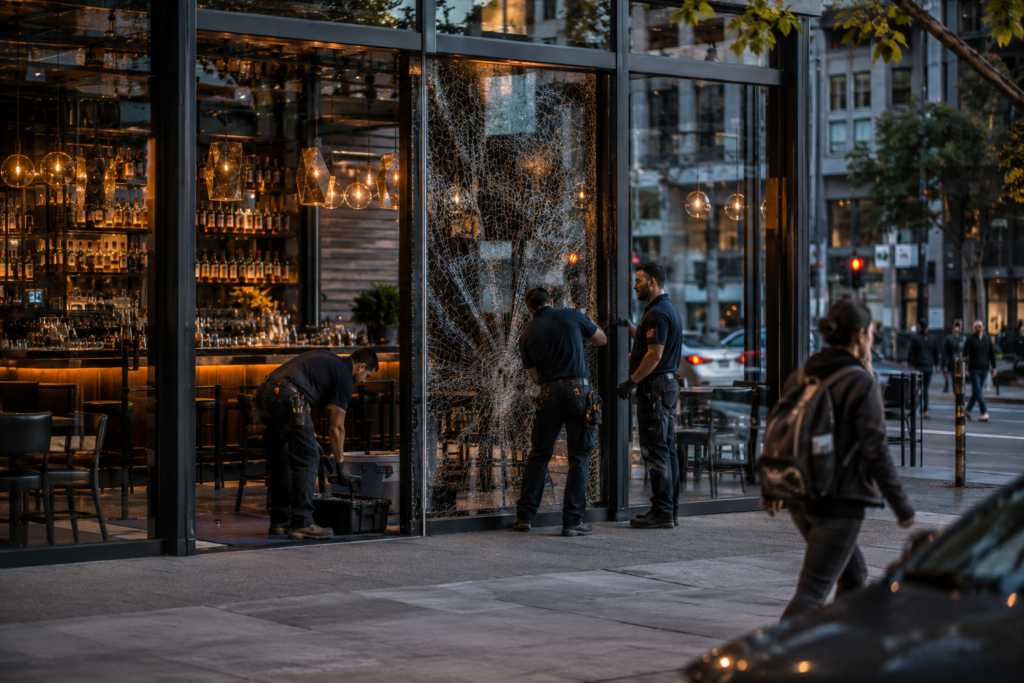
Coordinating Manhattan Commercial Glass Services With Other Trades
Usually, glass goes in late in the project. Typically, demolition and structure come first. Then framing, electrical, and HVAC rough-in follow. Next, the glazier installs the storefront. After that, signage, lighting, and finishes complete the look. However, storefront work can also come early if the store must stay secure during construction. Weekly coordination meetings keep everyone aligned.
Protecting the Store During Construction
Meanwhile, old storefronts often come out early. That leaves the space open. So plan temporary protection. Many projects use painted plywood barricades with brand graphics. These walls keep the site secure and advertise the coming store. Check landlord and city rules for barricade designs and permits.
Budgeting for Manhattan Commercial Glass Services
Of course, costs depend on design, size, building rules, and logistics. Key factors include:
- Custom frames and finishes
- Large or specialty glass
- Landmarks review and redesigns
- Night or weekend labor
- Freight and street access
- Temporary barricades
Our storefront glass services page outlines typical project steps.
Keep the Plan Simple
Big projects can feel complex. So break them into small steps. First, read the lease. Next, check the rules. Then pick a design. After that, get the permits. Finally, set the glass. Each step has one clear goal. When each step is done, move to the next.
Who Does What
Clear roles save time. First, the architect draws the plan. Next, the glazier builds and sets the glass. Meanwhile, the general contractor runs the site. Also, the building manager sets the rules. Finally, the landlord gives the final okay. When each person knows their job, the work flows.
Talk Every Week
Hold a short meeting each week. Keep it to about thirty minutes. Review what got done. List what comes next. Flag any delays early. Then send a short note to everyone on the team. This simple habit keeps the whole team on the same page.
Manhattan Commercial Glass Services for Small Shops
Not every project is a flagship. Many Manhattan shops are small. A cafe may need one new door. A boutique may need a new display window. These jobs still need permits and building approval. But they move faster. A small crew can often finish in a day. Even so, Manhattan commercial glass services for small shops should follow the same steps. That keeps the job safe and legal.
Plan for the Unexpected
Surprises happen in old buildings. For example, crews may find a rusty steel lintel behind the old storefront. Likewise, the sidewalk vault below may need protection. So keep a small contingency in the budget. In addition, ask your glazier to flag risks early. As a result, a surprise becomes a short delay instead of a crisis.
Think About the Brand
After all, your storefront is your sign. It tells people who you are. So pick glass and frames that fit your brand. Clear glass shows off products. Dark frames look sleek. Bright lights draw eyes at night. Small choices like these make a big impact on a busy Manhattan street.
Common Mistakes to Avoid
- Designing before reading tenant criteria
- Forgetting landmarks review time
- Booking freight too late
- Ordering glass before approvals
- Leaving interior glass out of the schedule
FAQ on Manhattan Commercial Glass Services
How long do storefront renovations take in Manhattan?
Glass fabrication and approvals often take several weeks. Installation may take days to a couple of weeks.
Do I need landmarks approval?
Only if your building is in a historic district or is an individual landmark. Your architect can check this quickly.
Can one glazier handle interior and storefront glass?
Yes, and it often simplifies coordination. One team means one schedule, one contact, and fewer gaps between trades. It can also lower costs, since the crew is already on site.
Open on Time
Good coordination keeps your Manhattan store on schedule. Visit our tenant improvement glass page, or reach out to our team today.