

Glass Intelligence
Commercial Storefront Glass Insights, Market Trends, Building Performance, and Industry Analysis Across America
Understanding Commercial Glass Systems
Commercial storefront glass sits at the intersection of architecture, engineering, business strategy, customer experience, property value, and building performance. Every year, developers, property owners, architects, facility managers, investors, and contractors make decisions that influence how commercial buildings look, operate, and compete within their markets.
Rather than focusing on individual projects, Glass Intelligence studies the broader forces shaping the commercial glass industry, helping reveal why buildings evolve, why certain materials gain popularity, and how commercial properties adapt to changing market demands.
Modern storefront systems are sophisticated, and glass must perform multiple functions simultaneously. A storefront system may need to:
• Welcome customers and enhance visibility
• Improve building security and occupant safety
• Increase natural light while reducing energy consumption
• Resist severe weather (winds, hail, temperature swings)
• Support architectural design and branding goals
• Strengthen overall property value and tenant attraction
Success depends on how effectively those objectives work together to balance appearance and performance during daily operation.
Building Performance Intelligence
Energy Efficiency
Modern glazing systems and thermally broken aluminum framing can significantly improve building thermal performance, lowering heating and cooling costs while enhancing occupant comfort.
Natural Light
Strategic daylighting designs increase indoor light levels, boost occupant well-being, and reduce the property’s reliance on artificial electric lighting.
Building Envelope Performance
Storefront glass and perimeter seals act as the building’s primary shield, managing external weather exposure, air infiltration, and moisture penetration.
Occupant Experience
Aesthetically pleasing storefronts with clean sightlines improve visitors’ and employees’ mood, customer perception, and workplace satisfaction.
Operational Costs
High-performance systems minimize maintenance requirements, resist wear in high-traffic commercial environments, and lower long-term building ownership expenses.
Commercial Property Intelligence
Different property types require different storefront strategies. In Retail properties, visibility, branding, and customer attraction drive decision-making. Office buildings prioritize natural light, aesthetics, and tenant recruitment. Healthcare facilities focus on comfort, cleanliness, privacy, and durability. Hospitality properties emphasize guest experience and visual appeal. In Mixed-Use developments, flexibility and integration play significant roles in design decisions. Every commercial sector brings distinct expectations that influence how commercial glass is specified and utilized.
Commercial Market Intelligence
Commercial storefront design trends vary significantly from one city to another. Population density, development activity, economic conditions, local climate, and architectural preferences all shape regional requirements. Glass Intelligence tracks these trends across major U.S. commercial markets—including NYC, Chicago, LA, San Francisco, Dallas, Houston, Denver, Phoenix, Las Vegas, Miami, Seattle, Atlanta, Boston, and Washington DC—revealing important patterns within the broader industry.
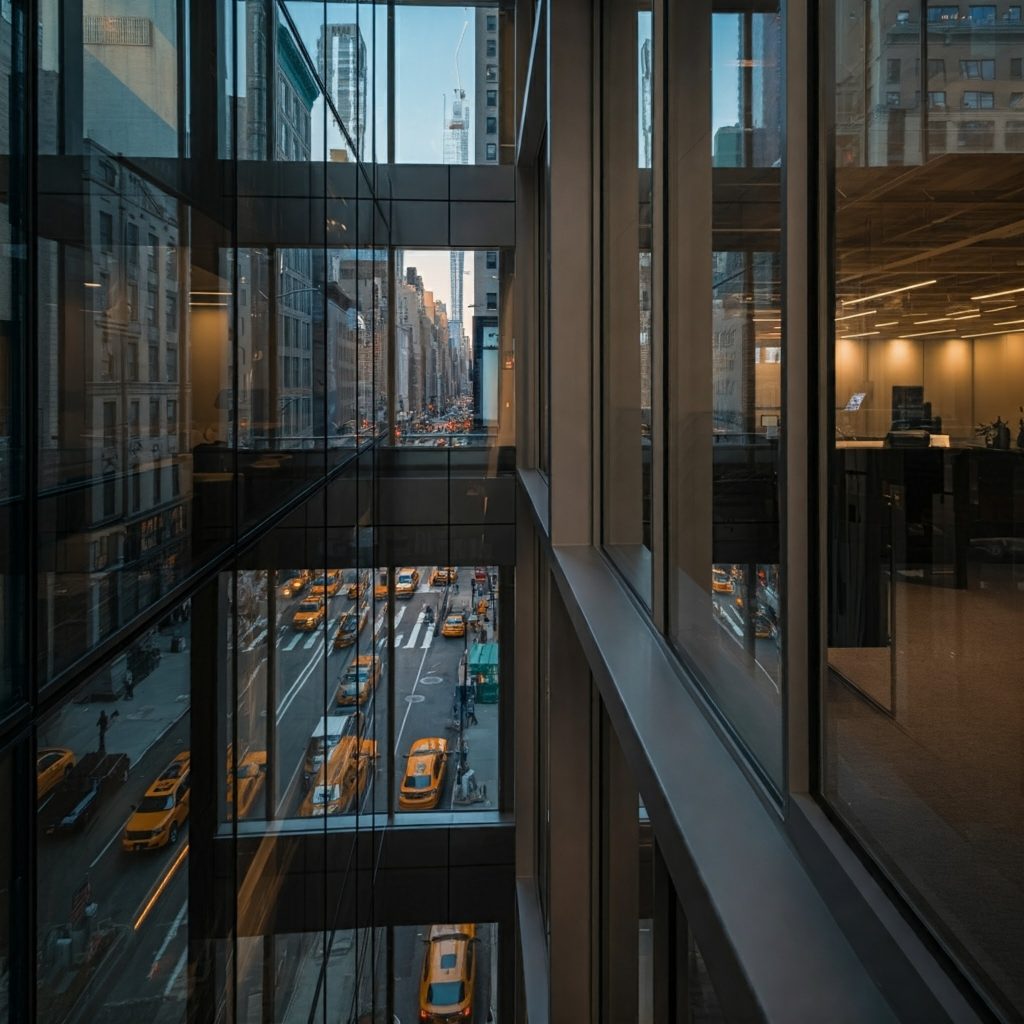
Environmental Intelligence
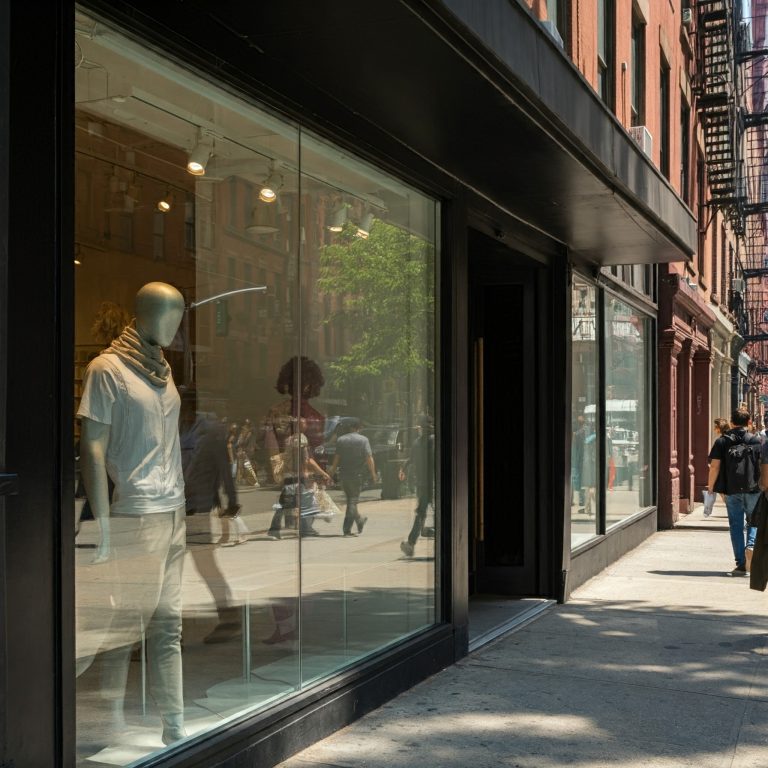
Hurricane Exposure
Coastal markets frequently prioritize impact resistance and structural resilience, utilizing laminated glass systems to withstand severe wind loads and high-velocity debris.
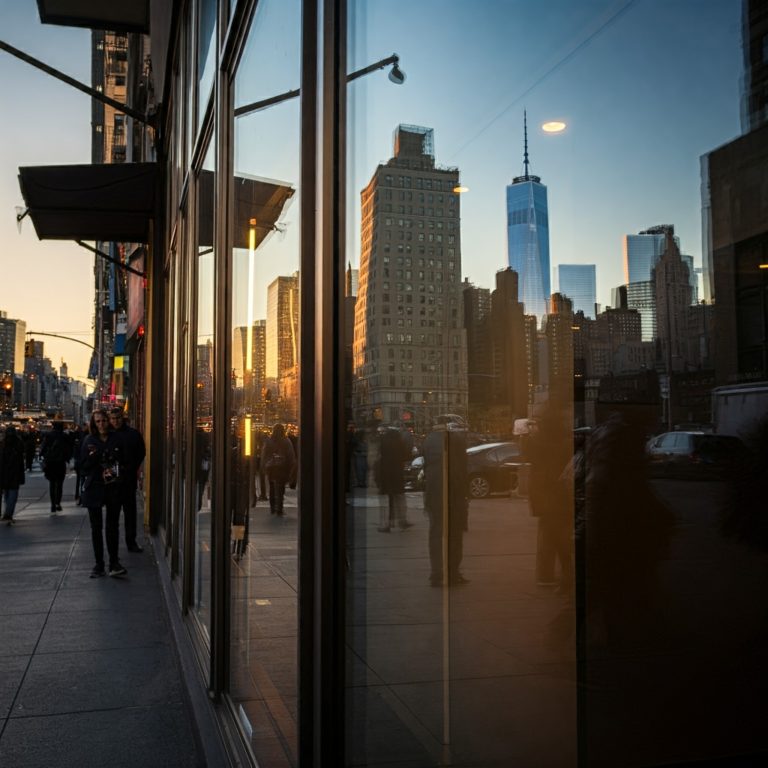
Hail Exposure
Certain regions experience recurring hail storm damage that influences material selection, requiring heavy-duty tempered glass designs to protect structural integrity.
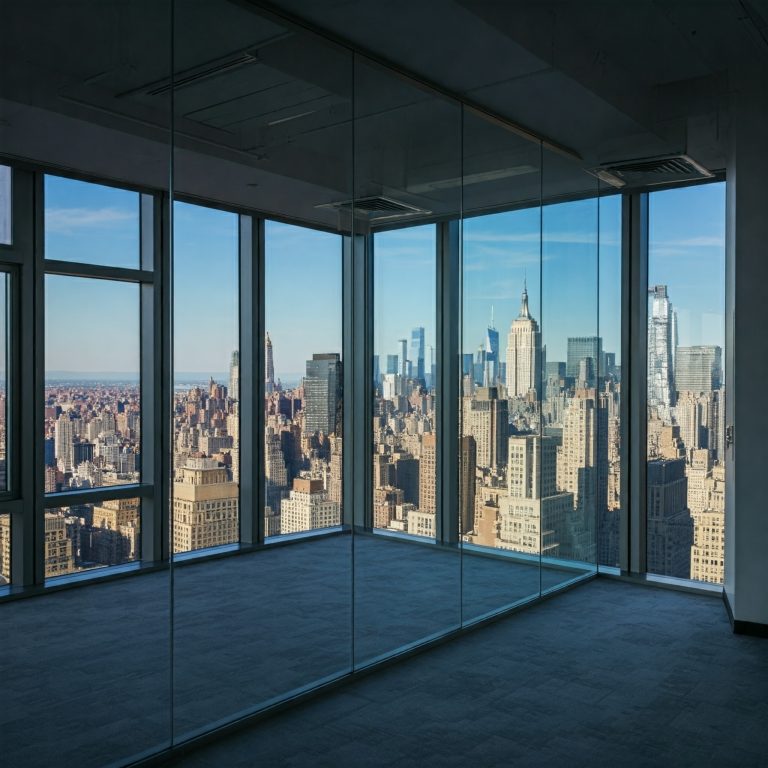
Wind Loads
High-rise environments and coastal locations face increased wind pressures, requiring engineered framing and glass configurations to satisfy building code standards.
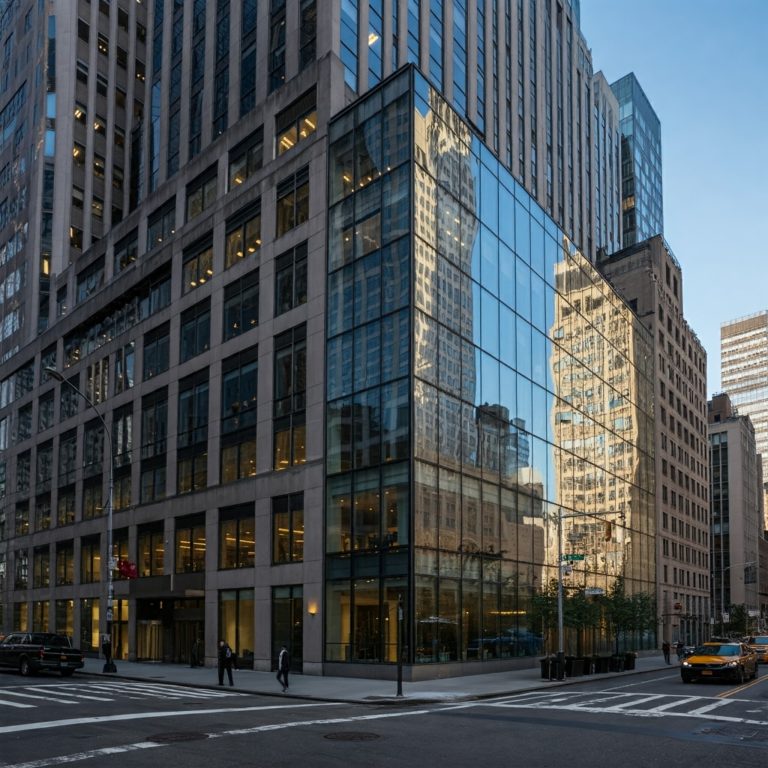
Temperature Extremes
Freeze-thaw cycles and seasonal thermal expansion test sealant and framing performance, making insulated units critical for energy performance and comfort.
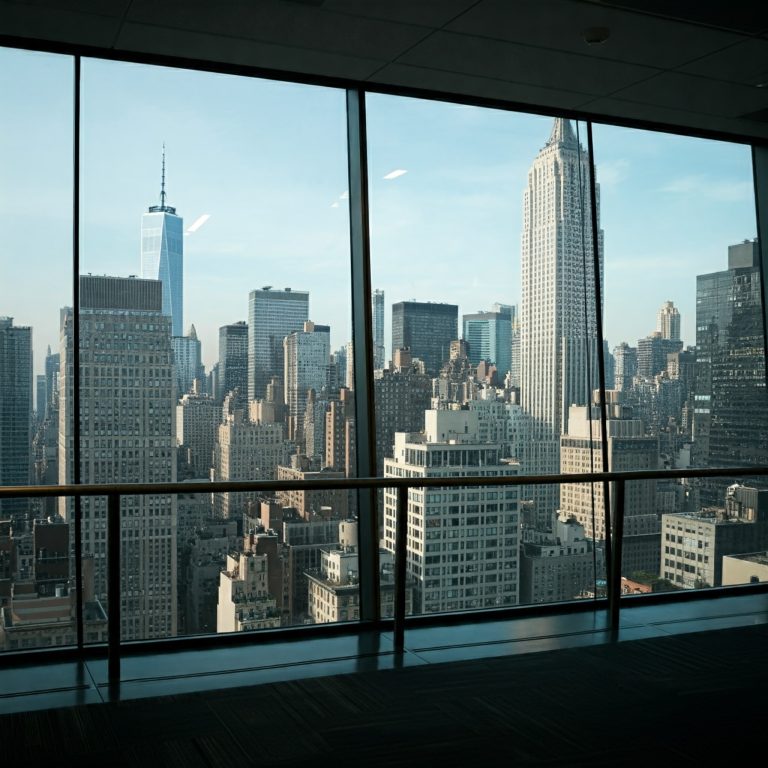
Solar Exposure
Sunlight intensity affects indoor comfort and solar heat gain, requiring low-E coatings, tinting, or dynamic glazing to optimize lighting and AC costs.
Modernization & Material Intelligence
Modernization Intelligence
Older commercial storefront systems often suffer from outdated aesthetics and poor energy efficiency. Upgrading storefront systems can support leasing and property repositioning through:
- Repositioning: High-impact updates to modernize aging exterior facades.
- Leasing Support: Enticing retail tenants with modern, clean glass frontages.
- Energy Upgrades: Retrofitting systems to lower building HVAC overhead.
- Asset Preservation: Protecting long-term value against weathering and wear.
Material Intelligence
A thorough understanding of storefront glazing options is crucial for appropriate material selection:
- Tempered Glass: Highly durable, heat-treated safety glass that crumbles safely.
- Laminated Glass: Bonded polymer interlayer for security, safety, and sound proofing.
- Insulated Units: Multi-pane gas/air spaces that minimize heat transfer.
- Impact Glazing: Advanced storm systems designed to resist hurricane debris.
Intelligence Beyond the Glass
Commercial storefront systems represent much more than windows and entrances. They influence customer perception, tenant attraction, building performance, modernization efforts, property value, and long-term competitiveness.
Through market analysis, environmental research, material evaluation, building performance studies, and insights into commercial development, Glass Intelligence provides a broader understanding of the forces driving commercial storefront glass across America.